

Are You Struggling with an Irregular Sleep Wake Rhythm Disorder? Symptoms, Causes, and Science-Backed Solutions
Do you wake up at 3 AM with a racing mind, exhausted yet unable to drift back to sleep? An irregular sleep wake rhythm disorder destroys circadian health. Tracking deep sleep and HRV trends with a screen-free tool like the Herz P1 Smart Ring helps restore alignment.
Take Back Your Sleep.
Take Back Your Life.
- Fall asleep faster & sleep deeper
- Stop waking up in the middle of the night
- Wake up refreshed & full of energy
Key Article Highlights
- Circadian SCN Mechanics: Discover how the master biological clock fragments, leading to debilitating daylight sleepiness and midnight wakefulness.
- Key Biometric Indicators: Learn how heart rate variability (HRV) and non-restorative sleep phases reveal the true state of your central nervous system.
- The Blue Light Trap: Why standard screens and glowing smartwatches act as silent disruptors of melatonin production.
- Screen-Free Solutions: How transitioning to a lightweight, subscription-free health ring provides actionable recovery data without digital distractions.
Understanding Irregular Sleep Wake Rhythm Disorder: What Science Tells Us

Quick Answer
Yes, an irregular sleep wake rhythm disorder is a distinct clinical circadian rhythm disruption where an individual has no clear, defined sleep-wake cycle. The short answer is that instead of a consolidated block of overnight rest, sleep is fragmented into multiple short episodes throughout a 24-hour period. However, to choose the right approach or tools to monitor this condition, you need to understand how physiological signals like heart rate variability (HRV) and sleep stages can help map your recovery.
For those living with an irregular sleep wake rhythm disorder, daily life can feel like a foggy haze of exhaustion. Instead of experiencing the natural rhythmic rise and fall of sleep hormones, you might find yourself slipping into uncontrollable naps during the day, only to lie wide awake at 3 AM with a racing mind, staring at the ceiling. This condition is not simple insomnia; it is a profound misalignment of your body’s internal clock with the rotation of the Earth.
In a healthy individual, the circadian pacemaker—located in the suprachiasmatic nucleus (SCN) of the hypothalamus—functions as the master clock. It coordinates metabolic processes, core body temperature fluctuations, cortisol spikes, and melatonin release. In individuals suffering from sleep wake syndrome, this biological master clock is either damaged, under-stimulated, or severely out of sync. Rather than generating a single 7-to-9-hour sleep period, the SCN emits signals in a chaotic, unpredictable pattern, resulting in an irregular sleep wake rhythm that leaves you mentally and physically drained.
When this fragmentation occurs, your body never fully transitions into deep, restorative slow-wave sleep or crucial rapid eye movement (REM) cycles. This leads to chronic non-restorative sleep, leaving you highly vulnerable to brain fog, morning grogginess, and long-term cardiovascular stress. To combat this, modern biometric tracking has emerged as a powerful, data-informed way to regain control. By monitoring physical trends over time, we can understand exactly when our bodies are attempting to rest and how successfully we are recovering.
When to Track Your Circadian Rhythm (and When Not To)
Understanding when to rely on a wearable health tracker is vital for your peace of mind and success:
- When to track: If you are struggling with a highly irregular sleep schedule, working rotating night shifts, or constantly battling brain fog. Tracking lets you see if your lifestyle adaptations are translating into improved parasympathetic tone (higher nighttime HRV) and longer stretches of deep sleep.
- When NOT to track: Do not rely solely on trackers if you are experiencing severe, acute medical events or sudden, unexplained sleep apnea episodes. Wearables are designed to track, monitor, and provide daily trend insights; they are not intended to diagnose, cure, or substitute for professional medical care.
Our Team’s View: Why a Screen-Free Approach Changes the Game
Most traditional smartwatches are bulky, uncomfortable to sleep in, and constant sources of blue-light pollution. Every time you roll over, a bright screen might flash in your eyes, signaling your brain’s SCN to suppress melatonin and further worsening your irregular sleep wake rhythm disorder symptoms. At Mind Body Dan, we advocate for screen-free, lightweight biometric tracking that keeps you away from digital anxiety while quietly gathering high-fidelity data on your finger.
Biometric Questions & Answers
Q1: What is the main cause of an irregular sleep wake rhythm disorder?
The primary cause is typically a dysfunction in the brain’s suprachiasmatic nucleus (SCN), which may stem from neurodegenerative conditions, traumatic brain injuries, a lack of regular exposure to outdoor morning sunlight, or chronic long-term shift work that confuses biological signaling.
Q2: How does an irregular sleep schedule affect heart rate variability (HRV)?
An inconsistent sleep pattern keeps the sympathetic nervous system (your “fight-or-flight” response) highly active. This suppresses nighttime parasympathetic activity, leading to consistently low HRV values. This indicates your cardiovascular system is under stress and failing to recover efficiently.
Q3: Can a smart ring actually monitor fragmented sleep?
Yes. Using high-precision PPG (photoplethysmography) sensors, a smart ring monitors micro-movements, changes in blood flow volume, and shifts in heart rate to accurately map your transitions between Light, Deep, and REM sleep, as well as nighttime awakenings.
Q4: Why should I avoid wearables with subscription fees?
Many fitness trackers lock your raw sleep data behind paywalls, charging you monthly to see your own biometric history. Selecting a subscription-free model, like the Herz P1 Smart Ring, ensures you own your health data forever without hidden, ongoing costs.
The Roots and Symptoms of Circadian Rhythm Disruption
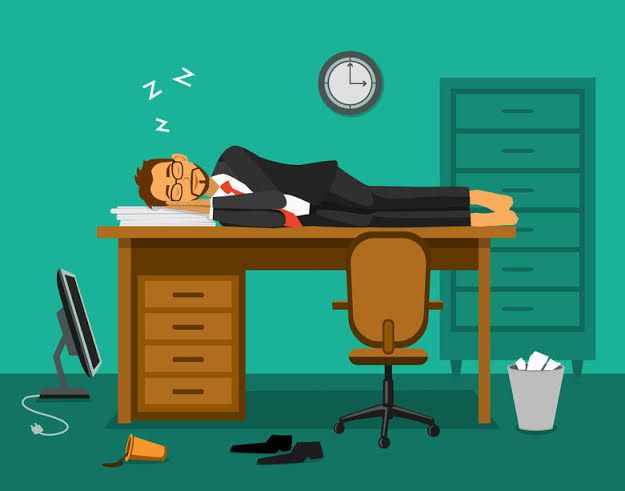
When the delicate timing of our biological clocks breaks down, the resulting irregular sleep wake cycle presents symptoms that are both physically taxing and psychologically exhausting. To understand if you are dealing with a full-fledged irregular sleep wake rhythm disorder, we must look at how these symptoms manifest. Unlike typical sleep deprivation, which is usually resolved by a single long weekend of rest, this disorder leaves individuals trapped in a state of perpetual physiological confusion.
The primary symptom is a lack of a consolidated sleep block. You might fall asleep at midnight, wake up suddenly at 2:30 AM with your heart pounding, remain awake for three hours, and then drift off into shallow sleep right as your alarm sounds. Throughout the day, severe sleepiness attacks you, forcing short naps that only serve to further dissolve your night’s rest. Over time, this chronic pattern produces an irregular sleep schedule that makes social, familial, and professional commitments nearly impossible to manage.
From a biological standpoint, this disruption leaves clear signatures in your body’s biometric data. Let us analyze the primary metrics impacted by an irregular sleep wake rhythm disorder:
Biometric Markers of Circadian Rhythm Disruption
- Suppressed Sleep Stages: When rest is broken into fragments, your brain rarely gets to complete a full 90-to-110-minute sleep cycle. This leads to a severe loss of Deep Sleep (critical for physiological tissue repair and immune function) and REM Sleep (which supports emotional balance and long-term memory).
- Depressed Nighttime HRV: Heart rate variability measures the variation in time between consecutive heartbeats (measured in milliseconds, typically using RMSSD). When your autonomic nervous system is stressed by circadian desynchrony, your HRV levels fall, showing that the body is operating on sympathetic adrenaline even while at rest.
- Erratic Resting Heart Rate (RHR): Usually, your heart rate dips to its lowest point (your “sleeping RHR”) in the middle of your sleep cycle. Under an irregular pattern, your RHR remains elevated throughout the night, meaning your cardiovascular system is working overtime when it should be resting.
By learning to track these metrics over time, you can clearly see when your habits are helping or hurting your sleep. For example, when you notice your sleep stages are severely fragmented on nights you spent looking at a bright phone screen before bed, you begin to understand the critical link between evening habits and biological rhythm. Instead of guessing why you feel exhausted, tracking these trends offers objective, reliable data that points the way forward.
Actionable Steps to Align Your Sleep-Wake Cycle

Reclaiming healthy sleep patterns when dealing with an irregular sleep wake rhythm disorder requires structured, daily habits. It is not about popping a pill or hoping for a quick fix; it is about sending clear, consistent environmental signals to your suprachiasmatic nucleus. By giving your body highly structured cues, you can help reset your internal clock and restore a sense of balance to your days.
First and foremost, you must prioritize morning light exposure. Getting 10 to 15 minutes of direct, unfiltered sunlight within an hour of waking up is one of the most powerful triggers for circadian entrainment. This bright outdoor light suppresses melatonin production and starts an internal timer that helps cue sleepiness later in the evening. In tandem with this morning light, keeping a consistent evening winding-down routine—one free of glowing screens and digital distractions—tells your nervous system it is safe to downregulate.
This is where the transition to screen-free tracking methods becomes incredibly valuable. Traditional smartwatches can be major source of disruption. They are often heavy, require daily charging (which means they are frequently off your wrist when you sleep), and feature bright screens that flash alerts and light up when you roll over, contributing to sleep fragmentation. For those working to restore their circadian cycle, these minor disruptions can prevent the brain from dropping into deeper sleep stages.
By moving to a screen-free biometric ring like the Herz P1 Smart Ring, you eliminate these issues entirely. Constructed from lightweight, medical-grade titanium, it sits comfortably on your finger, tracking sleep cycles, deep and light phases, and nighttime HRV trends without any screen glare or disruptive vibration alerts. Best of all, it has an impressive battery life that requires charging only once a week, and its subscription-free model means you never face hidden fees to access your personalized wellness data.
Ready to Track Your Path to Better Sleep?
Avoid the cognitive overload of flashing screens and noisy app alerts. By measuring deep sleep patterns, sleep latency, and heart rate variability with an ultra-lightweight, subscription-free ring, you gain clear, simple insights into your body’s true recovery state and support your journey toward circadian alignment.
By taking control of your daily sleep cues and monitoring your metrics with a simple, screen-free wearable, you can start tracking the positive changes in your sleep quality. Each morning, you will see your Recovery Score improve as your HRV stabilizes and your deep sleep cycles lengthen. Recovering from an irregular sleep wake rhythm disorder is a journey that requires time and patience, but with the right habits and objective biometric tracking, you can find your way back to deep, restorative rest.
Disclaimer: Results may vary depending on individual physical activity levels, unique health conditions, and daily tracking patterns. The insights and data provided in this article are for informational and trend-tracking purposes only and should not be used to diagnose, treat, or prevent any medical condition. Please consult with a qualified physician for clinical advice regarding sleep disorders or cardiovascular health.
