

What Is a Hypnic Jerk and Why Do You Twitch in Your Sleep?
Have you ever felt yourself drifting off, only to be violently startled awake by a sudden body spasm? This unsettling sensation is known as a hypnic jerk. While these sleep twitches are common, tracking your body’s sleep cycles, recovery metrics, and overall heart rate variability (HRV) with a premium wearable like the Herz P1 Smart Ring can help you decode what your nervous system is trying to tell you.
Take Back Your Sleep.
Take Back Your Life.
- Fall asleep faster & sleep deeper
- Stop waking up in the middle of the night
- Wake up refreshed & full of energy
What You Will Learn in This Article:
- The neurological mechanism behind the hypnic jerk and why your body twitches.
- How physical stress, high caffeine intake, and late-night screen habits provoke these sleep disturbances.
- The link between muscle spasms at bedtime and your autonomic nervous system’s balance.
- Practical, screen-free solutions to calm your mind and improve your restorative sleep trends.
What Is a Hypnic Jerk and Why Does It Happen?
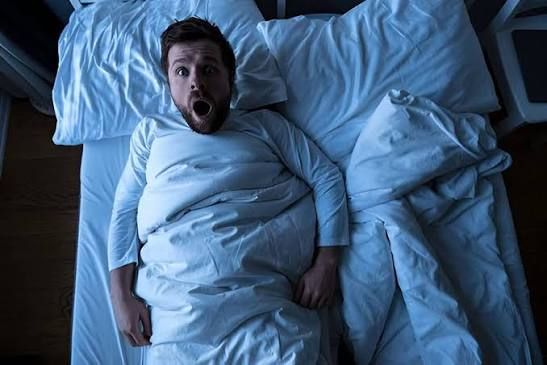
Quick Answer: Yes, experiencing a hypnic jerk is a completely natural physiological phenomenon. The short answer is that a hypnic jerk—often referred to as a hypnagogic jerk—is an abrupt, involuntary muscle contraction that occurs just as you transition from wakefulness into the first stages of light sleep. However, to choose the right lifestyle adjustments and track your recovery accurately, you must understand how stress and nervous system fatigue influence these abrupt nighttime awakenings.
At some point in your life, you have probably experienced that sudden, jarring sensation of falling through empty space, only for your entire body to snap violently awake. This sudden movement is what we call a hypnic jerk. In the scientific community, it is also documented as a hypnagogic jerk or a sleep start. These sudden twitches are classified as a form of myoclonus—a rapid, involuntary muscle spasm similar to hiccups or sudden sneezes.
But why does your body perform these dramatic physical stunts just when you are trying to relax? During the transition into sleep, your body undergoes a profound shift. Your heart rate slows down, your core body temperature drops, and your muscle tone begins to relax deeply. This transition is managed by two competing systems in your brain: the reticular activating system (which controls wakefulness) and the ventrolateral preoptic nucleus (which drives sleep).
When you are physically exhausted or mentally wound up, the boundary between these two states becomes highly unstable. As your muscles rapidly relax, your brain can misinterpret this sudden drop in muscle tension as a physical fall. In a split-second defense mechanism, your motor pathways fire a massive neurological command, causing sudden body jerks when falling asleep to “save” you from the imagined drop. It is a primitive physiological response—a sign of a highly sensitive nervous system responding to rapid changes in physical state.
While an occasional spasm is completely normal, experiencing frequent hypnic jerks or intense twitching in sleep can point to deeper disruptions in your overall recovery cycle. This is where advanced screen-free health tracking becomes invaluable. Rather than relying on guesswork or bulky, distracting smartwatches that flash lights in your eyes at 3 AM, using a sleek, comfortable, and unobtrusive wearable allows you to monitor exactly how your body prepares for rest each night.
Are Your Sleep Twitches Trying to Tell You Something?
An occasional muscle spasm is harmless. However, if you are experiencing frequent, intense twitching while sleeping, it is often your body’s way of shouting that your nervous system is overloaded. By tracking your autonomic nervous system’s daily recovery and stress load, you can pinpoint exactly what triggers these annoying disruptions and start waking up feeling genuinely restored.
When to Pay Attention to Your Sleep Twitches
For most of us, these spasms happen occasionally and require no medical attention. They are simply brief glitches in our internal wiring. However, you should begin paying close attention to these events if they lead to severe sleep onset anxiety, leave you feeling entirely unrefreshed, or cause persistent 3 AM awakenings. If you constantly ask yourself, “why do i twitch in my sleep so frequently?” it is highly beneficial to look at your broader wellness trends, including your sleep stages, HRV, and resting heart rate.
Rather than relying on complex sleep clinic machinery or wearing clunky, plastic smartwatches that disrupt your natural sleep comfort, a growing number of health-conscious individuals are turning to screen-free biometric rings. The Herz P1 Smart Ring provides a sophisticated, lightweight solution. Made of medical-grade titanium and featuring an elegant, screen-free design, it sits comfortably on your finger all night. It translates complex cardiac and neurological algorithms into a simple, daily recovery score, helping you see exactly how factors like stress, caffeine, and evening habits affect your nervous system’s readiness for deep rest.
Understanding the Physiology of Sleep Onset
To fully comprehend why your body twitches, we must look closely at how our brain transitions through the stages of rest. As you lie in bed, your brain waves slow down from rapid beta waves to relaxed alpha waves, and eventually to slow theta waves. This represents Stage 1 of non-REM sleep—the most vulnerable transitional zone.
During this stage, your sensory systems are still partially active, but your motor system is attempting to shut down. If your sympathetic nervous system (your “fight-or-flight” response) is highly active due to a stressful day or a racing mind, this transition is anything but smooth. The chemical messengers in your brain get crossed, resulting in an abrupt motor discharge. The result? A sudden hypnic jerk that can make your arms, legs, or entire torso spasm, often accompanied by a vivid sensory hallucination of falling, slipping, or stumbling.
— Team Mind Body Dan Research Desk
Frequently Asked Questions About Sleep Spasms
Q: Are hypnic jerks a symptom of a serious neurological disease?
A: No. In the vast majority of cases, these twitches are completely benign and are not connected to any underlying neurological disorders. They are simply normal physical signs of transition between states of consciousness.
Q: Can caffeine intake directly cause more twitching while sleeping?
A: Absolutely. Caffeine is a powerful central nervous system stimulant that keeps your brain on high alert. This makes it incredibly difficult for your brain to smoothly inhibit motor control as you fall asleep, directly increasing the frequency of sleep spasms.
Q: How can I track if my sleep twitches are affecting my deep sleep?
A: While a basic step-tracker cannot provide deep biological insights, a high-quality wearable like the unobtrusive smart ring can monitor your sleep stages (REM, deep, and light) and track your daily recovery metrics. This shows you exactly how much restorative deep sleep you are achieving and whether night awakenings are disrupting your overall sleep cycles.
Root Causes: Why Do I Twitch in My Sleep?
Understanding the physiological triggers behind why you experience sudden twitching in sleep is the first step toward reclaiming your physical and mental energy. While your nervous system is incredibly resilient, certain lifestyle factors can easily push it into a hyper-excitable state, making you far more prone to experiencing an intense hypnic jerk at bedtime.
Let’s take a look at the primary triggers that can turn a peaceful slide into slumber into a series of sudden, disruptive muscle starts:
- Chronic Physical and Mental Stress: When you spend your day navigating high-pressure environments, your body continuously pumps out cortisol and adrenaline. Even as you lie down with a racing mind, these stress hormones keep your autonomic nervous system on high alert. This chronic sympathetic dominance prevents your muscles from relaxing smoothly, setting the perfect stage for sudden body jerks when falling asleep.
- Caffeine and Stimulant Consumption: Enjoying a late-afternoon double espresso or pre-workout supplement can keep your central nervous system stimulated long after you crawl into bed. Stimulants artificially block adenosine receptors in your brain, preventing the natural build-up of sleep pressure and causing abrupt misfires in your brain’s motor pathways.
- Severe Sleep Deprivation: It sounds counterintuitive, but the more sleep-deprived you are, the more likely you are to twitch. When your body is starved of rest, your brain attempts to plunge directly into deep, restorative sleep stages too quickly. This erratic transition highly destabilizes your motor control centers, causing sudden spasms.
- Nutritional Deficiencies: Your muscles require essential electrolytes, particularly magnesium and calcium, to contract and relax smoothly. If you are deficient in these key minerals, your peripheral nerves can become hyperactive, leading to muscle twitching and restless, non-restorative sleep.
Many people find themselves trapped in a frustrating cycle: they feel exhausted during the day, yet when they finally lie down, a racing mind and sudden sleep twitches keep them wide awake. This can lead to a state of sleep anxiety where you actually dread going to bed, fearing the next sudden jolt of adrenaline. Breaking this pattern requires clear, objective data on how your body is recovering on a daily basis.
While standard smartwatches can be helpful, many people find them uncomfortable to wear to bed. They are often bulky, require daily charging, and their glowing screens can illuminate the bedroom every time you move, further disrupting your rest. This is why a lightweight, subscription-free sleep tracker is a game-changer for sleep optimization. It allows you to collect highly accurate, continuous data without adding unnecessary screens or distractions to your nightly environment.
Uncover the Hidden Patterns of Your Recovery
Are late-afternoon coffees or work stress driving down your night-time recovery? Stop guessing. By tracking your daily recovery trends and overnight biometric signals, you can pinpoint exactly what works for your unique physiology.
The Role of Heart Rate Variability (HRV) in Sleep Spasms
As biometric science experts, we frequently look at Heart Rate Variability (HRV) to assess the state of a user’s autonomic nervous system. HRV is the microscopic variation in time intervals between consecutive heartbeats, measured in milliseconds. A higher HRV generally indicates a resilient, well-recovered autonomic nervous system that easily transitions into a parasympathetic (“rest-and-digest”) state.
Conversely, a consistently low HRV indicates that your body is locked in a state of physical stress or exhaustion. When your nervous system is in this sympathetic-dominant state, your muscle spindles remain highly primed and sensitive. This physiological tension makes the transition to sleep incredibly rough, dramatically increasing both the frequency and physical intensity of each hypnic jerk you experience. Monitoring your overnight HRV trend is one of the most powerful ways to determine if your body is truly resting, or if it is fighting to recover from chronic daily stress.
How to Calm Your Nervous System and Stop Twitching While Sleeping

If you are tired of waking up in a panic or dealing with the persistent brain fog that comes from restless, non-restorative sleep, you can take control of your sleep quality. By implementing a few highly focused, science-backed lifestyle changes, you can soothe your nervous system, minimize the occurrence of hypnic jerks, and significantly improve your sleep quality.
Here are several highly effective, practical steps you can start taking tonight to calm your body and prepare for deep, uninterrupted rest:
- Optimize Your Magnesium Levels: Consider incorporating a high-quality magnesium supplement (such as magnesium glycinate or threonate) into your evening routine. Magnesium acts as a natural calcium channel blocker, helping your muscle fibers relax fully and preventing the neuromuscular excitability that leads to sudden twitching in sleep.
- Establish a Caffeine Curfew: Set a strict cut-off time for all caffeine and stimulants. Ideally, you should avoid coffee, energy drinks, and strong sodas at least 8 to 10 hours before your planned bedtime. This gives your liver ample time to metabolize the stimulants, ensuring your nervous system can smoothly transition into a parasympathetic state when your head hits the pillow.
- Implement a Screen-Free Wind-Down Routine: The blue light emitted by smartphones, tablets, and laptops suppresses the natural production of melatonin, the hormone that signals sleep to your brain. Try replacing late-night scrolling with screen-free relaxation activities like reading a physical book, practicing deep breathing exercises, or taking a warm bath to lower your core body temperature.
- Track Your Biometrics with an Elegant Smart Ring: To truly understand your sleep, you need to track it. While traditional smartwatches can feel heavy and intrusive, utilizing an elegant, screen-free wearable allows you to monitor your monitoring sleep stages and nocturnal heart rate without distracting glowing screens or annoying daily charges.
Why a Screen-Free Smart Ring is the Ultimate Sleep Companion
Many individuals trying to optimize their sleep run into a common operational barrier: typical health trackers are simply too uncomfortable to sleep in. Traditional smartwatches are bulky, easily get caught on bedsheets, and their bright displays can turn on accidentally in the dark, waking both you and your partner. Furthermore, having to charge a device every single day can quickly turn health tracking into a chore.
The Herz P1 Smart Ring was specifically designed to solve these exact frustrations. Crafted from ultra-lightweight, medical-grade titanium, it weighs mere grams and fits so comfortably on your finger that you will quickly forget you are even wearing it. Because it is completely screen-free, there are no artificial lights or vibration alerts to interrupt your sleep or fuel your bedtime anxiety.
Using advanced medical-grade biometric sensors, the Herz P1 tracks your heart rate, sleep stages (light, deep, and REM), and overnight Heart Rate Variability (HRV). It then processes this complex biological data into an intuitive, easy-to-read daily Recovery Score. This allows you to see the direct physical impact of your lifestyle choices, helping you make informed adjustments to reduce hypnic jerks and maximize your body’s restorative potential.
The Power of a Subscription-Free Wellness Model
We understand how frustrating it is to purchase a premium health device, only to find your personal biometric data locked behind a costly monthly paywall. With our premium, subscription-free model, you buy the ring once and own your data forever. You get full access to advanced sleep analysis, daily recovery scores, and activity trends with absolutely no hidden fees or recurring charges.
Empower Your Sleep Journey Today
You don’t have to let sleep starts, restless tossing and turning, or morning exhaustion dictate your quality of life. By making mindful lifestyle changes and tracking your biometric trends with a premium, holistic wellness companion, you can gain deep insights into your physical well-being. It is time to step away from bulky, screen-heavy devices and embrace a simpler, elegant, and highly effective way to reclaim your physical and mental energy.
Disclaimer: Results may vary depending on individual physical activity levels, unique health conditions, and daily tracking patterns. This content is intended for informational and educational purposes only and should not be considered medical advice. Always consult with a qualified healthcare professional before making changes to your supplement routine or if you experience persistent sleep disturbances.
