

Discovering an overnight hrv 14 reading on your wearable can trigger sudden panic, but understanding this vital health signal is the first step toward reclaiming your physical recovery. The Herz P1 Smart Ring provides real-time, 24/7 tracking of your heart rate variability without any restrictive monthly subscription fees. This comprehensive guide will decode what a low reading means, evaluate normal baseline ranges, and give you practical lifestyle habits to safely elevate your overnight resting scores.
Built to Last. Save Up to 69% Today.
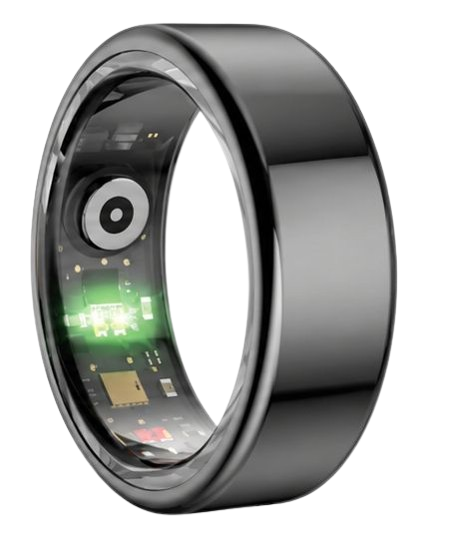
The Herz P1 Smart Ring tracks HRV, Sleep, Heart Rate & SpO2 around the clock. No subscriptions. No renewals. Ever.
In This Article
- Defining HRV of 14: Is it a sign of danger or a normal variation?
- Autonomic Nervous System Science: How Sympathetic and Parasympathetic branches dictate your scores.
- Physiological Triggers: Identifying the exact factors that drop your recovery scores.
- Actionable Solutions: Scientific protocols to safely raise your HRV trends over time.
- Smart Ring Precision: Tracking overnight metrics with comfort and accurate optical sensors.
Is an HRV of 14 Normal or Too Low for Rest? Here’s What the Research Says
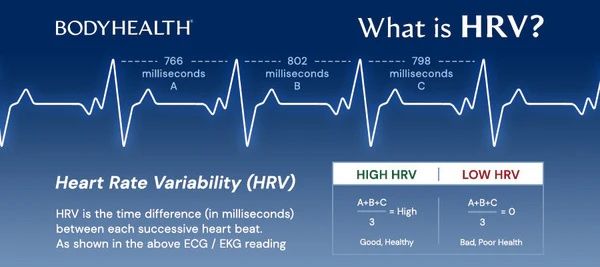
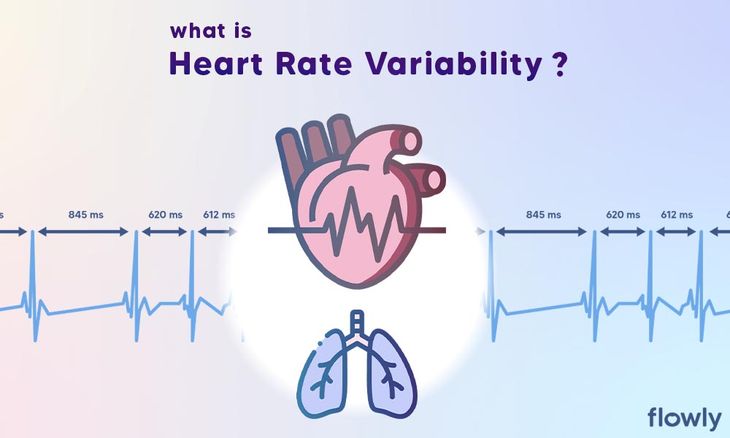
Your heart is not a mechanical metronome that beats at perfectly fixed intervals.
Heart rate variability, commonly measured in milliseconds, quantifies the tiny, healthy differences in time between consecutive heartbeats.
When you are asleep, a higher variability typically indicates a highly responsive autonomic nervous system that adapts easily to environmental stressors.
An overnight hrv 14 score is statistically considered low for the majority of healthy adults.
According to clinical data compiled by the American Heart Association, average resting values for adults between ages 20 and 60 generally span from 20 to 80 milliseconds.
A continuous score of 14 milliseconds during rest points to a state of heightened physiological stress or sympathetic dominance.
This means your flight-or-fight response is highly active when your body should be resting, digesting, and restoring tissues.
However, it is crucial to understand who is looking at this number, as baseline standards decline naturally with age.
A resting score of 14 milliseconds may be closer to a normal baseline range for individuals over the age of 75.
Yet, for a younger adult or a highly active individual, this low level represents a strong warning signal from the autonomic nervous system.
This drop usually occurs when your body is struggling to cope with intense psychological pressure, poor sleep architecture, or physical exhaustion.
This biological metric is calculated overnight using advanced photoplethysmography (PPG) technology embedded in smart wearables.
The sensor illuminates the blood vessels in your finger to detect minute changes in blood volume with every pulse wave.
If you want to track this in real time, the Herz P1 Smart Ring monitors heart rate variability 24/7 — explore it here.
90-Day 100% Money-Back Guarantee
“The Herz Smart Ring helps me manage stress easily. It’s accurate, stylish, and lightweight—perfect for my busy life!”
— Jennifer P. | ✔ Verified Customer
- ✓ 6-Day Battery Life
- ✓ Detailed Sleep Analysis
- ✓ Fast 1-Hour Charging
- ✓ iOS & Android Ready
Questions? Call: 1-866-479-1629
Deconstructing the Science: What Your HRV Score Actually Tells You
To truly grasp heart rate variability, we must explore how the vagus nerve acts as a control highway for the parasympathetic nervous system.
When you take slow, deep breaths, your vagus nerve stimulates the release of acetylcholine to soothe cardiac pacing.
This parasympathetic dominance creates wide, healthy variations between your heartbeats, resulting in a higher overall millisecond score.
If you wake up and discover a resting score of hrv 12, your vagal activity is severely suppressed.
An equally low reading of hrv 13 shows that your cardiac muscles are trapped in a rigid, highly predictable beating pattern.
Moving slightly upward to a value of hrv 15 ms indicates only a minimal increase in parasympathetic tone.
Even reaching a minor high of hrv 16 means your cardiovascular recovery is operating with very limited reserve capacity.
These single-digit and low-teens metrics indicate that the sympathetic nervous system is actively crowding out your body’s self-healing mechanisms.
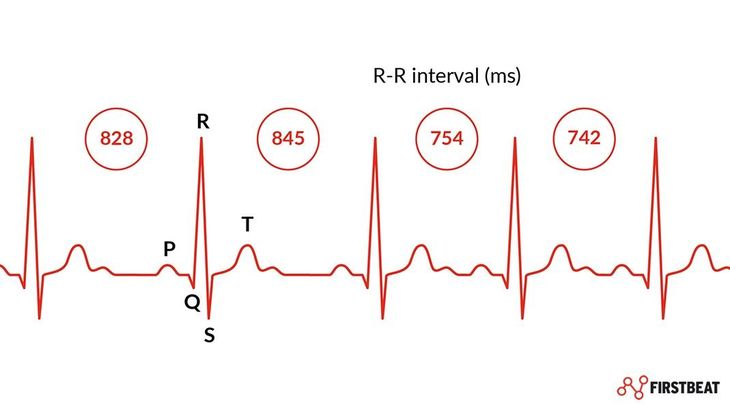
Researchers utilize the Root Mean Square of Successive Differences (RMSSD) calculation to statistically track these rapid, vagally-mediated heartbeat changes.
When your wearable device records a low RMSSD score, it shows that your heart is beating with robotic consistency.
This robotic behavior is not a sign of athletic strength; it is a clear symptom of adaptive fatigue.
The National Sleep Foundation highlights that deep sleep is the prime window for high parasympathetic activity and tissue restoration.
If your nervous system is too busy dealing with residual daytime stressors, it cannot enter this restorative state properly.
By monitoring these nightly trends, you gain a clear window into how your lifestyle choices directly impact your internal nervous system balance.
Why Is My Resting HRV So Low? Root Causes of Decreased Autonomic Regulation
When you are trying to understand what causes hrv to drop, you must examine several physical and mental factors.
First, consuming even modest amounts of alcohol before bed can suppress your parasympathetic activation for several hours.
Your liver must work hard to metabolize ethanol, which elevates your resting heart rate and limits heartbeat variation during your deep sleep cycles.
Second, acute psychological worry triggers your adrenal glands to release cortisol and adrenaline.
These hormones keep your blood vessels constricted and your cardiac pacing fast, making it nearly impossible to exit a low-recovery state.
Third, overtraining without adequate rest days can severely deplete your physical energy reserves.
If you push through intense workouts daily without proper recovery, you will eventually notice a persistent hrv status low alert on your smart tracking dashboard.
Fourth, poor sleep habits and underlying health concerns can keep your body in a state of chronic, low-level inflammation.
When you review what lowers hrv, you will find that poor diet, dehydration, and chronic sleep deprivation are key culprits.
Your autonomic nervous system reflects these collective stressors in your daily metric score.
Fortunately, by identifying these triggers, you can take control of your health and make positive, lasting lifestyle adjustments.
How to Fix Your Recovery Metrics: Practical Steps to Elevate Low HRV Overnight
Reversing a low recovery trend requires a consistent, scientifically validated approach to daily self-care.
If you are looking for guidance on how to fix low hrv, you must start by prioritizing your evening wind-down routine.
Avoid heavy meals within three hours of bedtime to prevent your digestive system from competing with your body’s natural recovery processes.
Incorporate slow, resonant breathing exercises for ten minutes before sleep to help stimulate your vagus nerve.
This controlled breathing technique balances your autonomic nervous system, helping you transition smoothly from sympathetic action to parasympathetic rest.
Make sure to keep your sleeping environment cool, dark, and quiet to prevent micro-arousals from disrupting your deep sleep cycles.
The table below outlines how various heart rate variability ranges relate to physical recovery and lists clear actions you can take to improve your scores.
| HRV Range (ms) | Nervous System State | Recommended Action Plan |
|---|---|---|
| Under 20 (e.g., HRV 14) | Severe Sympathetic Overdrive | Prioritize passive recovery, light walking, deep breathing, and early sleep. |
| 20 to 50 | Moderate Stress / Recovery Zone | Engage in steady-state zone 2 aerobic exercise, hydrate well, and limit stimulants. |
| Above 50 | Healthy Parasympathetic Dominance | Nervous system is highly resilient; well-conditioned to handle intense workouts and cognitive load. |
Using the Herz P1 companion app, you can easily track these changes over days, weeks, and months.
Rather than stressing over a single night’s low score, focus on raising your rolling weekly average through consistent, healthy habits.
The Pitfalls of Wearable Metrics: Avoiding Charging Gaps and Bulky Tracker Sleep Disruption
Many health-conscious people try to track their sleep patterns using large, heavy smartwatches that require daily charging.
Unfortunately, wearing a bulky device to bed can actually disturb your sleep, which can artificially lower your overnight recovery scores.
If your tracker’s battery dies in the middle of the night, you will also end up with frustrating gaps in your physiological data.
Furthermore, many premium smart rings on the market charge high monthly subscription fees just to let you view your own biometric trends.
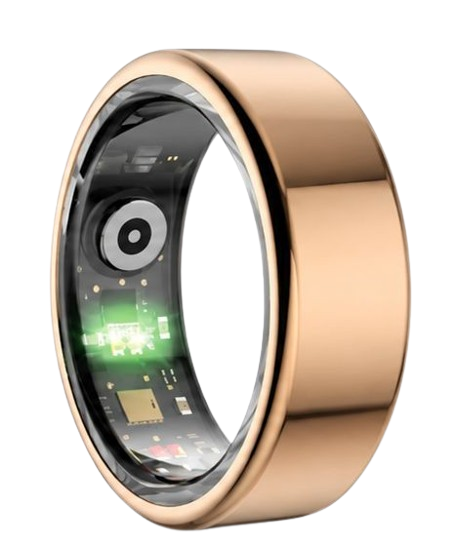
The Herz P1 Smart Ring addresses all of these pain points with its sleek, ultra-lightweight design and zero-fee business model.
Crafted from military-grade steel, it fits comfortably on your finger, allowing you to rest peacefully without any bulky distractions.
With an impressive six-day battery life, you can collect uninterrupted biometric data throughout the week without worrying about daily charging.
Best of all, the Herz P1 app is entirely free for life, ensuring you never have to pay ongoing fees to access your health insights.
Frequently Asked Questions About Herz P1 and HRV Monitoring
Is the Herz P1 Smart Ring waterproof?
Yes, the Herz P1 Smart Ring has a certified IP68 waterproof rating, allowing it to withstand water depths up to 164 feet.
You can confidently wear your ring while swimming, showering, washing your hands, or washing dishes without worry.
How long does the battery last on a single charge?
The advanced lithium battery inside the Herz P1 lasts up to six days under normal continuous tracking conditions.
When it is time to recharge, the ring reaches a full charge in less than an hour using the included magnetic charging cradle.
Which finger is best to wear the Herz P1 smart ring on?
For the most accurate biometric readings, we recommend wearing the ring on your index, middle, or ring finger.
These fingers have a rich network of surface blood vessels, which helps the optical PPG sensors collect highly accurate pulse data.
Does the Herz P1 store my health data offline?
Yes, the ring features secure onboard memory that can store up to seven days of biometric data offline.
Your collected data will automatically sync with the companion app the next time your ring connects to your smartphone via Bluetooth.
Conclusion
Elevating a low overnight recovery score requires understanding your body’s signals and making consistent, positive lifestyle choices.
The subscription-free Herz P1 Smart Ring is a reliable, lightweight wellness companion designed to support you every step of the way.
Ready to monitor your health every day? Explore the Herz P1 Smart Ring and see if it fits your lifestyle. Call: 1-866-479-1629 — our team can help you advise on the correct ring size and set personalized health goals.
