

How to Prepare for a Sleep Study Step by Step for Restorative Sleep Insights
Waking up at 3 AM with a racing mind and lingering brain fog can leave you feeling completely exhausted without knowing why. While scheduling an overnight clinical evaluation is a vital step, knowing how to prepare for a sleep study ensures accurate results. Let’s explore how to optimize your test and use daily, screen-free tracking like the subscription-free Herz P1 Smart Ring to reclaim your daily recovery.
Take Back Your Sleep.
Take Back Your Life.
- Fall asleep faster & sleep deeper
- Stop waking up in the middle of the night
- Wake up refreshed & full of energy
Article Highlights
- Discover how to prepare for a sleep study to capture clean, accurate biometric data during your night in the lab.
- Step-by-step guidance on schedules, hair preparation, dietary adjustments, and medication management.
- How to avoid common pitfalls like afternoon naps, alcohol consumption, and confusing diagnostic protocols.
- The vital connection between clinical studies and long-term, screen-free tracking using smart wearables.
Demystifying the Sleep Lab Experience

Prerequisites: Understanding Clinical Polysomnography
For those struggling with non-restorative sleep, brain fog, or persistent 3 AM awakenings, a clinical sleep study—formally known as polysomnography—is a gold-standard evaluation tool. Our team at Mind Body Dan understands that the prospect of sleeping in an unfamiliar laboratory while attached to dozens of sensors can feel intimidating. Preparing for a sleep study properly is the most effective way to lower your anxiety, ensure sensor adhesion, and help sleep technicians collect clean, data-informed metrics of your sleep architecture.
Before you pack your bags, it is essential to realize that a clinical study is not a test you can “pass” or “fail.” Instead, it is a detailed observation of your physiological signals, designed to monitor your brain waves, breathing patterns, blood oxygen levels, and muscle movements. The goal of learning how to prepare for a sleep study is to ensure your evening in the lab mimics your typical home environment as closely as possible, preventing anomalies that could muddy your trends.
Step-by-Step Execution Guide: Your Prep Timeline
To ensure a seamless, stress-free clinical evaluation, we have designed a step-by-step prep manual that starts weeks before your appointment and runs right up to your arrival at the clinic.
Phase 1: Two Weeks Before the Study
Maintaining consistency is paramount when preparing for a sleep study. Keep your sleep schedule as regular as possible. This is not the time to pull all-nighters or drastically shift your sleep windows. If you keep a handwritten sleep log, continue updating it daily so your clinical team can compare your laboratory metrics against your typical home patterns.
Phase 2: One Week Out (Medication Review)
Many common prescriptions, over-the-counter allergy medications, and sleep aids can drastically alter your sleep architecture—often suppressing critical stages like REM or Deep sleep. Gather a complete list of your current supplements and medications. Consult your physician for specific clinical preparation tips regarding whether you should temporarily pause or adjust any dosages before your study.
Phase 3: The Day of the Sleep Study
The day of your test requires close attention to detail. Follow these daily adjustments to guarantee a smooth experience:
- Skip the Naps: Even a brief 20-minute nap can reduce your sleep pressure, making it incredibly difficult to fall asleep once the sensors are attached.
- Avoid Caffeine After Noon: Keep your morning coffee, but cut off all stimulants, teas, and chocolates after 12:00 PM. Stimulants artificially elevate your heart rate and disrupt sleep latency.
- Wash Your Hair (Crucial): Shower and wash your hair thoroughly using a basic shampoo. Do not apply hair conditioners, gels, oils, sprays, or heavy body lotions afterward. These products leave a residue that interferes with the conductive paste used to attach the EEG electrodes to your scalp.
- Keep Meals Balanced: Eat a normal, satisfying dinner, but avoid heavy, highly acidic, or spicy foods that could trigger indigestion or heartburn when you lie down.
Common Pitfalls & Mistakes to Avoid
When studying how to prepare for a sleep study, learning what not to do is just as important as knowing what to do. Many patients make simple errors that can skew their results or make the night unnecessarily uncomfortable. Be sure to avoid these sleep hygiene mistakes:
- Using Alcohol to Relax: Do not consume alcohol on the night of your study. While alcohol might help you fall asleep initially, it acts as a central nervous system depressant that severely fragments sleep architecture, suppresses REM sleep, and artificially worsens breathing issues.
- Arriving with Complex Hairstyles: Avoid weaves, hair extensions, or intricate braids if possible, as the technician needs direct access to your scalp at specific geographic locations to measure brain wave activity (EEG).
- Forgetting Comfort Items: The lab provides basic pillows and blankets, but they can feel sterile. Bring your own pillow, a favorite book (to avoid looking at your phone), and loose, comfortable two-piece pajamas. Avoid one-piece sleepwear, as the technician needs access to your legs and chest for sensor placement.
Your Quick Checklist for Study Night
- ✔ Pajamas: Comfortable, two-piece style (mandatory for wire routing).
- ✔ Hygiene: Freshly washed hair with no sprays, gels, or conditioners.
- ✔ Personal Care: Toothbrush, toothpaste, and any approved evening medications.
- ✔ Comfort: Your personal pillow or a book to read during down periods.
- ✔ Devices: Keep your phone away or turned off once in bed to support a screen-free environment.
In conclusion, while a clinical sleep study might seem complex, proper preparation turns it into an organized, stress-free evening of self-discovery. By avoiding stimulants, packing thoughtfully, and ensuring your hair is clean, you set yourself up for a highly successful evaluation. Please print this printable study checklist to keep your preparation on track as your appointment approaches.
Mastering the Sleep Study Schedule and Timeline
Understanding the Nighttime Flow
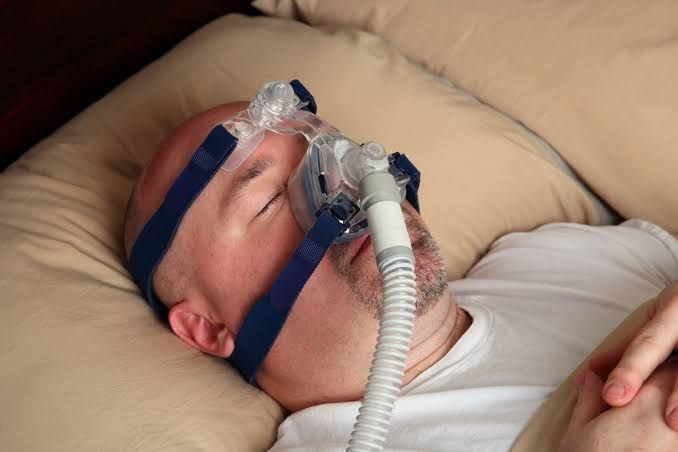
A typical clinical overnight clinical schedule follows a structured sequence designed to maximize your comfort while ensuring robust data capture. While preparing for a sleep study, knowing this timeline can dramatically reduce “first-night effect”—the natural tendency to sleep poorly in a new environment.
Most clinics ask you to arrive between 7:00 PM and 8:30 PM. Upon arrival, you will meet your dedicated sleep technologist, fill out final intake forms, and get acclimated to your private room. Many patients are pleasantly surprised to find that modern sleep labs resemble comfortable hotel rooms, complete with standard beds, a television, and temperature controls.
Around 9:00 PM, the hookup process begins. This process takes about 40 to 60 minutes. The technician will carefully apply conductive paste and tape to secure sensors at specific points on your body. Understanding the metrics tracked during this time reveals how comprehensive the study is:
- EEG Electrodes (Scalp): Record brain waves to track transitions between Light, Deep, and REM sleep stages.
- EOG Sensors (Temples): Track rapid eye movements, which are indicative of active dreaming and REM sleep.
- EMG Sensors (Chin and Legs): Monitor muscle tone and detect periodic limb movements or teeth grinding.
- ECG/EKG Patches (Chest): Track your real-time heart rate and rhythm trends.
- Nasal Cannula & Airflow Sensors: Measure the consistency of your breathing and detect shallow breathing or respiratory pauses.
- Pulse Oximeter (Finger): Monitors blood oxygen levels to ensure your heart and brain receive consistent oxygen throughout the night.
Bedtime is usually scheduled between 10:00 PM and 11:00 PM. Once the sensors are fully tested, the lights are turned off, and you are encouraged to sleep naturally. If you need to use the restroom during the night, you simply speak aloud; the technician, who monitors you from a nearby control room, will come in to quickly disconnect your main cable harness, allowing you to move freely.
The study typically concludes around 5:30 AM to 6:00 AM. The technician will gently wake you, remove all sensors, and provide warm water or a damp cloth to clean the paste from your hair. You are then free to head home or get ready for work, having successfully navigated your clinical sleep study schedule.
From Lab Insights to Everyday Tracking: Reclaiming Your Recovery
Bridging the Gap Between One-Night Labs and Continuous Trends
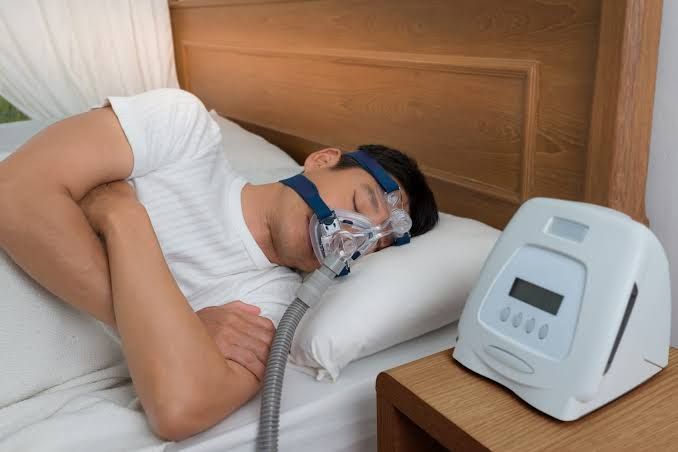
A clinical sleep study offers an incredibly detailed, high-definition snapshot of your body’s physiology. However, a single night in a lab cannot capture how your daily habits, stress levels, and recovery patterns change over weeks, months, or seasons. To truly reclaim your sleep health, you need a way to track your long-term biometric trends in your own bed, night after night.
Historically, this meant wearing bulky smartwatches that buzzed with text notifications, featured bright, sleep-disrupting screens, and required daily charging. This operational hassle often added to the racing mind that keeps you awake at 3 AM. This is where modern, screen-free wearable technology changes the game.
The Screen-Free Revolution in Sleep Tracking
By moving biometric tracking from a bulky, glowing wrist device to an elegant, featherlight titanium ring, you can monitor your sleep stages and heart rate variability naturally—without any screens, vibration alerts, or ongoing monthly subscription fees.
By using a dedicated biometric tracking guide, you can learn to interpret your own recovery metrics. When you transition from your clinical sleep study back to daily life, monitoring your sleep architecture through a wearable ring helps you see if your sleep stages are aligning with optimal recovery windows:
- Deep Sleep: The physical recovery stage. Deep sleep supports tissue repair, cellular regeneration, and immune function. A smart ring can track your deep sleep trends over time, helping you see if lifestyle factors like late-night meals or evening workouts are suppressing this vital phase.
- REM Sleep: The mental recovery stage. REM sleep is responsible for memory consolidation, learning, and emotional processing. If you wake up with brain fog, a drop in REM sleep percentages is often the silent culprit.
- Heart Rate Variability (HRV): This metric measures the variation in time between consecutive heartbeats. It is controlled by your autonomic nervous system. A high night-time HRV indicates that your body is in a relaxed, parasympathetic state, leading to a strong daily Recovery Score. A low night-time HRV suggests that your body is fighting off physical stress, overtraining, or mental fatigue.
The beauty of a modern wearable like the **Herz P1 Smart Ring** lies in its ability to translate these complex clinical biometric algorithms into simple, actionable daily insights. Instead of overwhelming you with hard-to-read graphs, it calculates an intuitive daily Recovery Score. This simple number tells you exactly how prepared your body is to take on the day, allowing you to tailor your activities and training windows accordingly.
While a home smart ring is not a replacement for medical-grade clinical diagnostics—which are necessary to pinpoint conditions like obstructive sleep apnea—it acts as an exceptional companion to your wellness journey. It allows you to monitor trends, test the effectiveness of your sleep hygiene changes, and build a highly personalized, long-term recovery strategy. Once you master how to prepare for a sleep study and combine those insights with consistent daily tracking, you can truly take control of your nights and wake up feeling restored, energized, and ready to thrive.
Disclaimer: Results may vary depending on individual physical activity levels, unique health conditions, and daily tracking patterns. Wearable technology devices are intended to provide tracking, trends, and lifestyle insights, and are not designed or certified to diagnose, monitor, or treat medical conditions. Always seek the advice of your physician or qualified health provider with any questions you may have regarding a medical condition or sleep disorder.
