

How to Get Used to Your CPAP Machine Easily
Adjusting to sleep therapy can feel overwhelming when a racing mind and uncomfortable mask leave you staring at the ceiling at 3 AM. While learning how to get used to cpap takes time, tracking biometric shifts with a screen-free tool like the Herz P1 Smart Ring provides the exact data you need to simplify your recovery.
Take Back Your Sleep.
Take Back Your Life.
- Fall asleep faster & sleep deeper
- Stop waking up in the middle of the night
- Wake up refreshed & full of energy
Key Highlights:
- Empathetic Roadmap: Discover why learning how to get used to cpap is a gradual process and how to overcome initial sensory barriers.
- Daytime Conditioning: Master the art of acclimating to mask pressure while fully awake before attempting a full night’s sleep.
- Objective Biometrics: Understand how monitoring sleep stages (REM, Deep, Light) and Heart Rate Variability (HRV) acts as concrete proof of your acclimation progress.
- Comfort Optimization: Learn practical adjustments for humidity, mask tension, and hose management to eliminate physical irritation.
In This Comprehensive Guide:
Understanding CPAP Acclimation: The Journey to Better Sleep
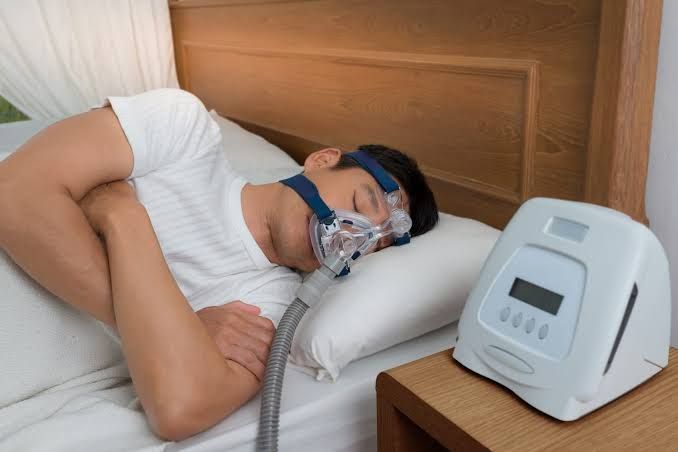
If you are trying to understand how to get used to cpap, you are not alone. The process of getting used to cpap can feel highly invasive at first. Lying in the dark at 3 AM with a racing mind, listening to the rhythmic hum of a machine while feeling a plastic seal pressed against your face, can trigger immediate frustration. This mental and physical friction often results in non-restorative sleep, leaving you with brain fog the following morning.
We want to assure you that this initial struggle is entirely normal. Your body is biologically wired to view any foreign object on your face as a potential restriction. Overcoming this natural defense mechanism requires patience, empathy, and a systematic approach to retraining your nervous system.
Prerequisites: What to Prepare Before Your First Night
Before diving into the mechanics of how to get used to cpap, it is crucial to establish the right environment and equipment settings. Ensuring that your physical setup is optimized from day one will prevent unnecessary discomfort and keep you from wanting to abandon the therapy altogether.
- Select the Right Mask Style: Work closely with your sleep specialist to choose between a full-face mask, nasal mask, or nasal pillows. Your preferred sleeping position (back, side, or stomach) should dictate this choice.
- Ensure Correct Mask Sizing: A mask that is too tight causes painful pressure points, while one that is too loose leads to leaks that dry out your eyes. Use the sizing templates provided by the manufacturer.
- Optimize Room Humidity: Dry air moving through the machine can irritate your airway. Ensure your machine’s water chamber is filled with distilled water, and adjust the climate control settings to a comfortable level.
- Set Realistic Expectations: Understand that complete acclimation doesn’t happen overnight. It is a series of small, physiological milestones.
Step-by-Step Execution Guide
Here is our step-by-step guide on how to get used to cpap easily, designed by our team to ease your nervous system into accepting the therapy without triggering anxiety.
Step 1: Daytime Desensitization. Do not wait until you are exhausted at bedtime to put your mask on for the first time. Instead, practice wearing the mask during the day while fully awake. Wear it for 10 to 15 minutes while reading a book, watching television, or checking emails. This teaches your brain that the mask is safe, which is a foundational milestone in learning how to get used to cpap.
Step 2: Turn on the Machine with the “Ramp” Feature. Once you are comfortable wearing the mask while awake, connect it to the tubing and turn the air pressure on. Most modern machines feature a “Ramp” setting, which starts the air at a very low, barely noticeable pressure and gradually increases it over 20 to 45 minutes as you drift off to sleep. This feature is an invaluable asset when mastering how to get used to cpap.
Step 3: Track and Monitor Your Biological Markers. To understand if your body is truly resting under this new therapy, you need objective data. This is where a lightweight, screen-free tracker like the Herz P1 Smart Ring becomes an essential companion. Traditional smartwatches can be bulky, uncomfortable to wear to bed, and have glowing screens that disrupt your sleep when you turn over. The Herz P1 is made of medical-grade titanium, is ultra-lightweight, and tracks your sleep stages (REM, Deep, Light) along with Heart Rate Variability (HRV) and daily activity to output a simple, actionable daily Recovery Score—all without any hidden subscription fees.
— Team Mind Body Dan Wellness Researchers
Common Pitfalls & Mistakes to Avoid
During the initial weeks of therapy, it is easy to make mistakes that derail your progress. Avoiding these major pitfalls will drastically decrease how long to get used to cpap:
- Pulling the Mask Off Mid-Night: Many beginners wake up at 2 AM and unconsciously pull the mask off. If you wake up feeling frustrated, do not force yourself to keep it on for the rest of the night. Gently remove it, but make sure to try again the next evening. Consistent exposure is key.
- Over-Tightening the Straps: A common reaction to minor air leaks is to pull the headgear straps as tight as possible. This is a major roadblock when figuring out how to get used to cpap, as it leads to skin sores and nasal bridge bruising.
- Fearing the Air Pressure: Many people feel like they cannot exhale against the incoming air. Modern machines have an “Expiratory Pressure Relief” (EPR) setting that drops the pressure slightly when you breathe out, making the process feel completely natural.
Your Daily Checklist on How to Get Used to CPAP:
- Did I wear my mask for 15 minutes during the afternoon while awake?
- Is the distilled water in my humidifier chamber clean and filled to the line?
- Did I activate the “Ramp” setting before turning off the bedside light?
- Am I monitoring my sleep trends with a screen-free tracker to confirm my body is adapting?
By breaking the acclimation process down into daytime practice, gentle nighttime ramp-ups, and objective biometric tracking, you turn what feels like an obstacle into an empowering health routine. As your airway remains open throughout the night, your oxygen levels stabilize, allowing you to gradually reclaim your physical and mental energy.
Overcoming Common CPAP Obstacles and Side Effects
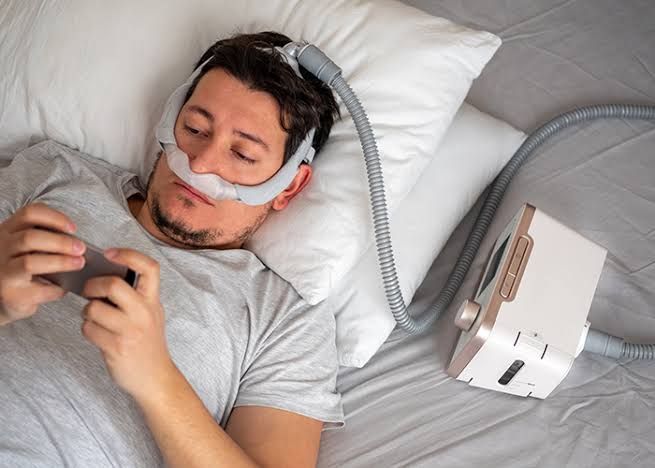
When researching how to get used to cpap, most people quickly discover that physical side effects are their greatest challenge. The process of troubleshooting mask seal leaks and addressing facial marks is a normal phase of the adaptation process. Identifying these hurdles early ensures you can address them before they compromise your sleep quality.
Many users find themselves waking up with red marks on their nose, dry mouths, or feeling bloated from accidentally swallowing air. These issues are highly common but easily manageable when you apply the right adjustments and keep your stress levels low.
Dealing with Mask Discomfort and Leaks
Integrating practical cpap acclimation tips into your routine can greatly reduce the physical friction of getting used to cpap. A major reason people struggle is that the mask shifts when they transition to side sleeping, causing the seal to rupture and blow air into their eyes.
To fix this, adjust your straps while lying down in your actual sleeping position, rather than sitting up. When you lie down, your facial muscles shift, altering how the mask sits. Additionally, you may want to invest in a specialized CPAP pillow that has cutouts on the sides, which prevents your bed pillow from pushing the mask out of place.
Managing Nasal Dryness and Air Pressure Issues
A dry nose or throat is another common obstacle that affects how long to get used to cpap for many beginners. If the air feels too cold or dry, it can cause nasal congestion, which counterintuitively makes breathing through the mask more difficult.
Understanding how to get used to cpap means recognizing that your comfort settings need customization. Here are several highly effective strategies for managing these side effects:
- Adjust Your Heated Tubing: If your machine has a heated hose, increase the temperature setting to warm the air, which helps retain moisture and prevents “rainout” (condensation forming inside the tube).
- Use Nasal Saline Spray: A simple saline spray before bed can keep your nasal passages moisturized, making the constant airflow feel far gentler.
- Enable Heated Humidification: Do not hesitate to raise your humidifier level. If your nose feels irritated, your current humidity level is likely set too low. Adjusting CPAP humidity settings can instantly make breathing feel more natural.
Quick Comfort Check:
If you are struggling with air pressure or skin irritation, remember these key adjustments:
- Always wash your face before putting on the mask to prevent slipping and oil buildup.
- Set your humidifier to a moderate level (usually 3 or 4) to protect your nasal passages from drying out.
- Use a hose hanger to keep the tubing from pulling on your mask when you turn over.
Measuring Your Progress: How Biometrics Validate Your Journey
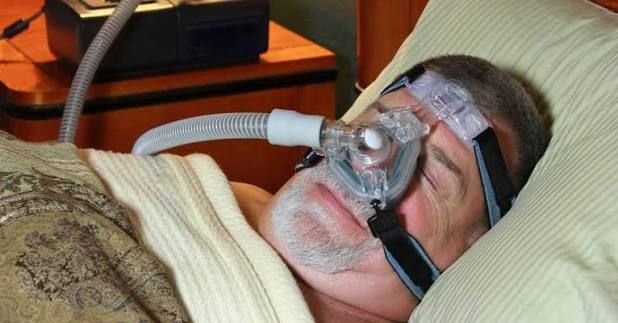
As we study how to get used to cpap, we quickly realize that subjective feelings do not always tell the whole story. You might wake up feeling slightly tired during your first week of therapy and assume the machine isn’t working. However, analyzing your physiological trends can reveal a completely different reality.
Your cardiovascular system and nervous system respond to therapy long before your conscious mind registers the shift. Tracking these changes provides the reassurance and motivation needed to stick with your therapy over the long term.
Why Sleep Stages (REM, Deep, Light) Matter During Acclimation
An increase in deep and REM sleep is the ultimate validation of how to get used to cpap successfully. When you experience breathing interruptions, your brain constantly jolts you out of deep and REM sleep into light sleep, preventing your body from physically and mentally restoring itself.
By using a screen-free biometric tracker like the Herz P1 Smart Ring, you can perform a thorough analysis of your sleep stages. You will likely see that even if you only managed to wear the mask for four hours, your deep sleep duration within those four hours was significantly higher and more stable than during an entire night of unassisted sleep. Seeing this clear progress in black and white provides a powerful psychological boost.
Tracking Heart Rate Variability (HRV) and Daily Recovery
When evaluating how to get used to cpap, your cardiovascular recovery is an incredibly telling metric. Heart Rate Variability (HRV) measures the variation in time between consecutive heartbeats, serving as a direct reflection of your autonomic nervous system’s health. A low HRV indicates your body is in a state of chronic stress, while a high HRV shows high resilience and physical recovery.
This is why tracking your progress goes hand-in-hand with heart rate variability tracking. As your breathing stabilizes, your sympathetic nervous system (“fight or flight”) calms down, allowing your parasympathetic nervous system (“rest and digest”) to take over. You will see your night HRV trends rise, which the Herz P1 Smart Ring translates into an intuitive daily Recovery Score. This simple, easy-to-read metric completely removes the stress of trying to decipher complex medical charts.
Empower Your Sleep Journey with Screen-Free Clarity
Instead of checking your phone or a bright smartwatch during 3 AM awakenings—which only wakes up your brain further—monitor your physiological recovery elegantly and discreetly with a subscription-free titanium smart ring.
One of the most frequent questions we receive is how long to get used to cpap. The reality is that the acclimation timeline varies based on your unique anatomy and nervous system. On average, most individuals begin feeling comfortable with their device within two to four weeks. While considering how long to get used to cpap, focus on your biometric trends rather than a strict timeline. Even marginal gains in your daily Recovery Score are a sign that your body is moving in the right direction.
By using the right tools and utilizing these proven cpap acclimation tips, you can safely monitor your progress without the burden of recurring monthly subscription fees. Reclaiming your deep, restorative sleep is a gradual journey, and tracking your metrics screen-free is the ultimate way to stay focused on your health goals.
Disclaimer: Results may vary depending on individual physical activity levels, unique health conditions, and daily tracking patterns. This content is for informational and educational purposes only and should not be construed as medical advice. Always consult with a qualified physician or sleep specialist regarding any respiratory or cardiovascular conditions before starting sleep therapy or altering your device settings.
