

How Much Do Cats Sleep and Why They Sleep So Much?
Ever wondered how much do cats sleep compared to humans? While felines snooze to conserve evolutionary hunting energy, our own non-restorative sleep often stems from modern stress, blue light, and racing minds. Discover what feline sleep tells us about recovery, and start monitoring your own rest using the screen-free Herz P1 Smart Ring today.
Take Back Your Sleep.
Take Back Your Life.
- Fall asleep faster & sleep deeper
- Stop waking up in the middle of the night
- Wake up refreshed & full of energy
- Why feline predators spend up to 70% of their lives resting.
- The major differences between a cat’s light slow-wave sleep and human restorative deep sleep.
- How to recognize abnormal changes in your cat’s sleeping patterns.
- How to track your own sleep metrics, resting heart rate, and Heart Rate Variability (HRV) using elegant, screen-free technology.
Feline Sleep Biology vs. Our Human Rest
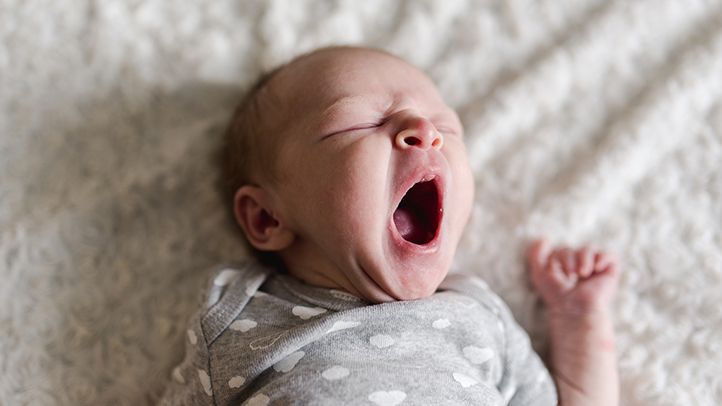
Quick Answer: It depends on the cat’s age, environment, and physical condition. The short answer is that cats sleep an average of 12 to 16 hours every single day, with some older felines and kittens sleeping up to 20 hours. However, to choose the right wellness and recovery habits for yourself, you need to understand how physiological recovery works in both pets and their owners.
For anyone who shares a home with a feline companion, the sheer amount of time they spend resting can be astonishing. It is incredibly common to look over at your cat curled up in a sunny spot and wonder exactly how much do cats sleep. While humans generally struggle to achieve the recommended 7 to 9 hours of restorative rest each night, cats seem to sleep effortlessly through the morning, afternoon, and evening. But why is this the case?
The explanation lies in their evolutionary history. Cats are natural-born predators. In the wild, their ancestors had to hunt, stalk, chase, and capture fast prey. This process requires massive, explosive bursts of adrenaline and physical energy. To prepare for these high-octane bursts of activity, the feline brain developed a hardwired necessity to rest and store metabolic power. When you see your cat napping on the couch, they are literally keeping their battery fully charged for the next “hunt,” even if that hunt is just chasing a toy mouse across your living room.
How Age Impacts Feline Sleep Demands
To accurately evaluate how many hours do cats sleep, we have to look closely at their life stages. A young kitten’s body is growing at an incredibly rapid rate. The growth hormones required for bone development, muscle growth, and neural connections are primarily released during sleep. This is why newborn kittens will spend up to 90% of their day snoozing. As kittens transition into active teenagers, their sleep needs decrease slightly, though they still sleep far more than humans.
Adult cats typically settle into a routine of sleeping between 12 and 15 hours. However, as they cross into their senior years (around age 11 or 12), their physical energy naturally declines, joint stiffness may set in, and their sleep requirements often rise back up to 18 or 20 hours a day. Understanding these shifting baselines is crucial for any pet owner who wants to monitor their companion’s health and happiness over time.
- Newborn Kittens (0-2 Months): 18 to 22 hours per day. Rest is critical for brain and nervous system growth.
- Adolescent Cats (3-12 Months): 12 to 14 hours per day. Intense bursts of play followed by deep recovery naps.
- Adult Cats (1-10 Years): 12 to 16 hours per day. Conserving metabolic energy for natural instinctual drives.
- Senior Cats (11+ Years): 16 to 20 hours per day. Increased rest to comfort aging joints and muscles.
When to Monitor Changes in Your Pet’s Sleep
How do you know when your cat’s sleeping behavior has crossed from healthy relaxation into a potential health concern? As with humans, any sudden deviation from a normal baseline is a primary indicator that something might be amiss under the surface. If you notice your cat is suddenly sleeping much more than usual, showing lethargy when awake, or refusing food, it could indicate discomfort, infection, or chronic metabolic issues.
Conversely, if a cat suddenly stops sleeping, paces restlessly at night, or vocalizes constantly, they may be experiencing issues like feline hyperthyroidism or cognitive dysfunction. Keeping a close, observational log of your pet’s daily patterns is the best way to safeguard their physical well-being. But what about your own sleep baselines? Just like our pets, humans require structured, consistent sleep phases to recover from the cognitive and physical stressors of daily life.
Unfortunately, modern life makes tracking our own recovery incredibly difficult. Many of us suffer from non-restorative sleep, waking up at 3 AM with our minds racing, or suffering from persistent morning brain fog. If you are looking to bring clarity to your own sleep habits, the solution isn’t to wear a bulky, glowing smartwatch that interrupts your rest with buzzes and screens. Instead, our team highly recommends tracking your sleep phases, Resting Heart Rate (RHR), and Heart Rate Variability (HRV) with a discrete, screen-free biometric tool like the Herz P1 Smart Ring.
Frequently Asked Questions About Cat Sleep
Q: Why does my cat sleep so much during the day?
A: Cats are crepuscular creatures, meaning they are naturally most active during the twilight hours of dawn and dusk. Because their internal biological clocks are primed for low-light hunting, they spend the brightest parts of the day resting and conserving their physical resources.
Q: Do cats actually sleep, or are they just resting?
A: It is a mix of both. About 75% of a cat’s rest is spent in a light, shallow “catnap” state. During this time, they are fully aware of their surroundings and can spring into action instantly. The remaining 25% of their rest is spent in deep, restorative REM and non-REM sleep phases.
Q: Should I be worried if my cat sleeps for 18 hours?
A: Generally, no. If your cat is a senior or a growing kitten, 18 hours of sleep is perfectly normal. However, if an active adult cat suddenly increases their sleep hours without explanation, it is always a good idea to consult your veterinarian to rule out underlying health issues.
Understanding Feline Sleep Cycles: Light Naps to Deep REM

Feline sleep architecture is beautifully complex. To truly understand how long do cats sleep, we must look beyond the total hour count and study the structure of their rest. Just like humans, a cat’s sleep is divided into distinct stages: light slow-wave sleep and deep REM (Rapid Eye Movement) sleep. However, the ratio of these stages is vastly different in felines compared to our own sleep architecture.
During light slow-wave sleep, which accounts for the vast majority of a cat’s sleeping time, their body remains in a state of high readiness. Their muscles retain tension, their ears twitch in response to ambient sounds, and their sense of smell is fully active. This is the physiological equivalent of keeping the car idling; they are resting, but they can accelerate to full speed in a fraction of a second if a predator or an opportunity arises. This incredible evolutionary trait is what kept their wild ancestors safe from danger.
The remaining portion of their cycle is spent in deep REM sleep. During this phase, you might see your cat’s paws twitch, their whiskers flutter, or hear them make soft squeaking noises. This is when dreaming occurs. In humans, REM sleep is crucial for emotional regulation, cognitive consolidation, and memory processing. For cats, REM sleep serves a similar restorative function, allowing their highly active brains to file away memories and experiences from their active waking hours.
For humans, achieving this balance of light, deep, and REM sleep is often a struggle. Many of us suffer from non-restorative sleep, waking up feeling just as exhausted as when our head hit the pillow. We lay awake at night with a racing mind, staring at the ceiling and watching the clock tick past 3 AM, or we wake up in the morning plagued by a thick layer of brain fog that even a double shot of espresso can’t seem to clear. This persistent exhaustion is not just frustrating; it is a clear sign that our internal recovery systems are out of balance.
Often, the very tools we use to try and solve this problem end up making it worse. Standard fitness trackers and smartwatches are designed to monitor sleep, but they come with significant drawbacks. They are bulky, uncomfortable to wear in bed, require frequent charging, and emit bright screen notifications that wake you up in the middle of the night. Furthermore, they often lock your recovery metrics behind expensive, ongoing monthly subscriptions that add financial stress to your biological fatigue.
To truly reclaim your sleep, you need a tracking method that is both highly accurate and completely unobtrusive. Our team recommends a screen-free approach to sleep tracking. By gathering highly accurate biometric data without the distraction of notifications, you can start to understand your personal sleep trends, identify what is interrupting your rest, and make simple, data-informed lifestyle adjustments to support your health.
Applying Feline Recovery Lessons to Human Biometrics

While studying how many hours a day do cats sleep might seem like a simple hobby, it actually highlights a profound biological truth: all mammals require structured, consistent downtime to maintain optimal health. In humans, our cardiovascular system, cognitive function, metabolic balance, and immune health are directly tied to the quality of our recovery. But unlike cats, we cannot simply rely on our instincts to sleep when we are tired; we must actively manage our sleep hygiene and track our biometrics to ensure we are recovering properly.
Two of the most powerful metrics for understanding human recovery are Resting Heart Rate (RHR) and Heart Rate Variability (HRV). HRV, in particular, is a direct window into your autonomic nervous system. It measures the tiny, millisecond variations in time between each consecutive heartbeat. A high HRV indicates that your body is in a state of relaxed readiness, highly adaptable to stress, and fully recovered. A low HRV, on the other hand, is a clear warning sign that your body is stuck in a fight-or-flight sympathetic state, likely due to poor sleep, chronic stress, or overexertion.
By tracking these metrics alongside your daily sleep stages, you can calculate an intuitive, daily Recovery Score. This score acts like a fuel gauge for your body, helping you understand whether you have the energy to tackle a demanding workout and a busy workday, or if you should follow your feline companion’s lead and prioritize a restful day of light recovery.
Why Choose the Herz P1 Smart Ring?
The ultimate solution for screen-free, subscription-free, and incredibly comfortable sleep tracking.
Ultra-lightweight, comfortable, and completely unnoticeable on your finger throughout the night.
Buy your ring once and enjoy full access to all your health metrics and sleep scores forever.
No glowing screens or buzzing notifications to wake you up or stimulate your mind.
Accurately tracks Deep/Light/REM sleep stages, HRV, RHR, and daily activity.
To truly maximize your sleep quality, it helps to build a nightly ritual that prepares both your mind and body for rest. Try keeping a consistent sleep schedule, cooling down your bedroom, and avoiding blue light screens for at least an hour before bed. By combining these healthy habits with a comfortable tracking device, you can start to identify what helps you fall asleep faster and stay asleep longer.
The Herz P1 Smart Ring makes this process incredibly simple. Rather than overwhelming you with complicated graphs and raw numbers, the ring processes your biometric data through intuitive algorithms to deliver a clear, actionable Recovery Score. It is water-resistant, boasts an exceptional battery life of up to 6 days on a single charge, and looks like a piece of high-end jewelry. It is the perfect companion for anyone who wants to take charge of their health without letting technology take over their life.
Whether you are analyzing how much do cats sleep out of sheer curiosity or because you want to improve your own daily habits, the lesson is clear: sleep is the foundation of all physical and mental performance. By honoring your body’s need for deep, restorative recovery, you can reclaim your energy, clear away your brain fog, and show up as the best version of yourself every single day.
Disclaimer: Results may vary depending on individual physical activity levels, unique health conditions, and daily tracking patterns. The Herz P1 Smart Ring is designed to track, monitor, and provide insights into your general sleep trends and wellness metrics. It is not a medical device and should not be used to diagnose, treat, or replace professional medical advice.
