

Good Morning Snore Solution Mouthpiece Review and Results: Can It Reclaim Your Rest?
Waking up exhausted at 3 AM with a racing mind and a dry throat is a frustrating cycle. We analyzed clinical trials on the Good Morning Snore Solution tongue-stabilizing design. Discover how this device, combined with screen-free biometric tracking, can help optimize your deep sleep architecture.
Take Back Your Sleep.
Take Back Your Life.
- Fall asleep faster & sleep deeper
- Stop waking up in the middle of the night
- Wake up refreshed & full of energy
- Innovative Mechanics: Explaining how the tongue-stabilizing approach differs fundamentally from lower-jaw advancement.
- Rigorous Review: Analyzing fit, long-term comfort, materials, and clinical support for this popular mouthpiece.
- Actionable Tracking: Highlighting why passive, screen-free biometric tracking is crucial to measure your airway’s true impact on Sleep Recovery.
- Modern Alternative: Integrating the Herz P1 Smart Ring as an elegant, subscription-free health and sleep companion.
An Honest Breakdown of the Good Morning Snore Solution Mouthpiece

When you are constantly battling fragmented rest, searching for reliable solutions becomes a priority. At Mind Body Dan, our team believes that understanding how physical devices affect your internal sleep architecture is the first step toward reclaiming your daily vitality. In this section, we examine the design, clinical backing, and daily usability of the popular good morning snore solution mouthpiece.
Quick Evaluation Summary
| Evaluation Metric | Rating / Status | Key Takeaway |
|---|---|---|
| Mechanism Type | Tongue Retaining Device (TRD) | Gently suctions the tip of the tongue forward to keep the airway open. |
| Regulatory Status | FDA-cleared | Meets strict safety and materials standards for oral contact. |
| Comfort & Fit | 3.8 / 5.0 | One-size-fits-all, but requires a significant 1-2 week adaptation period. |
| Efficacy Profile | 4.2 / 5.0 | Backed by peer-reviewed studies for tongue-base airway obstruction. |
| Best For | Simple, Non-Jaw-Stressing Rest | Users who want to avoid jaw fatigue caused by standard mouthpieces. |
Product Overview
The good morning snore solution is an innovative, medically cleared mouthpiece engineered to address the physiological root cause of nighttime airway vibrations. Unlike standard mandibular advancement devices (MADs) that force the lower jaw forward, this device utilizes a distinct, bulb-shaped suction mechanism to stabilize the tongue. By maintaining a gentle forward hold on the tongue, it prevents the back of the throat from collapsing, which keeps the upper respiratory passage free and open throughout the night.
Developed by a dental sleep researcher, this fda approved tongue retaining device has gained significant traction worldwide for its simplicity. Because it sits resting between the lips and the front of the teeth, it avoids placing mechanical tension on the temporomandibular joint (TMJ), making it a viable option for those prone to morning jaw discomfort.
- TMJ-Friendly Mechanism: Does not push or pull the lower jaw, preventing common morning TMJ soreness.
- Medical-Grade Materials: Constructed from a high-quality, BPA-free, and resilient dental copolymer.
- Simplified Maintenance: Easy to clean using standard cold water and mild soap or denture cleaning tablets.
- Universal Fit: Requires no complicated boiling, custom dental molds, or complex adjustment screws.
Real-World Experience
Using the good morning snore solution is straightforward but requires dedication. During the initial nights, placing your tongue into the bulb and squeezing to create a gentle vacuum seal feels quite unusual. Our team observed that most users experience moderate salivation and mild tongue tenderness during the first three to seven days. This is a normal physical response as the tongue muscles adapt to being gently stretched forward for several consecutive hours.
Over a period of two weeks, however, the nervous system adapts. Once the ideal level of suction is found—enough to hold the tongue securely without causing discomfort—the mouthpiece stays comfortably in place. Many users report waking up with a significantly clearer airway, a reduction in dry mouth, and a more refreshed morning feeling compared to when their airway was partially obstructed.
The Pros & Cons
Pros:
- Highly effective for tongue-base snorers who experience airway narrowing when the tongue relaxes backward.
- Lightweight, minimal footprint, and does not require custom fitting or a dental visit.
- Minimizes the risk of tooth shifting or long-term bite changes associated with mandibular advancement.
- The good morning snore solution has a strong safety profile backed by clinical trials and regulatory clearances.
Cons:
- Can cause initial tongue soreness, redness, or excess drooling during the adaptation phase.
- Requires open nasal passages; if you suffer from severe nasal congestion or a deviated septum, breathing solely through your mouth is impossible while wearing this device.
- May occasionally slip out of place in the middle of the night if the initial suction is too loose.
A Balanced Comparison
When evaluating different snore solvers, users typically choose between Mandibular Advancement Devices (MADs) and Tongue Retaining Devices (TRDs). MADs work well but can cause jaw stiffness, tooth pain, and lasting changes in your bite over years of use. Conversely, TRDs like the good morning snore solution keep the jaw in its natural, relaxed position, relying entirely on the tongue-holding mechanism. This makes it an ideal option for those who already suffer from clenching, grinding, or TMJ pain.
But how do you verify that your chosen snore solver is actually improving your rest? Many people try devices without tracking their sleep metrics, which can lead to a false sense of security. Using an advanced, screen-free wearable like the **Herz P1 Smart Ring** allows you to monitor your Sleep Stages (REM, Deep, Light) and Heart Rate Variability (HRV) to confirm that your body is getting deep, restorative sleep. The Herz P1 is a premium, subscription-free, titanium ring that tracks your biometric data overnight without the bulk or distractions of a traditional smartwatch.
Target Audience
The good morning snore solution is highly recommended for:
- Back sleepers whose tongue naturally slips back and blocks their airway.
- Individuals with mild to moderate snoring issues who want a non-invasive, drug-free remedy.
- People who cannot tolerate MADs due to TMJ pain, dental crowns, or sensitive teeth.
- Travelers looking for a quiet, compact, and electricity-free alternative to bulky machines.
Verdict on the Mouthpiece
Based on extensive feedback, clinical studies, and product design, the good morning snore solution is a top-tier choice among non-invasive mouthpieces. While it does require some persistence during the first week, its TMJ-friendly design and proven tongue-retaining mechanism make it one of the safest and most effective options on the market.
How Tongue Retaining Devices Compare to Other Snore Solvers
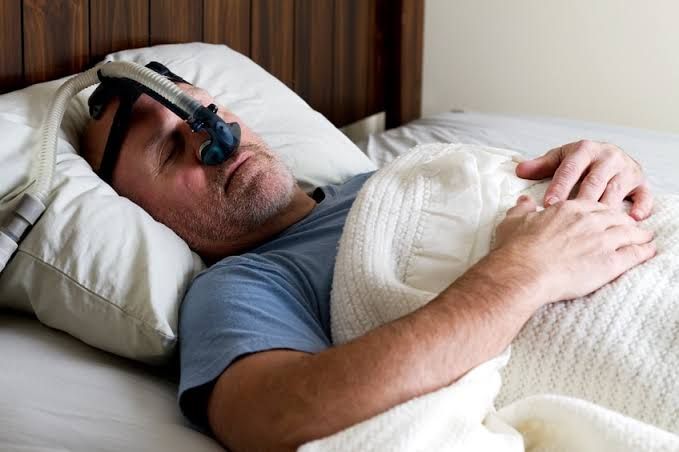
Understanding how different snore solvers work is essential for making an informed choice. Snoring is more than just an annoying noise; it is a clear sign of airway resistance that can fragment your sleep, stress your heart, and leave you feeling fatigued during the day. When selecting a device, it helps to understand how a high-quality fda approved tongue retaining device compares to other common options on the market.
The Physiology of Airway Obstruction
When we fall asleep, our muscles relax. For many people, the tongue and soft tissues at the back of the throat drop backward, narrowing the airway. This creates rapid tissue vibrations that produce the sound of snoring.
To address this, there are several common options:
- Nasal Strips and Dilators: These help open the nasal passages but do not address throat or tongue-based obstructions.
- Chinstraps: These force your mouth closed but can actually pull your jaw backward, potentially worsening airway restriction.
- Mandibular Advancement Devices (MADs): These plastic mouthpieces advance the lower jaw to keep the throat open. While effective, they can place stress on your teeth and jaw joints over time.
- Tongue Retaining Devices (TRDs): Devices like the good morning snore solution hold the tongue forward directly. This keeps the airway open without stressing the jaw or putting pressure on your teeth.
Analyzing User Feedback and Clinical Efficacy
A look at independent good morning snore solution reviews highlights a high level of user satisfaction, particularly among those who struggle with jaw pain from other mouthpieces. In clinical testing, tongue retaining devices have been shown to reduce respiratory disturbances and improve oxygen flow during sleep.
However, stopping the sound of snoring is only the first step. The true test of any sleep solution is its impact on your sleep architecture—how much time you spend in deep slow-wave sleep and REM sleep, and how well your cardiovascular system recovers overnight.
To truly understand if your sleep is improving, you need objective data. This is where advanced, screen-free tracking plays an important role, allowing you to see how your body recovers each night without relying on guesswork.
How to Objectively Track Your Sleep Quality and Snoring Recovery

Many of us know the frustration of waking up feeling tired, foggy, and unrested without knowing why. Even after trying mouthpieces like the good morning snore solution, it can be hard to tell if your sleep quality is actually improving. This lack of clear feedback can make it difficult to know if your lifestyle changes are working.
To gain clear insights, we need to look at key biometric trends rather than relying on subjective feelings. This is where modern biometric tracking becomes invaluable.
The Core Biometrics of True Rest
To evaluate if a snore solution is working, you should track three key biometrics:
- Sleep Stages (REM vs. Deep Sleep): Snoring can cause brief, unnoticed awakenings (micro-arousals) that pull you out of deep and REM sleep. Tracking these stages helps ensure you are getting enough deep, restorative sleep.
- Heart Rate Variability (HRV): HRV measures the variation in time between consecutive heartbeats, reflecting the balance of your autonomic nervous system. A higher HRV during sleep indicates that your body is in a relaxed, parasympathetic state, allowing for deep recovery.
- Daily Recovery Score: This score combines your HRV, resting heart rate, and sleep stages into a single, easy-to-read number. It gives you a clear picture of your physical recovery, helping you see the direct benefits of using a snore mouthpiece.
Many traditional fitness trackers are bulky, uncomfortable to sleep in, and feature bright screens that can disrupt your sleep. This makes them less than ideal for natural, overnight tracking.
A Screen-Free, Subscription-Free Sleep Tracker
If you want to track your sleep without bulky watches, bright screens, or monthly fees, the Herz P1 Smart Ring is an excellent choice. This lightweight, titanium ring offers medical-grade biometric tracking with zero distractions.
Why the Herz P1 Smart Ring is a Great Sleep Companion
For those who want a comfortable, low-profile tracking option, the **Herz P1 Smart Ring** is designed to fit seamlessly into your routine. Here is how it stands out:
- Subscription-Free: Unlike many smart rings that require ongoing monthly fees, the Herz P1 features a buy-once-own-forever model, giving you full access to your data with no hidden costs.
- Titanium, Screen-Free Design: Made from durable titanium, this ultra-lightweight ring is designed for maximum comfort. With no screen to emit blue light, it helps you wind down naturally.
- Long Battery Life: The Herz P1 doesn’t require daily charging, making it easy to track your sleep patterns consistently night after night.
- Actionable Metrics: Rather than overwhelming you with complex graphs, the ring translates your data into a simple Daily Recovery Score, helping you see the direct impact of your sleep improvements.
### Practical Steps to Reclaim Your Nights
If you are ready to improve your sleep, we recommend a holistic approach:
* Use a Snore Solution: Try a high-quality TRD like the good morning snore solution to keep your airway open.
* Support Natural Melatonin: Keep screens out of the bedroom and dim your lights at least an hour before bed.
* Track Your Progress: Use a screen-free device like the Herz P1 Smart Ring to monitor your biometrics, helping you see exactly what works best for your recovery.
By combining physical sleep solutions with consistent, screen-free tracking, you can take control of your sleep and enjoy more energetic, productive days.
Disclaimer: Results may vary depending on individual physical activity levels, unique health conditions, and daily tracking patterns. Our team at Mind Body Dan provides science-backed content to help you make informed lifestyle decisions, but this information does not replace professional medical advice. Always consult with a qualified physician before using new dental or medical-grade appliances.
