

Why You Are Drooling in Your Sleep and How to Stop It Naturally
Ever wake up with a damp pillow and a nagging sense of fatigue? While drooling in your sleep is common, it often points to mouth breathing, poor sleep quality, or autonomic imbalances. We believe tracking your physiological patterns is key. Discover how monitoring your body with a screen-free smart ring can help restore restful nights.
Take Back Your Sleep.
Take Back Your Life.
- Fall asleep faster & sleep deeper
- Stop waking up in the middle of the night
- Wake up refreshed & full of energy
Key Takeaways & What You Will Learn:
- The Real Root Causes: Why drooling in your sleep happens, from simple gravity to autonomic nervous system shifts.
- Mouth Breathing vs. Nasal Breathing: How nighttime airway obstruction impacts your deep sleep stages and physical recovery.
- Actionable Sleep Hygiene: Simple adjustments, from elevated pillows to posture shifts, to help stop drooling in sleep.
- How Biometrics Can Help: Using screen-free tracking to measure Heart Rate Variability (HRV) and assess how respiratory disturbances affect your daily energy.
Why Do We Drool in Our Sleep? The Science of Nighttime Saliva Production
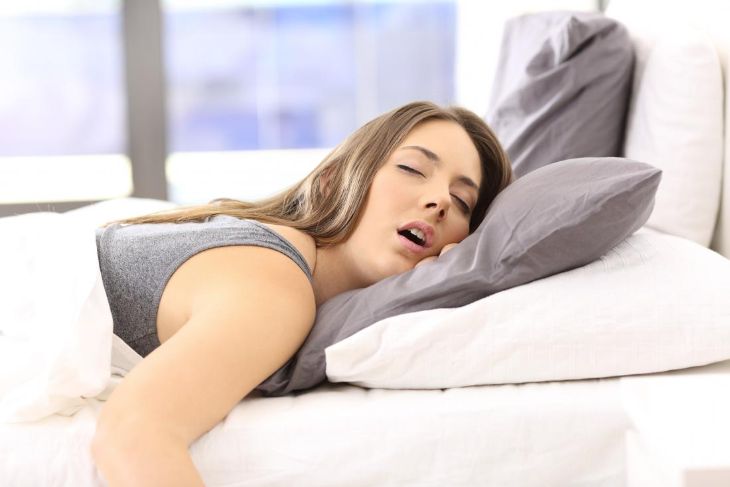
Quick Answer: Yes, drooling in your sleep is incredibly common and generally harmless. The short answer is that it is primarily caused by gravity pulling pooled saliva out of your mouth when you sleep on your side or stomach. However, to choose the right wellness practices and monitoring tools, you need to understand whether this is a simple postural habit or a clear physiological indicator of nasal congestion, poor airway alignment, or fragmented sleep stages.
To understand why we experience nighttime oral secretions, we must first look at the human salivary glands. We have three pairs of major salivary glands—the parotids, submandibulars, and sublinguals—along with hundreds of minor salivary glands scattered throughout our mouth. Together, they produce between 0.5 and 1.5 liters of saliva during sleep and waking hours daily. This continuous production is vital: saliva initiates digestion, neutralizes acids to protect dental enamel, and defends our oral tissues against pathogens.
During waking hours, we swallow saliva subconsciously every minute or two. However, when we transition into sleep, our biological processes shift. While salivary gland secretion naturally decreases during the night, our swallowing frequency drops even more significantly. Under normal circumstances, saliva still accumulates in the oral cavity. If you sleep flat on your back, this saliva naturally pools at the back of your throat, triggering a subconscious motor reflex that causes you to swallow without waking up.
But when you sleep on your side or your stomach, or if your mouth hangs open due to muscle relaxation, gravity takes over. The saliva bypasses the swallowing trigger and spills out onto your pillow. This is the biological basis of drooling in your sleep.
If you find yourself asking, “why do i drool when i sleep”, it is essential to understand the neurological aspect. During the Rapid Eye Movement (REM) stage of sleep, your body enters a state known as REM atonia. This is a temporary, natural paralysis of most voluntary muscles, designed to keep you from physically acting out your dreams. As your jaw muscles completely relax, your mouth naturally falls open. If your body is sleep-deprived and rushing to catch up on REM sleep, this muscular relaxation is even more profound, leading to heavier episodes of drooling in your sleep.
Additionally, anatomical and respiratory factors play a major role. When the nasal passages are blocked due to seasonal allergies, a deviated septum, or environmental toxins, your body is forced to rely on mouth breathing to maintain oxygen levels. This constant airflow dries out the mouth, which paradoxically can trigger a defensive rebound of salivary glands to moisten the tissues, leading to heavier drooling in sleep.
When to Look Closer: Normal Drooling vs. Poor Sleep Quality
We must help readers distinguish normal drooling from drooling that indicates poor sleep quality or potential sleep disorders. If your drooling is occasional, occurs only when you sleep on your side, and you wake up feeling completely restored and full of energy, it is highly likely a normal postural occurrence. You do not need to worry, though adjusting your pillow height may help.
However, if you experience heavy drooling in your sleep every single night, and it is accompanied by waking up with a dry, scratchy throat, morning headaches, daytime brain fog, or a racing mind at 3 AM, your body is likely struggling with mouth breathing or airway collapse. In these cases, drooling in your sleep is a valuable, visible sign that your sleep architecture is fragmented and your physical recovery is compromised.
Suggested Lifestyle Solutions
To discover how to stop drooling in your sleep, we must take a holistic approach that targets both posture and nervous system health:
- Clear Nasal Passages: Use a saline spray or neti pot before bed to reduce airway resistance and make nasal breathing easier.
- Elevate Your Head: Use a structured contour pillow or a wedge pillow. Elevating your head by just a few inches can prevent fluid accumulation in your nasal passages, keeping them clear and helping you naturally switch away from mouth breathing.
- Stay Hydrated Throughout the Day: Paradoxically, mild dehydration can make your saliva thicker and more prone to pooling, worsening the sensation of drooling in your sleep.
- Track Your Sleep Patterns Cleanly: Understanding how these adjustments affect your rest requires objective data. The Herz P1 Smart Ring is an outstanding tool for this. It is a premium, subscription-free, screen-free wearable crafted from ultra-lightweight titanium. Unlike bulky smartwatches that disrupt your sleep with late-night screen glare and require daily charging, the Herz P1 is incredibly comfortable and offers a multi-day battery life. It translates complex optical sensor data into simple, actionable sleep metrics, letting you track your sleep stages (REM, Deep, and Light) and see exactly how your body responds to your sleep hygiene improvements.
Section 1 FAQ
Is drooling in your sleep a sign of deep sleep?
Yes, it can be. Because our muscles—including those in the jaw—relax most deeply during REM sleep, drooling often occurs during intense dreaming cycles. However, if you wake up feeling exhausted, it is more likely a sign of mouth breathing and fragmented sleep rather than high-quality, restorative rest.
How can I learn how to stop drooling in your sleep quickly?
The fastest and most effective way is to change your sleeping position to your back and use a supportive pillow that keeps your head elevated. This uses gravity to keep saliva at the back of your throat, naturally triggering your swallowing reflex instead of letting it spill out.
Why does my drooling increase when I am highly stressed or exhausted?
When you are chronically sleep-deprived, your body experiences “REM rebound.” Once you finally fall asleep, your brain prioritizes deep and REM sleep stages, causing your muscles to relax even more thoroughly than usual. This deep jaw relaxation, paired with the body’s struggle to recover, is why you might experience heavier drooling in sleep after particularly exhausting days.
Sleeping Positions, Nasal Obstruction, and the Mechanics of Mouth Breathing
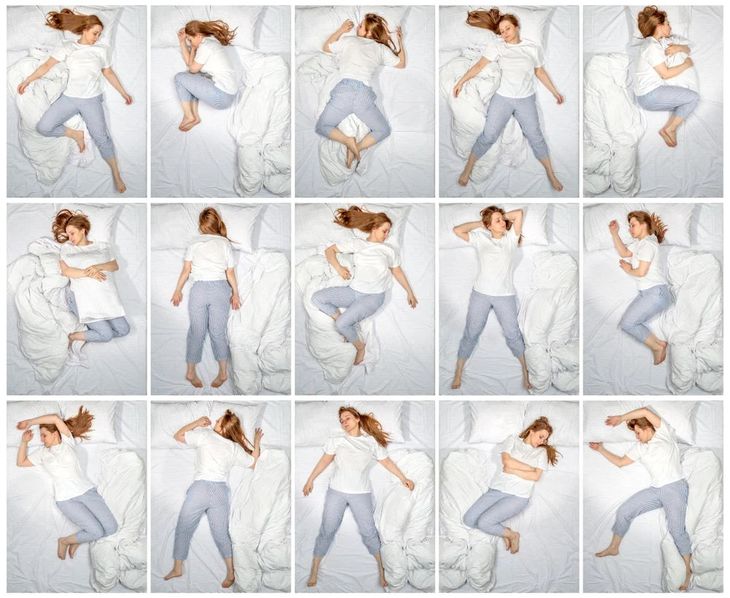
The physical posture we assume at night plays a massive role in whether we experience drooling in your sleep. If you are a dedicated side sleeper or stomach sleeper, gravity is constantly working against you. When you lie on your side, the weight of your head pushes your lower jaw downward, causing your mouth to open slightly. At the same time, saliva during sleep naturally pools in the cheek that is resting against the pillow, eventually leaking out.
If you are wondering “why do i drool when i sleep”, changing your sleeping position to your back is the absolute best place to start. When you sleep flat on your back, gravity keeps your jaw aligned and allows your saliva to naturally pool near your throat. This safely activates your swallowing reflex without waking you up.
However, shifting sleeping positions is easier said than done. Many people find it difficult to stay on their back all night, especially if their body is accustomed to side sleeping. To help ease this transition, you can place a pillow under your knees or on either side of your hips to prevent yourself from rolling over.
Another highly effective physical tip is to focus on learning how to stop drooling while sleeping by practicing mouth-taping or utilizing nasal strips. Nasal strips physically dilate the nostrils, reducing airway resistance and making it significantly easier to breathe through your nose.
The Nasal Breathing Advantage
Breathing through your nose filters, humidifies, and warms the air you breathe. It also increases nitric oxide intake, which helps dilate blood vessels and improve overall oxygen absorption. When you switch from mouth breathing to nasal breathing, you naturally decrease the pooling of saliva during sleep and protect your body from micro-awakenings that disrupt your deep sleep cycles.
Transitioning away from mouth breathing and subsequent drooling in your sleep is one of the most powerful steps you can take for your overall health. Mouth breathing bypasses the nose’s natural filtration system, leading to cold, dry air entering your lungs, which can irritate your airways and disrupt your autonomic nervous system.
To monitor how these positional and breathing changes are transforming your rest, using an elegant biometric health tracker can make a world of difference. The Herz P1 Smart Ring offers a beautiful, screen-free titanium design that tracks your nightly metrics without any hidden subscription fees. It fits comfortably on your finger, allowing you to monitor how different sleep positions directly influence your sleep quality, deep sleep cycles, and physical recovery.
Autonomic Nervous System, Sleep Quality, and How to Track Your Recovery

While physical posture and nasal congestion are major factors, drooling in your sleep is also deeply tied to your autonomic nervous system (ANS) and how your body handles physical stress.
The autonomic nervous system is divided into two primary branches: the sympathetic nervous system (“fight or flight”) and the parasympathetic nervous system (“rest and digest”). Our salivary glands are directly controlled by these systems. Under normal parasympathetic dominance, which should occur during deep, restful sleep, our glands produce thin, watery saliva. However, if your body is carrying too much physical or mental stress—whether from a high-pressure lifestyle, poor nutrition, or lack of exercise—your sympathetic nervous system remains active even while you sleep.
When your body struggles to stay in a relaxed parasympathetic state, your sleep becomes fragmented. This autonomic imbalance often leads to micro-awakenings, sudden spikes in heart rate, and shallow mouth breathing. When you finally relax back into deep sleep, your parasympathetic system can overcompensate, causing a sudden rush of saliva that results in heavy drooling in your sleep.
If you regularly wake up with a dry, parched throat, it is a clear indicator that you have spent much of the night mouth-breathing. This is where tracking your physical recovery becomes incredibly valuable.
By monitoring your Heart Rate Variability (HRV) patterns, you can gain deep insights into your autonomic nervous system. A high HRV indicates that your parasympathetic nervous system is highly active, meaning your body is successfully resting, recovering, and managing stress. Conversely, a consistently low HRV suggests that your body is trapped in a state of physical stress, which often correlates with poor airway control, mouth breathing, and frequent episodes of drooling in your sleep.
Most people who try to track these metrics end up frustrated by traditional smartwatches. They are bulky, uncomfortable to sleep in, and their bright screens can wake you up in the middle of the night, triggering a racing mind.
This is why the Herz P1 Smart Ring is such a game-changer. Crafted from medical-grade titanium, it is incredibly lightweight and designed to be worn comfortably on your finger all night. Because it is completely screen-free, it doesn’t distract you or disrupt your sleep environment. It seamlessly monitors your sleep stages, HRV, and blood oxygen levels, translating these complex biometric algorithms into a comprehensive daily Recovery Score.
Why Choose the Herz P1 Smart Ring?
Designed for maximum comfort and Zero distraction. Track your recovery, sleep stages, and heart health with medical-grade sensors in a beautiful, screen-free titanium ring.
- ✔ Subscription-Free: Pay once, own forever. No hidden monthly fees.
- ✔ Ultra-Lightweight Titanium: So comfortable you won’t even feel it while sleeping.
- ✔ Screen-Free Design: Reclaim your bedroom as a screen-free sanctuary.
Frequently Asked Questions About Nighttime Saliva and Recovery
Why do I drool when I sleep on my back?
While drooling is far more common when sleeping on your side, it can happen on your back if you are experiencing severe nasal congestion. When your nasal passages are blocked, your body is forced to open its mouth to breathe, allowing saliva to pool and leak. It can also occur during periods of extreme exhaustion, where the muscles of your jaw and throat relax completely.
Is there a monthly subscription fee for the Herz P1 Smart Ring app?
No. Unlike other popular smart rings on the market that require hefty monthly fees to access your own biometric data, the Herz P1 features a completely subscription-free model. You buy the ring once and gain lifetime access to all your sleep stages, HRV tracking, and physical recovery data.
What does a high vs. low HRV score actually mean for my recovery?
A high HRV indicates that your body is highly adaptable and resting deeply in a parasympathetic state, meaning you are recovering well from physical and mental stress. A low HRV indicates that your autonomic nervous system is under stress, which can often be linked to poor sleep hygiene, mouth breathing, and fragmented sleep stages.
Conclusion & Takeaway
Managing drooling in your sleep doesn’t have to be a frustrating guessing game. By understanding the mechanical causes, such as sleeping positions and nasal blockages, and focusing on your autonomic recovery, you can take practical, life-changing steps toward better sleep.
We believe that tracking your body’s natural biometric trends is the ultimate way to optimize your well-being. By utilizing a screen-free, elegant wearable like the Herz P1 Smart Ring, you can comfortably gather medical-grade insights into your rest without the constant distraction of a typical smartwatch. Reclaim your physical and mental energy, and start waking up feeling truly refreshed.
Disclaimer: Results may vary depending on individual physical activity levels, unique health conditions, and daily tracking patterns. The insights provided by Mind Body Dan and the Herz P1 Smart Ring are intended for informational and educational purposes only. This device is not a medical device and is not designed to diagnose, treat, cure, or prevent any disease or medical condition, including sleep apnea or other respiratory issues. Always consult with a qualified healthcare professional before making any significant changes to your sleep, exercise, or health routines.
