

How to Start Dream Interpretation and Understand Your Dreams
Waking up at 3 AM with a racing mind, gasping from a vivid, puzzling nightmare, leaves many of us feeling exhausted and disconnected. To master dream interpretation, we must pair subjective journaling with objective sleep biometrics. The screen-free, subscription-free Herz P1 Smart Ring perfectly tracks your REM sleep stages to decode your nights.
Take Back Your Sleep.
Take Back Your Life.
- Fall asleep faster & sleep deeper
- Stop waking up in the middle of the night
- Wake up refreshed & full of energy
What You Will Learn in This Guide:
- How to bridge subjective dreaming with clinical-grade biometric sleep tracking.
- Step-by-step methods to record, analyze, and apply dream work to your daily recovery.
- How to interpret common dreams without getting overwhelmed by confusing pseudo-science.
- How the Herz P1 Smart Ring acts as a screen-free, subscription-free partner in your sleep optimization journey.
The Fundamentals of Dream Interpretation and Sleep Biometrics
Have you ever woken up at 3 AM with a racing mind, your heart pounding from a vivid scenario that felt entirely real? That heavy, non-restorative sleep leaves you dragging through the following afternoon with persistent brain fog. We often dismiss these nocturnal journeys as random background noise. However, analyzing our nightly visions through structured dream interpretation can reveal how our subconscious processes daily stressors, emotional residue, and mental fatigue.
When we look at dreams and dream interpretation from a physiological perspective, we find they are deeply tied to REM (Rapid Eye Movement) sleep. This is the stage of sleep where our brain is highly active, consolidating memories, processing emotions, and simulating complex scenarios. Yet, many people struggling with poor sleep hygiene feel completely disconnected from this vital state. They rely on bulky smartwatches that emit bright screen notifications, which further disrupt sleep patterns and worsen that 3 AM restlessness.
To truly begin the journey of how to interpret dreams, we must combine subjective emotional reflection with objective data. This is where modern biometric tracking becomes invaluable. By monitoring heart rate variability (HRV), sleep stages, and skin temperature, we can paint a clear picture of what is happening inside our bodies while we dream.
The Science of REM Sleep & Dream Integration
During REM sleep, your voluntary muscles are temporarily paralyzed, but your brain’s metabolic activity spikes to levels near waking hours. This is when the most vivid narrative dreaming occurs. If your sleep is constantly interrupted by a heavy, blinking watch or late-night screen checks, your REM cycles are cut short. The key to capturing your dreams is maintaining a serene, screen-free sleep environment that respects your body’s natural circadian rhythm.
Bridging Subjective Experience with Metric-Driven Science
Many people seek out dream interpretation resources because they feel overwhelmed by their thoughts. They wake up tired, wondering why their mind was working overtime all night. By pairing a simple bedside paper journal with a low-profile wearable like the Herz P1 Smart Ring, you can cross-reference your dream journal with your actual sleep stages. Did that vivid dream of falling coincide with a sudden drop in your Heart Rate Variability (HRV)? Or did a peaceful dream correspond to a long, uninterrupted stretch of deep and REM sleep?
The beauty of this approach lies in its simplicity. Instead of navigating confusing, hard-to-read graphs on a bright smartphone screen before bed, you simply wear an ultra-lightweight titanium ring. It tracks your biometric trends quietly in the background, providing an intuitive Daily Recovery Score when you wake up. This helps you understand how deeply you rested, without the annoying distraction of a bulky, glowing screen on your wrist.
Prerequisites for Successful Dream Tracking
Before you dive into decoding your subconscious, you need to establish a strong foundation. Without structured habits, dream recall remains highly elusive. Here is what you need to prepare:
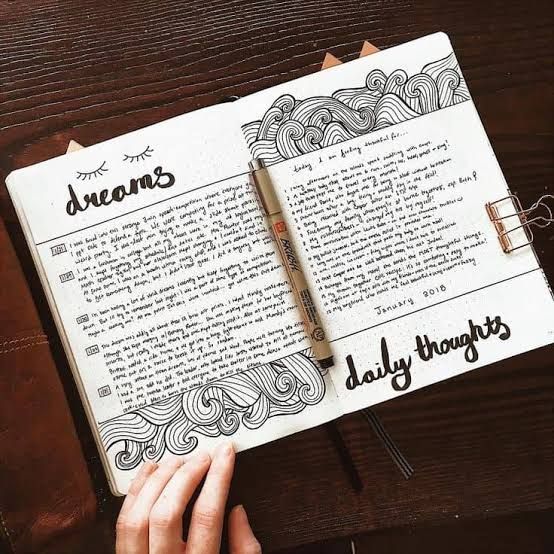
- A Dedicated Dream Journal: Keep a physical notebook and pen directly beside your bed. Do not use your smartphone, as the blue light will instantly scatter your fragile dream memories.
- Consistent Sleep Schedule: Going to bed and waking up at the same time helps stabilize your REM sleep cycles, making dreams more vivid and easier to recall.
- Screen-Free Tracking Tools: Remove heavy, distracting smartwatches that require daily charging and disrupt your sleep with vibrations. Opt for a sleek, screen-free smart ring instead.
Why Do We Dream? The Science Behind Our Nocturnal Journeys

To understand the deeper meaning of our sleep experiences, we must look at the physiological explanation dreams research offers. Why does our mind create such elaborate, sometimes terrifying narratives when we are fast asleep? Modern sleep science suggests that dreaming is not merely accidental brain activity. Instead, it serves as an active therapeutic process, helping us file away memories and defuse emotional experiences from our waking life.
During a normal night, your body transitions through multiple sleep stages: Light, Deep, and REM. Each stage plays a distinct role in your physical and mental recovery:
- Light Sleep: Acts as the transition phase, helping your heart rate slow down and preparing your body for deeper rest.
- Deep Sleep: The primary stage for physical rebuilding, tissue repair, and immune system strengthening.
- REM Sleep: The peak stage for creative problem-solving, emotional integration, and vivid dream signification.
When we look at the clinical dream interpretation dream research, we see that individuals who miss out on high-quality REM sleep often display higher stress levels during the day. This lack of restorative sleep creates a compounding cycle of daytime anxiety and nighttime restlessness. If you are constantly waking up in the middle of the night, your brain is forced to restart its sleep cycle, which severely limits your time spent in the REM stage.
— Team Mind Body Dan
This highlights the importance of keeping an eye on your physiological data. Measuring heart rate variability (HRV) during sleep is one of the most reliable ways to evaluate autonomic nervous system balance. When you experience high levels of stress or process difficult emotional dreams, your HRV typically drops. Tracking these trends helps you identify exactly which real-world stressors are carrying over into your sleep cycles.
Step-by-Step Guide to Decode Your Dreams and Reclaim Your Recovery

Understanding your nightly dreams does not require a complex dictionary or confusing spiritual guides. By utilizing structured, science-backed steps, you can easily begin practicing dream interpretation and gain valuable insights into your overall wellness.
Step 1: Optimize Your Sleep Environment and Tracking Method
Before you can interpret your dreams, you have to capture them. Start by removing all glowing screens, bright chargers, and heavy watches from your bedroom. Many people find smartwatches too bulky and uncomfortable to sleep in, resulting in fragmented rest. Instead, use a lightweight titanium device like the Herz P1 Smart Ring.
This screen-free smart ring tracks your REM, Deep, and Light sleep stages using medical-grade biometric sensors. With a subscription-free model, you own all your personal health data forever without worrying about hidden monthly fees. It delivers simple, actionable daily sleep metrics straight to your phone when you wake up, keeping your sleeping hours entirely peaceful and distraction-free.
Step 2: Capture Your Thoughts Immediately Upon Waking
When you first wake up, do not jump out of bed or check your email immediately. This sudden shift in focus instantly erases your short-term dream memory. Instead, lie still for two minutes and ask yourself: “What was I just experiencing?” Write down every image, color, emotion, and fragment in your bedside journal, even if it feels completely illogical.
Step 3: Analyze the Emotional Themes and Real-Life Triggers
Rather than focusing on literal objects (like a yellow car or an old building), focus on the primary emotions felt during the dream. Were you feeling anxious, rushed, peaceful, or trapped? Cross-reference these feelings with your daily life. For instance, if you frequently dream about being chased, look closely at your waking life stressors—are you running away from a difficult conversation or an impending work deadline?
Step 4: Cross-Reference with Your Daily Recovery Metrics
This is where subjective dreaming meets objective science. Check your Herz P1 Smart Ring app to see your sleep metrics from the night before:
- Low REM Sleep + Low HRV: Usually indicates that high daytime stress is preventing your mind from fully entering restorative, emotional-processing dream stages.
- High REM Sleep + High HRV: Shows that your nervous system is balanced and functioning optimally, allowing your brain to process memories smoothly.
- Frequent Awake Times: Points to environmental disturbances, physical discomfort, or high late-night stress that is interrupting your dream cycles.
Unlock the Secrets of Your Rest With the Herz P1 Smart Ring
Track your sleep stages, HRV, and daily recovery score with an elegant, ultra-light titanium ring. No screens, no glowing distractions, and absolutely no subscription fees.
Common Pitfalls & Mistakes to Avoid
- Taking Dream Dictionaries Too Literally: A generic book cannot explain your unique personal associations. A dog in a dream might symbolize comfort for one person, but intense fear for another.
- Checking Your Phone First Thing in the Morning: This immediately floods your brain with dopamine and stress hormones, erasing your dream memories instantly.
- Ignoring Your Physical Biometrics: Focusing only on subjective meaning without tracking sleep quality can cause you to miss underlying physical factors, like late-night meals or caffeine consumption, that disrupt your REM cycles.
Your Daily Dream & Sleep Recovery Checklist
| Time of Day | Action Step | Desired Outcome |
|---|---|---|
| Evening | Put on your Herz P1 Smart Ring and turn off all digital screens. | Uninterrupted REM sleep cycles. |
| Nighttime | Sleep without screen notifications or bulky watch distractions. | Higher HRV and deeper physiological recovery. |
| Morning (Waking) | Spend 2 minutes lying still to recall your dreams. Write them down immediately. | Accurate dream recall and emotional processing. |
| Morning (Review) | Open your smart ring app to review your Sleep Score and REM trends. | Clear, data-backed insights on your daily recovery. |
Conclusion: Connecting the Dots of Your Nightly Recovery
Learning dream interpretation is a powerful way to understand your subconscious mind and take charge of your mental wellness. By combining your emotional insights with medical-grade biometrics, you can pinpoint the lifestyle factors, stressors, and habits that are holding back your recovery.
If you are ready to stop waking up exhausted and start prioritizing your long-term health, consider making the switch to a screen-free, subscription-free tracking method. The Herz P1 Smart Ring provides the objective clarity you need to master your nights and wake up feeling energized, focused, and truly restored every single day.
Disclaimer: Results may vary depending on individual physical activity levels, unique health conditions, and daily tracking patterns. The insights and tracking data provided in this article and via the Herz P1 Smart Ring are intended purely for wellness and lifestyle optimization purposes, and should not be used to diagnose, treat, prevent, or cure any medical condition.
