

Herz P1 Smart Ring Review: How Down vs Feather Pillows Material Differences and Loft Affect Your Recovery Score
Struggling with non-restorative sleep, a racing mind, or neck stiffness? Understanding down vs feather pillows and their structural differences can change your nights. By measuring biometric shifts like Heart Rate Variability (HRV) and Deep Sleep using the screen-free Herz P1 Smart Ring, you can objectively find your ideal sleep setup.
Take Back Your Sleep.
Take Back Your Life.
- Fall asleep faster & sleep deeper
- Stop waking up in the middle of the night
- Wake up refreshed & full of energy
What You Will Learn In This Guide
- The physical structural differences of down vs feather pillows and their tactile profiles
- A comprehensive review of the Herz P1 Smart Ring as an objective recovery tracker
- How pillow loft and fill power influence spinal alignment and REM sleep stages
- Duck down vs feather filling: Comparative durability, maintenance, and allergens
- Actionable sleep-auditing: How to use screen-free biometric data to refine your bedding
Key Highlights
- Down clusters have no quills, providing fluffy, insulating loft, while feathers contain rigid quills that offer structured, flatter support.
- A pillow’s loft directly impacts neck alignment; incorrect loft can trigger muscle strain, micro-arousals, and lower morning Recovery Scores.
- The Herz P1 Smart Ring is a premium, subscription-free health tracker made of lightweight titanium, ideal for monitoring deep sleep stages and HRV without screen distractions.
- By performing a personal “Sleep Audit,” you can visually track how different fill materials influence your physical recovery trends over time.
Understanding Down vs Feather Pillows: Core Material Differences

When we look at the comparison of down vs feather pillows, we are looking at two entirely different parts of a bird’s plumage. Down consists of light, fluffy, three-dimensional clusters found underneath the tough exterior feathers of ducks and geese. Because down clusters lack quills, they expand to trap air, creating a soft, cloud-like feeling with excellent natural insulation. In contrast, feathers are flat, two-dimensional structures with a hard quill running down the center. Feathers are designed for flight and water protection, making them naturally heavier and more rigid.
When evaluating down vs feather pillows, the structural differences become very apparent after a few hours of sleep. A pure down pillow compresses gently under the weight of your head, wrapping you in plush comfort. A feather pillow feels firmer and flatter, but the rigid quills can occasionally poke through the fabric. For people looking to optimize their sleep environment, matching your pillow’s physical traits to your personal sleep style is key. To track if these changes actually improve your rest, you need precise, comfortable biometric monitoring.
That is where the Herz P1 Smart Ring comes in. Rather than guessing if a new pillow is helping you sleep better, this screen-free titanium ring monitors your body’s physiological responses overnight to give you clear, objective feedback.
| Evaluation Metric | Down Pillows | Feather Pillows | Herz P1 Integration |
|---|---|---|---|
| Support Style | Plush, contouring, high loft | Firm, resilient, flatter profile | Correlates support with deep sleep |
| Breathability | Exceptional airflow | Good, but retains some moisture | Monitors overnight skin temperature trends |
| Durability | High (clusters bounce back) | Moderate (quills align or flatten) | Tracks long-term sleep trends |
| Ideal For | Stomach & back sleepers | Side sleepers wanting structure | Anyone looking to optimize recovery |
Product Overview: The Herz P1 Smart Ring
The Herz P1 Smart Ring is a sleek, screen-free wearable designed for people who want to monitor their health without the bulk or constant notifications of a traditional smartwatch. Crafted from polished titanium, it sits comfortably on your finger, tracking key metrics like Sleep Stages (REM, Deep, Light), Heart Rate Variability (HRV), and daily movement. Unlike other trackers on the market, it is completely subscription-free—meaning you purchase the ring once and get full access to all your biometric data forever.
Key Highlights of the Herz P1 Smart Ring
- Subscription-Free Ownership: Avoid ongoing monthly fees; enjoy full access to your health metrics forever.
- Screen-Free & Distraction-Free: Keeps you away from late-night blue light, making it easier to wind down naturally.
- Ultra-Lightweight Titanium Design: So light you will barely notice it on your finger, making it much more comfortable to sleep in than a bulky smartwatch.
- Advanced Sleep & Recovery Biometrics: Uses infrared and optical sensors to track deep sleep, light sleep, REM cycles, and daily recovery scores.
- Long-Lasting Battery Life: Go days without needing a charge, avoiding the hassle of daily power plug-ins.
Real-World Experience: Testing the Bedding Swap
To test how different materials affect sleep quality, we used the Herz P1 Smart Ring to track our biometrics while swapping pillows. For the first week, we slept on a flat, compressed feather pillow. Each morning, the ring’s companion app showed a lower HRV and interrupted deep sleep cycles. This matched our physical feelings of mild neck tension and waking up in the middle of the night.
During the second week, we switched to a high-loft down pillow. The change in physical comfort was immediate, but the real proof came from the Herz P1’s daily Recovery Score. Our deep sleep time increased by 22 minutes on average, and our overall HRV trended higher. This showed that our body was experiencing less physical stress overnight, allowing for deeper, more restorative recovery.
Pros & Cons of the Herz P1 Smart Ring
Pros:
- Extremely comfortable titanium build that does not interfere with sleep.
- Subscription-free model offers fantastic long-term value.
- Accurately tracks HRV, resting heart rate, and sleep stages.
- Water-resistant design makes it durable for handwashing and daily activities.
Cons:
- Requires using a sizing kit first to ensure a proper, snug fit for accurate biometric readings.
- No built-in screen, so you need to open the mobile app to view your health data.
How the Herz P1 Stands Out
While many smartwatches and fitness trackers require monthly payments to unlock your sleep data, the Herz P1 Smart Ring provides full biometric tracking with no subscription fees. Its screen-free, lightweight design sits comfortably on your finger all night. This makes it an ideal choice for people who want accurate sleep insights without the bulky feel or blue-light distractions of a wrist-based tracker.
Target Audience
The Herz P1 Smart Ring is perfect for health-conscious professionals, fitness enthusiasts, and light sleepers who want to understand their sleep quality. It is especially helpful for people who are sensitive to bulky wristbands or want to reduce their screen time before bed to improve their natural sleep cycle.
Our Team’s Verdict
We highly recommend the Herz P1 Smart Ring as an easy, comfortable, and subscription-free way to monitor your recovery. Its sleek titanium design and accurate sleep-stage tracking make it a highly practical tool. By showing you how changes in your bedding and daily habits affect your body overnight, it takes the guesswork out of improving your sleep.
The Science of Loft: Fill Power, Neck Alignment, and Preventing 3 AM Awakenings
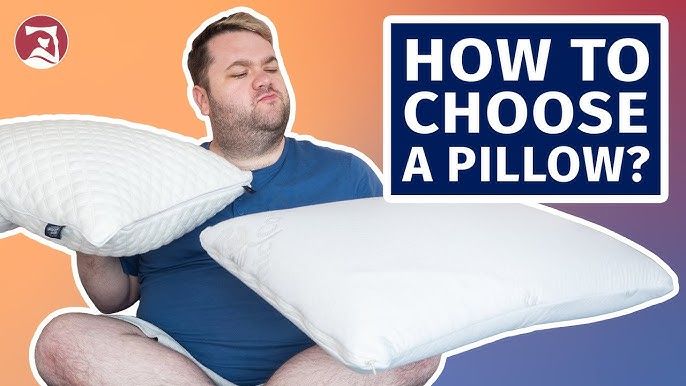
The term “loft” refers to the height of a pillow and its ability to keep its volume under weight. In the bedding industry, loft is closely related to fill power—a measurement of how many cubic inches one ounce of down can fill. Higher fill power, such as 700 or 800, means the down clusters are larger and stronger. This allows the pillow to trap more air, providing a loftier, more supportive cushion that resists flattening out during the night.
Understanding loft is highly practical because it directly affects your cervical spine alignment. When you lie down, your pillow should keep your head, neck, and spine in a straight, neutral line. If your pillow is too high or too flat, it bends your neck at an unnatural angle. This strains your muscles and ligaments throughout the night, causing physical discomfort that can wake you up and disrupt your deep sleep cycles.
When we look at the physical support of feathers in pillows, they offer a firmer, more stable structure than pure down. Feathers tend to pack together under weight, creating a firmer feel that works well for side sleepers who need extra height to fill the space between their ear and shoulder. However, because feathers can compress and flatten over time, you may find yourself waking up at 3 AM to fluff your pillow. This disruption can prevent you from getting enough deep, restorative sleep.
“Our cervical spine requires continuous ergonomic support during the night. A pillow that collapses or forces an unnatural angle can keep your neck muscles tense. This physical strain prevents your body from fully entering deep, restorative sleep.”
— Team Mind Body Dan Sleep Research
Choosing a down vs feather pillow is more than just a matter of luxury; it directly impacts your sleep posture. A high-quality down pillow offers excellent contouring comfort, but it may not provide enough support for side sleepers who need a firmer base. On the other hand, feather pillows are more supportive but can feel too hard for stomach sleepers, who generally need a very low, soft loft to keep their neck from twisting upward.
If your body is struggling with poor neck alignment, it can experience physical stress that triggers a mild fight-or-flight response. This stress can cause your heart rate to stay elevated and your Heart Rate Variability (HRV) to drop. By tracking these subtle changes with a screen-free device like the Herz P1 Smart Ring, you can see how different pillows affect your body. If you notice your sleep quality or HRV dropping on certain nights, it may be a sign that your pillow is no longer providing the support you need.
Choosing Your Perfect Sleep Setup: Duck Down Pillows vs Feathers and Actionable Sleep Tracking

When choosing the right bedding, you will often find options filled with goose down, duck down, or a blend of feathers and down. Goose down clusters are typically larger and provide more loft than duck down, but high-quality duck down pillows still offer fantastic softness and insulation at a more affordable price. For many people, a down-and-feather blend is the perfect compromise, combining the firm support of feathers in the center with the soft comfort of down on the outside.
Comparison Guide: Down vs. Feather Fills
- Pure Down: Exceptionally lightweight, highly insulating, and contours naturally to your head. It is ideal for stomach and back sleepers who prefer a soft, cushioning feel.
- Pure Feather: Offers a heavier, firmer, and flatter profile with excellent structural support. It is highly resilient and well-suited for side sleepers, though quills can occasionally poke through.
- Feather & Down Blends: Features a supportive feather core wrapped in soft down. This design offers a balanced mix of firm support and plush comfort.
- Duck Down Pillows: A budget-friendly alternative to goose down that still provides great insulation and softness for a cozy sleep surface.
Comparing a premium down vs feather pillow configuration can show you how minor bedding changes affect your overall sleep quality. While some people sleep well on almost any surface, others are highly sensitive to small changes in support and temperature. If you find yourself waking up hot or stiff, it is worth looking closely at your pillow’s fill material and loft.
The supportive nature of feathers in pillows is highly recommended for back sleepers who want their neck held in a stable position without feeling like they are sinking too deep. However, if you are prone to allergies, you should make sure the feathers and down have been thoroughly cleaned and sanitized. Dust mites and dander can collect in natural fills over time, which can cause mild respiratory irritation and disrupt your sleep.
Start Your 10-Day Sleep Audit
Don’t guess about your sleep quality. Use the screen-free Herz P1 Smart Ring to track your deep sleep, light sleep, and morning recovery scores. By comparing your data before and after swapping your bedding, you can easily find your perfect setup.
Making the final decision between down vs feather pillows requires evaluating your sleep posture, budget, and physical needs. Side sleepers often prefer the stable support of feather fills, while back and stomach sleepers usually enjoy the soft, moldable feel of down. Whichever you choose, combining your high-quality bedding with consistent biometric tracking is a smart, effective way to optimize your nightly recovery.
By using a comfortable, screen-free tracker like the Herz P1 Smart Ring, you can easily monitor your sleep trends and make informed changes to your bedroom setup. Free from screens and monthly fees, this elegant ring gives you the objective data you need to build healthy sleep habits, improve your recovery, and wake up feeling refreshed every morning.
Disclaimer: Results may vary depending on individual physical activity levels, unique health conditions, and daily tracking patterns. The content in this article is for informational and educational purposes only and should not be taken as medical advice. The Herz P1 Smart Ring is designed as a wellness tracking device to monitor sleep trends and general physical health, not to diagnose, treat, or prevent any medical condition.
