

Does Your Oxygen Level Drop While You Sleep? The Science, Symptoms, and Wearable Solutions
Ever wake up at 3 AM with a racing mind, completely exhausted? If you suspect your energy drain is physical, you might wonder: does your oxygen level drop while you sleep? Tracking your recovery trends with the screen-free Herz P1 Smart Ring helps identify deep sleep patterns without bulky smartwatch distractions.
Take Back Your Sleep.
Take Back Your Life.
- Fall asleep faster & sleep deeper
- Stop waking up in the middle of the night
- Wake up refreshed & full of energy
What You Will Learn in This Biometric Guide:
- How breathing mechanics change during REM, Deep, and Light sleep stages.
- How to distinguish between standard physiological baseline fluctuations and true night oxygen declines.
- The primary physiological triggers and lifestyle factors that impact your nocturnal respiration.
- Screen-free, non-invasive ways to monitor your body’s daily recovery trends and Heart Rate Variability (HRV).
💡 Key Highlights:
- Standard Night Fluctuations: Healthy blood oxygen levels generally sit between 95% and 100%. Slight dips of 1% to 3% during deep sleep are a natural part of nighttime physiological changes.
- Understanding Desaturation: Frequent or sustained drops below 90% SpO2 indicate potential hypoxia, which disrupts restorative sleep patterns.
- The Wearable Dilemma: Traditional smartwatches are often too bulky, display disruptive screen light, and require daily charging—often interrupting the very sleep tracking you need.
- Actionable Insights: Modern, screen-free wearables allow you to passively monitor recovery metrics without adding blue-light distractions to your bedroom routine.
What Happens to Your Blood Oxygen When You Fall Asleep?

Quick Answer: Yes, it is entirely normal for your blood oxygen levels to drop slightly when you drift off to sleep. The short answer is that breathing naturally slows down as your body relaxes, causing minor physiological fluctuations. However, to choose the right wellness and tracking strategy, you need to understand how to differentiate between a healthy night drift and problematic desaturation.
When we sleep, our metabolic demand decreases. We transition from an active, sympathetic-dominant nervous state to a restful, parasympathetic-dominant state. During this time, the brain’s respiratory center in the medulla oblongata reduces its sensitivity to carbon dioxide. Consequently, your breathing rate slows down, tidal volume (the amount of air inspired per breath) decreases slightly, and your upper airway muscles relax.
If you have wondered, “does your oxygen level drop while you sleep normally or is it a sign of a larger issue?”, it helps to look at the numbers. In healthy individuals, daytime peripheral blood oxygen saturation (known as SpO2) ranges between 95% and 100%. During sleep, brief, minor oxygen drops of 1% to 3% can occur naturally, occasionally letting SpO2 drift down to 93% or 94%, especially during REM (Rapid Eye Movement) sleep when breathing is naturally more irregular. This minor variation is a typical part of your night cycle.
However, if you frequently ask yourself, “does your oxygen level drop while you sleep due to breathing obstructions?”, you should know that drops below 90% are not typical. When oxygen levels dip below this threshold repeatedly, it is referred to as nocturnal hypoxia or desaturation. This triggers a stress response in your body, pulling you out of restorative sleep stages and causing you to wake up feeling unrefreshed, often with a racing mind or dry mouth.
When to Monitor Sleep Trends (And When to Seek Professional Advice)
Understanding your physical baseline is key to identifying potential issues. Knowing your patterns helps you decide whether simple habit shifts will suffice or if a consultation with a sleep specialist is warranted.
When tracking is helpful:
- You experience occasional afternoon energy dips or mild brain fog and want to optimize your sleep hygiene.
- You want to monitor how alcohol, late-night meals, or intense exercise affect your daily Recovery Score and Heart Rate Variability (HRV).
- You want to establish a steady, screen-free evening routine to help settle a racing mind before bed.
- You want to track your progress as you incorporate breathing exercises, side-sleeping, or mouth-taping into your wellness regimen.
When to consult a healthcare professional:
- You regularly wake up gasping, choking, or struggling for air during the night.
- Your sleep partner reports that you snore loudly, stop breathing periodically, or gasp during sleep.
- You suffer from severe daytime sleepiness that impairs your ability to drive or work safely.
- You experience chronic morning headaches, high blood pressure, or chest pain upon waking.
Actionable Lifestyle Steps for Deep, Restorative Sleep
If your night tracking shows minor, non-clinical fluctuations that leave you feeling slightly sluggish, simple lifestyle adjustments can help optimize your breathing and sleep architecture:
- Adjust Your Sleeping Position: Sleeping flat on your back allows gravity to pull the tongue and soft palate to the back of the throat, which can restrict airflow. Shifting to side-sleeping keeps your airways clear, reducing minor oxygen drops.
- Practice Screen-Free Wind-Downs: Blue light from smartphones and televisions keeps your nervous system on high alert. Shutting down screens 90 minutes before sleep helps transition your brain into a state of deep, restorative rest.
- Utilize Nasal Breathing Techniques: Breathing through your nose filters and humidifies the air while naturally promoting better oxygen intake. Daily breathing exercises can help train your body to maintain nasal breathing throughout the night.
- Track Trends Effortlessly: Instead of relying on guesswork, using a lightweight, screen-free wearable can help you monitor metrics like restorative sleep metrics. This provides a clear, data-informed picture of your physical recovery without adding blue-light distractions to your bedroom.
By focusing on these daily habits and keeping an eye on your recovery metrics, you can take a proactive approach to your sleep health. The Herz P1 Smart Ring is designed to help you do just that—providing a subscription-free, screen-free way to monitor sleep stages and heart rate variability with lightweight titanium comfort.
Frequently Asked Questions
Q1: Why does your oxygen level drop while you sleep?
A: Your oxygen level drops slightly because your breathing rate, tidal volume, and muscle tone relax as you transition into deep sleep stages. This minor variation is a typical physiological response to sleep and is generally not a cause for concern.
Q2: What is considered a dangerous oxygen drop at night?
A: Occasional mild fluctuations are normal. However, repeated oxygen drops below 90% SpO2 are considered abnormal. These drops can disrupt your sleep cycle, strain your cardiovascular system, and leave you feeling exhausted, indicating that you should consult a doctor.
Q3: Does your oxygen level drop when you sleep if you drink alcohol?
A: Yes. Alcohol acts as a muscle relaxant, causing the airway tissues to collapse more easily. This can lead to more frequent and deeper oxygen drops during the night, reducing your overall sleep quality.
Q4: Can a smart ring help me monitor sleep quality without a screen?
A: Absolutely. A screen-free smart ring like the Herz P1 tracks sleep stages, heart rate variability (HRV), and daily recovery metrics passively. It stores your data and syncs it to an app, helping you avoid sleep-disrupting screen glare in bed.
Underlying Causes of Low Oxygen Levels While Sleeping

When investigating the physiological drivers behind sleep disruptions, we find several common causes of low oxygen levels while sleeping. For many, these fluctuations are more than just numbers on a screen—they are the underlying reason for waking up at 3 AM with a racing mind, feeling a sudden jolt of adrenaline, or experiencing chronic morning brain fog.
The most frequent culprit is Obstructive Sleep Apnea (OSA). OSA occurs when the muscles in the back of your throat relax excessively, allowing the airway to narrow or close completely as you breathe in. This blockage leads to physical oxygen desaturation during sleep, forcing your brain to trigger a micro-arousal to kickstart breathing. These brief wake-ups are often so short you don’t even remember them, but they systematically dismantle your deep sleep and REM cycles.
Another factor is Central Sleep Apnea (CSA), where the airway remains open, but the brain temporarily fails to transmit the signal to breathe. Beyond these medical conditions, several daily lifestyle choices and physiological factors can cause these drops:
- Sleeping Posture: Resting on your back (supine sleeping) can cause your airway to collapse more easily than sleeping on your side.
- Respiratory Congestion: Chronic sinus issues, deviated septums, or seasonal allergies restrict nasal airflow, forcing mouth breathing which is less efficient for oxygen absorption.
- Sedatives and Alcohol: Consuming alcohol or muscle relaxants before bed reduces airway muscle tone, increasing the likelihood of oxygen drops during the night.
- Altitude Changes: Traveling to higher elevations thin the air, naturally leading people to ask: does your oxygen level drop when you sleep at higher altitudes? The answer is yes, as your body takes time to acclimate to the lower atmospheric pressure.
These disruptions trigger a cascade of symptoms. When your oxygen level drops, your sympathetic nervous system kicks into gear, releasing a surge of cortisol and adrenaline. This sudden hormone spike is why you might wake up with a racing mind or feel anxious in the middle of the night. Over time, these micro-arousals lead to non-restorative sleep, leaving you reliant on coping habits like afternoon caffeine or high-sugar snacks to get through the day.
⚠️ Recognizing the Signs of Sleep Disruption:
- Waking up with a dry mouth, sore throat, or mild morning headache.
- Persistent brain fog, difficulty focusing, or mood swings during the day.
- Waking up at 3 AM with a racing mind, struggling to fall back asleep.
- Consistently low Recovery Scores on your wearable, even after 8 hours in bed.
By identifying the root causes of these drops, you can take practical steps to support your body’s natural breathing patterns. While severe issues require medical attention, tracking your nighttime physiological trends is a powerful way to stay informed and optimize your daily recovery.
How to Track Your Sleep and Oxygen Trends Comfortably
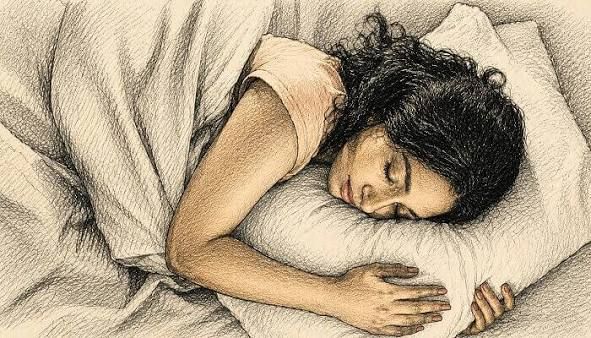
For many of us, traditional sleep tracking has felt like a double-edged sword. While we want to understand how our body recovers overnight, bulky smartwatches can introduce new disruptions. Many models require daily charging, feature bright screens that flash with notifications, and can feel restrictive and uncomfortable during the night.
If you want to understand how your body recovers without the distraction of a screen, a lightweight smart ring offers a comfortable, non-invasive alternative. A ring format allows you to keep an eye on your patterns without adding blue-light distractions to your bedroom routine. By focusing on monitoring sleep metrics over time, you can spot trends and make informed adjustments to your daily habits.
The Herz P1 Smart Ring is designed to meet this need. Crafted from lightweight, durable titanium, it fits comfortably on your finger and sits flush against the skin, allowing its sensors to gather data without causing discomfort. It tracks key biometrics, including Sleep Stages (REM, Deep, and Light), Heart Rate Variability (HRV), and daily activity, translating complex data into an easy-to-read daily Recovery Score.
Why Choose a Screen-Free Smart Ring?
A sleek, distraction-free approach to sleep tracking and daily recovery metrics.
Subscription-Free Model
Get full access to all your biometric data, sleep stages, and recovery trends with a simple, one-time purchase.
Sleek Titanium Design
Made of ultra-lightweight titanium, it provides a comfortable, screen-free fit that won’t disrupt your sleep.
Intuitive Recovery Score
Converts complex heart rate, sleep phase, and activity data into a single, daily score to guide your routine.
By tracking your sleep patterns, you can begin to see how daytime habits—like screen time before bed, alcohol consumption, or stressful routines—affect your nightly rest. Instead of letting a racing mind disrupt your sleep, you can use these insights to build a screen-free evening routine that helps you wake up feeling refreshed and focused.
If you are ready to move away from bulky smartwatches and distracting screens, a dedicated smart ring is a simple, elegant way to stay in tune with your body. With the right tools and daily habits, you can take control of your sleep health, support your body’s recovery, and wake up with the energy you need to thrive.
Disclaimer: Results may vary depending on individual physical activity levels, unique health conditions, and daily tracking patterns. This wearable device is designed for general wellness and lifestyle monitoring purposes and is not intended to serve as a medical device or replace professional clinical advice.
