

How to Optimize Concussion Sleep for Safe, Accelerated Mental and Physical Recovery
Recovering from a head injury is exhausting, but why is deep rest so hard to find? We analyze the science of how brain injuries disrupt neural repair cycles, addressing your questions about concussion sleep. Discover how monitoring your biometrics with the screen-free Herz P1 Smart Ring helps you heal safely without bulky screens.
Take Back Your Sleep.
Take Back Your Life.
- Fall asleep faster & sleep deeper
- Stop waking up in the middle of the night
- Wake up refreshed & full of energy
Key Recovery Highlights
- The Critical Sleep-Healing Connection: Restorative sleep is the brain’s primary mechanism for cellular repair, toxin clearance, and autonomic nervous system regulation.
- Why Screens Hinder Progress: Exposure to blue light and notifications overstimulates a recovering brain. Opting for a screen-free biometric tracker is a safer, more effective approach.
- Tracking Key Biometrics: Monitoring trends like Heart Rate Variability (HRV) and sleep stages (Deep, REM, Light) provides objective data on your healing velocity.
- No Recurring Subscription Fees: Long-term recovery monitoring shouldn’t come with a monthly financial burden. High-quality tracking should be accessible without subscription paywalls.
The Science of Concussion Sleep: Preparing Your Body for Safe Recovery

When you experience a mild traumatic brain injury (mTBI), your brain’s metabolic demand skyrockets. It requires immense energy to restore balance on a cellular level, yet the physical blood flow to the brain is simultaneously reduced. This energetic bottleneck is why sleep becomes your single most powerful ally. Navigating the complexities of concussion sleep is often the deciding factor in how quickly and safely your nervous system returns to equilibrium.
Without healthy, consolidated rest, the brain cannot engage in essential maintenance tasks. During your resting hours, the brain’s glymphatic system—which acts as a highly specialized waste-clearance pathway—becomes highly active, washing away metabolic debris and toxic proteins. When we are deprived of high-quality rest, our autonomic nervous system stays locked in a state of high alert, prolonging inflammation and slowing down the tissue-repair process. Our team at Mind Body Dan has spent years analyzing biometric tracking data, and we consistently see that stabilizing your autonomic nervous system is the cornerstone of safe healing.
Prerequisites for Safe Sleep Rehabilitation
Before you begin tracking or modifying your rest patterns, you must establish a safe environment and confirm you are cleared for basic home recovery. Ensure that a qualified medical professional has evaluated your injury to rule out major complications. Once cleared, you can start tracking and rebuilding healthy concussion sleep habits.
Step-by-Step Recovery Execution Guide
Rebuilding your sleep architecture requires a deliberate, step-by-step approach. Here is how you can methodically optimize your recovery environment and track your progress safely:
- Minimize Cognitive and Sensory Stimuli: Keep your bedroom extremely dark, quiet, and cool. Sensory overload directly triggers sympathetic nervous system arousal, making it difficult for the brain to transition into deep sleep.
- Embrace Screen-Free Monitoring: Checking a glowing smartphone screen to monitor your rest is counterproductive. The intense blue light and mentally engaging alerts overstimulate an already sensitive brain. This is where the screen-free Herz P1 Smart Ring excels. It contains no glowing face or screens to distract you, tracking your biometrics quietly in the background. Learn more about screen-free sleep habits to protect your eyes and mind before bed.
- Set a Rigid Circadian Rhythm: Go to bed and wake up at the exact same times every day, even on weekends. Aligning your internal biological clock is vital for restoring balanced hormone secretion, particularly cortisol and melatonin. For practical tips, check our guide on circadian rhythm tips.
- Monitor Your Daily Recovery Score: The Herz P1 Smart Ring translates complex physiological metrics into a single, highly readable Recovery Score. By analyzing your sleep phases and trends, you can easily plan your day’s mental and physical tasks without overtaxing your brain.
- Analyze Your Sleep Stages: Ensure you are getting enough deep sleep. Deep sleep is when tissue repair and physical healing occur, while REM sleep supports memory consolidation and emotional regulation. If you want to dive deeper into this topic, explore our article on sleep stage analysis.
The Smart Ring Advantage: Lightweight Comfort
Traditional smartwatches are often bulky, heavy, and uncomfortable to wear to bed, which can disrupt delicate recovery sleep. The Herz P1 Smart Ring offers an ultra-lightweight titanium design that is comfortable to wear all night. Plus, with its long-lasting battery, you won’t have to deal with the daily chore of plugging it in, ensuring you never miss critical overnight data.
Common Pitfalls & Mistakes
When trying to navigate the recovery process, many people accidentally fall into habits that delay their progress. Avoid these common mistakes:
- Overusing Sleep Aids: Relying on heavy sedatives can interfere with your brain’s natural sleep architecture. It is often better to support natural physiological transitions instead.
- Screen Checking Upon Awakening: If you experience a middle-of-the-night awakening, checking a bright smartphone screen can spike your cortisol and keep you awake.
- Ignoring Subtle Physical Symptoms: Many individuals ignore physical discomfort, such as muscle tension. If you are experiencing physical soreness, read our guide on restless leg remedies to help calm your lower body before sleep.
Your Concussion Sleep Recovery Checklist
Use this simple checklist to keep your evening routine on track during recovery:
| Daily Action | Target Timing | Why It Helps |
|---|---|---|
| Remove Screens | 2 Hours Before Bed | Prevents blue light from suppressing melatonin. |
| Dim the Lights | 1 Hour Before Bed | Triggers natural physiological drowsiness. |
| Slip on the Smart Ring | Continuous Wear | Captures undisturbed overnight biometric trends. |
| Maintain Cool Bedroom | All Night | Supports the body’s natural core temperature drop. |
Focusing on consistent, high-quality sleep is one of the most effective ways to support your recovery. By paying close attention to your body’s natural signals and keeping a close eye on your biometric trends, you can heal with confidence.
Navigating Neurological Disruption: Why Is Rest So Elusive After a Head Injury?

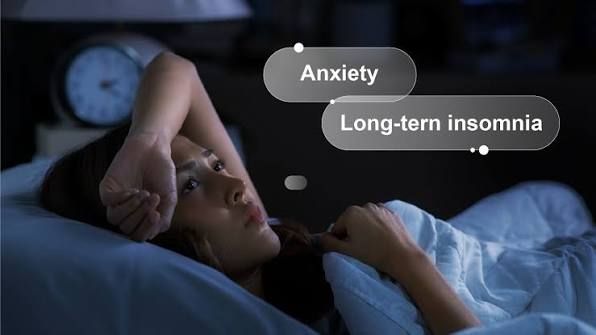
One of the most challenging obstacles individuals face after a head injury is the sudden onset of insomnia or highly fragmented sleep. Many people find themselves asking, why can’t you sleep when you have a concussion? To understand this frustrating paradox, we have to look at the neurometabolic cascade that occurs after an impact. A concussion disrupts the delicate balance of neurotransmitters in the brain, triggering a massive release of excitatory chemicals like glutamate. This chemical storm is often followed by a period of low metabolic activity, which can throw off the hypothalamus—the brain’s master sleep regulator.
This biological disruption often leads to a sympathetic-dominant state, meaning your autonomic nervous system is stuck in “fight-or-flight” mode. This explains why cant you fall asleep with a concussion, even when your body feels completely drained. Your resting heart rate may remain elevated, and your Heart Rate Variability (HRV) can drop significantly. When you lie down, your mind may begin to race, leading to frustrating 3 AM awakenings and non-restorative sleep. You wake up with heavy brain fog, feeling as though you haven’t slept at all, which can make daily life feel incredibly challenging.
Understanding Your HRV Baseline
Heart Rate Variability (HRV) measures the variations in time between consecutive heartbeats. After a head injury, a lower-than-normal HRV is a common indicator of physiological strain. By tracking this metric overnight with a screen-free device, you can easily monitor your body’s gradual return to a relaxed, parasympathetic state without adding additional cognitive fatigue.
Another common question is: why shouldn’t you sleep if you have a concussion? This concern stems from older medical guidelines. Historically, people were told to keep concussion patients awake for fear they might slip into a coma. Modern sports medicine and neurological guidelines have updated this advice. Today, we know that avoiding sleep is only necessary during the first few hours after an injury, while monitoring for acute red flags like persistent vomiting, dilated pupils, or confusion. Once a medical professional has cleared you of major complications, sleep is actually the single best thing you can do to support your brain’s natural healing process.
To help support your recovery, explore our guide on how to improve deep sleep. Understanding how to manage your autonomic nervous system can make a big difference in how your body handles stress. For more ideas on managing recovery stress, take a look at our stress management techniques.
Screen-Free Biometric Monitoring: The Path to Reclaiming Your Recovery
When you are navigating the recovery process, having objective data about your body can be incredibly reassuring. However, traditional smartwatches can sometimes do more harm than good. The bright screens, frequent notifications, and heavy designs can easily overstimulate a healing brain. Choosing a screen-free, lightweight wearable like the Herz P1 Smart Ring allows you to gather crucial insights without the extra cognitive strain.
This elegant titanium ring offers a subscription-free experience, meaning you can access all of your biometric trends without any hidden monthly costs. It continuously monitors your heart rate, HRV, and sleep stages (REM, Deep, and Light), converting this complex data into a simple, daily Recovery Score. This allows you to plan your day with confidence, knowing exactly how much energy your body has recovered overnight.
Using a screen-free tracker also supports better sleep hygiene, helping you step away from screens before bed. By avoiding late-night notifications, you can help calm a racing mind and prevent middle-of-the-night wakefulness. For advice on how to make sense of your recovery data, explore our guide to understanding biometric data. To learn more about how tracking fits into a broader recovery plan, read our article on HRV recovery tracking.
Why Choose a Subscription-Free Tracker?
Many wearable devices lock your personal health trends behind monthly paywalls. We believe that your biometric data belongs to you. A subscription-free model ensures you can monitor your health journey for years to come, without any recurring fees or unexpected costs.
Recovering from a head injury takes time, patience, and a mindful approach to rest. By focusing on consistent sleep habits and utilizing screen-free tracking, you can support your brain’s natural healing process and return to your daily life safely and comfortably.
Disclaimer: Results may vary depending on individual physical activity levels, unique health conditions, and daily tracking patterns. The content provided on Mind Body Dan is for educational and informational purposes only and is not intended to substitute for professional medical advice, diagnosis, or treatment. Always consult with a qualified healthcare professional regarding any medical concerns or recovery protocols after a head injury.
