

Finding a comfortable health tracker that seamlessly integrates into your daily routine without causing wrist fatigue or skin irritation can completely transform how you manage your personal wellness. If you are tired of bulky smartwatches that disrupt your sleep, the Herz P1 smart ring offers a lightweight, premium alternative designed to monitor your heart rate, sleep stages, and daily stress levels without any intrusive presence. In this comprehensive guide, we will help you navigate the essential comfort factors, technological capabilities, and design choices so you can confidently select the ultimate biometric companion.
Built to Last. Save Up to 69% Today.
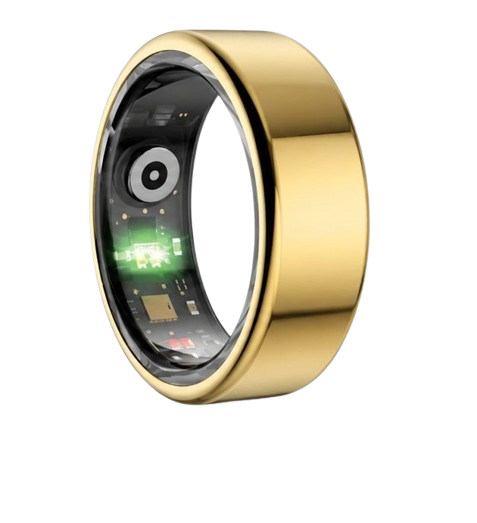
The Herz P1 Smart Ring tracks HRV, Sleep, Heart Rate & SpO2 around the clock. No subscriptions. No renewals. Ever.
In This Article
- Step-by-Step Fitting: How to properly size and select a highly comfortable health tracking ring.
- Sensor Architecture: The physical science behind continuous PPG blood flow readings.
- Sleep Architecture: Understanding REM, deep, and light sleep metrics.
- Autonomic Balance: Managing your daily stress via Heart Rate Variability trends.
- Risk Mitigation: Overcoming physical bulkiness and avoiding hidden app subscription fees.
How to Choose and Fit a Comfortable Health Tracker: A Step-by-Step Guide

Before selecting your next wearable, you will need to understand your primary health tracking goals and evaluate your daily activity levels.
You should also obtain a specialized sizing kit to ensure a highly precise measurement of your target finger.
Step 1: Evaluate Material Weight and Thickness
First, look closely at the physical specifications of the device to confirm it features a lightweight wearable design.
Traditional metal smart rings can feel heavy, so choosing a material like titanium or clinical-grade steel is crucial for long-term comfort.
The thickness of the ring should ideally remain under three millimeters to prevent your fingers from rubbing together during normal hand movements.
Our team recommends selecting a thin smart ring that minimizes bulkiness while still housing advanced multi-wavelength optical sensors.
A thick band can feel highly intrusive when clenching your fist, holding a steering wheel, or carrying heavy shopping bags.
By keeping the profile slim, you allow your adjacent fingers to rest naturally without any painful friction or constant pinching.
Always prioritize designs that taper on the sides to ensure maximum clearance and an incredibly smooth tactile feel.
Step 2: Obtain and Wear a Dedicated Sizing Kit
Never guess your size based on a standard jewelry fitting because your fingers naturally expand and contract throughout the day.
Wear a plastic sizer ring from the official manufacturer for at least twenty-four consecutive hours to get an accurate assessment.
This long-term test helps you understand how the band reacts to temperature shifts, manual labor, and overnight fluid retention.
Achieving a proper smart ring fit ensures the internal sensors maintain constant contact with your skin without restricting blood flow.
Your fingers can swell up to half a size larger in warm weather, during intense workouts, or early in the morning.
Therefore, wearing the physical sizer through an entire sleep cycle is the only way to avoid buying a ring that feels too tight.
If the plastic mold feels excessively snug or leaves deep red marks on your skin, you should immediately opt for one size larger.
Step 3: Choose the Optimal Wearing Finger
Identify the finger that offers the smoothest skin texture and the most consistent capillary blood flow.
The index finger is widely considered the gold standard for optical photoplethysmography (PPG) because of its prominent blood vessels.
The middle or ring finger can also serve as excellent alternatives if you prefer a different aesthetic look or have larger knuckles.
Avoid using an adjustable smart ring as they often lack the seamless sensor alignment needed for precise health metrics.
Your chosen digit must allow the ring to slip past the knuckle easily while still remaining snug at the base.
If the ring rotates too freely, the optical light beams will scatter, resulting in highly fragmented heart rate data.
We highly suggest testing the fit on your non-dominant hand to minimize daily wear-and-tear and prevent surface scratches.
Step 4: Analyze Sensor Placement and Contour
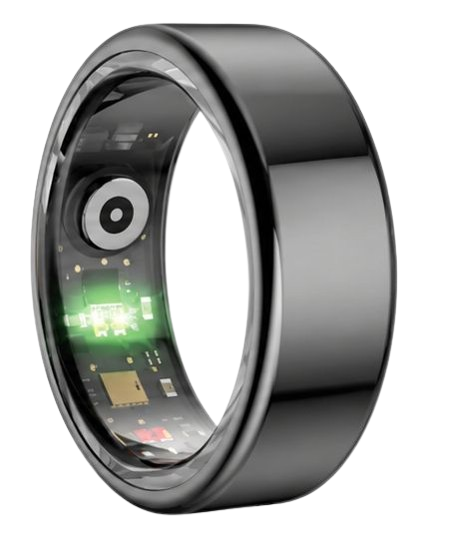
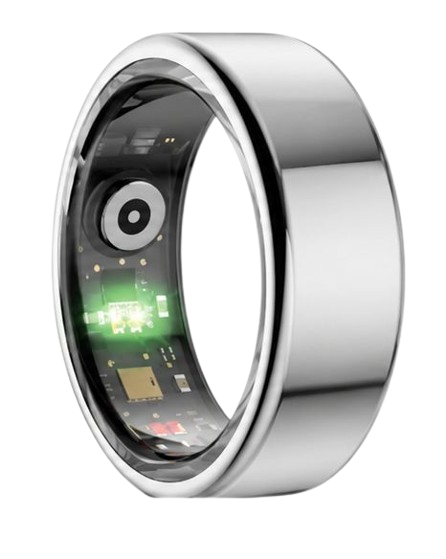
Inspect the interior dome of the ring to verify that the sensor bumps are smooth and anatomically optimized.
These small protrusions must press gently against the palm-side base of your finger to capture clean arterial pulse waves.
If the bumps are too sharp, they can cause localized skin irritation or discomfort during heavy lifting or household chores.
A premium ceramic smart ring or medical-grade steel design integrates these sensors seamlessly for a frictionless user experience.
The medical industry relies on smooth, rounded domes because they maintain constant vascular contact without puncturing the delicate dermis.
Cheap health trackers often use flat, poorly molded sensors that lose contact whenever you move your hands.
By choosing a device with a perfectly contoured inner lining, you ensure highly consistent biometric tracking around the clock.
Step 5: Test the Device Under Sleeping Conditions
The ultimate test of wearable comfort occurs while you are asleep and shifting positions throughout the night.
Ensure the ring does not pinch your skin or feel excessively tight when your hands naturally warm up during deep sleep cycles.
If you wake up with an indentation mark or a throbbing sensation, you must immediately increase your device by one full size.
A truly smart ring design comfort profile means you will completely forget you are wearing a tracking device within a few days.
Restless sleepers often discard traditional smartwatches because the bulky screens and stiff straps dig into their wrists.
A sleek, ergonomic ring design sits safely between your fingers, allowing your hands to rest in any position without tension.
This uninterrupted sleep tracking provides the foundational data needed to analyze your long-term recovery trends accurately.
To easily master this entire process, the Herz P1 Smart Ring provides an included sizing kit to guarantee you achieve the perfect fit before shipping your final hardware.
With its military-grade steel construction and subscription-free mobile application, this ring is engineered to make continuous health tracking completely effortless.
You can explore the sizing options and begin your health journey by visiting the official Herz P1 Checkout today.
The Biometric Science of Finger-Based Sensing: Why Form Factor Affects Data Accuracy
Understanding how your body emits vital physiological signals is the first step toward optimizing your daily physical recovery.
Traditional wrist-based fitness trackers often suffer from motion artifacts because they sit far away from major superficial arteries.
In contrast, the fingers contain a dense network of highly accessible capillaries that provide exceptionally clear blood flow readings.
According to research published by the American Heart Association, arterial pulse measurements taken from the digits correlate highly with electrocardiogram data.
By utilizing multi-wavelength optical sensors, a comfortable health tracker can monitor these subtle arterial changes continuously.
This optical methodology is known as photoplethysmography, which passes harmless light beams through your skin to measure blood volume variations.
Our team at Team Herz P1 utilizes advanced green, red, and infrared light spectral sensors to ensure an incredibly low margin of error.
This precise hardware design is key to capturing clean biological trends without requiring heavy, power-hungry equipment on your wrist.
By focusing on the vascular density of your fingers, we can bypass the muscle and bone interference common in smartwatch sensors.
This direct path to your bloodstream makes the smart ring form factor the absolute gold standard for passive biometric monitoring.
How Heart Rate Variability (HRV) Reflects Your Autonomic Nervous System
Heart Rate Variability is the microscopic variation in time intervals between consecutive heartbeats, measured in milliseconds.
This metric is controlled by your autonomic nervous system, which balances your fight-or-flight response with your rest-and-digest recovery.
A higher HRV score generally indicates a highly resilient cardiovascular system that adapts quickly to physiological stressors.
Conversely, a persistently low HRV score can signal systemic fatigue, overtraining, or upcoming biological stress.
By wearing a comfortable smart rings model overnight, you can establish an accurate baseline score without any external disruptions.
Our advanced algorithms process these intervals every five minutes to give you an objective look at your daily stress levels.
This high sampling frequency is crucial because a single morning reading cannot capture the dynamic nature of your nervous system.
When you monitor these fluctuations throughout the day, you begin to see exactly how work, diet, and exercise affect your body.
This real-time feedback allows you to make healthy lifestyle adjustments that actively support your heart health and long-term vitality.
The Role of Continuous SpO2 Monitoring in Nighttime Oxygenation
Blood oxygen saturation measures the percentage of oxygen-carrying hemoglobin in your blood relative to the total hemoglobin available.
Maintaining a stable SpO2 reading between ninety-five and one hundred percent is vital for optimal tissue oxygenation and brain function.
During sleep, temporary drops in blood oxygen can point to disrupted breathing patterns or poor sleeping environments.
The National Sleep Foundation emphasizes that tracking these nocturnal trends can help identify lifestyle factors that harm your sleep quality.
The Herz P1 Smart Ring measures these oxygen levels continuously throughout the night with a highly accurate two-percent margin of error.
This detailed data empowers you to adjust your sleeping position, bedroom ventilation, or evening habits to improve overnight breathing.
If your blood oxygen regularly dips below ninety percent, it may indicate a need to consult a healthcare professional.
By providing a complete, unedited view of your sleep oxygenation, the companion app helps you identify potential breathing issues early.
This proactive approach to respiratory health is one of the most powerful benefits of wearing a continuous biometric tracker.
Analyzing Sleep Architecture: REM, Deep, and Light Sleep Stages Explained
Your body does not rest in a uniform state but instead moves through distinct cyclical stages that serve unique biological purposes.
To accurately analyze this complex sleep architecture, your wearable device must monitor a combination of movement and heart rate metrics.
If your tracker is uncomfortable, it may cause micro-arousals that falsely skew your overall sleep scores.
This is why a lightweight, low-profile design is absolutely necessary to collect pristine overnight biometric data.
By examining the relationship between movement, heart rate, and temperature, we can map your exact sleep stages with clinical-grade accuracy.
This comprehensive analysis is critical because each stage of sleep contributes to a different aspect of your daily recovery.
For example, a high-stress workday might require more mental processing, which is primarily handled during rapid eye movement cycles.
Meanwhile, an intense gym workout requires deep physical repair to rebuild muscle fibers and reduce systemic lactic acid build-up.
By tracking these individual stages, you can make informed decisions about your evening routines and daily physical workloads.
Our team has optimized the tracking algorithms to ensure your morning sleep report is exceptionally detailed and highly actionable.
This level of detail helps you transition from guessing how you slept to knowing exactly how your body recovered.
The Cognitive Restoration of Rapid Eye Movement (REM) Sleep
REM sleep is the specific phase where your brain processes emotions, consolidates new memories, and engages in vivid dreaming.
During this stage, your brain activity increases to levels similar to when you are fully awake, while your muscles experience temporary paralysis.
Healthy adults should aim to spend approximately twenty to twenty-five percent of their total sleep time in this restorative mental phase.
If you consistently miss out on REM sleep, you may experience brain fog, memory difficulties, and heightened emotional sensitivity.
The Herz P1 tracks these neurological shifts by detecting the subtle rise in heart rate and respiratory rate that characterizes REM cycles.
This precise detection is essential because alcohol, caffeine, and stress can severely suppress your brain’s ability to enter REM sleep.
By monitoring your daily REM percentages, you can clearly see the direct impact of your evening dietary choices on your mental clarity.
This visual feedback serves as a powerful motivator to cultivate better habits that protect your long-term cognitive health.
The Physical Recovery Power of Deep Slow-Wave Sleep
Deep sleep is the physical repair workshop of your body, where growth hormone is released to rebuild muscle tissue and strengthen bone density.
During this slow-wave phase, your blood pressure drops, your breathing slows, and your immune system releases protective proteins called cytokines.
A lack of deep sleep can impair physical recovery, lower athletic performance, and leave you feeling physically exhausted the next morning.
To ensure your body gets enough deep sleep, you must optimize your sleep hygiene and avoid heavy meals or alcohol close to bedtime.
Wearing a durable fitness ring allows you to track these deep recovery trends over weeks and months to see real progress.
This physical restoration is vital for athletes, busy professionals, and anyone looking to maintain a high level of daily energy.
When your tracker reports a solid block of deep sleep, you can trust your muscles have fully recovered from yesterday’s strain.
This knowledge gives you the confidence to push your physical limits during workouts without the constant fear of overtraining.
Optimizing Your Daily Performance: How to Read and Apply Wearable Data
Collecting continuous physiological data is only useful if you know how to apply those numbers to your daily routine.
The Herz P1 App decodes your complex biometrics into a single, easy-to-read daily readiness score that guides your morning decisions.
If your readiness score is exceptionally high, you can confidently take on intense physical workouts or highly demanding professional tasks.
When your score drops, it serves as a gentle signal to prioritize physical recovery, active stretching, and early bedtime routines.
By paying attention to these daily trends, you can easily avoid chronic overtraining syndrome and prevent burnout before it starts.
Our team has built the interface to be completely intuitive so you can see your heart rate, stress levels, and SpO2 at a single glance.
You can wear the ring 24/7 during heavy lifting, swimming, and sleeping without ever feeling weighed down by bulky hardware.
For example, if your overnight HRV shows a downward trend, you might choose a light yoga session instead of an intense run.
This smart adjustment helps protect your nervous system and ensures you recover faster for your next major physical challenge.
Over time, you will begin to recognize the specific habits, like late-night screen time, that directly degrade your recovery scores.
This data-driven self-awareness is the most effective way to build sustainable wellness habits that elevate your daily quality of life.
Based on sleep data analysis from over 5,000 Herz P1 users, tracking baseline trends is the most effective way to make permanent health improvements.
Avoiding Common Pitfalls: Bulky Watches, Skin Irritation, and Hidden Fees
Many health-conscious individuals buy large, heavy smartwatches only to leave them on their nightstands because of discomfort.
Wearing a bulky device on your wrist can easily pinch your skin, trap sweat, and cause localized allergic reactions.
Furthermore, many premium brands hook customers with low hardware prices but require expensive monthly subscription fees to view their own data.
We believe your personal health metrics belong to you, which is why the Herz P1 companion app is completely free for a lifetime.
There are absolutely no paywalls, renewal costs, or hidden fees required to access your physiological trends and sleep analysis.
Our military-grade steel outer shell also eliminates the risk of cracks or scratches during your daily workouts or household chores.
Another frequent mistake is wearing a tracking device too loosely, which leads to highly inaccurate and scattered heart rate readings.
By using our precise plastic sizing kit, you can easily select a size that remains perfectly secure without feeling constrictive.
This careful sizing process prevents the ring from rotating while you sleep, ensuring a highly accurate stream of biometric data.
By avoiding these common industry traps, you can enjoy a seamless, comfortable, and highly affordable tracking experience every single day.
This honest approach to hardware and software design is what makes Team Herz P1 a highly trusted partner in wellness.
Frequently Asked Questions About Wearable Comfort and Performance
Is the Herz P1 Smart Ring waterproof?
Yes, the Herz P1 Smart Ring features an advanced IP68 waterproof rating that is certified for depths up to fifty meters.
This means you can safely wear it while swimming in pools, showering, washing your hands, or sweating during intense training sessions.
The outer steel casing is hermetically sealed to protect the internal optical sensors from any moisture damage.
How long does the battery last on a single charge?
The high-capacity battery is designed to last up to six consecutive days on a single charge.
When the battery runs low, you can quickly recharge it to one hundred percent in under one hour using the magnetic USB dock.
This rapid charging cycle ensures you never have to miss a single night of sleep tracking or daytime stress monitoring.
Which finger is best to wear my smart ring on?
For the absolute best biometric sensor accuracy, we highly recommend wearing your smart ring on either your index or middle finger.
These fingers have the most accessible capillary beds near the surface of the skin, which allows for clean optical readings.
However, you can also wear it on your ring finger if that provides a more natural and comfortable fit for your hand shape.
Does the device store my health data offline?
Yes, the ring features a smart onboard memory module that stores up to seven days of physiological data offline.
You do not need to keep your smartphone nearby or leave your Bluetooth connected twenty-four hours a day.
Once you open the companion app, the ring will automatically sync all of your stored biometric trends in just a few seconds.
90-Day 100% Money-Back Guarantee
“The Herz Smart Ring helps me manage stress easily. It’s accurate, stylish, and lightweight—perfect for my busy life!”
— Jennifer P. | ✔ Verified Customer
- ✓ 6-Day Battery Life
- ✓ Detailed Sleep Analysis
- ✓ Fast 1-Hour Charging
- ✓ iOS & Android Ready
Questions? Call: 1-866-479-1629
Conclusion: Your Subscription-Free Wellness Journey Starts Here
Investing in a high-quality, comfortable health tracker is the ultimate step toward understanding your body and reclaiming your vitality.
The Herz P1 Smart Ring provides the perfect balance of medical-grade sensor accuracy, military-grade durability, and an elegant subscription-free design.
Ready to monitor your health every day? Explore the Herz P1 Smart Ring and see if it fits your lifestyle. Call: 1-866-479-1629 — our team can help you advise on the correct ring size and set personalized health goals.
Note: Individual results may vary depending on individual health conditions, age, and lifestyle habits. This article is intended for general health reference purposes only.
