

How to Implement Cognitive Behavioral Therapy for Insomnia for Deeper Sleep
Struggling with the exhausting loop of racing thoughts and non-restorative sleep at 3 AM? Cognitive behavioral therapy for insomnia is a clinically validated, drug-free pathway to deeper sleep. By tracking raw biometrics like HRV and Sleep Stages with the screen-free Herz P1 Smart Ring, you can measure real-time recovery without bulky, sleep-disrupting screen distractions.
Take Back Your Sleep.
Take Back Your Life.
- Fall asleep faster & sleep deeper
- Stop waking up in the middle of the night
- Wake up refreshed & full of energy
What You Will Learn in This Guide:
- The core pillars of cognitive behavioral therapy for insomnia (CBT-I)
- How to calculate and optimize your Sleep Efficiency without manual logs
- How to balance your Autonomic Nervous System and track Heart Rate Variability (HRV)
- The exact steps to break the vicious cycle of 3 AM awakenings and day-after brain fog
Few things are as physically exhausting and emotionally draining as laying awake in the dark, watching the hours tick away while your mind refuses to shut down. This chronic pattern of non-restorative sleep leaves you waking up with heavy brain fog, struggling to focus through your day, and relying on endless caffeine to get by. Over time, the anxiety of not sleeping becomes a self-fulfilling prophecy: you dread going to bed because you expect to lie awake, which triggers the exact nervous system arousal that keeps you awake.
Fortunately, you don’t have to rely on short-term fixes or habit-forming sleep aids. Clinical research points to cognitive behavioral therapy for insomnia as the premier, long-term gold standard for restructuring sleep patterns. By identifying the root thoughts, habits, and physical responses that disrupt your rest, our team at Mind Body Dan wants to help you systematically rebuild your natural sleep drive and reclaim your energy.
The Step-by-Step Guide to Implementing Cognitive Behavioral Therapy for Insomnia
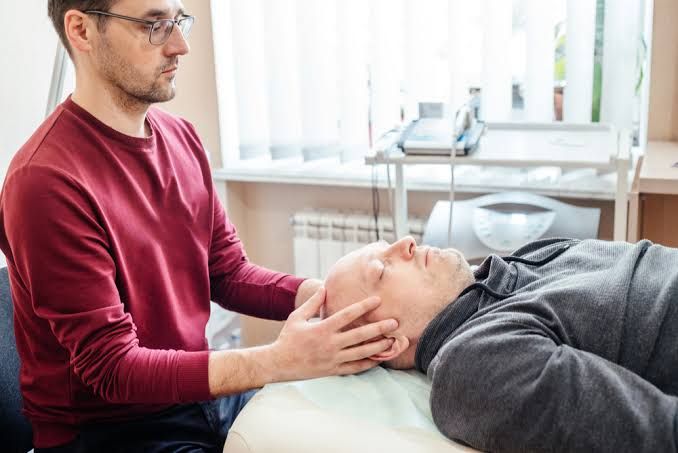
When you suffer from chronic sleeplessness, your bed stops feeling like a sanctuary and begins to feel like a battleground. To reverse this, insomnia cognitive therapy focuses on changing how you interact with your sleep environment and how you structure your time in bed.
The foundation of this behavioral change lies in aligning your sleep window with your actual biological sleep capacity. This process shifts your nervous system out of hyperarousal and consolidates fragmented sleep into a solid, restorative block.
Prerequisites: What You Need to Know Before Starting
Before implementing these behavioral changes, it is essential to establish a baseline. Traditionally, this required keeping a manual, paper-and-pen sleep diary. However, writing down your exact wake-up times and middle-of-the-night awakenings by hand often increases anxiety, forcing you to look at a glowing clock face in the dark—which is a major sleep disruption in itself.
Instead of manual tracking, we recommend utilizing a screen-free biometric tracker. This allows you to collect highly accurate sleep stage data and resting heart rate trends silently in the background, keeping your mind free from tracking-induced stress.
Step-by-Step Execution Protocol
Step 1: Calculate Your Sleep Efficiency Baseline
To begin the behavioral components of cbt-i, you must understand your Sleep Efficiency. This metric is calculated by dividing your total actual sleep time by the total time you spent in bed, then multiplying by 100.
For example, if you lie in bed for 8 hours (480 minutes) but only sleep for 6 hours (360 minutes), your sleep efficiency is 75%. In clinical settings, a sleep efficiency of 85% or higher is considered optimal, indicating that your time in bed is highly consolidated.
Step 2: Restrict Your Bedtime Window (Sleep Compression)
If your sleep efficiency is low, the next phase is mild sleep compression. This means temporarily limiting your time in bed to match your actual sleep duration. If you only sleep 6 hours a night, you set a strict bed window of 6 hours (e.g., 12:00 AM to 6:00 AM).
This sounds counterintuitive, but restricting your time in bed rapidly builds your homeostatic sleep drive—the chemical accumulation of adenosine in the brain that makes you feel naturally heavy-eyed. As this sleep pressure builds, it becomes much easier to fall asleep quickly and stay asleep throughout the night.
Step 3: Establish Strict Stimulus Control
The core objective of stimulus control is to rebuild a strong, positive association between your bed and sleep. When you work through a self-guided cbt i protocol, follow these rules strictly:
- Only use your bed for sleep and intimacy: Do not read, watch television, answer emails, or scroll on your phone while lying in bed.
- The 20-Minute Rule: If you are awake for more than roughly 20 minutes, get out of bed immediately. Go to a dimly lit room and engage in a quiet, non-stimulating activity (such as reading a physical book or journaling) until you feel sleepy. Only then should you return to bed.
- Wake up at the same time every day: Regardless of how poorly you slept, set your alarm for the same time every single morning—even on weekends. This anchors your circadian rhythm.
The Screen-Free Solution: Why Traditional Wearables Fall Short
Many people who try cbti insomnia techniques find that tracking their progress with traditional smartwatches actually makes their sleep worse. Bulky watch bands press into your wrist, screen notifications light up your dark room, and low-battery alerts cause unnecessary stress.
This is why the Herz P1 Smart Ring is so valuable. Crafted from ultra-lightweight titanium, it has no screen to distract you and no vibration alerts to wake you. It silently monitors your sleep stages and heart rate variability in the background, allowing you to focus on your behavioral recovery without the constant interruption of technology.
Common Pitfalls & Mistakes to Avoid
One of the most frequent mistakes is trying to force sleep. Sleep is an active biological surrender; you cannot willpower your way into it. Engaging in “sleep effort”—such as closing your eyes tightly and commanding your brain to drift off—triggers a sympathetic response that keeps you awake.
Another pitfall is sleeping in on weekends to “catch up” on lost sleep. While this feels comforting in the moment, it disrupts your biological clock, making it much harder to fall asleep on Sunday night and perpetuating the cycle of sleep issues during the workweek.
Your Quick CBT-I Checklist
| Action Item | Target Frequency | Clinical Purpose |
|---|---|---|
| Set Fixed Wake Time | Daily (incl. weekends) | Stabilizes your circadian rhythm and optimizes melatonin release. |
| Apply the 20-Min Rule | As needed | Breaks the stressful mental connection between bed and wakefulness. |
| Perform Sleep Compression | Under expert guidance | Builds natural adenosine levels to consolidate fragmented sleep blocks. |
| Track Biometrics Screen-Free | Continuous (overnight) | Monitors Sleep Stages and HRV trends without screen-induced anxiety. |
By systematically applying these principles, you train your brain to recognize the bed as a place of rapid, deep sleep rather than frustrating wakefulness. Consistently maintaining these habits is the most reliable way to overcome chronic sleep issues naturally.
Addressing Stress, Anxiety, and the Sleep-Wake Cycle
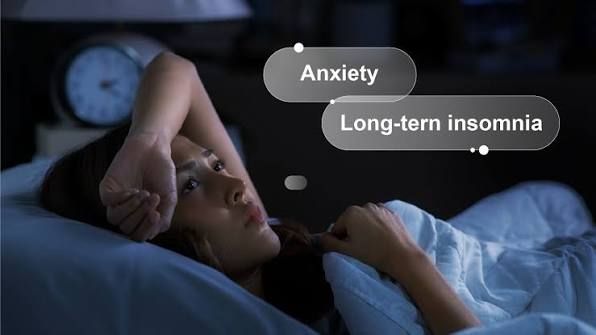
At the root of most chronic sleep issues is an overactive nervous system. When you experience sustained daily stress, your brain increases production of cortisol and adrenaline. This keeps you in a state of alert, making it physically impossible to drop into deep, restorative sleep stages.
Overcoming chronic sleeplessness with cbt insomnia methods requires a clear understanding of your autonomic nervous system. Your nervous system has two primary branches: the sympathetic (“fight or flight”) and the parasympathetic (“rest and digest”). For healthy sleep to occur, your body must transition seamlessly from sympathetic dominance to parasympathetic calm in the evening.
The Role of Heart Rate Variability (HRV) in Sleep Quality
One of the most accurate biological indicators of autonomic nervous system balance is Heart Rate Variability (HRV). HRV measures the tiny, millisecond variations in time between consecutive heartbeats. Contrary to what you might think, a higher and more variable heart rate is actually a sign of a healthy, adaptable, and rested nervous system.
When you are stressed or physically exhausted, your HRV drops, indicating sympathetic dominance. Tracking your HRV trends over time shows how well your body recovers during the night. If you notice your HRV remains low even after sleeping, it means your nervous system didn’t fully transition into parasympathetic recovery, leaving you with that classic, tired-all-day feeling.
Deep Dive into Sleep Stages: Deep, REM, and Light Sleep
Sleep is not a uniform state; it is a complex cycle composed of distinct stages, each serving a critical role in your physical and mental health:
- Deep Sleep (N3): This is your body’s physical restoration phase. During deep sleep, blood pressure drops, muscle tissues repair, and growth hormone is released. Without sufficient deep sleep, you wake up feeling physically sore and fatigued.
- REM Sleep (Rapid Eye Movement): This is the cognitive processing phase. During REM, your brain consolidates memories, processes emotions, and supports creative thinking. A lack of REM sleep is the main cause of next-day brain fog and emotional irritability.
- Light Sleep (N1 & N2): This stage acts as the bridge between wakefulness and deep restorative sleep, helping slow your heart rate and prepare your body for deeper recovery stages.
Understanding these stages highlights why simply lying in bed for eight hours isn’t enough. If your stress levels are elevated, your sleep architecture will be highly fragmented, leaving you with too much light sleep and not enough deep or REM rest. This explains why you can still feel exhausted even after spending a full night in bed.
Ditch the Subscriptions, Keep the Data
Tired of buying expensive health devices only to find your personal sleep data locked behind a monthly paywall? The Herz P1 Smart Ring provides full biometric insights with absolutely zero ongoing fees. Buy it once, and own your Sleep Stage Analysis, HRV metrics, and daily Recovery Score forever.
Practical Sleep Restructuring: What to Do When You Can’t Sleep
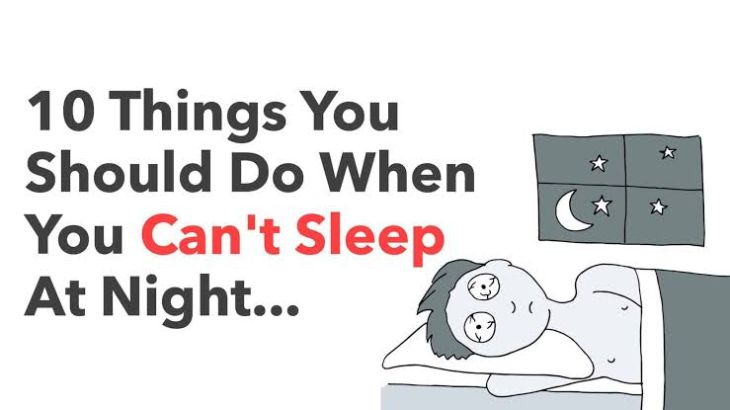
The psychological components of cbt-i therapy address the root beliefs and anxieties that fuel insomnia. When you wake up at 3 AM with your mind racing, the thoughts that immediately follow—”I’ll never fall back asleep,” “I’m going to ruin my presentation tomorrow,” or “My health is deteriorating”—trigger a fight-or-flight response, ensuring you stay awake.
Cognitive restructuring teaches you to identify and challenge these catastrophic thoughts. Instead of viewing sleeplessness as a disaster, you learn to reframe it: “I have survived poor nights of sleep before and still performed well. My body will naturally make up for this lost rest by building a deeper sleep drive for tomorrow night.” This shift in perspective lowers physical arousal, making it much easier to drift back off.
How Screen-Free Biometrics Can Calm Your Sleep Anxiety
Anxiety often thrives on a lack of objective information. Many people struggling with sleep issues believe they “didn’t sleep a single wink” all night. However, clinical sleep studies consistently show that individuals with chronic sleeplessness often experience “sleep state misperception”—meaning they actually sleep far more than they think, but the sleep feels so light and fragmented that their brain registers it as wakefulness.
This is where objective biometric tracking offers major psychological relief. When you wake up feeling like you didn’t sleep at all, but your screen-free tracker shows you actually achieved 3 hours of light sleep, 1 hour of REM, and 45 minutes of deep sleep, it helps break the cycle of catastrophic thinking. Seeing evidence of your body’s recovery reassures your mind, reducing bedtime anxiety and setting you up for easier rest the following night.
By shifting your focus from the quantity of sleep to the quality of your recovery metrics, you can take a structured, logical approach to optimizing your rest. Integrating these steps into your daily routine is the hallmark of successful cognitive behavioral therapy for insomnia principles.
Through consistent practice of sleep compression, stimulus control, and mindful monitoring of your nervous system’s recovery trends, you can break free from chronic sleeplessness and enjoy deep, refreshing sleep once again.
Disclaimer:
Results may vary depending on individual physical activity levels, unique health conditions, and daily tracking patterns. The insights and recommendations provided in this guide are for educational purposes and should not replace professional medical advice. Always consult a healthcare professional for chronic sleep issues.
