

Why Are You Always Tired? How Understanding Your Biological Chronotypes Can Reclaim Your Energy
Are you struggling with a racing mind at 3 AM or non-restorative sleep? Science suggests your daily schedule may simply be out of sync with your internal clock. Tracking your sleep patterns with the screen-free Herz P1 Smart Ring helps decode your body’s natural timing to optimize recovery.
Take Back Your Sleep.
Take Back Your Life.
- Fall asleep faster & sleep deeper
- Stop waking up in the middle of the night
- Wake up refreshed & full of energy
What You’ll Learn In This Guide:
- The biological definition of chronotypes and why your body clock dictates your energy.
- How working against your biological clock causes brain fog and non-restorative sleep.
- A detailed breakdown of the four main sleep profiles (Bear, Lion, Wolf, Dolphin).
- How to transition to a screen-free tracking method to unlock daily sleep metrics and recovery insights.
Demystifying Sleep Chronotypes: The Science of Your Biological Clock

Quick Answer
Yes, understanding biological chronotypes is the key to unlocking your energy. The short answer is that your body clock is genetically hardwired into your DNA, determining your optimal peak productivity windows and sleep times. However, to choose the right wellness schedule, you must understand your distinct genetic rhythm and how to monitor your cardiovascular and nervous system recovery without relying on heavy screens that disrupt your sleep hygiene.
Detailed Explanation
Have you ever wondered why some people spring out of bed at 5:00 AM, ready to conquer the day, while others struggle with deep brain fog until noon? The difference lies in our underlying biology. To truly comprehend this phenomenon, we must start with the standard chronotype definition: a person’s natural, genetically predetermined inclination to sleep and wake at certain times.
Unlike your general circadian rhythm, which is primarily influenced by daylight and dark environmental cues, biological chronotypes are rooted in our genetic makeup. The variation is largely controlled by the length of the PER3 (Period Circadian Regulator 3) gene. When you attempt to force yourself into a lifestyle that directly conflicts with your built-in rhythm, your sleep quality deteriorates. This misalignment can lead to 3 AM awakenings, where a racing mind prevents you from entering restorative sleep.
If you want to master your body’s clock, you must dive deep into the science of biological rhythms. When your external schedule doesn’t match your internal clock, you may find yourself experiencing chronic, non-restorative sleep. You might technically be in bed for eight hours, but your sleep architecture—including REM and Deep sleep stages—is heavily disrupted.
To get a clearer picture of your recovery, you need to look at heart rate variability (HRV) and resting heart rate (RHR) trends during the night. A high HRV generally indicates that your parasympathetic nervous system is active, allowing your body to rest and digest. If you are a natural late-night person forced to wake up early, your cardiovascular system may not fully recover before the alarm rings. This results in a low daily recovery score and feelings of physical exhaustion.
When to Use / Not to Use Chronotype Profiling
When to Focus on This:
- If you suffer from chronic morning brain fog or depend entirely on caffeine to function before noon.
- When you are trying to structure a highly efficient, personalized work schedule that aligns with your natural peak productivity windows.
- If you are looking to optimize athletic performance by timing your most intensive training sessions to match your body’s cardiovascular peaks.
When This is Less Critical:
- During acute, short-term life disruptions, such as caring for a newborn baby or recovering from an illness.
- If you already wake up feeling naturally refreshed, energized, and clear-headed without any alarm assist.
Suggested Solutions for Daily Alignment
How do we bridge the gap between our busy professional lives and our internal biology? The first step is monitoring your trends over time. Standard smartwatches are often bulky, uncomfortable to sleep in, and constant screens can provoke late-night digital distractions.
The ideal alternative is a screen-free tracking method like the Herz P1 Smart Ring. This lightweight titanium ring operates with medical-grade biometric sensors to monitor sleep stages (REM, Deep, and Light) alongside your nightly HRV. Because it doesn’t have a screen, you won’t be tempted by notifications when you experience a 3 AM awakening.
Best of all, it offers a subscription-free model. Unlike many premium fitness trackers that lock your biometric trends behind a monthly paywall, this smart ring lets you own your sleep and recovery data forever. It converts complex biometric algorithms into a single, intuitive recovery score, showing you exactly how well your body has recovered from the previous day.
Chronotype Science FAQ
Q: Can you permanently change your natural chronotype?
A: No, you cannot fully alter your genetic clock. While you can use light exposure and strict sleep hygiene to shift your sleep schedule slightly, your core biology will always lean toward its original archetype.
Q: How do sleep stages differ between various chronotypes?
A: Early risers typically get their deepest slow-wave sleep in the first half of the night, whereas late-night sleepers experience deep sleep much later. If forced to wake early, late-night individuals often miss out on vital REM sleep.
Q: Why do I feel more exhausted when I sleep in on weekends?
A: This is known as “social jetlag.” Shifting your sleep schedule drastically on weekends confuses your circadian rhythm, causing you to experience symptoms similar to travel jetlag.
The Four Sleep Chronotypes: Which Animal Profile Are You?

To help translate clinical sleep research into practical advice, sleep scientists often categorize human behavior into four distinct animal-themed chronotypes. Understanding your category is the first step toward aligning your habits with your internal clock. Let’s look at how to identify your unique biological profile.
Quick Test: What’s Your Default Ryhthm?
Think about a holiday with no work responsibilities. When does your body naturally want to sleep and wake? If you naturally wake up early and sleep easily, you might be a Lion. If you feel a wave of productivity at midnight, you are likely a Wolf. If you follow the sun, you are a Bear, and if you have irregular, light sleep, you are a Dolphin.
The Bear Chronotype (The Steady Rhythm)
The chronotype bear is the most common profile, representing about 55% of the population. People with this circadian profile follow the sun. They rise easily with the light and wind down naturally as night falls.
While Bears find it easier to adapt to standard 9-to-5 working hours, they often experience a noticeable energy dip in the early afternoon, typically between 1:00 PM and 3:00 PM. To protect their sleep, Bears should monitor their mid-day recovery. If a Bear tries to work late into the night, they risk ending up with shallow, non-restorative sleep.
The Lion Chronotype (The Early Riser)
Lions make up roughly 15% of the population. These are your typical morning people who wake up energized, often before their alarm. They are highly analytical, organized, and achieve their peak performance during the morning hours.
The challenge for Lions is that they tend to tire out early in the evening. Social gatherings that start late can be difficult, as their bodies naturally begin preparing for deep sleep by 9:00 PM. If a Lion is forced to stay awake past their biological bedtime, they may experience higher sleep fragmentation, leading to middle-of-the-night wakefulness.
The Wolf Chronotype (The Night Creator)
Wolves represent about 15% to 20% of the population. They are the classic night owls who struggle to wake up early and don’t feel fully alert until the afternoon.
Wolves are highly creative and often find their peak focus starting around 6:00 PM. Unfortunately, because modern work schedules favor early mornings, Wolves are highly susceptible to sleep deprivation. When a Wolf is forced to wake up early for work, they are essentially working against their biology. This chronic mismatch can cause persistent morning brain fog and a dependency on quick-fix caffeine habits.
The Dolphin Chronotype (The Sensitive Sleeper)
Dolphins account for the remaining 10% of the population. In nature, dolphins sleep with only half of their brain active at a time so they can stay alert for predators. Human Dolphins are similarly light, sensitive sleepers.
Dolphins are highly intelligent but often suffer from a racing mind when trying to sleep. They frequently wake up in the middle of the night and struggle to get enough deep sleep. If you are a Dolphin, you must be particularly mindful of your bedtime routine and environmental factors like light, noise, and digital screens.
Archetypes Comparison Table:
| Sleep Chronotype | Peak Productivity Window | Primary Struggle |
|---|---|---|
| Bear | 10:00 AM – 2:00 PM | Post-lunch energy slump |
| Lion | 8:00 AM – 12:00 PM | Early evening fatigue |
| Wolf | 5:00 PM – 10:00 PM | Morning brain fog & fatigue |
| Dolphin | 3:00 PM – 7:00 PM | Light sleep & racing mind |
Identifying your profile is incredibly empowering, but it is only the first step. To verify how your body is responding to these patterns, you must collect objective data. If you are trying to shift your daily schedule, monitoring your biometric trends will show you if your deep sleep stages are improving.
How to Align Your Life and Tracking Tech with Your Body Clock
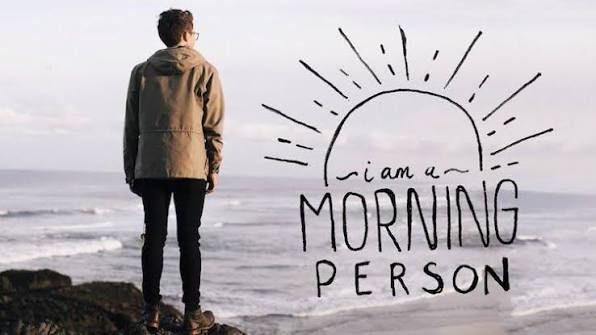
Adjusting your life to match your biological clock doesn’t require a complete lifestyle overhaul. Instead, you can make small, intentional changes to align your habits with your natural chronotypes.
If you want to find your peak productivity windows and optimize your energy, consider these actionable steps:
- First Morning Light: Get at least 10 minutes of direct sunlight shortly after waking up. This helps set your circadian clock and stops the production of melatonin, reducing morning grogginess.
- Strategic Caffeine Timing: Avoid drinking coffee immediately upon waking. Wait 90 to 120 minutes, allowing your natural cortisol levels to rise and fall first. This helps prevent an afternoon energy crash.
- Wind-Down Light Hygiene: Dim your lights and turn off bright screens two hours before bed. Minimizing blue light exposure helps your body transition into restorative sleep stages smoothly.
- Screen-Free Progress Tracking: Use a screen-free device to monitor how these changes affect your recovery. This keeps your bedroom free of digital distractions, helping you manage stress and relax.
Unlock Screen-Free Recovery Insights
Many health-conscious people find typical smartwatches uncomfortable to wear to bed and distracting due to constant notifications. The Herz P1 Smart Ring offers a simple, screen-free alternative.
Made of lightweight titanium, it tracks your sleep stages, HRV, and heart rate trends overnight without any screens or blue light. Its subscription-free design means you can easily monitor your sleep quality and daily recovery score over time, helping you see exactly how synchronizing your lifestyle with your body clock improves your overall well-being.
If you are working to optimize your sleep architecture, remember that consistency is key. Going to bed and waking up at similar times every day—even on weekends—is one of the most effective ways to stabilize your internal clock.
By monitoring your metrics over several weeks, you can identify which adjustments make the biggest difference. Over time, you can design a daily routine that supports your biological needs, helping you clear morning brain fog and wake up feeling refreshed. Focus on reclaiming your energy through gentle, consistent habits, and let your body’s natural rhythm guide you to better rest.
Disclaimer: Results may vary depending on individual physical activity levels, unique health conditions, and daily tracking patterns. The information in this article is for educational purposes and is not intended to substitute for professional medical advice, diagnosis, or treatment. Always consult a healthcare professional regarding any medical concerns.
