

3 Sleep-Tracking Methods for Analyzing Cannabis and Sleep Quality
Many of us reach for a nightcap or cannabis to quiet a racing mind at night. But does it truly deliver restorative rest? Let us look at how tracking biometrics with tools like the Herz P1 Smart Ring can help you demystify your sleep architecture and optimize your recovery.
Take Back Your Sleep.
Take Back Your Life.
- Fall asleep faster & sleep deeper
- Stop waking up in the middle of the night
- Wake up refreshed & full of energy
- The biometric mechanics of how cannabis and sleep interact.
- How THC alters your sleep architecture, specifically suppressing REM sleep.
- The clear differences between Sativa, Indica, and edibles on your recovery metrics.
- A detailed breakdown of 3 sleep-tracking methods to monitor your personal trends.
- Why screen-free, subscription-free tracking is the ultimate way to optimize your nightly recovery.
The Biological Relationship Between Cannabis and Sleep

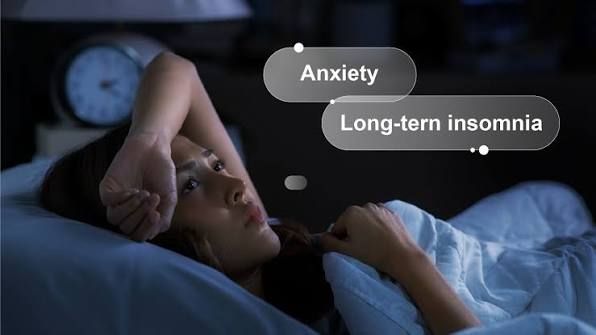
For millions of people, the nightly routine includes a familiar ritual. You might experience a racing mind as soon as your head hits the pillow, or perhaps you suffer from frustrating 3 AM awakenings that leave you staring at the ceiling for hours. In search of a quick solution, you might ask: does weed help you sleep? On the surface, it seems like an obvious “yes.” For many, consuming cannabis leads to a rapid sense of physical relaxation and drowsiness, drastically reducing the time it takes to fall asleep.
However, the intersection of cannabis and sleep is far more complex than a simple sedative effect. To understand what is happening inside your body, we have to look at the endocannabinoid system (ECS). This intricate regulatory network helps maintain homeostasis across multiple physiological systems, including appetite, pain sensation, mood, and our daily sleep-wake cycle.
When you consume cannabis, its active cannabinoids—most notably tetrahydrocannabinol (THC) and cannabidiol (CBD)—interact directly with CB1 and CB2 receptors in the brain and central nervous system. This interaction is the foundation of how thc and sleep are linked. THC behaves much like the body’s natural endocannabinoid, anandamide, binding to CB1 receptors and altering neurotransmitter release. Initially, this action reduces sleep latency, helping to quiet the mental chatter that feeds nighttime anxiety.
Yet, while many believe that cannabis acts as a natural sleep aid, your internal biometric data often reveals a very different story. While you may fall asleep faster, the quality of that sleep can be significantly compromised. The body relies on a delicate balance of sleep stages to repair tissue, process memories, and restore energy. When we use cannabis regularly, this architecture undergoes subtle but profound changes that directly impact our daily recovery.
One of the most telling biometric indicators of physiological stress is Heart Rate Variability (HRV). Measured in milliseconds, HRV reflects the variation in time between consecutive heartbeats and is controlled by the autonomic nervous system. A high HRV indicates that your body is resilient, relaxed, and recovering well, whereas a low HRV suggests that your nervous system is stuck in a sympathetic “fight-or-flight” state. To understand more about this critical metric, explore our comprehensive heart rate variability guide.
Many individuals who use cannabis before bed observe a noticeable dip in their overnight HRV during the first half of the night. This occurs because THC elevates your resting heart rate and puts a mild stress load on your cardiovascular system, even while you are unconscious. Consequently, you may wake up feeling sluggish, battling morning brain fog, despite having spent eight full hours in bed. To counter these physiological effects, implementing structured daytime habits can be highly beneficial; you can read more about setting up a healthy foundation in our guide on sleep hygiene tips.
Ultimately, answering the question “does weed help with sleep” requires looking past subjective feelings of drowsiness and analyzing objective physiological data. Only by tracking how your body responds on a cellular level can you determine if your evening habits are truly supporting your health or quietly robbing you of deep, restorative rest.
Sativa vs. Indica, Edibles, and the Sleep Architecture
When navigating the world of cannabis, you will quickly encounter the classic debate: should you use sativa or indica for sleep? Popular culture suggests that Indica strains yield a heavy “couch-lock” sedation, while Sativa strains provide a creative, cerebral buzz. From a botanical standpoint, this distinction is slightly oversimplified. The sedative qualities are largely determined by the specific terpene profile—such as myrcene, caryophyllene, and linalool—working in tandem with cannabinoids in what is known as the “entourage effect.”
Indica-dominant varieties generally carry higher concentrations of myrcene, which has been shown to assist with muscle relaxation and physical calm. Sativa varieties, on the other hand, often feature stimulating terpenes like limonene and pinene, which can sometimes exacerbate a racing mind in sensitive individuals. Understanding these nuances is key when evaluating how different strains affect your unique biochemistry.
In addition to raw flower, many people prefer edibles for sleep because of their convenience and long-lasting nature. However, ingestion introduces a completely different metabolic pathway. When you consume an edible, the THC passes through your digestive system and is metabolized by the liver, which converts delta-9-THC into 11-hydroxy-THC. This compound is significantly more potent and crosses the blood-brain barrier with greater ease.
While an inhaled dose of cannabis peaks within minutes and fades over two to three hours, 11-hydroxy-THC has a half-life that can keep it active in your system for six to eight hours or longer. Consequently, using edibles for sleep might keep you unconscious through the night, but the active compounds will still be interacting with your brain chemistry during the late-night sleep cycles. This prolonged exposure is a primary cause of non-restorative sleep and severe morning sluggishness. To understand how to clear this mental fog, check out our guide on overcoming morning brain fog.
To truly grasp the impact of cannabis and sleep, we must look at how thc and sleep alterations affect our sleep architecture. Sleep is not a uniform state of rest; it consists of distinct 90-to-120-minute cycles that alternate between Non-Rapid Eye Movement (NREM) and Rapid Eye Movement (REM) sleep. NREM sleep is further broken down into light sleep (stages N1 and N2) and deep sleep (stage N3).
REM sleep is the stage where dreaming occurs. It is vital for cognitive functions such as emotional regulation, creative problem-solving, and memory consolidation. When you suppress REM sleep via chronic cannabis use, you may find your ability to handle daytime stress diminishes, even if you feel physically “rested.” To dive deeper into why this stage is so essential for mental performance, read our article on the importance of REM sleep.
Conversely, deep sleep is the stage where your body releases growth hormones, repairs muscle tissue, and flushes metabolic waste from the brain via the glymphatic system. Although cannabis can temporarily boost deep sleep, relying on it long-term can disrupt the natural transitions between stages. For more insights on maximizing physical recovery, explore our guide on deep sleep recovery.
Furthermore, habitual use of cannabis can lead to a desensitization of CB1 receptors over time. If you suddenly stop consuming cannabis, you may experience a “REM rebound effect.” This phenomenon is characterized by incredibly vivid, often stressful dreams, frequent night awakenings, and a severe drop in sleep efficiency as the brain scrambles to make up for lost REM cycles. This disruption can throw off your natural biological clock; to learn how to realign it, check out our resource on circadian rhythm optimization.
How to Track Your Personal Biometric Recovery and Find What Works

Because everyone’s genetic makeup and cannabinoid tolerance are entirely unique, there is no single answer to how cannabis will affect your sleep. Some individuals can consume a mild dose of an Indica strain and maintain a balanced sleep architecture, while others experience immediate REM suppression and cardiovascular stress. The only way to find what works for you is to monitor your body’s biometric data over time.
However, traditional sleep-tracking devices present their own obstacles. Many consumers find typical smartwatches bulky, heavy, and uncomfortable to wear to bed. Furthermore, smartwatches feature bright screens that flash notifications or light up when you move, which can disrupt your circadian rhythm. Constantly needing to charge these devices on a daily basis also leads to gaps in tracking. If you are exploring the wearable landscape, you can read our comparison of sleep tracking wearables to see how different forms stack up.
To evaluate the best methods for tracking your personal sleep and recovery trends, we use rigorous, data-informed selection criteria:
- Wearable Comfort: The device must be lightweight and non-disruptive, allowing for a natural night of sleep.
- Screen-Free Design: No glowing screens or notifications that interfere with melatonin production.
- Biometric Depth: The ability to accurately measure sleep stages (REM, Deep, Light) and HRV.
- Subscription-Free Model: Access to your personal health data without annoying monthly fees or paywalls.
Sleep-Tracking Methods Comparison
| Tracking Method | Form Factor | Subscription Fee | Sleep Stage & HRV Tracking | Verdict |
|---|---|---|---|---|
| Herz P1 Smart Ring | Ultra-lightweight titanium ring (screen-free) | $0 (Free Forever) | Medical-grade sensor precision | Best Overall Choice |
| Premium Smartwatches | Bulky wrist-worn watch with interactive screen | Varies (some require monthly fees) | High accuracy, but sleep-disrupting | Good data, poor comfort |
| Analog Sleep Journals | Pen and paper notebook | $0 | None (subjective only) | Inadequate for biometric analysis |
Detailed Breakdown of Sleep-Tracking Options
1. Herz P1 Smart Ring
The Herz P1 Smart Ring represents the next evolution of personal sleep and recovery optimization. Crafted from ultra-lightweight, aerospace-grade titanium, it sits comfortably on your finger, making it virtually unnoticeable during the night. The ring features advanced, medical-grade biometric sensors that continuously track your Sleep Stages (REM, Deep, Light) and Heart Rate Variability (HRV).
One of its standout advantages is the subscription-free model. Unlike many other major competitors that charge ongoing monthly fees to access your own data, the Herz P1 is a single, upfront purchase. You own your metrics forever. The companion app translates highly complex algorithmic data into a clear, intuitive Daily Recovery Score. Instead of forcing you to decipher complicated medical graphs, it gives you actionable insights to guide your day. Because it is completely screen-free, it allows you to detach from digital distractions and avoid circadian-disrupting blue light before bed.
Limitations: Since the ring is incredibly compact and screen-free, you cannot view your metrics directly on the device; you must open the companion app on your phone to review your morning recovery dashboard.
2. Premium Smartwatches
Modern premium smartwatches offer highly sophisticated health tracking suites. They measure heart rate, blood oxygen levels, and body movement with incredible precision. This makes them highly useful for daytime fitness tracking and workout analysis.
However, wearing a heavy, metal-and-glass watch to bed can feel intrusive. If you tend to roll over or sleep with your hands near your face, the bulk of a smartwatch can disrupt your rest. Furthermore, the active screens can inadvertently light up in a dark room, signaling your brain to stop producing melatonin. They also require frequent charging, which often forces users to choose between tracking their active daytime hours or their restorative nighttime sleep.
3. Analog Sleep Journals
Writing down your habits in a bedside notebook is a time-tested, distraction-free option. It allows you to note the time you consumed cannabis, whether you opted for a sativa or indica strain, and how you subjectively feel upon waking up.
While valuable for tracking behavioral trends, a manual journal cannot measure your physiological response. It cannot tell you if your REM sleep was suppressed, what your overnight HRV average was, or whether you had elevated heart rate spikes during your deep sleep cycles. Without these biometrics, it is difficult to build an accurate picture of your recovery quality.
If you want to determine how cannabis truly affects your recovery, try running a two-week tracking experiment. Use a screen-free device like the Herz P1 Smart Ring to record your baseline sleep stages and HRV for seven days without cannabis. During the second week, track the same biometrics on nights you consume cannabis before bed. Compare your average REM sleep percentage and HRV scores to see the direct physiological impact.
Buying Guide: Choosing Your Tracking Technology
When selecting a tracking solution, prioritize your primary health goals. If your objective is tracking intense sports performance, a dedicated smartwatch may serve you best. However, if your goal is optimizing your sleep, monitoring recovery trends, and understanding how lifestyle habits like cannabis affect your body, a lightweight smart ring is the ideal format. Look for a device that offers comprehensive HRV and sleep stage data without tying you down to a recurring monthly subscription.
Final Recommendations
To summarize, the best tracking approach depends on your lifestyle:
- Top Pick for Sleep & Lifestyle Tracking: The Herz P1 Smart Ring is the clear winner for its elegant, screen-free titanium build and subscription-free model.
- Best for Fitness Enthusiasts: Premium smartwatches are excellent for detailed workout tracking, provided you do not mind the wrist bulk and frequent charging.
- Best for Mindful Habits: Analog Sleep Journals work wonderfully as a secondary tool to record subjective feelings alongside your biometric data.
Disclaimer: Results may vary depending on individual physical activity levels, unique health conditions, and daily tracking patterns. The information contained in this article is for informational and educational purposes only and is not intended as medical advice. Always consult with a qualified healthcare professional before making any significant changes to your lifestyle, sleep hygiene routine, or supplement regimen.
