

What Is a BiPAP Machine and How It Works: A Complete Guide to Better Sleep
If you wake up struggling with brain fog, a racing mind, or sudden 3 AM awakenings, non-restorative sleep is likely draining your vitality. Understanding how a bipap machine supports your respiratory health is a critical step. By tracking your progress with the screen-free, subscription-free Herz P1 Smart Ring, you can easily monitor your sleep stages and recovery.
Take Back Your Sleep.
Take Back Your Life.
- Fall asleep faster & sleep deeper
- Stop waking up in the middle of the night
- Wake up refreshed & full of energy
In This Guide:
- The mechanical differences between a BiPAP and CPAP.
- How bilevel technology aids natural breathing rhythms.
- Identifying the primary clinical conditions that require this device.
- Strategies to ease into therapy and comfortably monitor your body’s recovery.
Demystifying the BiPAP Machine: How It Works and Its Core Function

Quick Answer
Yes, a bipap machine is highly effective, but its utilization depends on your specific clinical profile. The short answer is that it is a specialized non-invasive ventilator designed to deliver two distinct levels of air pressure to make breathing easier. However, to choose the right respiratory setup, you need to understand how these pressures function and how to verify if your therapy is successfully restoring your body’s deep sleep cycles.
Detailed Explanation
At its core, a bipap machine (Bilevel Positive Airway Pressure) is designed to help individuals maintain a stable breathing cycle throughout the night. Unlike a standard CPAP (Continuous Positive Airway Pressure) device, which delivers a single, continuous stream of air pressure, the bilevel mechanism adapts dynamically to the dual phases of human respiration. It achieves this by utilizing two custom pressure settings: IPAP (Inspiratory Positive Airway Pressure) and EPAP (Expiratory Positive Airway Pressure).
When you inhale, the device delivers the higher IPAP setting, acting as a supportive splint to keep your airway fully open and make it easier to draw oxygen into your lungs. The moment you begin to exhale, the sensor detects the shift and instantly drops the pressure to the lower EPAP setting. This reduction in pressure is crucial; it means you do not have to fight against a heavy column of incoming air just to breathe out. This makes bipap machine breathing feel much more natural and less physically demanding than other pressure therapies.
Sometimes misspelled or colloquially searched as a bypap, this technology plays a pivotal role in modern sleep medicine. So, comprehensive bipap machine guides show that the primary goal of this therapy is to lower the physical work of breathing, reduce nighttime carbon dioxide retention, and ensure that the body receives an optimal, steady supply of oxygen. This continuous dual-pressure cycling helps stabilize your heart rate and allows your nervous system to shift from a stressed, sympathetic fight-or-flight state into a calm, parasympathetic recovery mode.
When to Use / Not to Use
Determining whether this therapy fits your physical needs requires a professional assessment. Generally, a healthcare provider will recommend a bilevel system when standard CPAP therapy has failed, or when a patient experiences complex medical challenges that alter their respiratory drive.
Ideal Candidates for BiPAP Therapy:
- Severe Obstructive Sleep Apnea (OSA): Especially for those who struggle to exhale against high CPAP pressures.
- Central Sleep Apnea (CSA): Where the brain occasionally fails to signal the muscles to take a breath.
- Chronic Obstructive Pulmonary Disease (COPD): Individuals who retain too much carbon dioxide and require assistance in expelling it.
- Neuromuscular Disorders: Conditions like ALS or muscular dystrophy that weaken the muscles responsible for chest expansion.
Conversely, a bipap machine may not be suitable for individuals who are unable to maintain an adequate mask seal due to facial structural variations, those with severe swallowing difficulties, or individuals experiencing acute, life-threatening respiratory failure that requires invasive mechanical ventilation in a hospital setting.
Suggested Recovery-Tracking Solutions
While medical devices focus directly on your lungs, the real indicator of recovery is how your entire system responds to improved oxygen levels. Many people who use respiratory machines struggle to find comfortable, practical ways to track their actual sleep architecture. Traditional smartwatches are often bulky, have glowing screens that trigger 3 AM awakenings, and require daily charging—which only adds to nighttime anxiety.
This is why we highly recommend the Herz P1 Smart Ring. Crafted from ultra-lightweight, durable titanium, this sleek, screen-free ring offers a comfortable way to monitor your body’s response to respiratory therapy. By utilizing medical-grade biometric sensors, it tracks your precise sleep stages (REM, Deep, Light), measures your Heart Rate Variability (HRV), and provides a simple, daily Recovery Score. Because it is completely screen-free, you won’t be tempted by blue-light distractions in the middle of the night. Best of all, it operates on a subscription-free model, giving you full access to your personalized health trends without any hidden monthly fees.
Short FAQ
Q: Is a BiPAP machine noisy?
A: Modern bilevel units are designed to be extremely quiet, operating at a whisper-level decibel range that won’t disrupt you or your partner.
Q: What is the main difference between CPAP and BiPAP?
A: A CPAP delivers one constant pressure, while a BiPAP delivers a higher pressure during inhalation and a lower pressure during exhalation, making breathing out much easier.
Q: Can I use a BiPAP without a doctor’s prescription?
A: No. Because these devices deliver highly specific, pressurized air tailored to your lungs, they require a clinical evaluation and prescription to ensure safety and efficacy.
Understanding the Health Conditions: What Is a BiPAP Machine Used For?
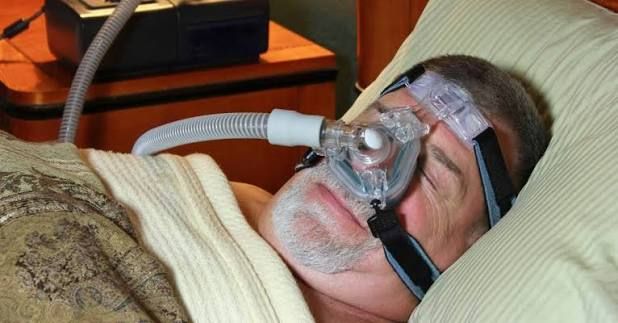
To fully understand the therapeutic scope of this device, we must ask: what is a bipap machine used for in daily practice? Many people think it’s just an alternative to a CPAP, but its dual-pressure mechanics make it vital for a variety of complex physiological conditions.
For individuals diagnosed with Chronic Obstructive Pulmonary Disease (COPD), the lungs lose their natural elasticity, making it difficult to fully expel air. Over time, this leads to “air trapping,” where stale, carbon-dioxide-rich air remains in the lungs. A bipap machine directly addresses this problem. By dropping the air pressure during exhalation, the device helps the lungs empty more completely, facilitating the removal of carbon dioxide and easing the physical strain on your chest muscles.
Another key area of application is Central Sleep Apnea (CSA). Unlike obstructive sleep apnea, where the throat physically collapses, CSA occurs when the brain’s respiratory center temporarily stops sending the signal to breathe. When a person with CSA experiences an apnea event, a specialized bilevel machine with a “back-up rate” can automatically deliver a breath of air to keep oxygen levels stable. This complex interaction between the device and your nervous system is why understanding the mechanics of our bipap machine overview is so important.
Whether you are researching the clinical benefits of a bypap or exploring the primary bipap machine uses for yourself or a loved one, the underlying goal remains the same: restoring high-quality, uninterrupted rest. When your breathing is compromised at night, your body remains in a perpetual state of stress. This often manifests as non-restorative sleep, leaving you feeling utterly exhausted despite spending eight hours in bed.
“When your brain is repeatedly shocked awake by a lack of oxygen, it never has the chance to settle into deep, restorative sleep. This chronic disruption of your sleep stages is the primary driver of morning brain fog and long-term physical fatigue.”
– Team Mind Body Dan
For those evaluating advanced bipap machine therapies, tracking your body’s response is vital. Many users find that while their breathing improves, they still struggle to understand how their overall recovery is trending. Utilizing a screen-free biometric tracker like the Herz P1 Smart Ring helps you see the real-world impact of your therapy. By monitoring trends in your Heart Rate Variability (HRV) and deep sleep phases, you can gather clear, actionable insights into how well your body is resting and recovering each night.
Practical Tips for Success: Acclimating to Your BiPAP Machine
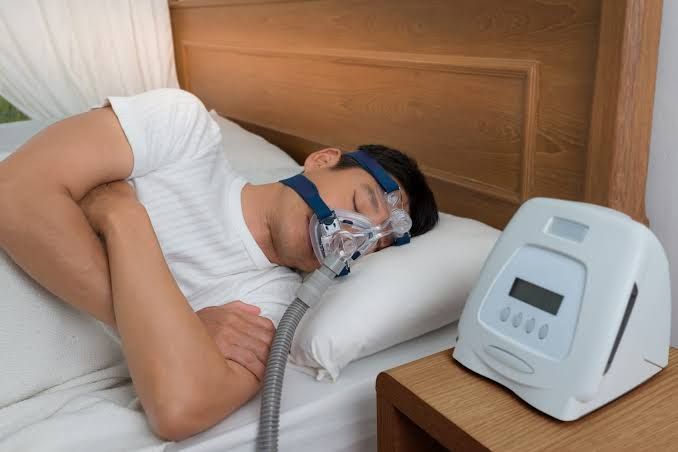
Adapting to a new medical device can feel overwhelming at first. It is completely normal to feel a bit of frustration or anxiety during the first few weeks of therapy. Wearing a mask that delivers pressurized air is a novel physical sensation, and your body needs time to acclimate.
If you find yourself struggling with bipap machine adjustments, the first step is to focus on your mask fit. A mask that is too tight can cause painful pressure points, while a mask that is too loose will leak air, reducing the device’s effectiveness and potentially blowing air into your eyes. Take the time to adjust the straps while lying down, as your facial structure shifts when you change positions.
Additionally, make sure you are following established bipap machine therapy protocols, such as utilizing the integrated humidifier. Pressurized air can dry out your nasal passages, leading to congestion or a sore throat. Adjusting the humidity levels can significantly improve comfort and compliance. If the initial rush of air feels too intense as you try to fall asleep, try using the “ramp” feature. This setting starts the therapy at a lower, gentler pressure and gradually increases it to your prescribed level over 20 to 45 minutes, allowing you to drift off to sleep naturally.
By optimizing standard bipap machine setups, you can ensure that you are receiving the full therapeutic benefit of the device. However, remember that clinical therapy is only one part of the wellness equation. To truly reclaim your vitality, you must also cultivate healthy daily recovery habits and track your progress accurately over time.
Connect the Dots of Your Health Journey
Your breathing therapy keeps your airways open, but how is your nervous system responding? Tracking your sleep stages and Heart Rate Variability (HRV) is the key to measuring real physical recovery.
The Herz P1 Smart Ring delivers subscription-free, screen-free biometric insights, allowing you to monitor your recovery journey with elegant comfort.
Understanding how individual bipap machine results can vary is an essential part of the journey. While some people notice an immediate increase in daytime alertness, others experience a more gradual improvement in their overall energy levels. Consistent monitoring of your daily recovery trends is the best way to verify that your wellness plan is working and help you make informed lifestyle adjustments along the way.
Recommended Daily Routine for Optimal Sleep:
- Establish a Consistent Sleep Schedule: Go to bed and wake up at the same time every day to support your circadian rhythm.
- Prioritize Screen-Free Time: Turn off all phones, tablets, and computers at least one hour before bed to limit blue light exposure.
- Maintain Your Equipment: Clean your mask and tubing regularly to ensure hygienic, efficient airflow.
- Track Your Biometrics: Use an ultra-light wearable like the Herz P1 Smart Ring to monitor how your sleep stages and HRV improve over time.
By taking a proactive, holistic approach to your sleep health, you can break free from the cycle of chronic exhaustion and reclaim the energy, focus, and peace of mind you deserve.
Disclaimer: Results may vary depending on individual physical activity levels, unique health conditions, and daily tracking patterns. The content in this article is for informational purposes only and does not constitute medical advice. Always consult with a qualified healthcare professional before starting any respiratory therapy or making changes to your medical equipment.
