

Achieving restorative rest requires syncing your body with the correct neurological rhythms, and many clinical studies suggest that finding the best frequency for deep sleep is the ultimate key to waking up fully recharged. If you struggle with chronic fatigue or find yourself waking up exhausted despite spending eight hours in bed, tracking your sleep architecture with a premium wearable like the Herz P1 can help you decode your body’s true recovery metrics.
Built to Last. Save Up to 69% Today.
The Herz P1 Smart Ring tracks HRV, Sleep, Heart Rate & SpO2 around the clock. No subscriptions. No renewals. Ever.
In This Article
- The Top Sound Therapy Tools: A comprehensive review of the absolute best products to deliver deep sleep acoustics in 2025.
- The Neurological Science of Delta Waves: An exploration of how slow-wave rest physically transforms your brain and restores your nervous system.
- Solfeggio Frequencies & Sleep Architecture: How specific sound patterns stimulate cell recovery, lower stress hormones, and build resilience.
- Tracking the Unseen Biometrics: How to monitor the impact of your sound therapy using high-tech wearables like the Herz P1.
The 3 Best Sound Therapy Tools for Deep Sleep in 2025

Many people looking to improve their sleep quality turn to sound-induced auditory stimulation to calm their minds before bed.
Different technologies exist to help you reach the best hertz for sleep, ranging from simple streaming apps to sophisticated, highly responsive headphone setups.
Evaluating these options requires looking at both their technical effectiveness and their physical comfort during overnight use.
Here, we rank and review the three most popular sound therapy solutions currently leading the consumer health market.
1. Brain.fm App (Dynamic Auditory Entrainment)
Brain.fm uses patented, AI-generated auditory algorithms designed to gently coax the brain into specific wave states.
It does an exceptional job of providing customized soundscapes that shift dynamically, preventing your brain from habituating to the sound.
This makes it ideal for highly logical, analytical individuals who find standard white noise loops irritating or ineffective.
However, its main limitation is that it requires an active internet connection and a paid subscription to access its full sleeping suite.
2. BetterSleep App (Custom Acoustic Layering)
BetterSleep provides users with a massive library of binaural beats, Solfeggio tones, nature sounds, and guided sleep meditations.
It excels at user personalization, allowing you to manually mix and adjust different best sound frequency for sleep variables into a single track.
This program is perfect for creative individuals who want complete control over their nightly auditory environment.
The downside is that the app can feel overly complex, and scrolling through a bright phone screen right before bed can actively delay melatonin production.
3. SleepPhones Effortless (Acoustic Headband Delivery)
SleepPhones are ultra-slim, padded speakers embedded inside a soft, machine-washable fleece headband designed for sleeping.
This tool is brilliant at delivering consistent, high-fidelity frequencies without causing the ear canal irritation common with standard plastic earbuds.
It is best suited for side sleepers who need a reliable, wireless physical system to play sound therapy overnight.
Unfortunately, the headband can feel overly warm during summer months, and its short six-hour battery life requires daily recharging habits.
The Critical Missing Link: Validating the Sound with Herz P1
While these audio tools do a wonderful job of sending relaxing frequencies to your ears, they cannot track how your body actually responds to them.
To know if you have found your optimal sleep frequency, you need to track your physical biometrics with a precise device.
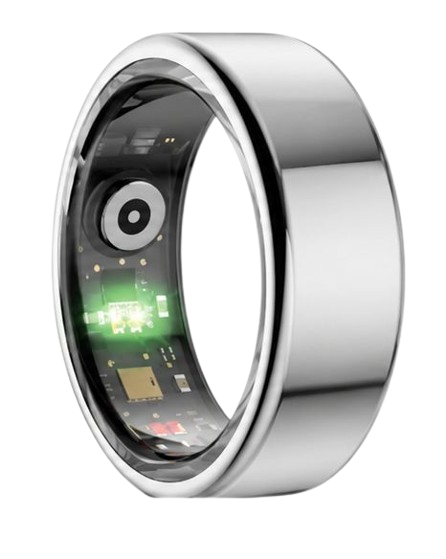
The Herz P1 Smart Ring monitors your heart rate variability, sleep stages, and oxygen levels without any heavy wrist straps or glowing screens.
It serves as the ultimate scientific feedback loop, showing you exactly how much your deep sleep percentage rises when listening to different auditory tracks.
Comparison Summary: Sound Tools vs. Active Tracking
| Device / Solution | Primary Function | Battery Life | Monthly Fees | Waterproof Rating | True Warranty |
|---|---|---|---|---|---|
| Herz P1 Smart Ring | Continuous Biometric & Sleep Stage Tracking | 6 Days (1-Hr Charge) | $0 (Free App For Life) | IP68 (Up to 164 Feet) | 2 Years (90-Day Guarantee) |
| Brain.fm App | Acoustic Brainwave Entrainment Audio | N/A (Uses Phone) | $9.99 / Month | N/A | None |
| BetterSleep App | Custom Ambient Noise Layering | N/A (Uses Phone) | $59.99 / Year | N/A | None |
| SleepPhones Headband | Physical Audio Delivery for Side Sleepers | 6 Hours | None | Not Waterproof | 1 Year |
If you are ready to stop guessing and start measuring your true physiological recovery, we invite you to explore the subscription-free Herz P1 Smart Ring today to optimize your sleep journey.
90-Day 100% Money-Back Guarantee
“The Herz Smart Ring helps me manage stress easily. It’s accurate, stylish, and lightweight—perfect for my busy life!”
— Jennifer P. | ✔ Verified Customer
- ✓ 6-Day Battery Life
- ✓ Detailed Sleep Analysis
- ✓ Fast 1-Hour Charging
- ✓ iOS & Android Ready
Questions? Call: 1-866-479-1629
The Neurological Science of Delta Waves and Slow Wave Rest

To truly understand the best frequency for deep sleep, you must look closely at how the human brain functions during its deepest recovery phase.
Slow-wave sleep, also known as deep sleep stage three, is characterized by highly synchronized electrical oscillations across the cortex.
These slow patterns, known as Delta brainwaves, operate at a very low speed ranging from 0.5 to 4 Hz.
Medical research shows that this specific range is where physical healing, cell regeneration, and immune system strengthening occur.
According to the National Sleep Foundation, the human body cannot repair muscular tissue or clear brain toxins without adequate time spent in this Delta wave state.
Auditory entrainment works by using external sounds to encourage your brain to match these slow, healing frequencies.
When you listen to a binaural beat designed for the Delta range, your brain automatically adjusts its internal electrical firing to align with that slow rhythm.
Many people find that using a best hz for sleep track helps quiet hyperactive thoughts, reducing the time it takes to fall into a deep slumber.
By lowering your brain’s processing speed from the high-frequency Beta state of waking stress down to the low Delta state, you create the ideal conditions for slow-wave rest.
This neurochemical transition reduces circulating cortisol levels and shifts your autonomic nervous system into parasympathetic dominance.
This shift is vital for cardiac recovery, as it lowers your resting heart rate and allows your blood vessels to relax and repair overnight.
Solfeggio Rhythms and the Healing Frequencies for Physical Regeneration
Beyond raw binaural beats, millions of people use ancient acoustic patterns known as Solfeggio frequencies to induce deep sleep states.
Among these, 432 Hz and 528 Hz are widely celebrated as the best frequency for sleep and healing because of their soothing, harmonic properties.
While binaural beats physically alter brainwave patterns, these Solfeggio tones work primarily on reducing emotional tension and muscular holding patterns.
Listening to a steady solfeggio frequencies sleep soundscape can ease somatic stress, making your physical body feel safe enough to release tension.
For individuals who carry physical discomfort into the evening, finding a reliable healing frequency for pain can make a dramatic difference in comfort.
Studies suggest that low-frequency sound stimulation can help block pain signals from traveling up the spinal cord, acting as a natural buffer.
Using solfeggio frequencies for healing before bed provides a dual approach: it calms the central nervous system while simultaneously reducing muscle spasms.
This combination of physical ease and mental stillness makes it much easier for your body to transition into uninterrupted deep sleep cycles.
By incorporating systematic sound therapy for sleep into your bedtime routine, you build a reliable psychological anchor for rest.
Over time, your brain associates these specific acoustic notes with the physical process of shutting down for the night, speeding up sleep onset.
To get the best results, consistency is key, as the brain relies on repeated signals to establish deep, restorative habits.
Practical Application: Reading Sleep Data and Improving Slow Wave Rest
Finding the best hertz for sleep is a highly personalized process that requires careful, regular biometric monitoring.
Because everyone’s nervous system is unique, a frequency that helps one person sleep deeply might keep another awake and alert.
The Herz P1 app simplifies this discovery phase by providing detailed, easy-to-understand metrics on your nightly sleep stages.
When you wake up, you can immediately check your percentage of slow-wave sleep to see if your sound therapy worked.
For example, you can spend three nights tracking your sleep while listening to a 432 Hz track, and then compare that data against three nights of silent sleep.
If your deep sleep percentage increases from 12% to 20%, you have found a working solution that fits your personal biology.
The app also monitors your nocturnal Heart Rate Variability (HRV), which is a key indicator of autonomic nervous system recovery.
A high overnight HRV score indicates that your parasympathetic nervous system successfully recovered from daytime stress.
Additionally, the Herz P1 tracks your blood oxygen levels (SpO2) continuously throughout the night with a professional-grade optical sensor.
This ensures your breathing remains stable, allowing you to sleep comfortably without unseen disturbances waking you up.
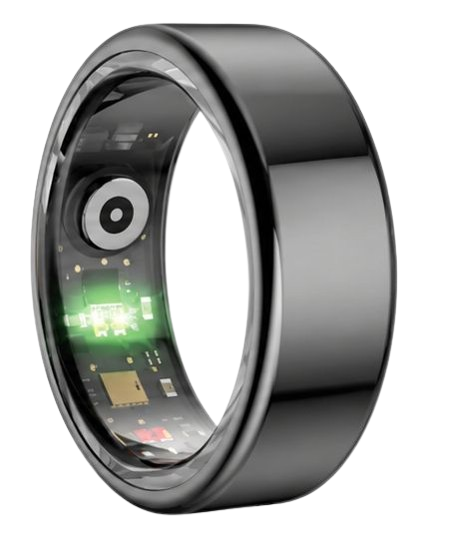
Designed with military-grade steel and a smooth hypoallergenic inner mold, the ring sits comfortably on your finger 24/7 without catching on blankets.
Avoiding the Pitfalls of Bulky Wearables and Hidden Charges
Many wellness seekers attempt to monitor their sleep using heavy, oversized smartwatches that require daily charging.
These bulky wrist devices are often incredibly uncomfortable to wear in bed, causing physical discomfort that disrupts your natural sleep cycles.
Furthermore, the bright, glowing screens of smartwatches can accidentally turn on during the night, exposing your eyes to blue light and waking you up.
Some wearers are also frustrated by the ongoing hidden costs of the wearable market, where basic health data is locked behind high monthly fees.
Paying a monthly subscription fee just to see your own sleep stage data can quickly make a wellness purchase feel like a financial burden.
Team Herz P1 believes that health monitoring should be a straightforward, accessible, and completely transparent experience.
Our companion app is completely free for life, ensuring you never face surprise charges to view your historical biometric trends.
By eliminating these hidden fees and replacing bulky watches with a sleek, durable ring, we make long-term health tracking incredibly easy.
The ring stores up to seven days of biometric data offline, allowing you to disconnect from your phone completely when sleeping.
This freedom from constant phone screens and monthly subscription costs makes the Herz P1 the ultimate tool for peaceful, stress-free recovery.
Frequently Asked Questions About Deep Sleep and Herz P1
Is the Herz P1 Smart Ring waterproof enough for everyday wear?
Yes, the Herz P1 features a certified IP68 waterproof rating, which means it can withstand continuous water pressure up to 164 feet deep.
You can safely wear it while washing your hands, taking a hot shower, swimming laps in a pool, or enjoying a relaxing steam sauna.
The ring’s military-grade steel exterior is highly resistant to corrosion and chemical wear from household soaps and saltwater.
How long does the Herz P1 battery last on a single charge?
The battery on the Herz P1 lasts for up to six full days of continuous, round-the-clock monitoring.
When the battery runs low, you can recharge it back to 100% in under one hour using our fast magnetic charging cradle.
This long-lasting battery life eliminates the stress of daily charging, making it easy to track your sleep trends without interruption.
Which finger is best to wear the Herz P1 on for accurate sleep data?
For the most accurate biometric readings, we recommend wearing the ring on your index, middle, or ring finger.
Choosing your non-dominant hand can also help reduce motion interference during daily physical tasks and workouts.
It is important to select a size that fits snugly at the base of your finger without restricting blood flow or feeling uncomfortably tight.
Does the Herz P1 Smart Ring store biometric data offline?
Yes, the ring contains a secure onboard memory chip that stores up to seven days of detailed data without a phone connection.
This means you can leave your smartphone in another room at night, reducing blue light exposure and eliminating bedtime screen time entirely.
Once you open the app on your phone, the ring will automatically sync all of your historical sleep and heart rate data via Bluetooth.
Conclusion: Embrace Your Deepest Sleep Tonight
Finding the best frequency for deep sleep can completely transform your health, energy, and overall performance.
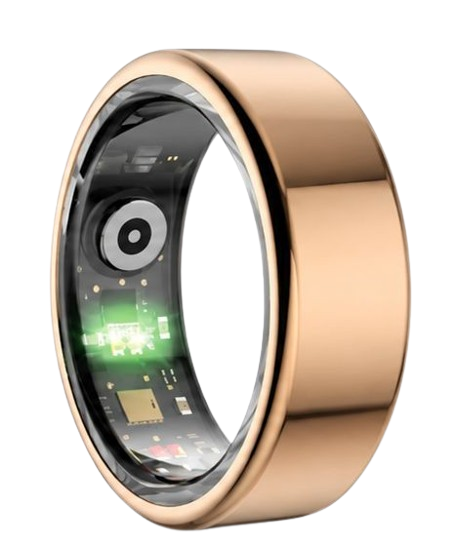
By monitoring your sleep phases with the subscription-free Herz P1 Smart Ring, you can easily discover what works for your unique biology.
Ready to monitor your health every day? Explore the Herz P1 Smart Ring and see if it fits your lifestyle. Call: 1-866-479-1629 — our team can help you advise on the correct ring size and set personalized health goals.
Note: Individual results may vary depending on individual health conditions, age, and lifestyle habits. This article is intended for general health reference purposes only.
