

The 4 Best Firm Mattresses for Spinal Alignment and Deep Sleep Recovery
Are you waking up at 3 AM with a stiff, aching back and a racing mind? Finding the best firm mattress can align your spine, but how do you know if your body is truly recovering? Combining an ergonomic sleep surface with a smart, screen-free wearable like the Herz P1 Smart Ring lets you objectively track your sleep stages and recovery trends.
Take Back Your Sleep.
Take Back Your Life.
- Fall asleep faster & sleep deeper
- Stop waking up in the middle of the night
- Wake up refreshed & full of energy
- Discover why spinal alignment requires a firm, supportive surface to alleviate lower back pain.
- Learn how to evaluate the structural integrity, density, and push-back of high-performance mattresses.
- Explore how tracking sleep stages and Heart Rate Variability (HRV) can prove if your mattress is working.
- Understand why a screen-free, subscription-free smart ring is the ultimate tool for monitoring your daily recovery score.
The Science of Spinal Alignment: Why Support Matters

Waking up at 3 AM with a tight, aching lower back is a clear signal from your musculoskeletal system. When you lay down to rest, your muscles should gradually disengage, leaving your skeletal structure to be fully cradled by your bed. However, if your sleep surface is too soft, your heavy pelvis sinks deeply, throwing your lumbar region into an unnatural, swayback curve. This puts immense physical pressure on your spinal discs, ligaments, and surrounding tissues, resulting in that all-too-familiar morning stiffness.
Investing in the best firm mattress prevents this sagging effect. A supportive surface keeps your spine in a neutral position, whether you are a back or stomach sleeper. By distributing your body weight evenly, you alleviate pressure points, reducing the tossing and turning that causes non-restorative sleep and mental exhaustion.
But spinal support is only one part of the sleep equation. Many individuals upgrade to a high-quality orthopedic bed, yet still wake up feeling drained, experiencing brain fog and daytime fatigue. This stems from a critical knowledge gap: they lack an objective way to monitor whether their physical adjustments are translating into deep, restorative sleep stages. Without accurate data, you are left guessing if your new setup is truly helping your nervous system recover.
During deep sleep, your body enters an anabolic state. This is when human growth hormone is released to repair micro-tears in muscle fibers and spinal tissues. If your mattress forces your back muscles to remain tense just to keep your body level, your nervous system stays locked in a sympathetic (fight-or-flight) state, disrupting your cardiovascular recovery.
To get a clear picture of your rest, we must analyze sleep from both ends: the external physical support of a best firm mattress and the internal biometric markers of your body. Our team at Mind Body Dan evaluated dozens of sleep systems to find options that deliver exceptional lumbar support, combined with cutting-edge tracking to measure your progress.
How We Evaluated the Top Selections
We used five rigorous performance metrics to assess each mattress:
- Progressive Compression: How well the mattress transitions from comfortable surface contouring to robust, heavy-duty support.
- Deflection Resistance: Ensuring the surface does not sag under heavier pressure points, specifically around the hips and torso.
- Thermal Regulation: The use of open-cell structures or natural materials to prevent sleep-disrupting heat retention.
- Eco-Responsibility & Off-gassing: Prioritizing materials certified by CertiPUR-US or GOLS to protect your indoor air quality.
- Real-world Biometric Recovery: How effectively the system works alongside biometric tracking tools to improve your deep sleep cycles and daily energy levels.
Top Solutions Compared: Mattresses & Biometric Wearables
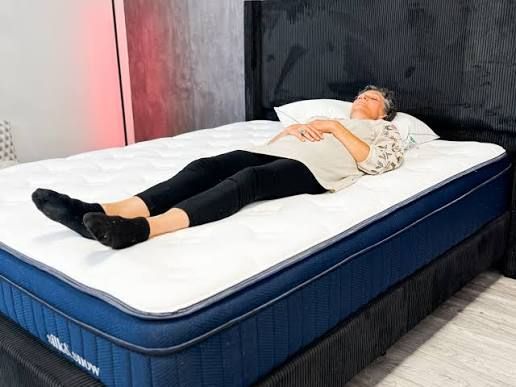
To help you find the perfect setup for your needs, we have compiled our top-performing sleep solutions into a straightforward, side-by-side comparison.
| Product Name | Primary Focus | Key Benefit | Firmness Level |
|---|---|---|---|
| PlushBeds Botanical Bliss | Organic Latex Support | Pressure Relief & Eco-Certified Materials | Medium-Firm to Firm |
| Saatva Classic (Firm) | Luxury Coil-on-Coil Hybrid | Exceptional Lumbar Support & Edge Security | 8/10 True Firm |
| WinkBed (Firmer) | Targeted Back Pain Support | Zoned Lumbar Support & Heavy-Duty Edge Coils | 7.5/10 Supportive |
| Herz P1 Smart Ring | Biometric Recovery Tracking | Tracks HRV, Deep Sleep Stages & HRV Trends (No Subscription) | N/A (Wearable Device) |
1. PlushBeds Botanical Bliss (The Organic Latex Leader)
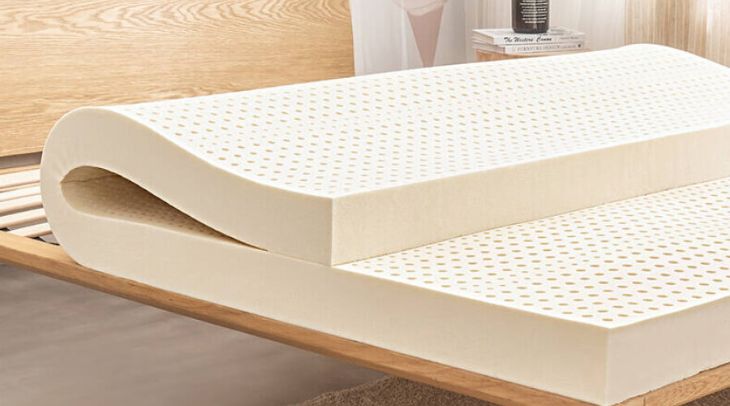
For eco-conscious sleepers looking for a good firm mattress, the PlushBeds Botanical Bliss is an outstanding choice. Crafted with 100% natural ARPICO organic latex, organic cotton, and pure Joma wool, this mattress delivers excellent buoyant support without relying on synthetic chemicals.
Unlike traditional memory foams that create a “sinking” sensation, organic latex pushes back against your body. This rapid responsiveness keeps your hips elevated, ensuring your spine stays properly aligned. It also features excellent temperature regulation, keeping you cool throughout the night.
- Strengths: Highly breathable, GOTS and GOLS certified, and offers customizable firmness layers.
- Weaknesses: Extremely heavy to move; higher price point than standard foam options.
- Ideal For: Side-to-back sleepers who want a resilient, natural surface that prevents overheating.
2. Saatva Classic in “Firm” (The Gold Standard of Innerspring Support)
If you are searching for a true luxury firm mattress, the Saatva Classic (Firm configuration) is designed to mimic the feel of a high-end hotel bed. Built with a dual-coil steel system, it combines a durable base unit with individually pocketed comfort coils.
The Saatva Classic features a dedicated lumbar zone. It utilizes an active wire support system along with high-density memory foam in the middle third of the bed, providing extra support right where your hips sit. It is a fantastic firm bed for back pain, preventing your hips from sagging while cradling your shoulders and knees.
- Strengths: Outstanding edge support, luxury quilted Euro pillowtop, free white-glove delivery and setup.
- Weaknesses: Strong motion transfer compared to all-foam mattresses, which may disrupt light sleepers sharing a bed.
- Ideal For: Back sleepers and stomach sleepers who prefer a traditional, responsive innerspring feel with strong edge support.
3. The WinkBed in “Firmer” (The Best Zoned Hybrid)
The WinkBed in its “Firmer” configuration is a high-performance hybrid mattress designed to target chronic back pain. It combines a plush euro-pillowtop with a zoned pocket-coil support system. This layout places firmer, higher-gauge coils in the center of the bed to prevent lumbar sagging, while softer coils under the shoulders allow for comfortable pressure relief.
The mattress provides outstanding spinal support, helping to relieve physical tension in the lumbar region. It has a responsive bounce, making it easy to shift positions throughout the night without feeling stuck in the mattress layers.
- Strengths: Targeted lumbar support zones, reinforced edge profile, outstanding airflow through open-coil design.
- Weaknesses: Bulky and difficult to rotate; pillowtop may soften slightly after several years of consistent wear.
- Ideal For: Sleepers prone to lower back stiffness who need a blend of contouring comfort and rigid structural support.
4. The Herz P1 Smart Ring (Your Objective Sleep Recovery Partner)
Even if you sleep on the best firm mattress, how do you verify if your muscle tension is decreasing and your body is truly resting? This is where the Herz P1 Smart Ring comes in. Designed to bridge the gap between physical support and biometric data, this sleek wearable helps you track and understand your sleep.
Unlike bulky smartwatches that run out of battery quickly, disrupt sleep with screen notifications, or feel uncomfortable to wear, the Herz P1 is crafted from lightweight, medical-grade titanium. It slides onto your finger and continuously monitors your health metrics without any screen distractions or glowing lights.
The ring tracks your sleep stages, separating deep sleep, REM sleep, and light sleep. It also measures your Heart Rate Variability (HRV)—a key metric for tracking physical recovery and stress levels. Best of all, it operates on a completely subscription-free model, meaning you buy it once and own your sleep data forever, with no hidden monthly fees.
Unlock the Secrets of Your Deep Sleep
Don’t just guess if your mattress is helping your back. Track your HRV, REM stages, and nightly recovery scores with the subscription-free Herz P1 Smart Ring.
- Strengths: Subscription-free, ultra-light titanium construction, tracks HRV, sleep stages, and active steps, long-lasting battery life (only charge once a week).
- Weaknesses: Does not feature a screen (designed for distraction-free tracking; all data is viewed in the companion app).
- Ideal For: Busy professionals, fitness enthusiasts, and anyone looking for comfortable, screen-free sleep tracking to monitor their recovery.
The Science of Recovery: How Your Mattress Influences HRV
To understand how the best firm mattress can help with chronic back pain, we have to look at Heart Rate Variability (HRV). HRV measures the variation in time between consecutive heartbeats. This metric is controlled by your autonomic nervous system, which is divided into the sympathetic (fight-or-flight) and parasympathetic (rest-and-digest) systems.
When you sleep on a sagging, unsupportive mattress, your body detects physical stress. Your brain sends signals to keep your core muscles active to protect your spine. This constant muscle tension keeps your sympathetic nervous system engaged, resulting in a lower HRV and keeping you from entering deeper, restorative sleep stages.
Conversely, resting on a supportive, good firm mattress allows your muscles to fully relax. This physical relief shifts your body into a parasympathetic state, allowing your HRV to rise. A higher HRV is a strong indicator of physical recovery, showing that your nervous system is relaxed and repairing itself.
— The Mind Body Dan Team
Using a tracker like the Herz P1 Smart Ring lets you see how physical adjustments directly impact your recovery. After switching to a firm bed for back pain, you can monitor your biometric data to see if your deep sleep cycles are lengthening, your nighttime awakenings are decreasing, and your HRV is improving.
Traditional wrist-worn trackers often fall short here. Many people find smartwatches bulky and uncomfortable to sleep in. Their bright screens can turn on when you move, disrupting your rest, and they require frequent, sometimes daily, charging. By choosing a lightweight, screen-free smart ring, you can track your health metrics comfortably and quietly throughout the night.
Ergonomic Buying Guide & Recommendations
When shopping for a best firm mattress, look beyond the initial feel of the bed in a showroom. Focus on how the mattress is constructed to support your specific sleeping position:
- Back Sleepers: Look for a mattress that provides a blend of lumbar contouring and deep, supportive pocket coils to keep your spine aligned.
- Stomach Sleepers: Focus on finding a flat, highly supportive surface. Your hips must stay level with your shoulders to prevent stress on your lower back.
- Side Sleepers: Choose a luxury firm mattress with a responsive comfort layer. This offers enough cushion for your shoulders and hips while keeping your spine straight.
Upgrading your mattress is a major first step toward relieving back pain, but tracking your sleep gives you the data to prove it is working. Incorporating a screen-free biometric tool like the Herz P1 Smart Ring helps you monitor your progress, ensuring your new setup is helping you wake up feeling refreshed and energized.
Disclaimer: Results may vary depending on individual physical activity levels, unique health conditions, and daily tracking patterns. Content on Mind Body Dan is for informational and educational purposes only and should not replace professional medical advice. Always consult a healthcare provider for any questions regarding chronic pain or sleep disorders.
