

9 Best Cuddling Positions for Couples to Sleep Comfortably
Craving physical connection but waking up with numb limbs and a racing mind? Finding the right cuddle positions can dramatically lower stress metrics like Heart Rate Variability (HRV). To monitor how co-sleeping impacts your recovery without bulky screens, we recommend tracking with the screen-free Herz P1 Smart Ring.
Take Back Your Sleep.
Take Back Your Life.
- Fall asleep faster & sleep deeper
- Stop waking up in the middle of the night
- Wake up refreshed & full of energy
Key Highlights:
- Discover the biomechanics behind the best cuddling positions that protect your joints and spine.
- Learn how co-sleeping influences critical sleep stages, including Deep and REM sleep.
- How to track and optimize your rest using non-intrusive, screen-free wearable technology.
- Actionable tips to resolve common cuddling conflicts like body heat and limb numbness.
Choosing the Best Cuddling Positions and the Tools to Measure Your Recovery
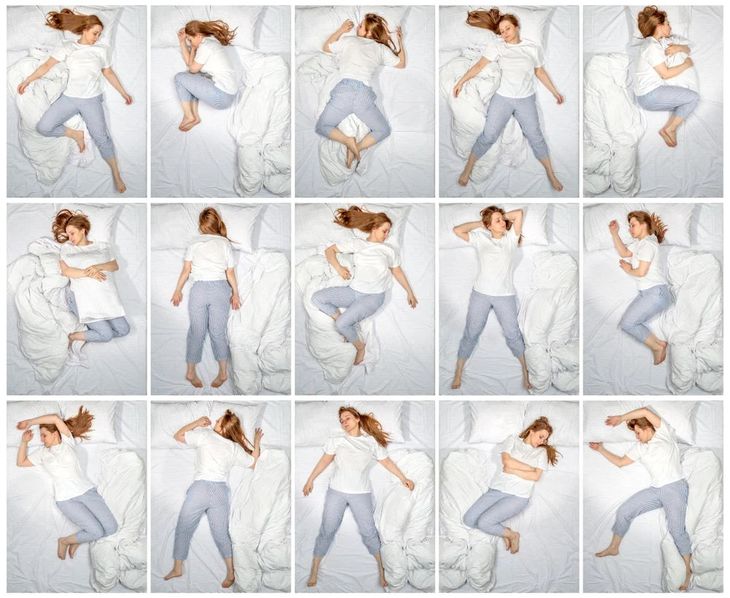
Sharing a bed with a partner is one of life’s greatest comforts, yet it frequently comes with a silent cost. Many couples find themselves trapped in a cycle of non-restorative sleep. You crawl into bed hoping for intimacy, only to spend the night tossing, turning, and battling for mattress space. By 3 AM, you might wake up with a completely numb arm, a racing mind, or feeling overheated, ultimately rolling to opposite sides of the bed in frustration.
The next morning, you are greeted by brain fog and an overwhelming sense of fatigue, relying on heavy doses of caffeine just to get through the workday. This is where mastering the best cuddling positions becomes essential. The way we position our bodies during sleep dictates how efficiently our nervous systems transition into deep recovery.
To evaluate both the cuddling postures and the technologies used to track their physiological impact, we at Mind Body Dan established a rigorous set of guidelines.
Our Selection and Evaluation Criteria
- Spinal Alignment & Biomechanics: Does the position maintain natural spinal curvature and prevent joint strain?
- Circulatory Health: Does the position minimize prolonged pressure on major nerve pathways (such as the radial or ulnar nerves) to prevent the dreaded “dead arm” sensation?
- Thermoregulation: Does the posture allow for adequate heat dissipation, preventing nighttime micro-awakenings caused by overheating?
- Wearable Trackability: Is the sleep-tracking tool comfortable enough to wear during close physical contact without scratching your partner, catching in their hair, or emitting annoying screen glare?
- Data Actionability: Does the tracking tool translate complex physiological metrics into simple, actionable daily scores without demanding a costly subscription?
Sleep Tracking Solutions Comparison
| Feature / Metric | Herz P1 Smart Ring | Standard Smartwatch | Chest Strap Monitor |
|---|---|---|---|
| Cuddle Comfort | Excellent (Ultra-light, screen-free) | Poor (Bulky, sharp edges, screen glare) | Very Poor (Restrictive, uncomfortable) |
| Subscription Fees | $0 (Subscription-Free Forever) | Often $6–$15/month | None |
| Battery Life | Multi-day tracking | 12–24 hours (Requires daily charge) | Varies (Coin cell/USB) |
| Biometrics Monitored | Sleep Stages (REM, Deep, Light), HRV, Recovery Score | Vitals, Steps, Notifications | Heart Rate, HRV (During workouts only) |
Detailed Device Analysis
1. The Herz P1 Smart Ring (Top Overall Sleep & Recovery Companion)
The Herz P1 Smart Ring represents the pinnacle of modern, non-intrusive health tracking. Constructed from premium, medical-grade titanium, this ultra-lightweight smart ring sits comfortably on your finger, completely eliminating the bulk associated with traditional wristwatches. It contains advanced biometric sensors designed to track Sleep Stages (including REM, Deep, and Light phases), alongside Heart Rate Variability (HRV) and Daily Activity.
Crucially, it requires no annoying subscriptions. You pay once and own your data forever, freeing you from subscription fatigue. By translating complex algorithmic trends into an intuitive, daily Recovery Score, the Herz P1 helps you effortlessly measure how changes in your sleeping habits affect your physical readiness.
- Strengths: Zero subscription fees; lightweight titanium structure; screen-free design prevents bedtime blue-light exposure; highly accurate HRV and sleep stage algorithms.
- Limitations: Lacks a visual screen, meaning you must sync it with your phone in the morning to view detailed graphs (which we actually consider a positive for establishing healthy, screen-free sleep habits).
- Ideal User: Health-conscious individuals, side-sleepers, and couples who want deep physiological insights without wearing bulky tech to bed.
2. Generic Smartwatch Trackers
Standard wrist-worn devices dominate the fitness space, but they frequently fall short in the bedroom. They are inherently bulky, and their active screens can accidentally light up in the middle of the night, disrupting your partner’s sleep and causing sudden micro-awakenings.
- Strengths: Real-time on-screen notifications; robust workout GPS tracking.
- Limitations: Annoying daily charging cycles; uncomfortable during close physical cuddle positions; potential to scratch your partner; recurring subscription fees for advanced health summaries.
- Ideal User: Daytime athletes who prioritize direct screen notifications over quiet, screen-free overnight recovery.
3. Chest-Strap Heart Rate Monitors
Chest straps offer excellent clinical accuracy for cardiovascular tracking, but they are incredibly restrictive and impractical for overnight wear, especially when sleeping face-to-face or chest-to-chest with a partner.
- Strengths: Clinical-grade heart rate tracking during intense training sessions.
- Limitations: Highly uncomfortable; restricts natural breathing movements; completely unsuited for long-term sleep and recovery monitoring.
- Ideal User: Competitive athletes looking for hyper-accurate, short-term workout metrics.
Buying Guide for Sleep Tracking:
When looking for a device to monitor your co-sleeping wellness, choose a low-profile form factor. The best tool is one you completely forget you are wearing. Look for medical-grade sensors, seamless app integration, and a clear, easy-to-read daily Recovery Score that doesn’t overwhelm you with raw data.
Final Recommendations Summary
- Best Overall & Best for Couples: The Herz P1 Smart Ring due to its screen-free, lightweight titanium comfort, and subscription-free model.
- Best for Active Athletics Only: A standard smartwatch, provided you disable the screen wake feature and don’t mind charging it daily.
- Best for Pure Cardio Testing: A dedicated chest-strap monitor, reserved strictly for daytime workouts.
The Science of Co-Sleeping and the Best Cuddling Positions for Deep Rest

Cuddling is more than just a sweet, emotional gesture. It triggers a profound chemical shift in the body. When you lay close to your partner, your brain releases oxytocin—often called the “love hormone.” Oxytocin naturally suppresses cortisol (the primary stress hormone), which lowers your resting heart rate and blood pressure. This hormonal shift is directly tied to improving Heart Rate Variability (HRV), which is a major indicator of physical recovery and autonomic nervous system balance.
However, if your chosen cuddling positions are biomechanically awkward, the physical strain of joint compression and restricted breathing will outweigh these chemical benefits, triggering micro-arousals that kick you out of the critical deep sleep phase. Finding a balance is key. Let’s break down the 9 best cuddling positions designed to maximize comfort, support proper posture, and keep your body in a deeply restorative state all night long.
1. The Classic Spoon
Widely regarded as one of the most popular cuddle positions, the Classic Spoon offers extensive skin-to-skin contact. The “big spoon” wraps around the “little spoon” from behind, with both partners resting on their sides.
- How to execute: Both partners lie on their left or right side, facing the same direction. The big spoon wraps their arm gently over the little spoon’s waist. To protect your lower back, place a small pillow between your knees to keep your hips neutrally aligned.
- Pros: Highly comforting; promotes deep intimacy; excellent for heat sharing in cooler environments.
- Cons: Can lead to shoulder compression for the big spoon, and may feel too warm in hot climates.
2. The Loose Spoon
The Loose Spoon is an exceptional variation of the classic spooning style, tailored for couples who want to stay close without feeling constricted.
- How to execute: Adopt the standard spooning posture, but back away from each other by two to six inches. This gap allows air to circulate between your bodies, preventing heat buildup.
- Pros: Reduces joint pressure; allows for easier independent movement; minimizes waking up from heat.
- Cons: Slightly less intimate than tighter cuddling positions, but vastly better for maintaining deep, uninterrupted sleep.
3. The Sweetheart Cradle
If you are looking for how to cuddle in a way that feels incredibly safe and nurturing, the Sweetheart Cradle is an outstanding choice.
- How to execute: One partner lies on their back while the other rests their head gently on the partner’s shoulder or chest, draping an arm across their torso.
- Pros: Offers a strong sense of security; lowers heart rate via chest-to-chest contact.
- Cons: The back-sleeping partner can experience neck stiffness or shoulder numbness if the other’s head is placed directly on muscle tissue rather than a soft pillow.
4. Face-to-Face (The Pillow Talk)
A beautiful choice for direct, emotional eye contact, the Face-to-Face position is perfect for winding down before dropping off into deep sleep.
- How to execute: Both partners lie on their sides, facing each other with noses and chests aligned, letting their limbs gently intertwine.
- Pros: Promotes communication and emotional bonding; ideal for syncing breathing patterns.
- Cons: Breathing directly into each other’s faces can quickly feel stifling or overly warm. Most couples transition out of this cuddling position once they fall asleep.
5. Back-to-Back (The “Cherish” Position)
Often misunderstood as a sign of emotional distance, the Back-to-Back position is actually a highly mature, supportive cuddling position that balances personal space with comforting touch.
- How to execute: Both partners face away from each other toward opposite edges of the mattress, but maintain light, reassuring contact with their backs or bottoms.
- Pros: Maximizes spinal freedom; keeps you cool; completely eliminates limb compression.
- Cons: Low visual connection, which some partners may initially perceive as emotionally distant.
— Team Mind Body Dan
6. The Leg Hug
The Leg Hug is perfect for couples who need physical independence for their upper bodies but still crave physical touch.
- How to execute: Sleep in whichever posture feels most comfortable to you—whether that is on your back, stomach, or side—and simply drape one leg or foot over your partner’s calf or ankle.
- Pros: Zero upper-body restriction; fantastic for side or stomach sleepers; excellent thermoregulation.
- Cons: Minimal chest-level intimacy, though still highly reassuring.
7. The Paper Doll
The Paper Doll is an excellent, low-pressure option for back-sleepers who want to maintain an easy, gentle touch.
- How to execute: Both partners lie flat on their backs, parallel to each other, simply touching hands, fingers, or resting their forearms against each other.
- Pros: Keeps the spine in a perfect, neutral position; minimizes shoulder pain; ideal for those with joint issues.
- Cons: Lacks full-body contact, which may not feel intimate enough for some couples.
8. Head on Chest
Similar to the Sweetheart Cradle, the Head on Chest cuddling position is a highly protective, intimate arrangement.
- How to execute: One partner lies flat on their back. The other lies on their side or stomach, resting their cheek directly over the back-sleeper’s heart center.
- Pros: Hearing your partner’s heartbeat can physically sync your respiratory rhythm, helping to quiet a racing mind.
- Cons: Can restrict chest expansion for the partner lying on their back, making it harder to take deep, relaxed breaths.
9. The Cliffhanger
For those nights when you are feeling restless, sore, or overheated, the Cliffhanger allows you to prioritize sleep space while maintaining a token touch.
- How to execute: One partner sleeps near the extreme edge of the bed, stretching out fully, while the other does the same. You connect only through a single outstretched hand or foot.
- Pros: Ultimate personal comfort and temperature control; perfect when recovering from intense physical workouts.
- Cons: Minimal physical intimacy.
Overcoming Cuddling Struggles and Optimizing Your Shared Sleep Environment

Even if you find the absolute best cuddling positions for your body, overnight challenges are bound to crop up. From physical discomfort to lifestyle stressors, several factors can disrupt your shared sleep. Understanding how to handle these challenges will help protect your relationship and your recovery.
Let’s look at the most common sleep disruptors and how to solve them:
1. Joint Pain and Muscle Numbness (“The Dead Arm”)
When you cuddle, the weight of your partner’s head or torso can easily compress the radial nerve in your shoulder or arm, blocking circulation. This leads to that annoying pins-and-needles feeling and painful muscle cramping.
The Solution: Switch to cuddling positions that keep your shoulders free, such as the Loose Spoon or Back-to-Back. You can also place a designated pillow under your partner’s head to take their weight off your arm, allowing you to support their neck without compressing your nerves.
2. Tossing, Turning, and Middle-of-the-Night Awakenings
If your partner is a restless sleeper, every movement they make can wake you up, pulling you out of restorative REM sleep stages and leaving you with brain fog the next morning.
The Solution: Consider upgrading to a memory foam mattress that isolates motion, so their movements don’t transfer to your side of the bed. It also helps to practice healthy sleep hygiene practices together, ensuring both of you are relaxed before your heads even hit the pillow.
3. Dealing with Body Heat and Night Sweats
Skin-to-skin contact is wonderful, but it can quickly drive up your body temperature. Waking up hot and sweaty ruins your sleep quality and interrupts your body’s natural cooling process.
The Solution: Try a position like the Leg Hug or Back-to-Back, which keeps your upper bodies separate so heat can escape. Swapping out your sheets for breathable, moisture-wicking materials like bamboo or linen is also a game-changer.
Quiet Your Mind, Lift Your Energy
Bedtime should be a screen-free haven where you can fully unwind from the day’s stress. If you are struggling with a racing mind, late-night anxiety, or how to fall asleep faster, keeping distracting phones and screens out of the bedroom is a great first step.
Using a screen-free tracker like the Herz P1 Smart Ring lets you monitor your overnight recovery without any glowing screens or annoying vibrations interrupting your peaceful wind-down.
The Role of Physical and Emotional Recovery
A truly restful night of sleep is the foundation of physical muscle recovery and emotional balance. When your sleep is repeatedly cut short, your body misses out on cellular repair and hormone regulation, leading to cumulative fatigue and a low daily Recovery Score.
To combat the impact of emotional stress on sleep, it helps to look at your rest objectively. By tracking trends in your sleep stages and HRV, you can see exactly which cuddling positions support your body’s recovery, helping you design a bedtime routine that works perfectly for both you and your partner.
Disclaimer: Results may vary depending on individual physical activity levels, unique health conditions, and daily tracking patterns. The content on Mind Body Dan is for educational and informational purposes only and should not be used as medical advice. Always consult a healthcare professional before making major changes to your sleep, exercise, or health routine.
