

Achieving restorative rest is a constant struggle for busy professionals, but understanding the benefits of pink noise sleep can revolutionize your nightly recovery. By pairing this targeted sound therapy with the advanced health-tracking capabilities of the Herz P1 smart ring, you can scientifically monitor and improve your deep sleep stages. This article will show you how to leverage auditory stimulation to enhance memory and wake up fully refreshed.
Built to Last. Save Up to 69% Today.
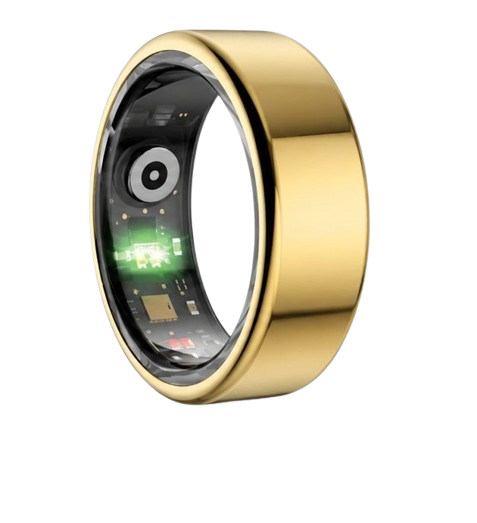
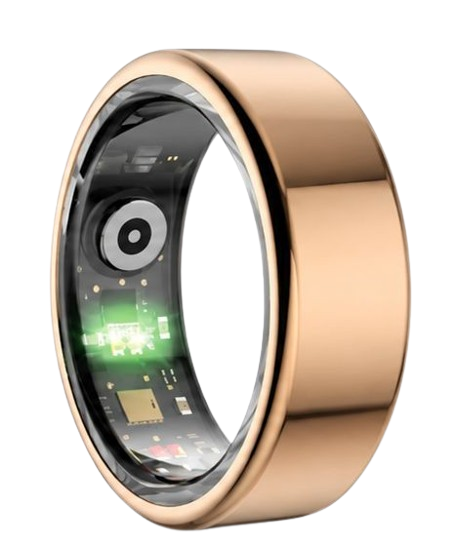
The Herz P1 Smart Ring tracks HRV, Sleep, Heart Rate & SpO2 around the clock. No subscriptions. No renewals. Ever.
In This Article
- Understand how to define pink noise and how its unique acoustic properties support deep sleep and neural rest.
- Discover a step-by-step practical protocol to utilize pink noise safely and effectively in your nightly sleep routine.
- Explore the neurological science that connects auditory stimulation with improved memory consolidation during slow-wave sleep.
- Learn how to read and analyze your sleep stages, HRV, and physiological metrics using advanced biometric wearables.
What Is Pink Noise? Defining the Auditory Spectrum of Rest
To harness the therapeutic power of sound, you must first what-noises-help-you-sleep.
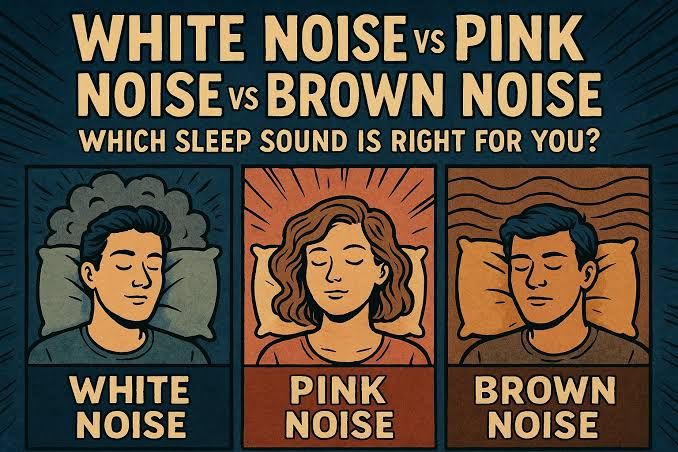
Many people are familiar with white noise, which contains equal energy across all audible frequencies.
However, to truly define pink noise, we must look at how sound energy is distributed.
Pink noise, also known as pink sound, contains deeper, richer sounds because the lower frequencies are more prominent than the higher ones.
In technical terms, the power density of pink noise decreases by three decibels per octave as the frequency increases.
This 1/f spectral density profile mirrors many natural systems, including human brainwave patterns and cardiovascular rhythms.
Because of this unique mathematical balance, the human brain perceives pink noise as exceptionally smooth and soothing.
When compared to other acoustic profiles, choosing which noise is best for sleep often depends on your personal sensitivity to high pitches.
While white noise can sometimes sound harsh or static, like a whistling steam pipe, pink noise sounds like a gentle, steady rainfall.
It can also sound like wind rustling through dry autumn leaves or distant, deep ocean waves.
The primary objective of using this balanced soundscape is to mask disruptive environmental noises.
Sudden barks, car horns, or floorboard creaks can trigger the brain’s alarm systems even if they do not fully wake you up.
By creating a uniform auditory background, pink noise shields your sleeping brain from these micro-arousals.
This acoustic shielding is one of the foundational benefits of pink noise for overnight recovery.
Furthermore, the physiological response to these balanced frequencies goes far beyond simple sound masking.
Clinical research indicates that listening to these sounds can actively guide the brain into highly organized slow-wave patterns.
These slow-wave patterns are the hallmark of deep, restorative non-REM sleep stages.
By stabilizing your auditory environment, you allow your autonomic nervous system to shift comfortably into a parasympathetic state.
This shift lowers your resting heart rate, reduces cortisol levels, and prepares your brain for memory processing.
How to Use Pink Noise to Enhance Your Deep Sleep: A Step-by-Step Guide
Before you begin this auditory protocol, you should ensure you have the proper tools.
You will need a reliable sound-generating device, such as a high-quality speaker, a dedicated sound machine, or a smartphone app.
You will also benefit from a precise, non-invasive health tracker, like the Herz P1 Smart Ring, to monitor your results.
-
Step 1: Select Your Sound Source and Audio Quality
Choose a high-fidelity speaker or a dedicated sound machine that can accurately reproduce low-frequency tones.
Avoid using low-quality smartphone speakers, as they often lack the physical capacity to project the rich bass tones characteristic of pink sound.
Download a lossless audio file or use a highly rated sound-generator application that does not compress the audio signal.
Compression can destroy the natural 1/f frequency distribution, rendering the sound therapy less effective. -
Step 2: Position Your Speakers for Balanced Acoustics
Place your audio output device approximately three to six feet away from your head.
Do not place speakers directly next to your ears or wear tight, uncomfortable earbuds to sleep.
Positioning the speaker across the room allows the sound waves to disperse evenly through the air, creating a natural acoustic blanket.
This setup ensures that the sound is ambient rather than intrusive, allowing your brain to process it passively. -
Step 3: Calibrate the Volume to a Safe Decibel Level
Set the volume of your pink noise track between 45 and 55 decibels.
This volume range is equivalent to a quiet conversation or a soft summer rain shower.
Avoid setting the volume above 60 decibels, as prolonged exposure to louder sounds can cause subtle auditory fatigue.
The goal is to mask background noise without overstimulating your sensory pathways or raising your resting heart rate. -
Step 4: Set the Sound Timer and Duration
When planning your routine, you must decide how long should i listen to pink noise during the night.
The most effective protocol is to play the sound continuously throughout your entire sleep cycle, which typically lasts seven to eight hours.
If you find continuous sound distracting in the early morning, set a gradual sleep timer for ninety minutes to cover your initial deep sleep cycles.
Continuous play is generally preferred, as it prevents sudden silence from waking you up during lighter sleep stages. -
Step 5: Document and Analyze Your Sleep Metrics
Slip your Herz P1 Smart Ring onto your finger before climbing into bed to begin tracking your physiological metrics.
Ensure the ring’s interior sensors are positioned snugly against the palmar side of your finger to maintain optimal skin contact.
The military-grade steel ring will quietly record your heart rate variability, SpO2 levels, and deep sleep durations without disturbing your rest.
In the morning, sync the ring with your free smartphone app to check your customized overnight sleep score.
Integrating the Herz P1 Smart Ring into this nightly routine provides you with concrete, personalized data.
Instead of guessing if the sound therapy is working, you can track your exact slow-wave sleep percentage.
The companion app displays clear, color-coded graphs showing how your autonomic nervous system responds to the acoustic stimulation.
Over a few weeks, you can adjust your speaker volume and track which configurations yield the highest heart rate variability scores.
This data-driven approach removes the guesswork from sleep optimization, helping you build a healthier lifestyle.
90-Day 100% Money-Back Guarantee
“The Herz Smart Ring helps me manage stress easily. It’s accurate, stylish, and lightweight—perfect for my busy life!”
— Jennifer P. | ✔ Verified Customer
- ✓ 6-Day Battery Life
- ✓ Detailed Sleep Analysis
- ✓ Fast 1-Hour Charging
- ✓ iOS & Android Ready
Questions? Call: 1-866-479-1629
The Neurological Science: How Pink Noise Boosts Slow-Wave Activity and Memory

To understand the profound pink noise sleep benefits, we must explore the inner workings of the sleeping brain.
During non-REM sleep, the brain enters slow-wave sleep, which is the deepest and most physically restorative sleep phase.
Slow-wave sleep is characterized by large, synchronized electrical oscillations called delta waves.
Clinical research shows that playing pink noise in sync with these delta waves amplifies their overall amplitude.
When the sound peaks match the natural upward phase of your brain’s electrical oscillations, it acts like a gentle push on a playground swing.
This acoustic synchronization increases the depth of your slow-wave oscillations, leading to more profound physiological rest.
Finding the correct frequency for sleep is essential for targeting these slow-wave states.
By enhancing slow-wave activity, the brain can more efficiently perform essential maintenance tasks, such as clearing metabolic waste.
One of the most exciting aspects of this research is its connection to cognitive performance and memory consolidation.
During the day, you acquire vast amounts of new information, which is temporarily stored in your hippocampus.
During deep slow-wave sleep, this information is systematically transferred to the neocortex for long-term storage.
This process of consolidation is what solidifies new facts, skills, and memories in your mind.
By strengthening slow-wave sleep, pink noise directly supports this hippocampal-to-neocortical transfer.
Studies have demonstrated that individuals who listen to synchronized pink noise show a significant increase in next-day recall.
This means that using targeted sound therapy is not just about feeling less tired; it is about keeping your mind sharp.
With consistent use, you may notice improvements in your concentration, processing speed, and emotional resilience.
For busy professionals, students, and seniors, this acoustic memory boost represents a powerful, drug-free cognitive tool.
Evaluating the Physiology: How Auditory Signals Influence HRV, SpO2, and Sleep Stages

To fully understand sleep quality, we must look beyond brainwaves and examine the cardiovascular system.
The autonomic nervous system is divided into two branches: the sympathetic and the parasympathetic.
The sympathetic branch handles your active “fight-or-flight” response, while the parasympathetic branch regulates your “rest-and-digest” recovery.
Heart rate variability, or HRV, measures the tiny variations in time between consecutive heartbeats.
A higher HRV indicates a flexible, resilient autonomic nervous system that is dominated by parasympathetic recovery.
When you listen to pink noise, the steady, predictable sound patterns help soothe your nervous system.
This calming effect reduces sympathetic drive, allowing your HRV scores to rise naturally during the night.
Understanding the differences in audio therapies, such as comparing binaural-beats-vs-solfeggio-frequencies, can help you customize your approach.
The Herz P1 Smart Ring continuously monitors these HRV trends while you sleep, providing a clear window into your physical recovery.
Another critical health metric to observe is blood oxygen saturation, or SpO2.
During deep sleep, your breathing rate slows down, making consistent oxygen delivery vital.
The Herz P1 tracks your SpO2 levels around the clock with a clinical-grade margin of error of under 2%.
By monitoring your SpO2, you can verify that your breathing remains steady and uninterrupted throughout the night.
A stable, oxygen-rich sleep cycle ensures that your muscles, organs, and brain tissues receive the nourishment they need to repair.
When you combine consistent oxygenation with high HRV, your body can achieve a state of optimal physical recovery.
This physiological synergy is essential for waking up with abundant energy and mental clarity.
Tracking these shifts over time allows you to see how simple lifestyle adjustments, like pink noise, directly impact your cardiovascular wellness.
Practical Optimization: How to Use Sleep Biometrics to Maximize Daily Energy
Having high-quality physiological data is only useful if you know how to apply it to your daily life.
The Herz P1 companion app translates your complex biometric data into a simple, daily sleep score.
By examining this score, you can quickly assess whether your sound therapy routine is working.
If you see your deep sleep percentage rise, you know your current pink noise setup is highly effective.
You may also want to explore other auditory options, such as reading about green-noise-sleep-benefits, to compare their effects on your body.
For nights when your mind is particularly busy, you can combine pink noise with the nsdr protocol to ease your transition into sleep.
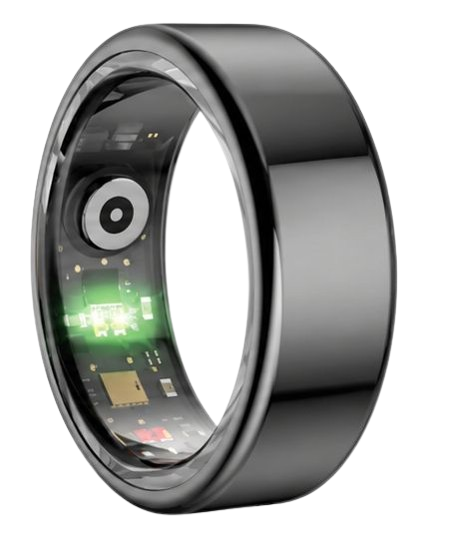
The Herz P1 Smart Ring is designed for comfortable 24/7 wear, making it easy to track these different wellness routines.
Its lightweight, military-grade steel construction is so unobtrusive that you will quickly forget you are wearing it.
Unlike bulky, heavy smartwatches, the ring does not pinch your skin or glow brightly in the middle of the night.
This seamless, lightweight design helps prevent sensory distractions that could pull you out of deep sleep.
Over several weeks, your biometric trends will show you exactly how different habits affect your recovery.
You can use these insights to tailor your exercise intensity, schedule important meetings, and plan your rest days.
This data-driven approach helps you take control of your physical and mental energy.
Overcoming Sleep Optimization Pitfalls: Why Bulky Wearables Fail
Many people attempt to track their sleep using bulky, screen-heavy smartwatches.
However, wearing a heavy device on your wrist to bed often creates more sleep issues than it solves.
The thick profile of a smartwatch can catch on your blankets or press uncomfortably against your face.
Sudden, bright screen notifications can wake you up, disrupting your circadian rhythm.
Furthermore, many of these devices require daily charging, leaving you with no tracking data on the nights they sit on your nightstand.
Another frustrating pitfall of modern wearable technology is the hidden cost of monthly app subscriptions.
Many brands charge you a steep premium for the hardware, only to lock your detailed health data behind a paywall.
This pricing model can feel like an ongoing tax just to access your own personal health metrics.
The Herz P1 Smart Ring offers a refreshing, transparent alternative to these frustrating industry trends.
Your purchase includes lifetime access to our companion app, with no hidden monthly fees or premium paywalls.
Additionally, the ring features a robust 6-day battery life, allowing you to track your sleep continuously without frequent interruptions.
By choosing a subscription-free, comfortable smart ring, you can focus on what matters most: improving your nightly recovery.
Frequently Asked Questions About Pink Noise and Sleep Trackers
Is the Herz P1 Smart Ring waterproof?
Yes, the Herz P1 is fully IP68 waterproof, allowing you to submerge it in water up to 164 feet deep. You can safely wear it while washing your hands, showering, swimming, or relaxing in a hot bath without worrying about damaging the sensors.
How long does the battery last and how quickly does it charge?
The Herz P1 features an exceptionally long-lasting battery that provides up to 6 days of continuous tracking on a single charge. When the battery runs low, the ring can be fully recharged in under 1 hour using our magnetic charging dock.
Which finger is the best option to wear the smart ring on?
For the most accurate biometric readings, we recommend wearing the Herz P1 on your index, middle, or ring finger. Choose the finger that offers a snug, comfortable fit without restricting your natural blood circulation.
Does the Herz P1 Smart Ring store my physical data offline?
Yes, the ring has secure built-in local memory that can store up to 7 days of biological data offline. This means you do not need to keep your smartphone near your bed or have Bluetooth active during the night.
How long should I listen to pink noise for maximum benefits?
For optimal results, we recommend playing pink noise continuously throughout your entire sleep cycle, which is typically 7 to 8 hours. If continuous sound is distracting, playing it for the first 90 minutes of sleep can still support your initial deep sleep cycles.
Embrace Science-Backed Rest with the Herz P1 Smart Ring
Understanding the scientific benefits of pink noise sleep provides you with a powerful tool to transform your physical and cognitive health.
By pairing sound therapy with the continuous tracking of the Herz P1, you can measure your success with absolute clarity.
Ready to monitor your health every day?
Explore the Herz P1 Smart Ring and see if it fits your lifestyle.
Call: **1-866-479-1629** — our team can help you advise on the correct ring size and set personalized health goals.
