

What Is the Bed Rotting Trend and Is It Bad for Your Sleep?
Are you spending entire days cozying up under the duvet to recharge, only to wake up feeling even more exhausted? This social media phenomenon, known as “bed rotting”, might be sabotaging your sleep cycles. To truly restore your energy, tracking your biometrics with a screen-free tool like the Herz P1 Smart Ring is key.
Take Back Your Sleep.
Take Back Your Life.
- Fall asleep faster & sleep deeper
- Stop waking up in the middle of the night
- Wake up refreshed & full of energy
Article Key Takeaways:
- The Core Dilemma: Lying awake in bed all day blocks sleep pressure, disrupting your recovery metrics.
- The Brain Trap: Spending hours awake in your bed damages your sleep conditioning, causing insomnia and a racing mind.
- Tracking Without Interruption: Screen-free biometric rings offer an ideal, distraction-free window into your real sleep stages and HRV trends.
Demystifying the Bed Rotting Trend: Science, Sleep, and the Search for True Recovery

Quick Answer
Yes, bed rotting can be bad for you under certain conditions. The short answer is that while taking time to rest is completely normal, spending prolonged waking hours under the sheets can severely deplete your biological sleep drive and impair your sleep hygiene. However, to choose the right recovery method, you need to understand how this trend alters your body’s neurological chemistry and natural biological rhythms.
Understanding the Physiology of Rotting in Bed
In recent months, the term “bed rotting” has taken social media by storm. It describes the practice of spending almost an entire weekend or day off lounging in bed—eating snacks, scrolling through phone apps, and watching movies, all while wrapped up in a blanket cocoon. To those who feel chronically burnt out, the idea of being a little “bed rotten” sounds like the ultimate form of self-care. It feels like an act of rebellion against a fast-paced work culture that demands constant productivity.
But from a biometric and sleep-science standpoint, is this habit actually helping you recover? Or are you simply setting yourself up for a cycle of persistent exhaustion and brain fog?
When you decide to rot in bed for an entire Saturday, you might think you are giving your nervous system a much-needed break. However, our bodies rely on two main mechanisms to regulate sleep: sleep homeostasis (often called “sleep pressure”) and the circadian rhythm.
Sleep pressure is driven by the accumulation of a chemical called adenosine in your brain. Every hour you are awake, active, and moving, adenosine levels steadily climb, creating a natural, healthy urge to sleep by nightfall. If you remain physically inactive, essentially resting in a semi-somnolent state for twelve hours, you fail to build up this essential adenosine threshold. When nighttime arrives, your body has insufficient sleep pressure, leading to a frustratingly awake state and a racing mind when you actually want to drift off.
The second critical pillar is cognitive association, or classical sleep conditioning. In the field of clinical behavioral sleep medicine, practitioners emphasize that the bed should only be used for two activities: sleep and intimacy. When your nervous system associates the bed with scrolling, answering emails, overthinking, or digesting food, the psychological anchor breaks. This is why individuals who have frequently bed rotted often experience sudden 3 AM awakenings. Their subconscious mind has registered the mattress as a daytime workspace or entertainment zone, signaling that it is perfectly fine to wake up and process thoughts in the middle of the night.
When Is Spending Time in Bed Healthy vs. Unhealthy?
It is important to acknowledge that not all rest is harmful. In our quest for daily recovery, we must learn to distinguish between intentional resting and chronic, passive avoidance. If you are recovering from a severe physical illness, an intense athletic event, or navigating an overwhelming period of emotional grief, a quiet day of horizontal rest is incredibly therapeutic. This is active physical recovery, where your main focus is on biological restoration.
However, when lounging becomes a coping mechanism for persistent anxiety, avoidance, or clinical depressive feelings, the habit becomes counterproductive. If you find yourself thinking, “I spent the whole weekend in bed but I still feel heavy, unmotivated, and plagued by brain fog,” then you are likely experiencing the adverse biometric effects of over-resting. At this stage, your body is no longer restoring itself; instead, it is entering a state of physiological stagnation.
How to Identify if Your Rest is Helping or Hurting:
- Helpful Rest: You set a specific, conscious duration for a nap or lying down; you rise feeling lighter, more relaxed, and clear-headed; your subsequent nighttime sleep is deep and undisturbed.
- Unhealthy Avoidance (Bed Rotting): You find yourself rotting in bed because you are too overwhelmed to face chores or work; you spend hours on high-stimulation screens; you wake up with a heavy head, experiencing non-restorative sleep, and your night sleep feels highly fragmented.
Practical Steps to Rebuild Your Sleep Hygiene
To pull yourself out of a cycle where you feel constantly bed rotted, you need actionable, science-backed lifestyle changes:
- The 15-Minute Rule: If you cannot fall asleep within 15 to 20 minutes, or if you wake up with a racing mind in the middle of the night, get out of bed immediately. Go to a dimly lit chair and read a physical book until you feel sleepy. This preserves your bed’s positive association with sleep.
- Expose Your Eyes to Morning Sunlight: Step outside within 30 minutes of waking. This anchors your circadian rhythm, signaling your brain to stop producing melatonin and to start building up daytime cortisol naturally.
- Keep the Bed a Tech-Free Zone: Remove smartphones, laptops, and tablet screens from your immediate sleeping space. If you want to use a fitness tracker or biometric monitor, opt for a screen-free device to avoid late-night notifications or blue-light exposure.
A smart, elegant way to establish this healthy boundary is by tracking your biological recovery with a screen-free, lightweight wearable. Instead of relying on a bulky, glowing smartwatch that repeatedly flashes notifications and keeps your nervous system on high alert, you can use the Herz P1 Smart Ring. This titanium smart ring slides onto your finger without any bright screen distraction, tracking your biometrics silently in the background while you sleep or rest. By evaluating your sleep stages and heart rate variability, it helps you see exactly when a day of rest is actually contributing to your recovery, or when it is simply draining your system.
Section FAQs
Is bed rotting a symptom of depression?
While occasional lazy days are perfectly normal, spending entire consecutive days in bed can sometimes be associated with a mental health state known as “clinomania” or “dysania,” which is commonly linked to depression and severe anxiety. If you find yourself consistently unable to leave your bed, it is always a good idea to speak with a healthcare professional.
How does screen time affect me when I rot in bed?
When you are lying in bed scrolling through your phone, your brain is bombarded with blue light and highly stimulating content. This prevents the release of melatonin, increases your cognitive alertness, and makes it highly likely that you will experience fragmented, restless sleep later that night.
Can I make up for a week of poor sleep by staying in bed all weekend?
Unfortunately, sleep is not like a bank account; you cannot easily repay a “sleep debt” by spending 12 hours lying in bed over the weekend. This habit often ends up shifting your circadian rhythm, making it even harder to fall asleep on Sunday night and leading to severe morning fatigue when the workweek begins.
The Biometric Impact of Rotting in Bed: Sleep Cycles, HRV, and Nervous System Recovery
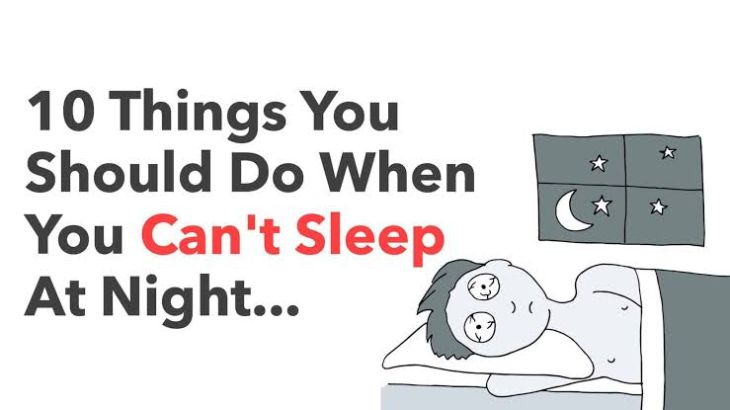
When we look at recovery from a scientific standpoint, we must look beyond how we subjectively “feel” and start examining what our bodies are telling us through metrics. Two of the most critical daily markers of physical and mental recovery are our Sleep Stages and our Heart Rate Variability (HRV). Understanding these metrics can completely change how you view your weekend recovery routines.
The Alteration of Sleep Architecture
Healthy sleep is not a uniform block of unconsciousness. It is composed of multiple sleep cycle stages, each serving a unique physiological and cognitive function. During a normal night, your body transitions through Light sleep, Deep sleep (which restores physical tissues and supports cellular health), and REM sleep (which is crucial for cognitive processing and emotional regulation).
When you spend the day rotting in bed, you alter this delicate architecture in several ways:
- Decreased Deep Sleep: Because you haven’t accumulated enough physical activity or movement throughout the day, your body’s physiological need for deep, tissue-restoring sleep drops dramatically. This leads to lighter, more easily disrupted rest at night.
- Fragmented REM Cycles: Lying awake in bed while frequently checking a phone screen disrupts the natural onset of REM cycles. This leaves you vulnerable to vivid, stressful dreams and wakes you up with severe mental fatigue.
- Increased Sleep Fragmentation: If your body is already fully rested but you force yourself to stay in bed, your sleep becomes highly fragmented. This means you wake up multiple times throughout the night, even if you don’t fully remember doing so.
Understanding Heart Rate Variability (HRV)
Heart Rate Variability (HRV) is the measurement of the tiny variations in time between each of your consecutive heartbeats. This metric is controlled by your autonomic nervous system, which is divided into the sympathetic (“fight-or-flight”) and parasympathetic (“rest-and-digest”) branches.
A high HRV relative to your personal baseline indicates that your body is in a highly adaptable, well-recovered state, with your parasympathetic system actively helping you rest. A low HRV indicates that your autonomic nervous system is under stress, struggling to recover from physical or mental strain.
The HRV Paradox of Bed Rotting
You might assume that staying horizontally aligned in bed all day would naturally elevate your HRV. However, science reveals that prolonged physical inactivity combined with constant digital stimulation keeps your brain in a state of low-grade vigilance, suppressing your parasympathetic tone and keeping your HRV surprisingly low.
True biometric recovery requires a balance of light physical activity, consistent sleep schedules, and mindful, screen-free rest periods.
To break free from this cycle and find a balance, you must stop relying on guesswork. By using a specialized health and recovery tracker, you can monitor your biometric markers and see exactly how your lifestyle choices are affecting your body’s restorative processes.
Tracking these markers has traditionally required wearing a bulky smartwatch that flashes bright lights and buzzes with notifications throughout the night. This is highly counterproductive when you are already dealing with a racing mind. This is where a lightweight, elegant solution like the Herz P1 Smart Ring shines. Designed with medical-grade biometric sensors and crafted from ultra-lightweight titanium, it continuously monitors your HRV and sleep stages without the irritation of a wrist-worn device. It translates complex biometric algorithms into a simple, easy-to-understand daily Recovery Score. This gives you concrete, real-time insights into whether your rest day actually helped you recharge, or if it simply disrupted your sleep architecture.
Reclaiming Your Sleep Architecture: Moving From Passive Resting to Science-Backed Restoration
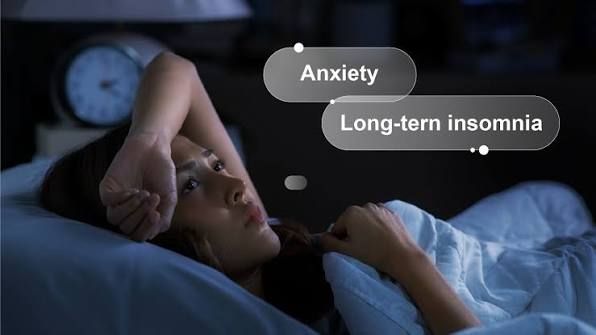
If you have recently found yourself in a state where you feel completely bed rotted, don’t worry. It is entirely possible to reset your body’s natural sleep-wake cycle and reclaim your vitality. To do this, we need to focus on rebuilding your sleep hygiene through intentional, science-backed steps.
Transitioning to Active Recovery
Reclaiming your sleep architecture does not mean you can never enjoy a relaxing morning in bed again. Instead, it is about shifting your focus from passive avoidance to active, intentional physical recovery. Active recovery involves engaging in activities that gently stimulate blood flow, support muscular recovery, and calm your nervous system without overwhelming your body.
Some highly effective examples of active recovery include:
- Gentle Mobility and Stretching: Spending 10 to 15 minutes engaging in gentle yoga or light stretching helps release muscular tension, promotes healthy circulation, and signals your nervous system to enter a relaxed, parasympathetic state.
- A Leisurely Outdoor Walk: Taking a slow, mindful walk in nature provides your body with gentle physical movement while exposing your eyes to natural daylight. This helps anchor your circadian rhythm and supports a healthy, natural buildup of sleep pressure.
- Mindful Breathing Exercises: Practicing deep breathing techniques, such as the 4-7-8 method, helps regulate your heart rate and directly lowers your physiological stress levels, supporting a higher HRV.
By replacing hours of passive phone scrolling in bed with these brief, restorative habits, you can dramatically improve your body’s natural sleep drive and look forward to truly deep, restorative sleep by nightfall.
The Importance of Screen-Free, Subscription-Free Tracking
To successfully transition away from habits like bed rotting, you need access to clear, accurate daily feedback on your body’s physiological state. However, the tools we use to monitor our health shouldn’t become a source of stress themselves. Many people find themselves overwhelmed by highly complex fitness trackers that are bulky to wear, require daily charging, or trap their personal biometric data behind expensive monthly subscription paywalls.
Furthermore, standard smartwatches with bright screens often keep us tethered to the digital world, presenting a constant temptation to scroll through social media or check emails late at night. This only exacerbates issues like a racing mind and fragmented sleep.
This is why we recommend a screen-free tracking method like the Herz P1 Smart Ring. This premium wearable is designed to provide you with all the essential, high-quality biometric data you need without any of the common tracking headaches:
- Elegant Titanium Comfort: Its ultra-lightweight, durable titanium design is exceptionally comfortable to wear throughout the night, completely eliminating the bulkiness of standard smartwatches.
- Subscription-Free Model: There are absolutely no hidden monthly fees or subscription costs. You buy the ring once, and you own your personal health data forever.
- Simple, Actionable Biometrics: Instead of overwhelming you with hard-to-read graphs, the ring translates your sleep stages, HRV, and activity levels into a simple, daily Recovery Score, making it easy to plan your day.
- Exceptional Battery Life: With a long-lasting battery that only needs to be charged every few days, you can easily track your sleep consistency without the hassle of a daily charging routine.
By choosing a screen-free wearable, you can easily monitor your burnout recovery tips in real-time, helping you reclaim healthy sleep patterns and make truly informed decisions about your daily wellness journey.
A Honest Note on Product Capabilities:
It is important to remember that while the Herz P1 Smart Ring is an exceptional, high-precision lifestyle tool for tracking sleep stages, HRV trends, and daily recovery patterns, it is not a medical device. It is not designed to diagnose, treat, or cure clinical sleep disorders like sleep apnea or chronic insomnia. Instead, it serves as an excellent, screen-free personal mirror to help you understand and optimize your day-to-day wellness.
Reclaiming your energy and escaping the trap of feeling bed rotten is ultimately about listening to your body’s natural signals. By making a few intentional lifestyle adjustments and tracking your biometrics with a dedicated, screen-free tool, you can look forward to waking up feeling truly refreshed, balanced, and ready to enjoy your days to the fullest.
Disclaimer: Results may vary depending on individual physical activity levels, unique health conditions, and daily tracking patterns. The information provided in this article is for educational purposes only and should not be used as medical advice. Always consult with a healthcare professional regarding any concerns with your physical or mental health.
