

What Is an ASV Machine and Adaptive Servo Ventilation?
Is non-restorative sleep leaving you exhausted? For complex breathing issues, an asv machine provides real-time breath adjustments. While clinical cases require medical intervention, everyday sleep struggles and brain fog can be effortlessly monitored using subscription-free, screen-free tracking solutions like the Herz P1 Smart Ring to reclaim your daily vitality.
Take Back Your Sleep.
Take Back Your Life.
- Fall asleep faster & sleep deeper
- Stop waking up in the middle of the night
- Wake up refreshed & full of energy
Key Article Takeaways:
- Adaptive Technology: An ASV machine dynamically alters its air pressure breath-by-breath based on the user’s immediate physiological patterns.
- Targeted Support: Primarily used for complex sleep issues, including central sleep apnea and Cheyne-Stokes respiration.
- Clinical Differences: Unlike standard CPAP, ASV actively targets neurological breathing pauses rather than physical airway blockages.
- Holistic Monitoring: While medical devices support respiration, screen-free wearables like the Herz P1 Smart Ring offer an elegant, subscription-free way to monitor downstream recovery markers like HRV and deep sleep stages.
Understanding the ASV Machine: Mechanics & Medical Application
Quick Answer
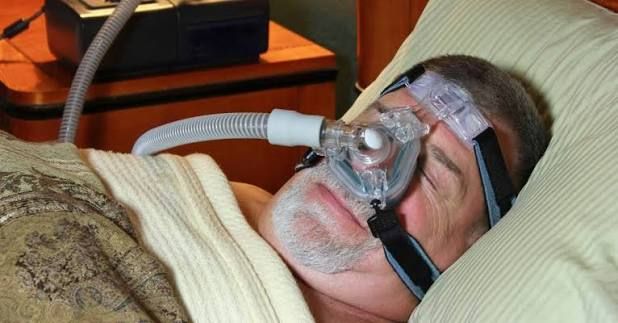
Yes, an asv machine is a specialized medical device used to support regular breathing during sleep. The short answer is that it employs a sophisticated technology known as adaptive servo ventilation to automatically analyze your breathing patterns in real time and deliver customized pressure support. However, to choose the right respiratory support or to understand if you require an asv machine, you need to understand the physiological distinctions of central respiratory pauses and how clinical breathing machines interact with your sleep quality.
Detailed Explanation
The term adaptive servo ventilation (often abbreviated as ASV) represents a major leap in non-invasive ventilation technology. While standard continuous positive airway pressure (CPAP) devices deliver a single, fixed level of pressure to physically hold the airway open, an asv machine continuously monitors your breathing. By establishing a baseline of your normal respiratory volume and rate, the device can detect the split second your breathing starts to falter or cease altogether.
When the asv machine detects a drop in your breathing volume (hypopnea) or a complete pause (apnea), it quickly ramps up pressure support to ensure you receive a full breath. Once your normal breathing pattern resumes, the machine gently backs off. This fluid, breath-by-breath adaptation is what makes the technology uniquely suited for complex sleep-disordered breathing, particularly central sleep apnea. In central apnea, the brain temporarily fails to send the signal to your respiratory muscles to take a breath—a neurologic disconnect that standard airway splints cannot address alone.
When to Use vs. When Not to Use
Determining who can benefit from an asv machine requires professional clinical assessment, typically involving an overnight polysomnography (sleep study). However, the general physiological guidelines are clear:
- When to Use:
- Individuals diagnosed with central sleep apnea who do not respond to simpler CPAP setups.
- People suffering from complex sleep apnea (a hybrid of obstructive and central patterns).
- Patients exhibiting Cheyne-Stokes respiration, a cyclical breathing pattern common in certain neurological or cardiovascular conditions.
- When Not to Use:
- Contraindication: The FDA and clinical guidelines strictly advise against using an asv machine if you have chronic, severe heart failure with a significantly reduced ejection fraction (specifically LVEF ≤ 45%). Clinical trials have shown potential adverse cardiovascular risks in this specific demographic.
- Simple, uncomplicated obstructive sleep apnea (which typically responds beautifully to standard, less complex therapies).
Suggested Solutions & Holistic Alternatives
If you suspect you have clinical sleep disordered breathing, your primary step is always consulting a sleep specialist. They can determine if you need an advanced medical device. However, many people who experience sleep struggles do not have clinical apnea. Instead, they struggle with non-restorative sleep, a racing mind at bedtime, or lifestyle habits that disrupt their autonomic nervous system.
For those looking to monitor and optimize their sleep without being tethered to medical hardware or bulky screen-heavy smartwatches that demand daily charging, elegant solutions exist. Incorporating screen-free daily health tracking can bridge the gap. For example, the Herz P1 Smart Ring offers a premium, subscription-free, titanium option that records detailed biometric data. It measures sleep stages (REM, Deep, Light) and your overnight Heart Rate Variability (HRV) without flashing screens or heavy bands on your wrist. It provides a simple, daily Recovery Score, allowing you to objectively see how lifestyle changes, stress, and sleep hygiene choices affect your body’s physiological restoration.
Section FAQs
Q: What makes an asv machine different from a CPAP device?
A: A CPAP provides one steady level of air pressure to keep the physical airway open. An asv machine adapts dynamically on a breath-by-breath basis, stepping in with increased pressure only when your natural breathing slows down or pauses, making it highly effective for complex or central sleep disturbances.
Q: Can you buy an asv machine without a prescription?
A: No. Because an asv machine is a highly sophisticated medical device that must be configured to your precise respiratory requirements, a physician’s prescription and a clinical sleep study are strictly required.
Q: Is adaptive servo ventilation comfortable to sleep with?
A: While it involves wearing a mask, many users find adaptive servo-ventilation more comfortable than high-pressure CPAP because the machine only applies high pressure when you actually need it, letting you breathe naturally during normal respiration.
ASV vs. CPAP vs. BiPAP: Navigating the Technical Landscape

When you are struggling with severe daytime sleepiness, morning headaches, or that frustrating pattern of waking up at 3 AM with a racing mind, finding the right sleep support is urgent. Understanding the difference between positive airway pressure (PAP) devices can help you navigate discussions with your healthcare provider.
There are three primary categories of devices used in clinical settings to address sleep-disordered breathing. Each functions differently to target specific physiological challenges:
The Positive Airway Pressure Spectrum:
- CPAP (Continuous Positive Airway Pressure): Delivers a single, constant stream of air. Think of it as a constant cushion that keeps your throat from collapsing. This is the first-line therapy for standard obstructive sleep apnea.
- BiPAP (Bilevel Positive Airway Pressure): Provides two different pressures—a higher pressure when you inhale, and a lower pressure when you exhale. This makes it easier to breathe out against the machine. Learn more about how these compare in our detailed BiPAP vs CPAP guide.
- ASV Machine (Adaptive Servo Ventilation): The most technologically advanced option. It does not just provide two pressures; it constantly adjusts the inhalation pressure support dynamically to meet your calculated target ventilation, specifically addressing neurological pauses in breathing.
The Algorithmic Response to Central Apnea
The core technology behind asv sleep apnea therapy lies in its sophisticated algorithms. During obstructive sleep apnea, the physical airway collapses, but the body still tries to breathe. A standard CPAP keeps that airway open. However, in central sleep apnea, the airway may be completely clear, yet the breathing muscles do not move because the brain’s respiratory center in the brainstem stops sending signals.
This is where an asv machine excels. By tracking your respiration on a minute-by-minute basis, the machine learns your natural breathing rhythm. If it detects that your breathing has slowed down too much or has completely paused, it instantly provides a gentle “servo” breath. This medical-grade technology ensures your blood oxygen levels remain stable and prevents the sudden, adrenaline-fueled awakenings that ruin your sleep architecture.
For individuals dealing with these complex issues, utilizing an asv machine under medical supervision is critical. Yet, understanding the baseline metrics of your daily rest is equally essential. Many individuals find that tracking their recovery markers—such as overnight Heart Rate Variability (HRV) and restless movements—helps them understand if their sleep therapy is delivering the deep, restorative rest they need to feel human again.
Beyond the Mask: How to Optimize Your Restorative Sleep and Daily Recovery
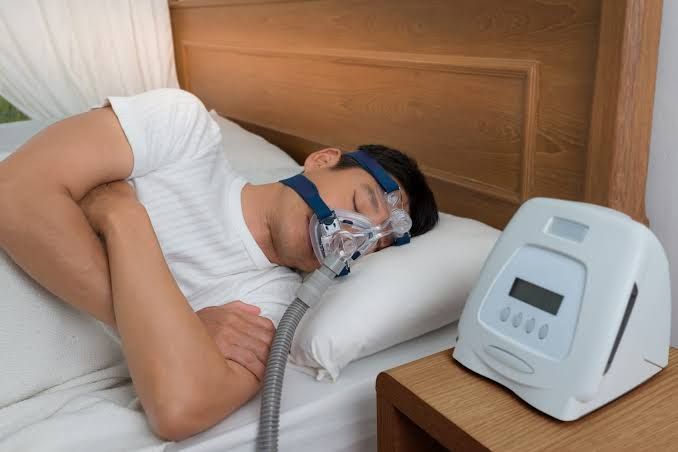
Whether you require a clinical respiratory device like an asv machine or you are simply trying to overcome chronic, frustrating fatigue, optimizing your sleep environment and daily recovery habits is essential. Many people struggle with a daily “rest deficit” because they lack visibility into what happens to their body once the lights go out.
The Downside of Bulky, Screen-Heavy Smartwatches
In our quest for better health, many of us turn to modern smartwatches. However, these devices can unintentionally work against our sleep goals. Traditional smartwatches are often bulky, making them uncomfortable to wear throughout the night. They require daily charging, meaning they often sit on a nightstand when you need them most. Even worse, their glowing screens and constant vibrations can disrupt your wind-down routine, feeding into the “racing mind” and anxiety that cause middle-of-the-night awakenings.
Our team believes that the best wellness tracking should be seamless, elegant, and entirely screen-free. We recommend prioritizing high-quality, practical methods to track your body’s recovery trends without adding digital clutter to your bedroom.
The Power of Screen-Free Sleep Metrics
By shifting away from bright, distracting smartwatches, you can establish healthy sleep hygiene tips and build a restorative environment. The Herz P1 Smart Ring offers an elegant, subscription-free alternative to track your rest naturally.
- ⭐ Ultra-Lightweight Titanium: So comfortable you’ll forget you’re wearing it.
- ⭐ Overnight HRV Tracking: Gain deep insights into your autonomic nervous system.
- ⭐ No Subscription Fees: Pay once, own your health data forever.
- ⭐ Multi-Day Battery Life: No more daily charging anxiety.
Demystifying Your Sleep Data
If you use an asv machine or are looking into CPAP alternatives, understanding your personal health data is crucial. Let’s look at the metrics that actually matter for your daily vitality, which you can easily monitor using a comprehensive sleep tracking guide:
- Heart Rate Variability (HRV): Measured in milliseconds, heart rate variability (HRV) tracks the variation in time between consecutive heartbeats. A higher HRV relative to your personal baseline indicates a well-rested, resilient autonomic nervous system. A drop in HRV suggests your body is under physical or mental stress.
- Sleep Stage Analysis: Healthy sleep is not just about duration; it is about structure. Your brain needs to cycle through Light, Deep, and REM sleep. A detailed sleep stage analysis helps you verify if you are getting enough slow-wave (deep) sleep for physical recovery and REM sleep for cognitive processing.
- Daily Recovery Score: This metric simplifies complex physiological variables—including sleep quality, resting heart rate, and previous-day activity—into a single, easy-to-read number. Instead of trying to interpret complex scientific graphs, you get a clear indication of how ready your body is to take on the day.
By monitoring these daily trends, you can make informed adjustments to your lifestyle. Whether it is adjusting the settings on your breathing device with your physician, changing your evening routine, or deciding to rest instead of push through a brutal workout, accurate data empowers you to reclaim control of your sleep, health, and overall well-being.
Disclaimer: Results may vary depending on individual physical activity levels, unique health conditions, and daily tracking patterns. The content provided in this article is for informational and educational purposes only and is not intended to serve as medical advice, diagnosis, or treatment. Always consult with a qualified healthcare professional or sleep specialist before making changes to your clinical therapies, using medical devices like an ASV machine, or beginning a new biometric tracking regimen.
