

Why Do I Get Anxiety at Night? The Science-Backed Guide to Reclaiming Your Sleep
It starts the moment your head hits the pillow: a racing mind, a pounding heart, and sudden dread. If you are struggling with anxiety at night, your nervous system is trapped in survival mode. By tracking biometrics like Heart Rate Variability (HRV), you can break this cycle and restore deep sleep.
Take Back Your Sleep.
Take Back Your Life.
- Fall asleep faster & sleep deeper
- Stop waking up in the middle of the night
- Wake up refreshed & full of energy
What You Will Learn In This Guide:
- The Neurology of Nighttime Overdrive: Why your brain defaults to a threat-detection state when the lights go out.
- The Biometric Blueprint: How tracking physiological metrics like HRV can demystify your daily recovery.
- Practical Evening Workflows: Clear, actionable steps to transition your body from high-alert into restful parasympathetic dominance.
- Screen-Free Solutions: Embracing elegant, low-friction wearables to monitor sleep quality without blue-light distractions.
Understanding the Physiology of Nighttime Anxiety
Quick Answer
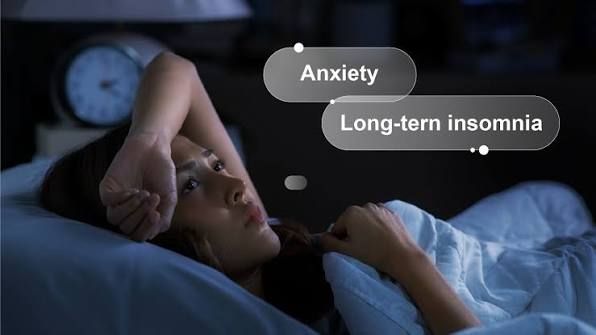
Yes, waking up anxious or lying awake with a racing heart is a physiological reality for millions. The short answer is that without daytime sensory inputs to distract you, your brain turns its attention inward, misinterpreting natural physical shifts as environmental threats. However, to choose the right path to relief, you must understand how your autonomic nervous system balances activation and recovery during sleep.
The Biological Machinery Behind Nighttime Anxiety
For many of us, the day is a whirlwind of tasks, conversations, and digital stimulation. During these hours, our conscious mind is occupied. But as we settle down to sleep, the external noise fades. This quiet environment allows underlying physiological markers to become highly noticeable. If you have ever wondered, why do i get anxiety at night, the explanation lies in your autonomic nervous system.
Your body operates under two main branches: the sympathetic nervous system (“fight-or-flight”) and the parasympathetic nervous system (“rest-and-digest”). Under ideal conditions, as evening approaches, your parasympathetic system takes the lead. Melatonin levels rise, core body temperature drops, and heart rate decreases.
However, if you have been running on high stress all day, your cortisol curve becomes dysregulated. Instead of tapering off, stress hormones remain elevated. When you lie down, your heart rate remains high, and your Heart Rate Variability (HRV) remains low. Your brain detects this elevated physical state and assumes there is an active threat nearby. Thus, a simple physical state of fatigue is translated by your mind into catastrophic thoughts, creating a loop of anxiety at night.
— Team Mind Body Dan
When to Actively Track vs. When to Step Back
Understanding your physiological trends is the first step toward reclaiming your evenings, but it is important to recognize how you interact with your wellness data.
- Who should track: If you suffer from non-restorative sleep, wake up feeling exhausted, or struggle to find patterns in your daily fatigue, monitoring sleep stages and HRV trends provides invaluable, objective clarity. It takes the guesswork out of lifestyle changes.
- Who should wait: If looking at health numbers causes you immediate, severe obsessive worry (often referred to as orthosomnia), you may want to focus first on simple somatic exercises before slowly introducing a screen-free, passive tracker that does not bombard you with real-time notifications.
A Screen-Free Approach to Tracking
Many modern smartwatches are counterproductive for individuals dealing with nighttime anxiety. Their bright screens emit blue light, disrupting natural melatonin production, while constant vibrate-on-wrist notifications keep the sympathetic nervous system on high alert. Furthermore, wearing a bulky, plastic block on your wrist can make falling asleep physically uncomfortable.
To address this, our team recommends transitioning to a screen-free biometric tracker worn on the finger. The Herz P1 Smart Ring is designed exactly for this purpose. Crafted from ultra-lightweight titanium, it monitors sleep stages (REM, Deep, Light) and HRV continuously without any screen glare, button distractions, or ongoing monthly subscription fees. It quietly translates biometric signals into an intuitive daily Recovery Score, allowing you to see how your body responded to your evening routine.
Why Biomarkers Matter for Restoring Calm:
- Deep Sleep Trends: Deep sleep is the phase where physical restoration occurs. Monitoring this trend helps you verify if your evening wind-down routine is actually lowering somatic tension.
- Heart Rate Variability (HRV): High HRV generally indicates a relaxed, adaptable nervous system. Low HRV suggests you are carrying a heavy load of stress into the evening.
- Active Recovery Score: This consolidated score helps you understand if you should push hard during the day or focus on active rest to keep evening adrenaline spikes at bay.
Frequently Asked Questions (FAQ)
1. Why does my heart beat so fast when I lie down to sleep?
When you transition from standing to lying down, your circulatory system adjusts. If you are already experiencing high adrenaline levels, this change in posture, coupled with the absence of external distractions, can make you highly sensitive to your own heartbeat, giving the illusion of a racing heart.
2. How does a smart ring track sleep stages without a screen?
The ring contains miniature, medical-grade optical sensors that pass light through the thin skin of your finger to measure blood flow. It tracks subtle shifts in pulse rate and movement, processing these biometrics through specialized algorithms to accurately determine when you are in Deep, Light, or REM sleep.
3. Can tracking my biometrics actually help reduce my anxiety?
Yes, because it provides objective data. When you feel “exhausted but anxious,” seeing a clear visual indicator of your sleep quality or HRV trends can reassure you that your struggles are physical, measurable patterns, rather than a permanent personal problem. This takes the mystery and fear out of sleepless nights.
Why Does My Anxiety Get Worse at Night?
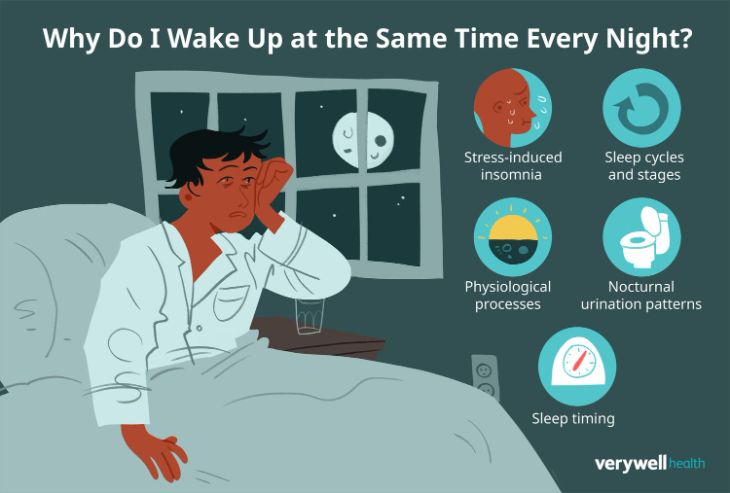
For millions of people worldwide, anxiety is not a constant, flat line. It is a wave that peaks dramatically as twilight falls. If you are asking yourself, why does my anxiety get worse at night, there are several biological, environmental, and behavioral components that trigger this spike.
1. The Loss of the “Cognitive Shield”
During the daytime, your brain is actively working. Whether you are driving, replying to emails, or talking to family, your prefrontal cortex is busy handling external data. This daytime activity acts as a “cognitive shield.” It leaves very little mental processing power available for deep-seated existential concerns or minor worries.
However, when you turn off the television and place your phone on the bedside table, that cognitive shield disappears. The sudden drop in sensory stimulation leaves a processing void. Your brain’s Default Mode Network (DMN)—which is highly active during self-referential thought and daydreaming—takes over. If your body is already under chronic stress, this network will default to worrying, searching for threats, and replaying past conversations. This is a primary reason why you might feel highly anxious at night.
2. The 3 AM Cortisol and Melatonin Crossroads
Our bodies are governed by circadian rhythms that dictate the release of hormones. Normally, cortisol—the alertness hormone—is at its lowest around midnight and begins to rise slowly in the early morning hours to help us wake up.
If you are chronically sleep-deprived or highly stressed, your body’s stress response system is dysregulated. A sudden drop in blood sugar or a minor shift in sleep stages around 3 AM can trigger a protective surge of adrenaline and cortisol. Instead of sleeping smoothly through this transition, you wake up abruptly, experiencing intense nighttime anxiety. Your heart rate is elevated, your thoughts are racing, and you are left with non-restorative sleep that feeds into next day’s brain fog.
Break the 3 AM Wake-Up Cycle
Waking up in a cold sweat is not your fault. It is a physical stress signal. By tracking sleep stages and HRV without bright screens, you can find exactly what triggers your body’s survival mode.
3. The Sleep Debt and Exhaustion Paradox
You might think that being completely exhausted would make it easier to fall asleep. In reality, extreme exhaustion has the opposite effect. When you push your body past its natural rest limits, your brain relies on adrenaline to keep you functioning.
When you finally try to sleep, your body is loaded with stress hormones. This is why you get the “tired but wired” sensation. It is a biological conflict: your physical muscles are deeply fatigued, but your central nervous system is still running on high alert. Without a structured wind-down routine, this paradox almost always results in a rough night.
How to Stop Anxiety at Night: Science-Backed Strategies
Knowing the physiological triggers of your sleep issues is empowering, but the real transformation happens when you take actionable steps. If you want to know how to effectively manage your anxiety at night, here are four steps to transition your body from a state of survival to a state of calm.
1. Establish a Consistent “Brain Dump” Ritual
Since nighttime anxiety is often caused by the brain processing thoughts in a sensory vacuum, you can ease this burden by writing things down before you head to bed.
Spend ten minutes writing down everything that is on your mind. This can be your to-do list for tomorrow, unresolved worries, or simply a collection of random thoughts. By putting these on paper, you tell your brain: “This information is safe. We do not need to stay awake to remember it.” This simple habit reduces the active burden on your prefrontal cortex as you try to sleep.
2. Engage Your Vagus Nerve with Somatic Exercises
If you lie down and feel your heart racing, trying to “think” yourself into calm is rarely effective. Instead, address the physical symptoms first. The vagus nerve is the primary highway of your parasympathetic nervous system. You can stimulate it physically to signal to your brain that it is safe to rest:
- The 4-7-8 Breathing Pattern: Inhale through your nose for 4 seconds, hold your breath for 7 seconds, and exhale slowly through your mouth for 8 seconds. This prolonged exhalation naturally slows your heart rate.
- Progressive Muscle Relaxation (PMR): Start at your toes. Tense the muscles tightly for 5 seconds, then release them completely. Work your way up your body, section by section. This helps release physical tension that you might not even realize you are holding.
3. Adopt Passive, Screen-Free Biometric Tracking
To sustainably manage overcoming anxiety at night, you need objective data on how your body is responding to these routines. If you are trying breathing techniques, you want to see if your deep sleep trends or HRV metrics are actually improving over time.
This is where high-quality wellness devices excel. Traditional, bulky smartwatches can feel restrictive and uncomfortable, and their bright screens often invite late-night scrolling. An elegant alternative is a screen-free smart ring.
By wearing a subscription-free wearable like the Herz P1 Smart Ring, you can track your health parameters quietly. The ring works in the background as you sleep, measuring your resting heart rate, sleep phases, and HRV. The next morning, you can open the app on your phone and check your daily Recovery Score. This clear, simple visual breakdown keeps you informed without overwhelming you with complex, hard-to-read graphs or stress-inducing notifications.
Track What Truly Matters:
By looking at your sleep phases, you can identify what works for you. Did a warm bath increase your deep sleep stages? Did late-night caffeine drop your HRV? With passive, screen-free tracking, you can find the answers without the sleep-disrupting blue light of a typical smartwatch.
Take Back Control of Your Evenings
You do not have to accept poor sleep, brain fog, and chronic fatigue as a normal part of life. Struggling with anxiety at night is a physical stress signal that you can understand, address, and manage over time.
By combining a calming, screen-free evening routine with passive, comfortable tracking, you can understand how your autonomic nervous system behaves. You can see what patterns lead to deep sleep, learn what triggers your 3 AM awakenings, and make informed adjustments to your lifestyle. Focus on calming your nervous system, and let your body remember how to sleep deeply once again.
Disclaimer: Results may vary depending on individual physical activity levels, unique health conditions, and daily tracking patterns. The information provided in this article is intended for educational and tracking purposes only. It is not designed to diagnose, treat, or cure any medical condition, including chronic insomnia, clinical anxiety, or other medical sleep disorders. Always consult a qualified healthcare professional before starting any new wellness device or making significant changes to your sleep management routine.
