

The Ultimate Guide to the Best Anti Snoring Mouthpiece and Mouth Guard Options
Do you wake up exhausted, battling brain fog and non-restorative sleep? Snoring disrupts your critical deep sleep phases, tanking your Heart Rate Variability (HRV). Finding the right anti snoring mouthpiece restores your airway, but tracking your recovery trends objectively with the screen-free Herz P1 Smart Ring secures your ultimate vitality.
Take Back Your Sleep.
Take Back Your Life.
- Fall asleep faster & sleep deeper
- Stop waking up in the middle of the night
- Wake up refreshed & full of energy
What You’ll Learn in This Guide:
- Structural Airway Science: How oral appliances physically stabilize the jaw to prevent micro-arousals and support deep sleep.
- Mouthpiece Classifications: A deep comparison of boil-and-bite, customizable, and adjustable mandibular advancement devices.
- The Biometric Connection: Why monitoring heart rate variability (HRV) and recovery scores reveals if your structural changes are working.
- Choosing the Right Tool: Tailoring your choice to fit your sleeping habits, comfort preferences, and recovery goals.
Understanding the Airway: The Science of Oral Appliances and Sleep

Have you ever experienced that sudden, jarring 3 AM awakening where your heart is racing, your mouth is bone-dry, and a heavy cloud of brain fog seems to instantly settle over your thoughts? This is the reality of airway resistance. Snoring is not merely a noisy, social inconvenience; it is a clear physical indicator of partial upper airway collapse. When we fall asleep, the muscles in our throat, tongue, and soft palate relax. For millions of people, this relaxation causes these soft tissues to pull backward, narrowing the airway passages. As air forces its way through this restricted space, it causes the tissue vibrations we recognize as snoring.
This chronic resistance triggers what sleep scientists call micro-arousals. Your brain briefly wakes up to restore muscle tone and keep you breathing, completely shattering your sleep architecture. You might not remember these awakenings, but they prevent you from staying in restorative Deep Sleep and REM phases. To combat this, structural intervention is often required. An oral sleep appliance works by physically modifying your oral cavity’s geometry during the night. By shifting the lower jaw slightly forward or securing the tongue, these devices prevent tissue collapse, allowing air to flow quietly and unimpeded.
Choosing Your Airway Ally: Mouthpiece Categories
Not all anti-snoring devices are built the same way. When seeking a high-quality snoring mouth guard, you will primarily choose between two functional designs: Mandibular Advancement Devices (MADs) and Tongue Stabilizing Devices (TSDs). MADs are the most common; they fit over your teeth like an athletic mouth guard and gently push your lower jaw forward to keep the throat airway open. TSDs, on the other hand, use a soft suction bulb to hold the tongue forward, making them an excellent choice if you have extensive dental work or sensitive TMJ joints.
| Device Category | Mechanism of Action | Adjustability | Best Suited For |
|---|---|---|---|
| Boil-and-Bite MAD | Thermal molding customizes to your teeth layout. Shifting jaw slightly forward. | Fixed/Low adjustment | Budget-conscious users starting their airway optimization journey. |
| Adjustable MAD | Incremental millimeter advancements via built-in screws or structural hinges. | High adjustment (up to 10mm) | People needing precise jaw advancement while minimizing joint discomfort. |
| Tongue Stabilizer (TSD) | Suctions the tip of the tongue forward, preventing it from falling back. | None (Standard fit) | Users with crowns, bridges, dental implants, or jaw joint (TMJ) sensitivity. |
Real-World Performance: Benefits and Structural Considerations
Integrating an anti snore mouthpiece into your nightly routine offers a range of immediate structural and biological benefits. By physically preventing the tissues from collapsing, you reduce the vibration that causes snoring, creating a quieter sleeping environment for both you and your partner. This structural stabilization also supports deep breathing patterns, helping to stabilize your blood oxygen levels throughout the night.
However, it is important to understand the adjustment period. During the first one to two weeks of wearing a mandibular advancement device, you will likely experience mild morning jaw stiffness, increased salivation, or sensitive teeth. This is a normal physiological reaction as your temporomandibular joints adjust to the forward position. To help ease this transition, many premium mouthpieces offer incremental micro-adjustments, allowing you to gradually advance your jaw by half-millimeter steps over several weeks.
While these physical devices are highly effective at optimizing your airway, they only address one part of the equation. To truly understand if your airway is remaining open and supporting your health, you need to track how your body responds. This is where combining physical airway tools with digital wearable tracking becomes invaluable.
Traditional smartwatches are often bulky, uncomfortable to wear to bed, and require daily charging, which can disrupt your sleep tracking. An elegant, screen-free wearable like the Herz P1 Smart Ring offers a comfortable alternative. Made from ultra-lightweight titanium, it tracks your sleep stages (REM, Deep, Light), heart rate variability (HRV), and daily recovery without the distraction of a screen. This allows you to objectively measure how your airway improvements translate to better, more restorative rest.
Evaluating the Best Snoring Mouthpiece and Mouth Guard Options
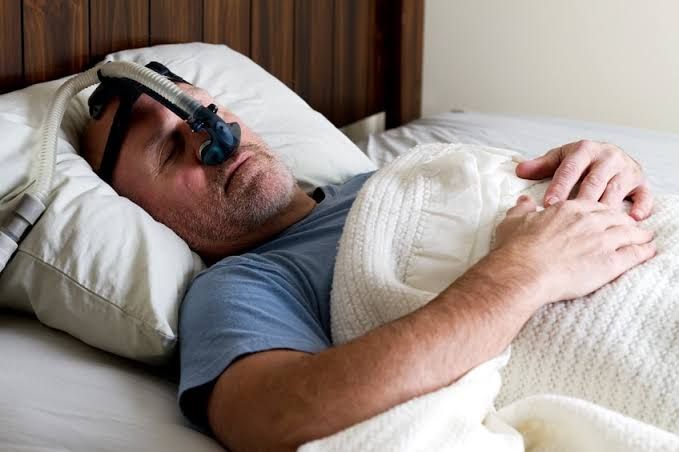
Navigating the sheer volume of oral health products online can be exhausting. To find a truly reliable mouthpiece for snoring, we must look closely at materials, safety standards, and adjustability. The primary goal is to find a device made from medical-grade, BPA-free, and latex-free polymers that can withstand the physical wear of nighttime jaw clenching.
Below, we evaluate the three most common structural designs you will encounter, detailing how they work and what to expect during use.
1. Professional-Grade Adjustable MADs (The Micro-Adjustable Choice)
If you want precise control over your jaw placement, a professional-grade adjustable device like a quiet lab mouthpiece is highly effective. These devices use built-in adjustment screws, gears, or interchangeable plastic bands to gradually advance the lower jaw forward.
Instead of forcing your jaw into a fixed, rigid position on night one, you can start with a neutral setting and adjust the advancement by 1mm increments over several weeks. This gradual change allows your jaw muscles and joints to adjust comfortably, helping to prevent morning joint pain.
2. Standard Boil-and-Bite Mouth Guards (The Accessible Starting Point)
If you are new to oral appliances, a classic boil-and-bite snoring mouthpiece is an accessible way to begin. These devices are made from thermoplastic materials that soften when heated in boiling water. Once softened, you bite into the material to create a custom mold of your teeth.
While they lack the precise micro-adjustability of more advanced models, they provide a reliable, snug fit that keeps the jaw aligned throughout the night. They are a practical, cost-effective option for light to moderate snorers looking to test how jaw advancement affects their sleep.
3. Tongue Stabilizing Devices (The Dental-Friendly Alternative)
For those who cannot use traditional jaw-advancement devices due to dental crowns, bridges, implants, or jaw joint discomfort, Tongue Stabilizing Devices (TSDs) are a highly effective alternative.
Instead of fitting over your teeth, a TSD uses a soft, medical-grade silicone bulb that gently suctions the tip of your tongue, holding it forward throughout the night. This physically prevents the tongue from relaxing backward into the throat, keeping the airway clear without placing any physical pressure or strain on your teeth or jaw joints.
— Team Mind Body Dan
Connecting Airway Optimization to Objective Sleep & Recovery Biometrics

Optimizing your sleep is a continuous process of testing and refining. Wearing an oral sleep appliance is an excellent step toward opening your airway, but how do you know if it is actually improving your rest? Simply waking up without a dry throat or a partner’s complaints is a great start, but it doesn’t give you the full picture.
To truly understand the impact on your health, you need objective sleep data. Measuring key metrics like Heart Rate Variability (HRV), resting heart rate, and sleep stage trends reveals how structural airway support translates into deep, restorative recovery.
The Herz P1 Smart Ring
Track the direct benefits of your airway improvements with an ultra-lightweight, subscription-free titanium ring. Monitor your Deep Sleep, REM phases, and Heart Rate Variability (HRV) without the bulky distraction of a smartwatch or the glare of a screen before bed.
Heart Rate Variability (HRV) is a key metric for monitoring your sleep and recovery. HRV measures the tiny variations in time between each heartbeat, which are regulated by your autonomic nervous system.
When your airway collapses during sleep, your brain triggers a stress response to keep you breathing. This activates your sympathetic (“fight-or-flight”) nervous system, causing your heart rate to spike and your HRV to drop.
Conversely, when your airway is clear and open—supported by a well-adjusted mandibular advancement device—your parasympathetic (“rest-and-digest”) system can function normally. This allows your heart to beat in a relaxed, rhythmic pattern, resulting in a healthy, high HRV and more restorative sleep.
Why Choose Screen-Free Wearable Tracking?
- Bulky Smartwatch Relief: Ditch the heavy smartwatches that trap sweat, irritate your skin, and disrupt your sleep when you move.
- Zero Bedtime Screen Distractions: Avoid late-night screen alerts and blue light exposure that can interfere with your natural melatonin production.
- No Subscription Fatigue: Track your biometrics with a buy-once, own-forever model that has no hidden fees or monthly subscription costs.
- Extended Battery Life: Enjoy days of continuous tracking without the hassle of a daily charging routine.
Integrating these two tools creates a complete sleep system. Your mouthpiece physically stabilizes your airway, preventing snoring and structural micro-arousals. Meanwhile, your Herz P1 Smart Ring tracks the physiological results, monitoring your HRV, sleep stages, and recovery trends.
This approach takes the guesswork out of your health. Instead of wondering if your device is working, you can see the proof in your data—allowing you to wake up feeling refreshed, clear-headed, and fully recovered.
Disclaimer: Results may vary depending on individual physical activity levels, unique health conditions, and daily tracking patterns. The content in this guide is for informational and educational purposes only and should not replace professional medical advice. Always consult with a qualified dentist or physician before starting any new oral appliance or structural airway routine.
