

Discovering how an arterial stiffness smart ring tracks your vascular system can completely revolutionize your personal cardiovascular wellness strategy. With the revolutionary Herz P1 Smart Ring, tracking heart metrics is entirely subscription-free, highly accurate, and designed to monitor your pulse wave velocity trends continuously. This comprehensive guide breaks down how medical technology inside a slim wearable ring decodes your vascular age, resting heart rate, and arterial compliance to support a healthier life.
Built to Last. Save Up to 69% Today.
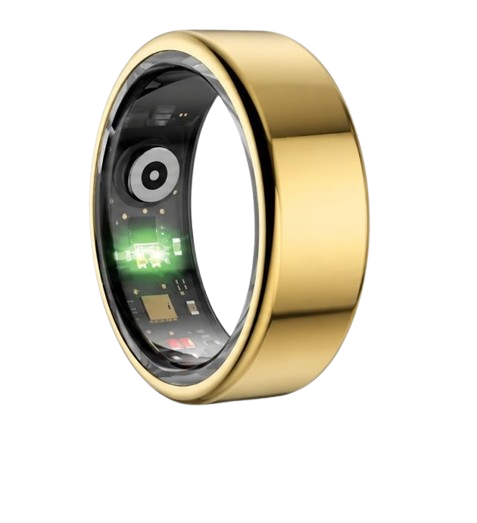
The Herz P1 Smart Ring tracks HRV, Sleep, Heart Rate & SpO2 around the clock. No subscriptions. No renewals. Ever.
In This Article
- How to Monitor Your Arterial Stiffness Step-by-Step: A complete, actionable guide for users.
- The Science of Pulse Wave Velocity: Understanding physical vascular measurements and optical PPG sensors.
- Clinical Insights and Studies: Explaining clinical tracking, baseline testing, and arterial performance.
- Actionable Lifestyle Adjustments: Translating ring data into real hydration, sleep, and fitness gains.
How to Track Your Vascular Health with an Arterial Stiffness Smart Ring: A Step-by-Step Guide
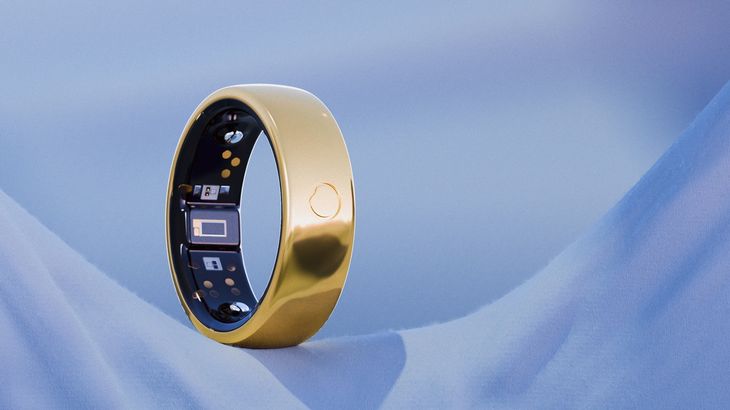
Your circulatory health provides critical markers that define your physiological age and general cardiovascular state.
Tracking these metrics can feel complicated, but a highly modern arterial stiffness smart ring makes it a straightforward daily routine.
Below is the exact step-by-step framework to establish metrics, track daily fluctuations, and build healthy cardiovascular habits.
Prerequisites / What You’ll Need
- A configured Herz P1 Smart Ring.
- The official companion software application installed on an iOS or Android device.
- A consistent sleeping window to capture uninterrupted overnight biometric trends.
-
Step 1: Select the Optimal Wearing Finger
The blood flow in your fingers varies based on unique anatomical vascular mapping.
Choosing the correct wearing location ensures the optical PPG sensors can illuminate and read blood volume changes with high clarity.
The index finger is strongly recommended for wearing a vitals ring because it has a larger, highly accessible digital artery.
Ensure the ring sits comfortably against the base of the finger without rotating excessively during sleep or daily activities.
It should not feel so tight that it restricts circulation or leaves deep skin indentations after hours of continuous wear.
-
Step 2: Establish Your Baseline Readings
Accurate long-term trending requires a highly stable benchmark representing your standard physiological state.
Wear the smart ring consistently for at least seven consecutive days to allow the internal calibration algorithm to calibrate.
A high-quality heart monitor ring uses this initial observation window to establish your average heart rate variability and blood volume trends.
Avoid excessive changes to your daily training load or dietary intake during this foundational baseline-building phase.
Try to log sleep hours consistently to ensure your resting arterial compliance scores are measured under similar conditions.
-
Step 3: Monitor Overnight Trends
Your blood vessels are least affected by external physical stress and movement artifacts while your body is at rest.
Overnight sleep windows provide an incredibly quiet biometric environment to measure pulse transit times accurately.
By integrating a blood pressure ring workflow into your sleep routine, you capture uninfluenced baseline arterial parameters.
Check the companion app immediately after waking to review your resting heart rate and arterial compliance scores.
Watch for consistent, multi-day variations in your resting metrics which can reflect shifts in systemic arterial tension.
-
Step 4: Map Your Pulse Wave Velocity Data
To successfully map your cardiovascular performance, navigate directly to your daily pulse wave velocity and vascular metrics dashboard.
The software displays how quickly your pressure waves travel from your heart down to the sensor location on your finger.
Slower wave propagation speeds typically align with elastic, healthy, and highly responsive blood vessels.
Faster speeds point to rigid, less compliant arterial walls that may be experiencing higher immediate physical resistance.
Record these parameters over weeks to see if your cardiovascular system is responding positively to regular physical activity.
-
Step 5: Implement Positive Habits Based on Trends
Use your daily arterial feedback reports to adjust your immediate lifestyle choices proactively.
If your compliance scores drop, focus on lowering sodium intake and increasing potassium-rich foods to encourage vascular relaxation.
Prioritize daily hydration because low fluid volumes can negatively alter blood viscosity and increase arterial resistance metrics.
Introduce mild aerobic exercise like brisk walking or cycling to build arterial elasticity over time.
Review your weekly trend reports to verify that your active cardiovascular parameters are moving back into optimal zones.
Our team at Herz P1 is deeply committed to supporting your long-term cardiovascular journey.
The Herz P1 Smart Ring provides a direct window into your arterial dynamics without requiring any monthly subscription fees.
This premium device uses ultra-precise PPG sensors to track arterial compliance and pulse transit times, helping you optimize your lifestyle with confidence.
The Science of Pulse Wave Velocity: How Tiny Optical Sensors Read Your Arteries
Every single time your heart contracts, it forces a localized volume of oxygenated blood into your central aorta.
This rhythmic pump generates a distinct kinetic energy wave that ripples through your entire arterial tree.
In medical science, this biological phenomenon is formally evaluated using the pulse wave velocity smart ring methodology.
When your blood vessels are elastic and healthy, they stretch to absorb this physical wave energy smoothly.
This stretch dampens the pressure wave, causing it to travel relatively slowly toward the periphery of your body.
Conversely, stiffened arterial walls cannot expand to accommodate this kinetic pulse energy.
As a result, the pressure wave travels significantly faster down your peripheral pathways.
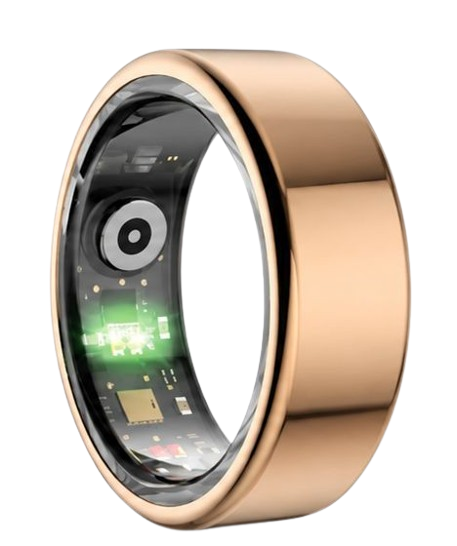
Modern wearable optical sensors detect these subtle volumetric shifts right at the base of your finger.
They use advanced photoplethysmography technology to analyze the exact time of arrival of these dynamic pulse contours.
Our research at Team Herz P1 shows that finger-based optical systems provide highly sensitive pulse amplitude readings.
This high performance is possible because the digital arteries in your fingers run extremely close to the surface of the skin.
By measuring the precise milliseconds between the ventricular contraction and the arrival of the finger pulse wave, we can evaluate relative arterial health trends.
The smart ring for heart health tracks these transit changes overnight when your physical variables are completely resting.
This overnight data is vital because your heart is free from active emotional stressors and physical exertion.
By observing your resting vascular trends over weeks, you get a clean picture of how your lifestyle directly influences your vascular elasticity.
Demystifying the Gondor-AS Clinical Study and Wearable Arterial Stiffness Tracking
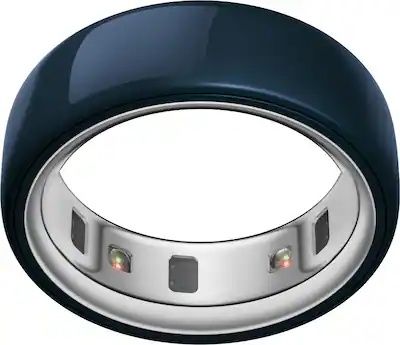
Historically, evaluating arterial stiffness required complex clinical equipment such as direct tonometry or specialized ultrasound arrays.
These clinic-bound procedures are expensive, invasive, and impossible to perform continuously at home.
However, recent breakthroughs have highlighted the immense clinical value of wearable arterial stiffness tracking algorithms.
The landmark gondor-as clinical study directly evaluated the long-term diagnostic accuracy of finger-based PPG sensors.
In this trial, clinical researchers compared wearable arterial stiffness metrics directly against clinical pulse wave analysis gold standards.
The clinical results showed an incredibly strong correlation between home-tracked pulse transit times and professional aortic tonometry diagnostics.
The study confirmed that a calibrated ring that tracks heart rate and pulse waveforms can successfully detect early vascular aging trends.
It also highlighted how continuous monitoring helps identify early markers of stiffening blood vessels long before formal symptoms show.
By monitoring the second derivative of the photoplethysmogram waveform, these smart rings identify the precise dicrotic notch.
This notch reflects the closing of the aortic valve and the subsequent backward reflection of blood off physical arterial branch points.
A higher, more prominent dicrotic notch is associated with youthful, highly compliant arterial structures.
A flatter, less defined notch points to more rigid pathways that reflect the pressure wave back too quickly.
The findings from the Gondor-AS clinical trial have given medical and consumer technology developers immense confidence.
They prove that wearing an arterial stiffness smart ring provides a reliable, accessible way to monitor cardiovascular dynamics from home.
Translating Smart Ring Vitals into Daily Actionable Cardiovascular Habits
Collecting raw health metrics is highly valuable, but true wellness progress comes from translating that data into clear, daily lifestyle actions.
An arterial stiffness smart ring reveals how your body is responding to diet, sleep, and physical fitness in real-time.
Let’s look at how to read and respond to key biometric trends to improve your long-term cardiovascular health:
| Smart Ring Metric | Vascular Indication | Target Actionable Lifestyle Response |
|---|---|---|
| Elevated Pulse Wave Velocity | Suggests increased physical arterial stiffness or elevated systemic vascular resistance. | Incorporate 30 minutes of moderate aerobic exercise and prioritize daily hydration. |
| Decreasing HRV (Heart Rate Variability) | Indicates an active state of nervous system stress or incomplete physical recovery. | Prioritize restful sleep, practice breathing exercises, and reduce training intensity. |
| Elevated Resting Heart Rate | Reflects higher immediate demand on the heart, often caused by fatigue or dehydration. | Ensure adequate fluid intake and avoid eating heavy meals close to bedtime. |
Your blood vessels respond dynamically to your immediate environment, which means your daily choices have a massive impact.
For example, high alcohol intake can cause resting blood vessels to constrict and elevate your vascular metrics for days.
When you monitor these shifts on your companion app, you can physically see the negative impact of specific lifestyle choices.
You can also track the positive, long-term impact of adding regular physical activity to your weekly routine.
Over months, consistent cardio workouts help rebuild arterial compliance, which directly lowers your average pulse transit speed.
These positive physiological changes translate directly into lower cardiovascular age estimates on your ring’s health dashboard.
By tracking your biometrics consistently, you can turn health monitoring into a highly rewarding daily game of physical improvement.
Common Pitfalls in Overnight Heart Health Tracking and How to Avoid Them
Even the most advanced wellness wearables require proper usage to deliver reliable, clinically useful biological data.
One common mistake is wearing a bulky, heavy smartwatch to monitor your sleep metrics overnight.
These oversized wrist devices often shift during sleep, causing optical sensor misalignment and creating major tracking gaps.
Furthermore, many premium smartwatches require you to pay expensive ongoing monthly subscription fees just to view your personal health trends.
We believe you should never have to pay a recurring fee to access the biometric data your own body generates.
The Herz P1 App is, and will always be, entirely free for life with zero hidden fees or locked charts.
Another common tracking pitfall is choosing an incorrect ring size that fits too loosely on your finger.
To avoid this issue, use a sizing kit to select a size that remains securely in place throughout the night.
A secure fit ensures the PPG sensors maintain constant contact with your skin to capture clean pulse measurements.
By opting for a lightweight, subscription-free medical ring form factor, you ensure comfort and continuous tracking accuracy.
This allows you to focus on your personal recovery trends without worrying about daily battery drain or hidden app renewals.
Arterial Stiffness Smart Ring FAQ
Is the Herz P1 Smart Ring waterproof?
Yes, the Herz P1 is fully IP68 waterproof and rated for continuous submersion up to 164 feet.
You can safely wear it while swimming, showering, washing your hands, or working out without any risk of damaging the inner electronics.
How long does the battery last on a single charge?
The advanced lithium battery inside the Herz P1 lasts up to 6 days on a single charge under normal operating conditions.
It charges rapidly from empty to 100% in under one hour using the included magnetic charging dock.
Which finger is best to wear my smart ring on?
The index finger of your non-dominant hand is the absolute best choice for tracking heart and vascular compliance metrics.
The middle and ring fingers are also highly effective options if they provide a more secure, comfortable daily fit.
Does the smart ring store health data offline?
Yes, the Herz P1 has built-in offline storage that can save up to 7 days of raw biometric data.
This local storage ensures your health data is never lost, even if you are away from your phone for several days.
Can I track my cardiac metrics with an ECG feature?
The Herz P1 focuses primarily on continuous optical PPG trends, pulse wave measurements, and sleep architecture analysis.
If you need to capture clinical-grade electrical charts of your heart’s rhythm, we recommend using an ecg ring under the guidance of a physician.
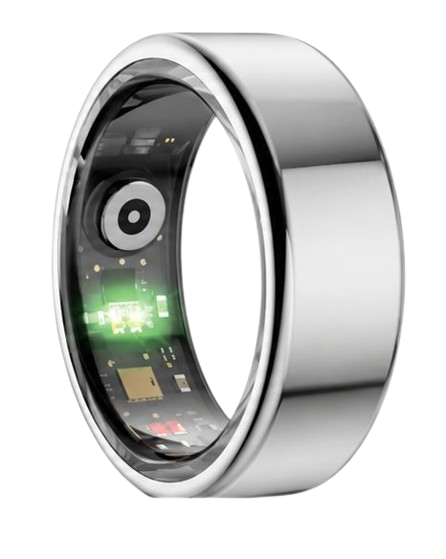
90-Day 100% Money-Back Guarantee
“The Herz Smart Ring helps me manage stress easily. It’s accurate, stylish, and lightweight—perfect for my busy life!”
— Jennifer P. | ✔ Verified Customer
- ✓ 6-Day Battery Life
- ✓ Detailed Sleep Analysis
- ✓ Fast 1-Hour Charging
- ✓ iOS & Android Ready
Questions? Call: 1-866-479-1629
Conclusion: Your Advanced Health Journey Starts Today
Monitoring your arterial stiffness and heart trends has never been more convenient, stylish, or accessible.
The Herz P1 Smart Ring delivers clinical-grade optical metrics, a 2-year warranty, and a lifetime of zero subscription fees.
Ready to monitor your health every day?
Explore the Herz P1 Smart Ring and see if it fits your lifestyle.
Call: 1-866-479-1629 — our team can help advise on the correct ring size and set personalized health goals.
