

Watermark Medical ARES Review: Navigating Clinical Home Sleep Studies vs. Everyday Rest Tracking
Sleep struggles like brain fog, middle-of-the-night wakeups, and chronic fatigue often point to deeper respiratory issues. If you are experiencing persistent daytime exhaustion, a clinical-grade tool like the Watermark Medical ARES can monitor key biomarkers to help you understand your body. Let’s look at how this home study operates and how you can track recovery daily.
Take Back Your Sleep.
Take Back Your Life.
- Fall asleep faster & sleep deeper
- Stop waking up in the middle of the night
- Wake up refreshed & full of energy
Key Article Highlights:
- Clinical Testing Demystified: A comprehensive look at how the Watermark Medical ARES evaluates moderate-to-severe Obstructive Sleep Apnea (OSA) in the comfort of your home.
- Biometric Science: Learn how physical metrics like the Apnea-Hypopnea Index (AHI) and oxygen saturation relate to morning brain fog and the sympathetic nervous system’s stress responses.
- The Reality of Forehead Diagnostics: An honest assessment of the system’s setup, physical comfort, and operational limitations during a multi-night diagnostic window.
- Transitioning to Long-Term Wellness: Discover how screen-free daily wearables like the Herz P1 Smart Ring offer a subscription-free, comfortable method to continuously track Heart Rate Variability (HRV) and sleep stages.
Understanding the Watermark Medical ARES Home Sleep Study

When chronic fatigue strikes, many of us spend hours searching for solutions. We look at our daily habits, cut out late-night caffeine, or spend a fortune on ergonomic pillows. Yet, we still find ourselves waking up at 3 AM with a racing mind, completely exhausted, with a profound feeling of non-restorative sleep. Often, the missing piece isn’t our sleep hygiene, but our respiration. When physical breathing patterns are compromised during the night, the body is starved of vital oxygen, forcing the brain to wake up in a panic to resume normal airflow.
To evaluate these occurrences without requiring a disruptive, expensive stay in a hospital laboratory, medical professionals often turn to a watermark sleep study. This clinical approach brings diagnostic precision into your own bedroom. The primary tool utilized in this evaluation is the Watermark Medical ARES (Apnea Risk Evaluation System), also known as the ares 620. This clinical-grade device is engineered to monitor sleep-disordered breathing with high accuracy, offering a reliable, home-based alternative to conventional polysomnography.
| Assessment Criteria | Rating | Key Takeaway |
|---|---|---|
| Diagnostic Accuracy | 9.5 / 10 | Medical-grade sensor array provides excellent clinical diagnostic fidelity. |
| Comfort & Ergonomics | 5.5 / 10 | The forehead strap and nasal cannula can feel highly restrictive and cause sleep disruptions. |
| Setup & Ease of Use | 7.5 / 10 | Step-by-step physical configuration is straightforward but requires careful adjustments. |
| Actionable Longevity | 3.0 / 10 | Single-use or short-term clinical evaluation tool; not suitable for daily lifestyle monitoring. |
Product Overview
The Watermark Medical ARES device is a specialized, prescription-only diagnostic system designed to be worn on the forehead. Built specifically for at-home sleep apnea testing, it incorporates an array of advanced sensors to capture detailed physiological data while you remain in your own bed. The system integrates a secure forehead band, nasal cannula, and an integrated pulse oximeter sensor, allowing sleep medicine specialists to review detailed physiological indicators over one to three consecutive nights.
Key Highlights of the ARES
- Forehead-Mounted Sensor Suite: Measures oxygen saturation (SpO2), pulse rate, airflow, snoring loudness, and head position.
- Internal EEG-Like Staging: Uses specialized pressure and movement sensors to estimate actual sleep time rather than just recording time in bed.
- Clinical-Grade Validation: Accepted by major health insurance plans and recognized by sleep medicine boards for providing clear data to evaluate obstructive sleep apnea.
- Voice-Guided Prompts: Provides auditory alerts to guide users through proper physical placement and adjustments before turning out the lights.
Real-World Experience: What It Feels Like
Setting up the ares sleep test requires following specific steps. You secure the thick, foam-padded strap around your forehead, insert a plastic nasal cannula into your nostrils to monitor breathing pressure, and drape the sensory cables behind your ears. As you prepare to sleep, the system plays verbal prompts to confirm that the sensors are capturing a clean signal.
Sleeping with the system is an adjustment. For side-sleepers or those who frequently turn over, the forehead casing can feel bulky and restrictive. The physical presence of a tube in your nose can cause mild nasal dryness, and the snug forehead strap may leave noticeable pressure marks by morning. However, when compared to spending a night covered in electrodes inside a clinical lab, the ARES provides a much more natural representation of your typical sleep patterns, even with its physical demands.
Balanced Pros & Cons of the Watermark Medical ARES
To help you decide if this system is right for your needs, here is an objective analysis of its clinical advantages and real-world comfort limitations:
- High diagnostic accuracy validated by sleep medicine physicians.
- Measures actual oxygen desaturation levels directly at the forehead, minimizing peripheral circulation errors.
- A coustical snoring sensors track respiratory effort and frequency accurately.
- The forehead band and nasal tube can be uncomfortable, potentially causing more awakenings.
- A temporary diagnostic tool, not meant for long-term daily health monitoring.
- Requires a physician’s prescription and clinical interpretation to read the raw data files.
The Operational Reality: A Single Event vs. Daily Tracking
While the ARES is a superb medical-grade tool for identifying respiratory disorders, it is designed for a single clinical event. It is not meant for daily wear, nor does it track how your afternoon workouts or nutrition choices affect your sleep architecture over time. For those seeking continuous, comfortable insight into their daily health and physical recovery without bulky headgear, a modern wellness wearable like the Herz P1 Smart Ring is a much more practical choice. It offers continuous biometric monitoring without the discomfort of forehead straps, nasal cannulas, or ongoing subscription fees.
Who Is This System For?
An ares sleep test is recommended for anyone experiencing severe symptoms of sleep-disordered breathing, such as loud snoring, waking up gasping for air, or persistent daytime fatigue that interferes with work and driving. Conversely, if you want to understand your sleep cycles, track your resting heart rate, or observe how daily stress affects your recovery score, a lightweight, subscription-free smart ring is the more practical daily option.
The Final Verdict on the ARES
The Watermark Medical ARES stands out as an exceptional, highly validated tool for clinical sleep evaluation. While its forehead band and nasal cannulas can feel uncomfortable for daily wear, its diagnostic accuracy is undeniable. If your doctor suspects sleep apnea, using this device is a vital first step toward restoring your health.
The Biometric Science of Sleep Apnea and Airflow Monitoring

When looking at sleep health, it is essential to understand how physical respiration directly affects the autonomic nervous system. During sleep-disordered breathing, the muscles at the back of the throat relax, causing the upper airway to narrow or close entirely. These breathing pauses are known as apneas (complete blocks in breathing) and hypopneas (partial blocks), and they have a major impact on your overall sleep quality.
A clinical home sleep test evaluates these events using key biometric measures. The most important of these metrics is the Apnea-Hypopnea Index (AHI). This index represents the average number of pauses in breathing you experience per hour of sleep. An AHI of under 5 is considered normal, while an index of 5 to 15 indicates mild sleep apnea, 15 to 30 is moderate, and anything over 30 is classified as severe.
When breathing is interrupted, your blood oxygen saturation (SpO2) levels drop. The Watermark Medical ARES tracks these oxygen drops closely. When your blood oxygen falls below normal levels (typically between 95% and 100%), it triggers a survival response in the brain. The sympathetic nervous system floods your body with adrenaline, spiking your heart rate and raising blood pressure. This sudden physical stress forces your brain to wake up, often with a racing mind or a gasp for air, leaving you feeling anxious and restless at 3 AM.
— Sarah K., Mind Body Dan Reader
Additionally, sleep positions have a significant impact on respiratory stability. Many individuals experience airway blockages primarily when sleeping flat on their backs, a condition known as positional sleep apnea. The internal sensors in the Watermark Medical ARES record your head position, allowing sleep specialists to determine if changing your sleeping position could help improve your nighttime breathing.
These breathing interruptions can also disrupt your natural sleep stages. When your brain is forced to wake up repeatedly to resume normal breathing, it cannot spend enough time in restorative Deep and REM sleep. Deep sleep is essential for physical recovery and muscle repair, while REM sleep supports memory and emotional health. This disruption to your sleep architecture explains why you might sleep for a full eight hours and still wake up with morning brain fog and a dry mouth.
Key Physiological Markers Monitored by the ARES:
- Apnea-Hypopnea Index (AHI): Calculates the total frequency of breathing pauses per hour of sleep.
- Oxygen Desaturation Index (ODI): Measures how often blood oxygen levels fall by 3% or more below baseline.
- Acoustic Snoring Decibels: Analyzes the volume, frequency, and pattern of snoring to evaluate airway restriction.
- Pulse Rate Variations: Tracks changes in your heart rate to see how much strain breathing pauses put on your cardiovascular system.
Bridging the Gap: From Clinical Diagnostics to Continuous Everyday Recovery
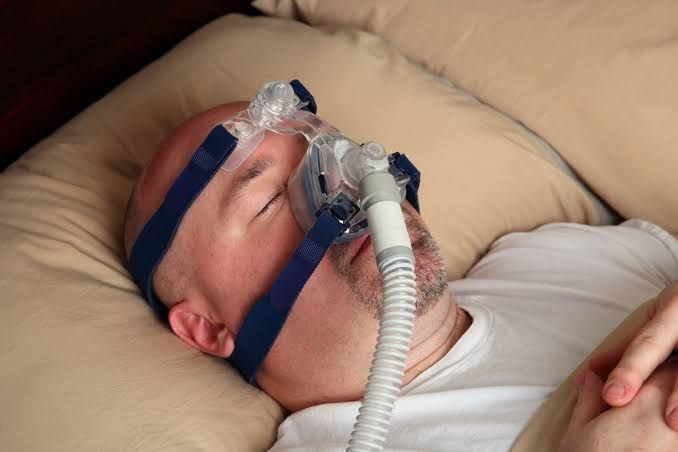
A diagnostic study like the clinical sleep study is essential for identifying respiratory disorders, but what comes next? Once you address any breathing issues, the journey to achieving restful sleep depends on your daily habits, stress levels, and lifestyle choices. Managing these variables requires a practical way to monitor your biometric trends over the long term.
In the past, tracking sleep meant wearing a bulky smartwatch with a bright, distracting screen. These watches often send notifications right before bed, introducing blue light that disrupts your body’s natural melatonin production. In addition, many popular fitness trackers come with mandatory monthly subscriptions, hiding your own physiological data behind a paywall.
The Herz P1 Smart Ring offers a modern, elegant alternative. Made from ultra-lightweight titanium, this sleek wearable sits comfortably on your finger and operates completely screen-free, helping you disconnect from digital distractions at bedtime. It features medical-grade sensors that monitor your sleep stages (Light, Deep, and REM) alongside your Heart Rate Variability (HRV), and translates these metrics into an intuitive daily Recovery Score—all with no monthly subscription fees.
Say Goodbye to Hidden Costs & Bulky Devices
Most smart rings lock your health data behind costly monthly subscriptions. The Herz P1 Smart Ring delivers clinical-grade biometric tracking in an elegant, screen-free titanium ring. Buy it once, and own your wellness insights forever.
For daily health tracking, Heart Rate Variability (HRV) is one of the most useful metrics available. Measured in milliseconds, HRV reflects the variation in time between consecutive heartbeats. This variability is regulated by your autonomic nervous system, which balances your sympathetic (“fight-or-flight”) and parasympathetic (“rest-and-digest”) branches.
When you are stressed or physically exhausted, your HRV tends to drop, indicating that your nervous system is working hard to maintain balance. Conversely, a high HRV indicates that your body is well-rested, resilient, and ready to take on the day. By tracking these trends every morning, you can make informed decisions about whether to push through a challenging workout or prioritize rest and recovery.
By combining clinical-grade home sleep diagnostic tools like the Watermark Medical ARES with effortless daily trackers like the Herz P1 Smart Ring, you can gain a complete, actionable understanding of your sleep and overall health.
Disclaimer: Results may vary depending on individual physical activity levels, unique health conditions, and daily tracking patterns. The content in this article is provided for informational and educational purposes only and is not intended as medical advice or a substitute for professional clinical evaluations, diagnostic reports, or prescriptions. Always consult with a qualified physician or healthcare provider regarding any suspected sleep disorders or health concerns.
