

Should You Nap After a Workout for Muscle Recovery? Science-Backed Pro Tips for Restorative Sleep
Wondering if a nap after workout helps or hurts your muscle recovery? Getting sleepy after exercise is highly common, yet balancing a post workout nap with your nocturnal sleep cycle is tricky. To monitor how naps impact your biometrics, we recommend tracking sleep trends with a screen-free tool like the Herz P1 Smart Ring to protect your nightly rest.
Take Back Your Sleep.
Take Back Your Life.
- Fall asleep faster & sleep deeper
- Stop waking up in the middle of the night
- Wake up refreshed & full of energy
Key Article Highlights:
- The Recovery Paradox: A post workout nap can accelerate muscle synthesis, but timing it poorly ruins nocturnal rest.
- Why Fatigue Hits: Biological triggers such as adenosine accumulation and central nervous system depletion explain why you feel sleepy after exercise.
- The Perfect Nap Protocol: Learn the difference between a 20-minute power nap and a 90-minute sleep cycle to optimize physical recovery metrics.
- Frictionless Biometric Tracking: Discover how the Herz P1 Smart Ring provides subscription-free, screen-free insights into your recovery without bulky watches.
Should You Nap After a Workout? The Ultimate Science-Backed Recovery Guide

The Quick Answer
Yes, taking a nap after workout is highly beneficial for muscle recovery, physical restoration, and mental alertness. The short answer is that a brief post-exercise nap assists in tissue repair and clears metabolic waste. However, to choose the right recovery strategy, you need to understand your body’s exact biometric readiness, sleep debt, and the vital difference between restorative daytime rest and circadian-disrupting slumber.
Detailed Explanation: The Science of Muscle Recovery and Sleep
When you push your muscles to their limits, you create microscopic tears in the muscle fibers. This is a completely healthy, necessary part of physical conditioning. However, muscles do not actually grow while you are lifting weights or running on the treadmill; they rebuild during periods of rest. This is where a strategic nap after workout comes into play.
During deep sleep, your endocrine system releases a surge of Human Growth Hormone (HGH). HGH is the primary catalyst for cellular repair, tissue regeneration, and muscle protein synthesis. Additionally, when you rest, blood flow is redirected from your brain and internal organs directly to your skeletal muscles. This increased circulation delivers a rich supply of oxygen, amino acids, and vital nutrients directly to the areas requiring repair.
Furthermore, intense workouts trigger the release of cortisol, a primary stress hormone. While cortisol helps mobilize energy during exertion, chronically elevated levels can lead to muscle breakdown and persistent fatigue. Falling asleep, even briefly, helps bring your nervous system out of sympathetic (“fight or flight”) dominance and back into a parasympathetic (“rest and digest”) state. This shift rapidly lowers blood pressure, stabilizes your heart rate, and accelerates cortisol clearance.
— Team Mind Body Dan
When to Use a Post-Workout Nap (And When to Avoid It)
Understanding when a nap after workout is appropriate depends on several highly individualized variables:
- When to Nap: If you had a poor night of sleep beforehand, exercised early in the morning, or completed an exceptionally demanding endurance or strength session. A brief nap is also ideal if you are experiencing brain fog and need a cognitive reset before returning to work.
- When to Avoid Napping: If your workout takes place in the late afternoon or evening. Napping after 4:00 PM can severely diminish your homeostatic sleep drive (the internal pressure to fall asleep), leading to frustrating nights spent lying awake with a racing mind, experiencing non-restorative sleep, or suffering from 3 AM awakenings.
How to Identify Your Personal Recovery Window:
If you frequently wake up in the middle of the night feeling restless, your body is telling you that your daytime sleep habits or high stress levels are clashing with your natural circadian rhythm. Rather than guessing, tracking daily wellness trends with a screen-free biometric wearable can pinpoint precisely when your body is primed for rest.
Our Recommended Solution: The Herz P1 Smart Ring
To truly understand how a nap after workout affects your overall recovery, you need objective data. This is where the Herz P1 Smart Ring excels. For many fitness enthusiasts, bulky smartwatches are uncomfortable to sleep in and demand daily charging, which leads to gaps in tracking data. The Herz P1 offers a premium, screen-free, and subscription-free alternative crafted from ultra-lightweight, medical-grade titanium.
By continuously monitoring your Sleep Stages (REM, Deep, and Light) and your Heart Rate Variability (HRV), the Herz P1 translates complex biometric algorithms into a simple, daily Recovery Score. This score tells you precisely whether your post workout nap helped rebuild your muscles or merely disrupted your nocturnal sleep hygiene. With its long battery life and sleek, distraction-free design, you can reclaim your sleep health without adding more screen time to your day.
First Section FAQ
Q: Does a quick nap replace an hour of missed night sleep?
A: No. While a nap provides a temporary boost in alertness and minor physical recovery, it cannot fully replicate the sequential structure of consecutive, uninterrupted sleep cycles required for deep brain restoration.
Q: How long after a workout should I wait before napping?
A: We recommend waiting at least 30 to 45 minutes post-exercise. This allows your core body temperature to cool down and your heart rate to return to baseline, making it much easier to transition into quiet sleep.
Q: Will napping after exercise slow down my metabolism?
A: Not at all. In fact, optimizing your recovery via sleep supports a healthy endocrine system, which maintains balanced metabolic function and prevents muscle loss.
Why Do I Get Sleepy After Working Out? The Biological Underpinnings of Post-Exercise Fatigue

It is incredibly common to wonder, why do i get sleepy after working out? You might expect to feel energized and invigorated after a heavy sweat session, yet you find yourself battling intense brain fog and dragging your feet. This phenomenon is rooted in several biological mechanisms that we must unpack to understand physical fatigue.
The Energy Drain: Glycogen and Adenosine
The first culprit is simple energy depletion. During exercise, your muscles burn through stored glucose, known as glycogen, to power your contractions. Once your glycogen reserves are depleted, your cells experience a literal energy crisis. To protect vital organs, your brain signals that it is time to slow down, rest, and replenish.
Concurrently, cellular activity releases a chemical compound called adenosine. As adenosine accumulates in your brain, it binds to specific receptors that promote sleepiness. High-intensity workouts speed up this accumulation, making you feel overwhelmingly sleepy after exercise. Sleep is the only mechanism that naturally clears adenosine from your system, which explains why a nap after workout can feel so profoundly restorative.
Central Nervous System (CNS) Fatigue
When you exercise, your brain is working just as hard as your muscles. Your motor cortex must continuously fire electrical signals to stimulate muscle fibers. Over time, this rapid-fire signaling exhausts your nervous system, leading to central nervous system fatigue. This is not just physical muscle tiredness; it is a systemic exhaustion that manifests as low motivation, poor focus, and a desire to sleep.
To prevent this normal fatigue from developing into chronic, long-term exhaustion, you must practice proper sleep hygiene tips. Monitoring your body’s response through biometrics like Heart Rate Variability (HRV) metrics can tell you if your nervous system is recovering or if you are displaying early signs of overtraining. Consistently low HRV trends during daytime rest suggest your nervous system is struggling to transition back to a restful state, highlighting the need for Deep Sleep optimization.
| Fatigue Type | Primary Driver | Typical Symptoms | Best Recovery Action |
|---|---|---|---|
| Muscular/Metabolic | Glycogen depletion & lactic acid | Local soreness, physical heaviness | Hydration, nutrition, light stretching |
| Systemic/Chemical | Adenosine buildup | Yawning, physical sleepiness | A 20-minute power nap |
| Neurological (CNS) | Motor pathway exhaustion | Brain fog, lack of coordination | Full sleep cycles, meditation, HRV tracking |
Optimizing Your Recovery: How to Balance Napping with Nighttime Sleep Hygiene
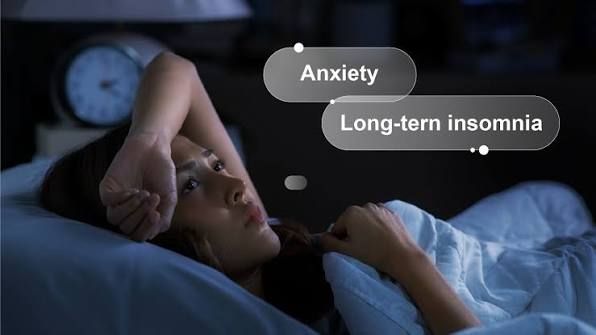
To harness the cellular restorative properties of a post workout nap without destroying your nightly sleep patterns, you must understand how to construct your daytime rest. Mismanaged napping can trigger a cycle of sleeplessness, dragging you down into a state of chronic daytime fatigue.
The Golden Rules of the Post Workout Nap
To maximize muscle protein synthesis and nervous system recovery while respecting your body’s natural daily circadian rhythm, follow these three science-backed rules:
- Keep it Under 30 Minutes (The Power Nap): A short 15-to-20-minute nap is often referred to as a “NASA power nap.” It provides immediate cognitive and physical refreshment because you remain in light sleep stages without entering slow-wave (deep) sleep. This allows you to wake up easily without the grogginess known as sleep inertia.
- Alternatively, Aim for 90 Minutes (The Full Cycle): If you are incredibly sleep-deprived, aim for a complete 90-minute sleep cycle. This allows your body to progress naturally through light sleep, deep sleep, and REM sleep stages before waking up. Waking up at the end of a full cycle prevents grogginess and maximizes cellular repair.
- Mind the Timing: Never nap within six to eight hours of your planned bedtime. Doing so clears too much adenosine, leaving you with a racing mind when your head hits the pillow at night, which can result in frustrating 3 AM awakenings and non-restorative sleep.
Why Biometric Clarity Beats Guesswork
Every individual’s physiology is completely unique. Your ideal recovery window is dictated by your historical physical recovery metrics, daily stress, and baseline genetics.
By wearing the screen-free, titanium Herz P1 Smart Ring, you gain precise access to daily Sleep and Recovery Scores. It allows you to monitor how your naps directly influence your nightly sleep stages and helps you make data-informed changes to improve your baseline HRV.
Choosing the Right Tracker: Screen-Free Elegance Over Smartwatch Clutter
If you are serious about optimizing your rest, you must evaluate the tool you use to track it. While traditional smartwatches are widely available, they often pose operational hurdles for those seeking high-quality sleep:
- The Bulky Distraction: Sleeping with a heavy, glowing watch on your wrist can cause micro-awakenings, which interrupt deep sleep and REM cycles.
- The Screen Trap: Blue-light-emitting screens right on your wrist can trigger late-night doom-scrolling, raising your heart rate and disrupting your natural circadian cycle.
- Battery Anxiety: Many smartwatches require daily charging. If your watch is sitting on a charger overnight, you lose your most critical sleep and heart rate data.
- Subscription Fatigue: Many wearable companies charge monthly subscriptions to access your own biological data, causing frustration and unexpected ongoing costs.
The Herz P1 Smart Ring solves these issues beautifully. Its ultra-lightweight titanium design fits comfortably on your finger, completely unnoticeable during sleep. Because it is entirely screen-free, it never distracts you with notifications or blue light before bed. Best of all, it offers no hidden fees or subscriptions—allowing you to buy the device once and own your physiological data forever. It converts complex biometric algorithms into clean, simple, and actionable insights to help you build a highly effective recovery schedule.
Disclaimer: Results may vary depending on individual physical activity levels, unique health conditions, and daily tracking patterns. The content provided in this article is for educational and informational purposes only and is not intended to substitute for professional medical advice, diagnosis, or treatment. Always consult with a qualified healthcare provider before making major changes to your exercise, sleep, or wellness routines.
