

4 Best Daily Support Tools for Circadian Rhythm Realignment
Is your sleep schedule constantly drifting, leaving you exhausted? This circadian misalignment makes traditional schedules impossible. Clinical research shows that tracking heart rate variability (HRV) and sleep stages can help stabilize your body clock. Our team recommends using a screen-free tool like the Herz P1 Smart Ring to log and understand these vital biometric trends.
Take Back Your Sleep.
Take Back Your Life.
- Fall asleep faster & sleep deeper
- Stop waking up in the middle of the night
- Wake up refreshed & full of energy
Article Highlights:
- Understand the daily reality of non-24 circadian drift and why consistent tracking is the first line of defense.
- How to evaluate the most effective non-24 treatment options based on clinical accuracy, comfort, and data clarity.
- A comparison of light-therapy glasses, clinical supplements, traditional smartwatches, and screen-free biometric rings.
- Why monitoring Heart Rate Variability (HRV) and Sleep Stages is essential for managing a non-24 sleep cycle.
- Why a subscription-free, titanium smart ring offers the best screen-free tracking experience for consistent nighttime recovery.
Navigating Circadian Rhythm Challenges: Criteria and Top Management Tools

Living with a fluctuating body clock means your internal daily cycle does not align with the standard 24-hour day. This disruption, often referred to as non-24 (or Non-24-Hour Sleep-Wake Disorder), causes your sleep and wake times to drift slightly later each day. Over weeks, your biological night shifts through the daytime, resulting in severe daytime exhaustion, nighttime insomnia, and profound social isolation. While some search for a permanent cure for non stop 24 hour sleep disorder, clinical experts focus on structured management strategies that support alignment and help stabilize the body’s internal clock.
Implementing an effective, long-term non-24 treatment plan requires reliable tools. Without objective data to map your shifting sleep onset, trying to time light exposure or supplement use becomes guessing games. When evaluating tools to support a non-24 treatment protocol, our team looks for devices that offer clinical-grade tracking, daytime comfort, and simplicity without adding stress to your routine.
Our Rigorous Evaluation Criteria
To identify the best tools for supporting daily circadian management, we analyze wearable technology and lifestyle aids across four primary performance vectors:
- Biometric Precision: The accuracy with which a tracker monitors sleep tracking metrics like REM, Deep, and Light sleep stages, alongside autonomic markers like Heart Rate Variability (HRV).
- Wearability & Comfort: Non-24 management requires 24/7 tracking. If a device is bulky, hot, or needs to be charged every single day, compliance drops.
- Cognitive Friction & Screen-Free Experience: People managing circadian issues frequently suffer from a racing mind and pre-bed anxiety. Trackers with glowing screens can worsen sleep onset difficulties.
- Value & Subscription Transparency: Health tracking should not come with perpetual, hidden monthly fees. A single, honest purchase is critical for long-term trust.
| Tool / Device | Primary Non-24 Focus | Tracking Capability | Subscription Fee | Key Advantage |
|---|---|---|---|---|
| Herz P1 Smart Ring | Biometric Drift & Recovery Tracking | Clinical HRV, Sleep Stages, Activity | $0 (Subscription-Free) | Screen-free, ultra-light titanium, no fees |
| Luminette Light Glasses | Circadian Entrainment & Light Therapy | None (Active Therapy Only) | $0 | Portable light exposure on the move |
| Clinical Melatonin | Phase-Shifting Supplementation | None (Chemical Aid Only) | Ongoing cost of supplements | Direct signal to the suprachiasmatic nucleus |
| Traditional Smartwatches | General Fitness Monitoring | Basic Sleep & Daily Heart Rate | Varies (Some require premium apps) | Vibrant display with notifications |
1. The Herz P1 Smart Ring — The Best Screen-Free Biometric Companion
The Herz P1 Smart Ring is a highly effective, screen-free wearable tool that supports a consistent, long-term non-24 treatment plan. Designed from lightweight, aerospace-grade titanium, this smart ring bypasses the physical and cognitive drawbacks of typical smartwatches. It operates silently on your finger, collecting precise, medical-grade biometric data and delivering simple daily trends without distraction.
Why Screen-Free Tracking Changes Everything:
Checking a bright screen when waking up at 3 AM with a racing mind sends a burst of blue light to your eyes, halting melatonin production. This disruption resets your brain’s internal timer, making it even harder to fall back asleep. The Herz P1 tracks your patterns passively without screens, protecting your circadian progress.
- Strengths:
- No Monthly Fees: Completely subscription-free model. You own your health data permanently.
- Comfort-First Design: Weighing only a few grams, it is highly comfortable to wear to bed, unlike bulky, hot smartwatches.
- Comprehensive Sleep Analysis: Tracks REM, Deep, and Light sleep stages to monitor how your biological cycle shifts over time.
- Autonomic Nervous System Tracking: Constantly monitors Heart Rate Variability (HRV) to calculate a daily Recovery Score, showing how rested your body actually is.
- Extended Battery Life: Only requires charging once every several days, avoiding daily battery anxiety.
- Weaknesses: Does not have a screen, which means you must view your detailed data trends on a smartphone app rather than directly on your hand.
- Ideal User: Health-conscious individuals, biohackers, and anyone seeking a high-quality, subscription-free, screen-free tracking solution that supports their non-24 treatment goals.
2. Luminette Light Therapy Glasses — Targeted Light Exposure
Light therapy glasses offer a portable way to deliver bright light to your eyes, a core strategy in stabilizing circadian patterns. By emitting safe blue-enriched white light directly into your field of vision, these glasses help suppress melatonin during waking hours, assisting your efforts to align your biological day with the external world.
- Strengths: Highly portable; can be worn while making breakfast, reading, or working. Fits over prescription glasses.
- Weaknesses: Does not track your sleep stages or sleep quality; only serves as an active light-delivery tool.
- Ideal User: Individuals looking to pair their active tracking routine with targeted morning light therapy.
3. Clinical-Grade Melatonin Supplements — Phase-Shifting Support
Carefully timed melatonin is often utilized under professional guidance as part of a non-24 treatment plan. Low-dose melatonin, taken several hours before your target sleep time, acts as an internal phase-advance signal, encouraging your body to sleep earlier. It works alongside behavioral adjustments to help anchor a drifting sleep schedule.
- Strengths: Directly signals the brain’s central clock to encourage sleep onset.
- Weaknesses: Overuse or poor timing can worsen circadian drift; does not provide biometric data.
- Ideal User: People managing circadian drift who are actively tracking their sleep phases to ensure precise dosage timing.
4. Traditional Smartwatches — Feature-Rich Generalist Trackers
Modern smartwatches from large technology brands provide a wide array of fitness metrics, phone notifications, and lifestyle features. While they track basic sleep duration, they are primarily designed as wrist-worn communication hubs rather than dedicated recovery monitors.
- Strengths: Broad functionality, including GPS tracking, direct wrist messaging, and call handling.
- Weaknesses: Bulky and uncomfortable for sleeping; short battery life requires daily charging; glowing screen and notifications can disrupt rest.
- Ideal User: Users who want an all-in-one productivity assistant and do not mind charging their device daily.
Buying Guide: Choosing the Best Non-24 Treatment Companion
When selecting a wearable to help manage a drifting sleep cycle, focus on consistency. A tracker is only useful if you wear it every single day and night. For sleep tracking, prioritize comfort, battery life, and screen-free operation over smartphone notifications. Choosing a subscription-free option like a smart ring helps protect against recurring monthly costs, providing long-term value as you build your routine.
— Team Mind Body Dan Wearable Tech Analysis
Final Recommendations Summary
For individuals looking to stabilize their circadian patterns, we recommend a multi-layered approach:
- Primary Biometric Tracker: The Herz P1 Smart Ring provides a comfortable, screen-free way to monitor sleep stages and HRV without recurring fees.
- Light Therapy: Use portable light glasses in the morning to signal wakefulness to your biological clock.
- Supplementation: Use carefully timed melatonin under professional guidance to support your natural sleep onset.
Establishing Daily Entrainment: Practical Steps for Circadian Realignment
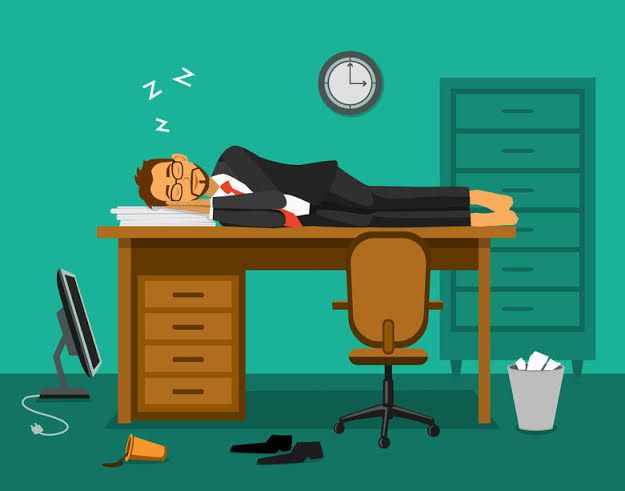
Managing understanding circadian drift requires a consistent, proactive routine. When your body clock is out of sync with your environment, simple tasks can feel overwhelming. Imagine lying awake at 3 AM with a racing mind, watching the hours tick away while knowing you have to work in the morning. This lack of restorative sleep leads to persistent brain fog, a reliance on extra caffeine, and a cycle of sleep disruptions that feels impossible to break.
Establishing daily entrainment involves using specific, timed cues—known as zeitgebers—to signal the proper time of day to your brain’s master clock. For those navigating a non-24 treatment plan, these steps should be applied consistently to help stabilize your daily cycles.
Strategic Light Exposure
Light is the most powerful signal for aligning your circadian rhythm. Delivering bright light to your eyes shortly after waking helps suppress melatonin production and signals to your brain that the day has begun. If you are managing circadian issues, aiming for 20–30 minutes of bright outdoor light or using light therapy glasses shortly after waking can support your daily alignment efforts.
Practical Light Tips:
- Get outdoors within 30 minutes of waking for natural sunlight exposure.
- On overcast days, spend a bit more time outside or use portable light therapy glasses.
- Dim household lighting and limit bright screens 2 hours before bed to help prepare your body for sleep.
Consistent Meal and Activity Timing
Your brain is not the only place with a clock; peripheral organs like your liver, gut, and muscles have their own internal timers. Eating meals and exercising at consistent times each day reinforces your brain’s sleep-wake signals. This makes daily tracking tools valuable, as they show how physical activity impact your sleep stages and daily recovery patterns.
An effective non-24 treatment plan relies on tracking how these adjustments affect your rest. By monitoring sleep quality and recovery daily, you can fine-tune your light exposure, meals, and evening routine to find what works best for your body.
Harnessing Biometrics: HRV, Sleep Stages, and Screen-Free Monitoring

Managing circadian drift requires clear, accurate data. Tracking key biometrics allows you to see how your body responds to your daily routine, taking the guesswork out of your recovery plan. Rather than relying on how you feel, tools like the Herz P1 Smart Ring offer a clear, objective look at your body’s sleep-wake cycles.
By understanding how to track sleep quality through deep biometric markers, you gain the insights needed to make informed adjustments to your routine. Tracking these vital trends helps you build a highly personalized non-24 treatment plan.
Demystifying Key Biometric Indicators
To optimize your sleep-wake schedule, focus on three primary biometric indicators:
- Heart Rate Variability (HRV): The variation in time between consecutive heartbeats. A higher HRV suggests your parasympathetic nervous system is active, meaning your body is rested and adapting well to stress. A lower HRV often signals physical fatigue or circadian stress, indicating your body needs extra rest.
- Sleep Stages (REM, Deep, Light): Each sleep stage plays a key role in recovery. Deep sleep supports physical repair and immune health, while REM sleep is crucial for cognitive function and emotional processing. Tracking these phases helps you see if your sleep is truly restorative.
- The Daily Recovery Score: This simplified metric combines your HRV, sleep quality, and daily activity into an intuitive score. It gives you a quick, reliable look at your daily energy reserves, helping you decide whether to push your limits or prioritize rest.
Why screen-free smart rings are the future of circadian tracking
Bulky, screen-heavy watches can often disrupt your sleep. A lightweight, screen-free titanium smart ring tracks your health data seamlessly and silently in the background, keeping you connected to your body’s trends without the distraction of notifications or bright screens.
Consistently monitoring your daily recovery monitoring patterns is one of the most effective ways to understand how your body handles circadian drift. When you track your sleep stages and HRV, you can see exactly how shifts in your schedule impact your recovery. This allows you to refine your light exposure, supplements, and daily habits to build a reliable, personalized non-24 treatment methods plan that supports long-term health and well-being.
Disclaimer: Results may vary depending on individual physical activity levels, unique health conditions, and daily tracking patterns. This article is for informational purposes only and does not constitute medical advice. If you suspect you have Non-24-Hour Sleep-Wake Disorder or another medical condition, please consult a qualified healthcare professional to discuss your concerns and establish a safe, appropriate management plan.
