

Alice NightOne Review: Home Sleep Test and Patient Setup Guide
Are you struggling with persistent brain fog, racing thoughts, and frustrating 3 AM awakenings? While the clinical Alice NightOne home sleep test helps physicians identify medical disorders like sleep apnea, long-term sleep optimization requires comfortable, screen-free tracking. Let’s explore how to set up this clinical device and seamlessly transition to everyday biometric recovery.
Take Back Your Sleep.
Take Back Your Life.
- Fall asleep faster & sleep deeper
- Stop waking up in the middle of the night
- Wake up refreshed & full of energy
Key Article Takeaways
- Discover how the Alice NightOne system operates as a premier clinical-grade home sleep diagnostic tool.
- Learn the step-by-step alice nightone patient setup to secure error-free, overnight sleep studies.
- Understand the diagnostic parameters tracked, including respiratory effort, oxygen levels, and airflow.
- Explore how everyday biometric tracking with a subscription-free wearable can help maintain sleep hygiene long after the clinical test.
What is the Alice NightOne and How Does It Work?

Before undergoing a clinical sleep study, understanding the Alice NightOne home sleep test protocol is crucial. Unlike a fully attended lab-based sleep study (polysomnography), this medical device is specifically engineered to bring clinical-grade diagnosis into the comfort of your own bedroom. By eliminating the sterile, stressful atmosphere of a hospital sleep clinic, the unit allows you to rest in your familiar environment, yielding a more representative snapshot of your typical sleep patterns.
Developed as the industry-leading standard for home diagnostic testing, the philips alice nightone system integrates advanced cardiorespiratory sensors in a lightweight package. This makes it incredibly effective for diagnosing obstructive sleep apnea (OSA) and evaluating overall breathing patterns during the night. For many individuals experiencing non-restorative sleep, brain fog, and midday fatigue, this test serves as the essential first step toward clinical clarity.
Diagnostic Product Overview
The core philosophy behind the design of the Alice NightOne is the minimization of patient error. Traditional home diagnostic equipment often featured a complicated nest of wires, leading to frequent testing failures and requiring patients to repeat the study. This is where our complete Alice NightOne guide helps demystify the clinical terminology and operational mechanics. The device uses an elegant “Auto-On” capability that automatically begins recording as soon as the chest belt buckle is clicked into place, ensuring you do not have to worry about power buttons or starting sequences before falling asleep.
Key Diagnostic Strengths
- Good Study Indicator (GSI): A visual feedback display directly on the device that lights up in green sectors to show how many hours of valid data have been successfully recorded.
- Integrated RIP Chest Belt: Respiratory Inductance Plethysmography belt tracks your chest expansion and breathing efforts without requiring restrictive full-body straps.
- Smart Nasal Cannula: Monitors airflow rate and pressure changes, identifying subtle drops in breath intake during sleep cycles.
- Pulse Oximeter Technology: Wraps securely around the finger to measure blood oxygen saturation (SpO2) levels and pulse rate fluctuations continuously.
The Real-World Testing Experience
Taking home the clinical equipment can initially evoke feelings of mild anxiety. When you open the package, you will see a small, rectangular device pre-attached to an elastic chest strap, a sterile nasal cannula, and a rubber finger oximeter sensor. As you prepare for bed, the psychological weight of knowing your breathing is being analyzed can sometimes trigger a racing mind. However, the system is designed to be as unobtrusive as possible, allowing you to sleep in your preferred position, whether that is on your side, back, or stomach.
Weighing the Pros and Cons
While the device excels at medical validation, we must look closely at its features to determine if it meets your lifestyle needs. It serves as an essential bridge toward clinical treatment, yet it comes with distinct physical characteristics:
- Pros: Medical-grade reliability; auto-on functionality avoids dead battery errors; clear visual verification lights; insurance-reimbursable under medical guidance.
- Cons: Wires can shift or snag during deep sleep; single-use nasal cannula might irritate sensitive skin; does not provide ongoing, daily biofeedback after the diagnostic night is complete.
For individuals looking to understand whether their sleep struggles stem from underlying medical breathing obstructions, this diagnostic system is unmatched. However, if your goal is long-term, comfortable monitoring of sleep stages (REM, Deep, Light) or tracking heart rate variability (HRV) trends over weeks and months, you will want to look toward sleek, daily biometric trackers like the Herz P1 Smart Ring, which works seamlessly without wires, cannulas, or recurring subscription fees.
The clinical test targets patient safety and diagnostics, making it the perfect tool for physicians to make definitive health plans. Once you are cleared of diagnostic concerns, transitioning to a lightweight daily wearable helps maintain healthy, restorative habits.
Step-by-Step Alice NightOne Patient Setup Guide

Executing a successful alice nightone patient setup is crucial for ensuring the data gathered during your test is clean, continuous, and highly accurate. If sensors become loose or disconnected during the night, the device may record incomplete readings, which could force your physician to request a repeat study. By following a structured approach, you can sleep soundly knowing your device is functioning exactly as intended.
To begin, we recommend setting up the physical equipment about thirty minutes before your planned bedtime. This gives your body a chance to adjust to the sensation of the sensors, allowing your nervous system to wind down naturally rather than entering bed in a state of hyper-arousal.
Setup Checklist Checklist: Before You Start
- Take a warm shower to remove natural skin oils, helping the finger sensor stay securely in place.
- Wear loose-fitting, comfortable pajamas or a t-shirt so the chest strap does not pinch or roll.
- Avoid heavy caffeine or alcohol consumption during the day, as these alter your natural sleep architecture.
- Clear your bedside table of clutter, ensuring you have easy access to a glass of water if you awaken.
Step 1: The Chest Belt and Core Unit
The main Philips Alice NightOne device comes pre-assembled on its elastic chest belt. Position the belt around your chest at the level of your breastbone (sternum). Stretch the elastic band comfortably around your back, then slide the plastic connector buckle into the side of the main unit. You should hear a distinct click, indicating that the automatic recording has initiated. Adjust the slide buckle until the belt fits snugly against your chest—it should be firm enough to expand with your inhalations, yet loose enough to allow you to breathe without resistance.
Step 2: Connecting the Nasal Cannula
During your home sleep study setup, ensure the belt is snug but comfortable before attaching the nasal cannula. Locate the plastic nasal cannula prongs and insert them gently into your nostrils, curving inward toward your nasal passage. Loop the thin plastic tubing up and over both of your ears, pulling the sliding bolo adjuster under your chin until the tubing is secure but not pulling on your skin. Once the cannula is adjusted, thread the connector end into the top port of the Alice NightOne device and twist the collar clockwise until it locks securely.
Step 3: Attaching the Pulse Oximeter
Learning how to use the Alice NightOne can save you from having to repeat the test due to minor placement mistakes. The pulse oximeter is designed to monitor your arterial oxygen saturation levels and heart rate. Slide the soft rubber sensor onto the index finger of your non-dominant hand. The wire should run along the top of your hand toward your wrist. Secure the wire to your wrist using a small strip of medical tape if you tend to toss and turn, preventing the sensor from slipping off if you experience a restless episode at 3 AM.
Step 4: Interpreting the Device Indicators
Once all three connections are complete, look directly at the face of the main device. The system features a ring of LED icons representing each sensor. If any of the symbols flash yellow, it indicates that a connection is loose or missing. Check that the cannula is screwed in completely, the chest strap is buckled, or the finger sensor is snug. Once all sensors are functioning correctly, the lights will display a solid, reassuring green before turning off, allowing you to sleep in a dark, screen-free environment.
Waking Up in the Middle of the Night
For many, a sleep test can feel psychologically restrictive. If you wake up in the middle of the night with a racing mind, remember that it is entirely normal to feel slightly uncomfortable with the wires. If you need to use the restroom, do not unbuckle the belt. Simply walk carefully with the device fully attached. The sensors are securely locked and will continue tracking your data without interruption once you return to bed.
Clinical Diagnostics vs. Everyday Sleep and Recovery
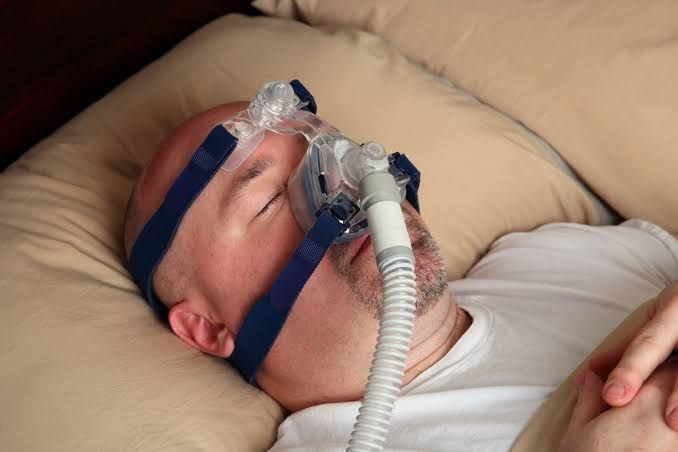
Completing your clinical sleep test is a major milestone in taking charge of your physiological health. Please remember to follow the exact Alice NightOne patient instructions provided by your sleep physician to return the device to the clinic for comprehensive doctor evaluation. Your specialist will interpret the recorded data, calculating your Apnea-Hypopnea Index (AHI) to determine if clinical treatment is necessary.
However, while clinical sleep testing at home identifies structural breathing issues, it represents only a single-night snapshot. True, sustainable sleep wellness requires daily optimization of your sleep architecture, monitoring how daytime activities impact your nightly recovery over weeks and months.
Bridging the Gap to Screen-Free Biometrics
After completing your Alice NightOne assessment, the next logical step is long-term optimization. Traditional smartwatches can be heavy, intrusive, and distracting with glowing screens that disrupt melatonin production. Modern technology has evolved to provide elegant, ring-sized trackers that record clinical-grade biometrics comfortably, without screens, wires, or annoying monthly subscription fees.
Demystifying Key Sleep Metrics
To truly reclaim your mental and physical energy, you must understand the components of sleep architecture. Modern daily trackers translate complex biometric signals into simple, actionable trends:
- Deep Sleep: The physical restoration phase. During deep sleep, your body repairs muscle tissue, strengthens your immune system, and consolidates declarative memory.
- REM (Rapid Eye Movement) Sleep: The emotional and cognitive processing phase. This is when dreaming occurs, supporting mental resilience, creativity, and clearing the mind of brain fog.
- Heart Rate Variability (HRV): The ultimate indicator of your autonomic nervous system’s health. A high HRV indicates a well-rested, highly adaptive body ready to tackle stress, while a low HRV signals physical fatigue, overtraining, or psychological overload.
By monitoring these factors daily, you can pin down exactly why you feel exhausted or energetic on any given day. If you notice a drop in deep sleep after a late-night meal or a spike in your recovery score after an afternoon walk, you gain clear, objective feedback to adjust your routine.
The Screen-Free Advantage
Many individuals are dissatisfied with traditional fitness trackers because they require daily charging and light up whenever you move in bed. The ideal companion for sleep optimization is a device designed to sit quietly on your finger, allowing you to unplug from digital screens. A premium titanium smart ring tracks your sleep stages, HRV, and heart rate with medical-grade precision—offering the deep biological insights of a clinical study in a design that is comfortable enough to forget you are wearing it.
Disclaimer: Results may vary depending on individual physical activity levels, unique health conditions, and daily tracking patterns. The Alice NightOne is a medical diagnostic device that must be prescribed and interpreted by a licensed physician. The everyday consumer wearables discussed on this site are intended for general lifestyle and wellness tracking and are not designed to diagnose, treat, or cure any medical condition.
