

Layla vs Leesa Mattress Comparison: The Ultimate Guide to Reclaiming Restful Sleep
Are you waking up at 3 AM with a racing mind and non-restorative sleep? Choosing between a flippable copper-infused bed and a classic contouring foam mattress can feel paralyzing. Let us guide you through the Herz P1 Smart Ring-approved comparison of Layla and Leesa to optimize your recovery.
Take Back Your Sleep.
Take Back Your Life.
- Fall asleep faster & sleep deeper
- Stop waking up in the middle of the night
- Wake up refreshed & full of energy
- Dual-Sided vs. Uniform Structure: How Layla’s flippable, copper-infused design compares directly to Leesa’s engineered contouring layers.
- Microclimate Control: Understanding the impact of foam compositions on body cooling, Deep Sleep, and Heart Rate Variability (HRV).
- Screen-Free Sleep Tracking: Why assessing mattress comfort requires objective biometric insights rather than morning guesswork.
- Daily Recovery Scores: How to monitor changes in your autonomic nervous system to find your perfect mattress configuration.
Layla vs Leesa: Construction, Comfort, and Real-World Sleep Performance
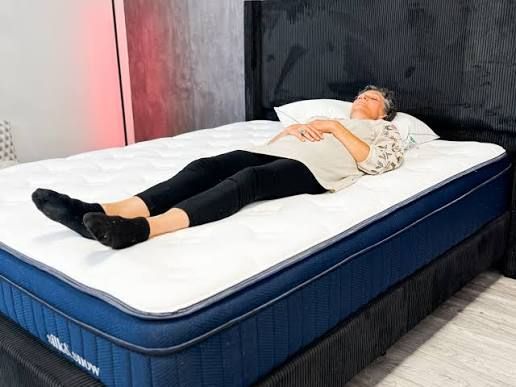
When you are searching for the perfect bed to resolve chronic sleep disruption, exploring a comprehensive layla vs leesa mattress comparison is an essential first step. Many of us spend our nights tossing and turning, battling a racing mind and waking up with a heavy sense of brain fog. We blame our stress, our evening habits, or our caffeine intake. However, the physical interface between your body and your bed plays a far more critical role in your nocturnal micro-arousals than you might realize.
To help you understand how these two popular brands match up, our team at Mind Body Dan has put together an exhaustive, objective analysis. Below is a quick-reference summary comparing the core features of the flagship Layla Memory Foam and the Leesa Original mattresses.
| Feature / Criteria | Layla Memory Foam | Leesa Original |
|---|---|---|
| Design Philosophy | Flippable (Soft & Firm in one) | Single-sided multi-layer foam |
| Firmness Rating (1-10) | Soft Side: 4.5/10 | Firm Side: 7/10 | Medium-Firm: 6.5/10 |
| Cooling Technology | Copper-gel infusion in foam layers | Breathable LSA202 responsive polyfoam |
| Motion Isolation | Excellent (high-density memory foam) | Great (balanced polyfoam & memory foam) |
| Best For | Indecisive sleepers & side sleepers | Back, stomach, & combination sleepers |
Product Overview
The layla vs leesa debate frequently centers around personal comfort preferences. The Layla Mattress is unique because of its dual-sided construction. It offers two distinct sleeping surfaces within a single zippered cover: one side provides a plush, deeply contouring experience (rated around 4.5 out of 10 on the firmness scale), while flipping the bed reveals a supportive, medium-firm sleeping surface (rated at a 7 out of 10). This versatility makes it highly appealing if your body’s support needs change or if you are unsure which firmness profile will soothe your aching joints.
Conversely, the Leesa Original mattress is a classic single-sided, 10-inch foam mattress built from three specialized layers. Rather than offering two configurations, Leesa focuses on perfecting a single “universal adaptiveness” profile. It aims for a sweet-spot medium-firm feel (around 6.5 out of 10) designed to accommodate the widest possible range of sleeping styles, body sizes, and sleeping positions.
Key Highlights of Both Mattresses
When analyzing a layla vs leesa review, several notable features stand out:
- Layla’s Copper Infusion: The memory foam layers on both sides of the Layla mattress are infused with copper gel. Under pressure, copper particles pack together to provide variable support, while naturally conducting heat away from the body.
- Leesa’s Responsive Top Layer: Leesa uses a proprietary polyfoam called LSA202. This layer is highly breathable and responsive, offering the pressure relief of memory foam without that “stuck in the mud” feeling.
- Motion Deadening: Both mattresses do an exceptional job of absorbing movement, making them outstanding choices for couples who find themselves awakened by their partner’s movements during the night.
Real-World Experience
Imagine climbing into bed after a demanding day. If you choose the soft side of the Layla, you will feel your shoulders and hips sink deeply into the viscoelastic foam. Your spine is cradled, which is highly beneficial for side sleepers who often suffer from hip and shoulder pressure points. However, if you are a stomach sleeper, this deep sinkage can cause your lower back to arch uncomfortably, triggering 3 AM awakenings due to physical discomfort.
Flipping to the firm side of the Layla changes the experience entirely. You rest on top of the mattress rather than sinking in, which keeps your pelvis aligned if you sleep on your back or stomach.
Sleeping on the Leesa provides a more balanced, “floating” sensation. The top layer of responsive foam allows you to change positions effortlessly. If you are a combination sleeper who moves throughout the night, the Leesa prevents you from feeling trapped, allowing for seamless transitions without waking you up.
Layla Pros: Exceptional pressure relief on the soft side; highly versatile flippable design; copper-gel infusion helps with cooling; excellent motion isolation.
Layla Cons: Soft side may lack edge support; flipping a heavy mattress can be physically challenging; classic slow-moving foam response isn’t for everyone.
Leesa Pros: Balanced, bouncy contouring; highly breathable top foam prevents excessive heat buildup; universally comfortable for combination sleepers; strong edge support for an all-foam bed.
Leesa Cons: Only offers one firmness option; does not provide the deep “hug” of traditional memory foam; heavier individuals may sink through the comfort layers.
Choosing Between the Two
In any leesa vs layla mattress showdown, the choice depends on your physical build and sleeping style. Side sleepers and those who experience severe pressure-point pain usually prefer the soft side of the Layla. Combination sleepers, back sleepers, and those who run hot tend to find the balanced, breathable feel of the Leesa more supportive.
However, simply guessing which bed is best for you often leads to frustration. This is why we advocate for measuring your sleep quality with scientific tracking. Instead of relying on subjective feelings, using a sleek, screen-free wearable like the Herz P1 Smart Ring helps you track your sleep stages (REM, Deep, Light) and your Heart Rate Variability (HRV) as you adjust to your new mattress. Because it does not have a screen, it will not disrupt your bedroom’s sleep hygiene with blue-light notifications, allowing your mind to rest while it gathers precise, subscription-free data.
The Mind Body Dan Sleep Philosophy
A mattress is only half of the sleep equation. Real recovery happens when you align your physical sleep environment with data-driven recovery habits. By monitoring your biometrics without the distraction of a bulky, screen-heavy smartwatch, you can easily discover if your new bed is actually delivering the deep sleep your nervous system needs.
Target Audience
The Layla is best for individuals who want firmness options and love a body-hugging, contouring memory foam feel. The Leesa is ideal for people who prefer a balanced, responsive foam feel, sleep hot, and change positions frequently during the night.
The Verdict
If you want versatility and deep pressure relief, the flippable Layla is an exceptional choice. If you want a consistent, balanced, and cool sleep surface that works for almost any position, the Leesa is a reliable winner. Whichever you choose, validating your body’s physical response with a high-quality biometric tracker ensures you are moving toward genuine, long-term recovery.
Deep Dive: Memory Foam Dynamics, Heat Retention, and Pressure Relief
To fully understand a layla vs leesa analysis, we need to look closely at the materials inside these beds and how they interact with your body’s physiology. The way a mattress manages heat, distributes weight, and cushions pressure points directly impacts your sleep cycles, heart rate, and overnight recovery.
Let’s start with the physical science of foam. Traditional memory foam is viscoelastic, meaning it contours to your body in response to heat and pressure. While this creates a comfortable, body-hugging sensation, it has a major drawback: heat retention. Traditional memory foam acts like a thermal insulator, trapping your body heat and raising your sleeping temperature.
When we look at the leesa vs layla comfort levels, we can see how both brands address this issue differently:
To keep you cool, the Layla mattress uses copper gel infused directly into its memory foam. Copper is a highly conductive element. When your body heat warms the foam, the copper particles help disperse that energy away from you. Additionally, copper has natural antimicrobial properties, keeping the mattress fresh over time.
Leesa takes a different path to temperature regulation. Rather than relying on metallic infusions, they focus on airflow. The top layer of the Leesa Original is made from LSA202 polyfoam, which has an open-cell structure. This design allows air to flow freely through the foam, carrying body heat away with every movement. By using this responsive foam on top and placing memory foam in the middle, Leesa gives you pressure relief without trapping you in a warm pocket of air.
This temperature control is vital for your cardiorespiratory health. When your body overheats, your heart has to work harder to cool you down, which raises your sleeping heart rate and lowers your Heart Rate Variability (HRV). High HRV is a sign of a well-recovered, balanced nervous system, while low HRV points to physical stress or poor sleep. By choosing a bed that keeps you cool, you help support autonomic recovery and wake up feeling truly refreshed.
Next, let’s look at pressure relief. If you sleep on your side, your shoulders and hips carry most of your weight. On a mattress that is too firm, these areas can lose circulation, causing pain that leads to tossing, turning, and waking up at 3 AM. When comparing layla vs leesa, the soft side of the Layla excels at cradling these heavy joints, distributing your weight evenly to prevent painful pressure points.
However, if you sleep on your back or stomach, you need a different kind of support. If your hips sink too deep, your spine loses its natural alignment, which can lead to lower back pain. In this case, the firm side of the Layla or the balanced support of the Leesa is a much better choice. Both options keep your pelvis properly aligned, letting your back muscles fully relax and recover overnight.
Validating Your Sleep: Beyond the Mattress to Data-Driven Recovery
Selecting your favorite in the layla vs leesa choice is a great first step, but how do you know if your new bed is actually improving your sleep? Many people buy a new mattress, use it for a few weeks, and still wake up feeling tired, unable to tell if the bed is helping or if other lifestyle factors are at play. True recovery requires objective, clear insights.
Normally, tracking your sleep meant wearing a bulky, distracting smartwatch that required daily charging and interrupted your wind-down routine with screens and notifications. These screen-heavy devices can actually worsen sleep anxiety. Blue light from screens suppresses melatonin production, making it harder to fall asleep and disrupting your body’s natural circadian rhythm.
This is where a screen-free, lightweight wearable like the Herz P1 Smart Ring makes a world of difference. Made from durable titanium, this sleek ring slips onto your finger and tracks your biometrics quietly in the background—no screen, no distractions, and no annoying buzzes. It translates complex data into simple, actionable insights, helping you see exactly how your mattress choice affects your recovery.
With its medical-grade sensors, the Herz P1 Smart Ring tracks several key recovery metrics:
- Sleep Stage Analysis: It monitors your time spent in REM, Deep, and Light sleep. Deep sleep is when your muscles repair and rebuild, while REM sleep supports memory and emotional health. If your mattress is keeping you comfortable, you should see an increase in these restorative stages.
- Heart Rate Variability (HRV): The ring tracks the variations in time between consecutive heartbeats. A higher HRV indicates that your parasympathetic nervous system (your “rest and digest” mode) is active and recovering well.
- Daily Recovery Score: It combines your sleep quality, HRV, and daily activity into one clear, easy-to-read score. This number tells you exactly how ready your body is for the day ahead.
Best of all, the Herz P1 Smart Ring is entirely subscription-free. Unlike other fitness trackers that require a monthly fee to view your own data, the Herz P1 gives you full access to your health metrics forever with a single purchase. It lets you monitor your sleep trends without any hidden costs.
If you are trying to decide between the soft and firm sides of the Layla, or comparing the Layla to the Leesa, this data-driven approach removes the guesswork. You can sleep on one side for a week, check your sleep stages and HRV on the app, and see which setup actually gives you the deepest, most restorative rest. By combining a comfortable mattress with screen-free tracking, you can finally build a sleep environment that supports your health, eases your mind, and helps you wake up refreshed every morning.
Disclaimer: Results may vary depending on individual physical activity levels, unique health conditions, and daily tracking patterns. The Herz P1 Smart Ring is designed solely for tracking, monitoring, and providing data-informed trends to support daily wellness and recovery. It is not a medical device and is not intended to diagnose, treat, cure, or prevent any medical condition. Always consult with a healthcare professional regarding any medical concerns or changes to your sleep and health routines.
