

What Is MSLT and Multiple Sleep Latency Testing? Your Complete Guide to Measuring Daytime Sleepiness
Do you wake up after eight hours of sleep feeling completely drained, fighting severe brain fog all day? If persistent daytime exhaustion rules your life, doctors often recommend a diagnostic tool called a multiple sleep latency test to identify underlying disorders. While we explore clinical testing, tracking daily biometrics with the screen-free Herz P1 Smart Ring provides a comfortable way to monitor your recovery.
Take Back Your Sleep.
Take Back Your Life.
- Fall asleep faster & sleep deeper
- Stop waking up in the middle of the night
- Wake up refreshed & full of energy
What You Will Learn In This Guide
- The Clinical Protocol: Exactly how a daytime sleep study measures pathological sleepiness.
- Decoding the Results: What your mean sleep latency and REM onset cycles say about your health.
- Preparing for Success: How to set yourself up for an accurate test without lifestyle interference.
- Clinical vs. Daily Tracking: Finding the perfect balance between gold-standard medical testing and comfortable, screen-free home monitoring.
Understanding the Multiple Sleep Latency Test (MSLT): The Gold Standard for Excessive Daytime Sleepiness
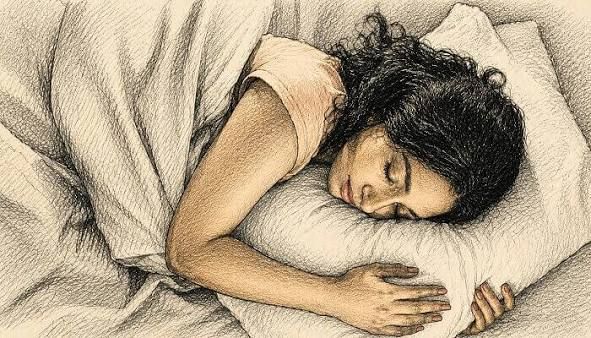
The Quick Answer: Yes, if you experience chronic daytime drowsiness despite seemingly sleeping through the night, an understanding mslt protocol is vital. The short answer is that a daytime nap study measures exactly how fast you fall asleep in a quiet environment. However, to choose the right path forward, you must understand how these clinical measurements translate to your overall daily circadian rhythms and recovery.
We have all experienced those days where the alarm sounds and a heavy, suffocating weight pins us to the mattress. You drag yourself out of bed, your mind racing with a million tasks, yet your brain feels wrapped in a thick fog. By 2 PM, you are desperately seeking caffeine, fighting a losing battle against heavy eyelids. When this becomes an everyday reality rather than an occasional bad night, it is no longer just a “bad habit.” It is a physiological signal that needs objective investigation.
For those struggling with chronic exhaustion, discovering what is mslt is often the first step toward getting real answers. Also known as a daytime nap study, the multiple sleep latency test is a highly structured clinical evaluation. It measures two primary factors: how quickly you fall asleep under quiet conditions (sleep latency) and whether you enter the Rapid Eye Movement (REM) stage during brief daytime naps.
— Team Mind Body Dan
The Core Purpose of the MSLT
The primary medical utility of the mslt is to identify severe sleep disorders, particularly narcolepsy and idiopathic hypersomnia. While an overnight polysomnogram (PSG) is designed to detect physical disruptions like sleep apnea or restless leg syndrome, the daytime clinical mslt isolates daytime sleepiness in a controlled, stimulus-free environment. It objectively answers the question: “When given the perfect opportunity to sleep during the day, how desperately does your brain take it?”
When to Seek a Clinical Test vs. Monitoring at Home
It is important to recognize when you need a formal medical evaluation versus when you simply need better tools to monitor your sleep hygiene and recovery trends at home:
- When to get an MSLT: If you experience sudden muscle weakness when laughing or feeling strong emotions (cataplexy), fall asleep mid-conversation or while driving, or have sleep paralysis alongside severe daytime sleepiness, you should consult a sleep physician for a formal multiple sleep latency test.
- When to track biometrics at home: If your exhaustion stems from a racing mind, late-night screen exposure, inconsistent sleep schedules, or stress, your first step should be tracking long-term trends. Monitoring sleep stages (REM, Deep, Light) and Heart Rate Variability (HRV) with an unobtrusive, screen-free wearable like the Herz P1 Smart Ring helps you understand if simple lifestyle changes can restore your energy.
Why Screen-Free Tracking Changes Everything
Many individuals trying to recover from chronic fatigue rely on bulky smartwatches that buzz with notifications and emit blue light. This often triggers 3 AM awakenings and heightens anxiety. Transitioning to a screen-free, subscription-free tracking method like the Herz P1 Smart Ring allows you to gather medical-grade biometric trends quietly in the background, keeping your bedroom a sanctuary for rest.
Quick MSLT Frequently Asked Questions
Q: How long does an MSLT take?
An mslt consists of five scheduled nap opportunities, spaced two hours apart, starting about 1.5 to 3 hours after you wake up from your overnight sleep study. The entire process takes most of the day, concluding in the late afternoon.
Q: Do I have to sleep during every nap?
No, you do not have to fall asleep. If you do not fall asleep within 20 minutes, that specific nap trial ends, and your latency score for that nap is recorded as 20 minutes.
Q: Why must I complete an overnight PSG before the daytime naps?
The overnight test confirms you achieved at least 6 hours of sleep and rules out other causes of sleepiness, such as sleep apnea or severe periodic limb movements, which would invalidate the mslt findings.
The Science of Sleep Latency: How Your Brain Transitions to Rest

To fully understand the clinical importance of the the purpose of mslt protocol, we need to dive into the neurology of falling asleep. Sleep onset is not like flipping a light switch; it is a gradual transition regulated by two competing forces: your homeostatic sleep drive (the buildup of adenosine in the brain) and your circadian rhythm (the biological clock regulated by melatonin and cortisol).
During a standard daytime sleep test, clinical technicians monitor these neural transitions using sensors attached to the scalp, face, and chest. These electrodes measure your brain waves (EEG), muscle tone (EMG), and eye movements (EOG) to pinpoint the exact second your brain enters light sleep, and more importantly, how quickly it dives into the dreaming phase (REM).
Mean Sleep Latency: The Numbers That Matter
The primary metric gathered during the mslt is your Mean Sleep Latency (MSL). This is the average time it takes you to fall asleep across all five nap opportunities. Doctors interpret these latency scores to evaluate the severity of your daytime sleepiness:
| Average Sleep Latency | Clinical Assessment | Typical Meaning |
|---|---|---|
| Over 15 Minutes | Normal | Healthy daytime alertness; typical biological drive. |
| 10 to 15 Minutes | Borderline / Mild | Mild fatigue; can be caused by lifestyle stress or temporary sleep debt. |
| 8 to 10 Minutes | Moderate Sleepiness | Substantial fatigue; requires lifestyle modifications or further monitoring. |
| Under 8 Minutes | Pathological / Severe | Strong clinical indicator of chronic sleep disorders like narcolepsy or severe sleep deprivation. |
Sleep Onset REM Periods (SOREMPs)
Normally, a healthy sleeper takes 90 to 120 minutes of sleep to cycle through light and deep stages before entering the REM (dreaming) phase. However, in individuals with narcolepsy, the brain is missing the chemical stabilizers (such as hypocretin/orexin) that keep sleep boundaries intact. As a result, they plunge directly into dreaming sleep almost immediately.
When you enter REM sleep within 15 minutes of falling asleep during a daytime nap, it is recorded as a Sleep Onset REM Period (SOREMP). During a standard how the multiple sleep latency test is analyzed, if your mean sleep latency is under 8 minutes, and you record two or more SOREMPs, this strongly suggests a diagnosis of narcolepsy. If you fall asleep in under 8 minutes but have fewer than two SOREMPs, the diagnosis leans toward idiopathic hypersomnia.
Preparing for the Multiple Sleep Latency Test
Because your nervous system is incredibly sensitive to external stimulants, proper preparation is essential to avoid inaccurate results. If you are preparing for an mslt, keep these critical guidelines in mind:
- Keep a Sleep Diary: You will typically be required to keep a detailed sleep log for two weeks leading up to the test to prove you maintain a consistent routine.
- Taper Off Stimulants: Caffeine, nicotine, energy drinks, and certain prescription stimulants must be strictly avoided for at least 15 days before the test, as they artificially inflate sleep latency.
- Manage Medications: Many antidepressants suppress REM sleep. Under your doctor’s close supervision, you may need to taper off these medications several weeks in advance to ensure REM cycles are measured accurately during the naps.
Bridging Clinical Diagnostics with Daily Screen-Free Tracking
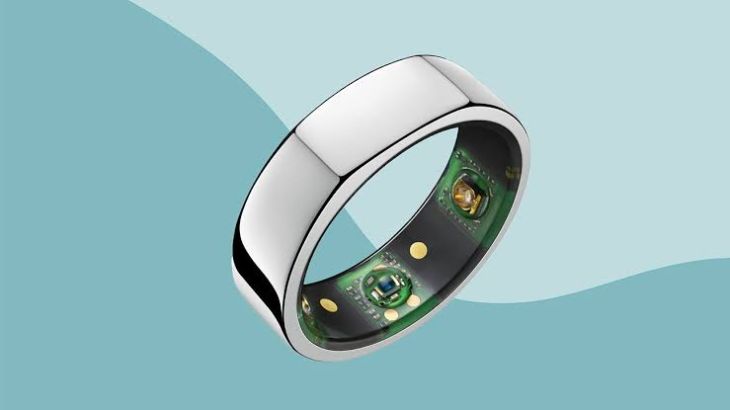
While undergoing an official interpreting your mslt protocol provides an invaluable clinical snapshot, it is not a realistic tool for everyday habit optimization. You cannot sleep in a sterile clinic hooked up to dozens of wires every week to see if your new meditation routine or supplement schedule is helping you sleep better. To bridge the gap, you need a comfortable, reliable way to track your sleep trends over weeks, months, and years.
This is where consumer wearable technology plays a vital role. By continuously logging cardiovascular metrics, movement, and body temperature throughout the night, modern smart wearables provide an objective “at-home mirror” for your nervous system’s recovery.
The Screen-Free, Subscription-Free Sleep Companion
If you want to track your sleep stages (REM, Deep, Light) and Heart Rate Variability (HRV) without bulky, glowing screens that interrupt your night, the Herz P1 Smart Ring is the ultimate solution. Zero monthly fees. Lightweight titanium design. Unmatched comfort.
Why the Herz P1 Smart Ring is a Game-Changer for Tired Minds
If you are battling daytime fatigue, the last thing you need is another complicated, hard-to-read dashboard, or a monthly subscription to access your own biometric data. Our team highly recommends the Herz P1 Smart Ring because it addresses these frustrations directly:
- Screen-Free Sanctuary: No glowing displays, buzzing notifications, or blue light exposure near bedtime. It lets you disconnect fully, helping quiet a racing mind and preventing the dreaded 3 AM awakenings.
- Subscription-Free Ownership: Unlike other smart rings on the market that lock your metrics behind a paywall, the Herz P1 operates on a strict subscription-free model. You buy the ring once, and you own your health data forever.
- Ultra-Lightweight Titanium Comfort: Weighing only a few grams, this durable titanium ring is incredibly comfortable to sleep in—unlike bulky, heavy smartwatches that press into your wrist and disrupt your natural sleeping positions.
- Intuitive Recovery Score: The ring’s advanced biometric algorithms take complex data—such as deep sleep duration, REM cycles, resting heart rate, and Heart Rate Variability (HRV)—and simplify them into an easy-to-understand daily Recovery Score. You know exactly how charged your battery is the moment you wake up.
How to Support Your Restful Recovery Starting Tonight
Whether you plan to consult a sleep physician for an mslt or are simply looking to optimize your sleep hygiene at home, integrating these simple daily habits will support your nervous system’s recovery:
- Establish a Consistent Sleep Anchor: Go to bed and wake up at the exact same time every day, even on weekends. This stabilizes your circadian rhythm and helps naturally lower daytime sleepiness.
- Prioritize Early Morning Sunlight: Get 10 to 15 minutes of direct sunlight exposure within an hour of waking. This suppresses melatonin production and cues your body that it is time to be alert.
- Create a Screen-Free Wind-Down: Keep phones, tablets, and TVs out of your bedroom. Switch to screen-free tracking methods like a smart ring to gather biometrics without inviting digital stress into your bed.
- Track Your Heart Rate Variability (HRV): HRV measures the time variation between consecutive heartbeats and is a direct indicator of autonomic nervous system balance. A rising HRV trend over several weeks shows your body is successfully adapting to stress and enjoying restorative sleep.
Do not let daytime exhaustion keep you from living your life fully. By combining clinical knowledge of sleep disorders with proactive, screen-free biometric tracking, you can pinpoint the obstacles holding your energy hostage, restore your sleep stages, and wake up feeling refreshed and ready to conquer your day.
Disclaimer: Results may vary depending on individual physical activity levels, unique health conditions, and daily tracking patterns. This article is for informational and educational purposes only and is not intended to substitute for professional medical advice, diagnosis, or treatment. Always consult with a qualified sleep specialist or healthcare professional regarding any medical concerns or diagnostic testing decisions.
