

Does Lack of Sleep Cause Cancer? Exploring the Real Scientific Links and Medical Risks
Can poor sleep truly impact long-term cellular health? Modern science reveals a strong connection between circadian disruption and systemic risk. By tracking key biometrics like Sleep Stages and HRV with the screen-free Herz P1 Smart Ring, you can gain objective insights into your body’s nightly recovery without subscription fatigue.
Take Back Your Sleep.
Take Back Your Life.
- Fall asleep faster & sleep deeper
- Stop waking up in the middle of the night
- Wake up refreshed & full of energy
Table of Contents
Few health topics carry as much weight, confusion, and subtle anxiety as the relationship between cancer and sleep. In our fast-paced, always-on world, we frequently sacrifice our resting hours to meet professional demands or squeeze in extra personal time. We live with chronic sleep deficits, pushing through the brain fog with caffeine, and ignoring the subtle signs of physical depletion our bodies display daily.
Yet beneath the surface of our busy schedules lies a complex biological web. When we compromise our nightly rest, we do more than just invite a morning of grogginess. We alter our cellular environment, disrupt gene expression, and challenge our immune systems. In this comprehensive scientific review, Team Mind Body Dan explores the medical realities of long-term sleep loss, separating evidence-based facts from exaggerated headlines, and offering actionable pathways to reclaim your health.
The Science of Circadian Disruption: Does Lack of Sleep Causes Cancer?

Quick Answer
Yes, in a systemic and environmental sense. The short answer is that sleep deprivation itself does not directly mutate DNA to create abnormal cells, but chronic circadian disruption significantly weakens the immunological and metabolic systems responsible for identifying and destroying these cells before they proliferate. To choose the right tools and strategies for your wellness journey, you must understand how biological rhythms function as a shield against cellular mutations.
Detailed Explanation
To understand the relationship between cancer and sleep, we must look closely at our internal 24-hour clock: the circadian rhythm. This biological clock, managed by the suprachiasmatic nucleus (SCN) in the brain, coordinates metabolic activity, hormone production, and cellular replication across every organ system in the human body.
When we ask ourselves, does lack of sleep causes cancer, we are really asking how chronic disruption of this biological rhythm affects genetic stability. Research indicates that circadian clock genes—such as CLOCK, BMAL1, PER, and CRY—directly control the cell division cycle and coordinate natural DNA repair processes. When your sleep is fragmented, or when you experience prolonged wakefulness at night, these clock genes lose their synchronized rhythm. This disruption can cause cells to divide in an unregulated, abnormal manner, which is a fundamental precursor to cellular mutation.
The World Health Organization’s International Agency for Research on Cancer (IARC) recognized this profound link when they classified shift work that involves night shifts as “probably carcinogenic to humans” (Group 2A). This classification was not based on guesswork, but on epidemiological studies showing that individuals working irregular night shifts—such as nurses, flight crews, and industrial workers—display higher rates of metabolic imbalances, chronic inflammation, and cellular abnormalities. The direct disruption of the body’s natural clock compromises our natural defenses, demonstrating how closely tied the fields of oncology and circadian science truly are.
Furthermore, sleep deprivation changes the behavior of macrophages and helper T-cells. Under normal conditions, these immune defenders perform continuous “immunosurveillance,” identifying mutated cells and eliminating them. Under conditions of sleep debt, this surveillance system falters. It is not that a single late night causes cells to mutate, but rather that chronic sleep restriction creates a permissive bodily environment where abnormal cells can establish themselves, slip past weakened defenses, and grow unchecked.
When to Focus on Active Biomonitoring
- Irregular Schedules: Shift workers, frequent travelers, and on-call professionals whose circadian rhythms are constantly shifting.
- Persistent Insomnia: Individuals experiencing regular 3 AM awakenings, racing minds, and non-restorative sleep patterns.
- High Physical Strain: Athletes or individuals with high-stress demands who need to track their systemic recovery and Heart Rate Variability (HRV).
- Seniors: Older adults whose natural deep sleep phases naturally decrease and require targeted lifestyle adjustments.
Suggested Solutions
Addressing these physiological risks requires a return to consistency, starting with accurate, stress-free tracking of your sleep hygiene. To monitor these critical trends, we recommend the Herz P1 Smart Ring. Unlike typical smartwatches that are bulky, require daily charging, and distract you with screen alerts right before bed, the Herz P1 is screen-free, exceptionally lightweight, and built with titanium for maximum overnight comfort.
It works silently to gather medical-grade biometric data, tracking your light, deep, and REM sleep phases while monitoring your heart rate variability (HRV). The ring translates complex algorithmic information into a simple, actionable daily Recovery Score, helping you understand how your lifestyle choices directly affect your physiological status. Best of all, it features a subscription-free model—allowing you to buy once and own your physiological data forever without hidden monthly costs.
Short FAQ
Q1: Does a single week of bad sleep put me at risk?
No. The human body is remarkably resilient. Occasional restless nights do not spark long-term cellular issues. The real concern lies in chronic, multi-year sleep restriction that permanently alters immune and hormonal function.
Q2: Why is deep sleep specifically mentioned in studies of cancer and sleep?
Deep sleep (Slow-Wave Sleep) is the phase when your body undergoes physical repair, tissue growth, and immune modulation. Compromising deep sleep directly reduces the time your body has to rebuild cellular structures and repair DNA.
Q3: How does stress link these two conditions?
Chronic stress keeps your nervous system in a sympathetic (fight-or-flight) state, raising cortisol levels. Elevated cortisol impairs both sleep quality and immune system activity, creating a double-impact on your cellular health.
The Biological Mechanics: How Melatonin, HRV, and Immune Response Intersect

To truly understand the physical pathways behind cancer and sleep, we must look closely at our biological chemistry. There are three key elements that connect your nightly rest to your body’s cellular defense: melatonin production, autonomic nervous system balance (measured by Heart Rate Variability), and immune surveillance activity.
The Melatonin Shield
Produced by the pineal gland, melatonin is widely recognized as the hormone that signals night to the body. However, modern scientific research shows that melatonin does far more than just encourage drowsiness. It is also a highly potent endogenous antioxidant that works at the cellular level to neutralize harmful free radicals, reduce oxidative stress, and actively limit DNA damage.
When your sleep is interrupted—often by exposure to blue light from smartphones, televisions, or bright overhead lights—melatonin production is suppressed. Without this nightly hormone release, cells lose a primary defense mechanism against oxidative stress. Over time, this lack of protection can lead to genetic instability. This suppression explains why maintaining a healthy circadian rhythm is so important; it acts as a natural, chemical shield that protects your cells from daily environmental wear and tear.
Heart Rate Variability (HRV) and Chronic Inflammation
Another key metric in cellular defense is Heart Rate Variability (HRV). This represents the variation in time between consecutive heartbeats and serves as a direct indicator of your autonomic nervous system’s state. A higher HRV suggests a resilient, balanced autonomic nervous system that can easily transition between active and resting states. Conversely, a consistently low HRV indicates chronic sympathetic (fight-or-flight) dominance.
How does this connect back to the question, does lack of sleep causes cancer? When your body remains trapped in a fight-or-flight state due to poor sleep, it produces a steady stream of stress hormones like cortisol and adrenaline. This hormonal environment triggers chronic low-grade inflammation, marked by elevated levels of inflammatory cytokines such as Interleukin-6 (IL-6) and Tumor Necrosis Factor-alpha (TNF-alpha).
In the medical community, chronic systemic inflammation is widely recognized as a major driver of oncogenesis. It damages healthy tissues, encourages cellular mutations, and can even promote the formation of blood vessels that feed abnormal growths. By tracking your heart rate variability alongside your sleep, you can get a clear picture of whether your body is recovering overnight or staying trapped in a pro-inflammatory state.
Natural Killer Cells: Your Cellular Defense Force
Perhaps the most direct link between cancer and sleep involves natural killer (NK) cells. These specialized white blood cells serve as your body’s primary defense against tumors and virally infected cells. They patrol your bloodstream, identify cells that display abnormal proteins, and trigger their elimination before they can multiply.
Remarkable clinical trials have shown that even a single night of sleep restricted to four hours can slash NK cell activity by up to 70%. When you do not spend enough time in deep, restorative sleep, your immune defense is temporarily weakened. If this sleep restriction becomes a chronic habit, your biological defense system remains compromised, leaving your body far less equipped to manage daily cellular mutations. Keeping an eye on your physiological recovery trends using a reliable recovery score guide can help you make sure your immune system has the resources it needs to protect you every day.
Practical Strategies to Protect Your Sleep and Reclaim Your Vitality
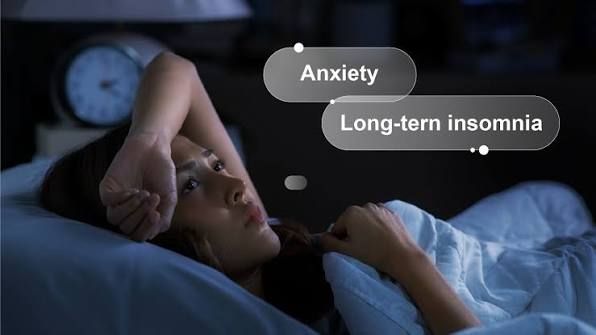
If you have ever found yourself lying awake at 3 AM with a racing mind, staring at the ceiling and feeling increasingly stressed about the next day, you know how frustrating sleep struggles can be. You might experience non-restorative sleep, waking up feeling just as tired as when your head hit the pillow. This fatigue often leads to a cycle of bad habits: drinking excessive caffeine during the day, which then makes it even harder to sleep at night.
But understanding the science behind sleep is only useful if it leads to real, practical change. You do not need to overhaul your entire life overnight. Instead, making a few simple, highly targeted adjustments to your routine can help you get back to deep, restorative rest and support your cellular defenses.
Step 1: Adopt Screen-Free Sleeping Habits
The blue light emitted by our phones, tablets, and smartwatches mimics midday sunlight, telling our brains to stop producing melatonin. To counter this, establish a clear rule: turn off your screens at least 60 minutes before bed. Focus on relaxing, screen-free activities like reading a physical book, journaling, or listening to calming music to help quiet a racing mind.
If you want to track your sleep patterns, avoid using smartwatches that light up, buzz, or keep you connected to your notifications. Choosing a screen-free option like a smart ring allows you to collect valuable health insights without the constant stimulation of a digital screen. Focusing on basic sleep hygiene is one of the most effective ways to restore your body’s natural melatonin production.
Step 2: Track Your Physiological Recovery
Without objective data, it is difficult to know if your sleep habits are actually improving your recovery. By tracking your daily recovery trends, you can see how your lifestyle changes affect your body. This tracking helps you identify which habits promote restorative rest and which ones leave your system stressed.
Using a high-quality wearable can help you monitor your deep sleep recovery phases over time. Rather than worrying about single night fluctuations, focus on your long-term trends. Consistently improving your deep sleep supports your body’s natural tissue repair and immune function, providing a strong defense against daily environmental stressors.
Reclaiming Your Rest Starts with Clarity
Don’t let complex metrics or bulky screens disrupt your path to recovery. True wellness is built on simple, actionable daily insights that fit seamlessly into your lifestyle.
Step 3: Align Your Environment
Your bedroom should be a sanctuary dedicated entirely to rest. Keep the room cool (ideally between 65°F and 68°F or 18°C and 20°C), as a drop in core body temperature is a natural trigger for deep sleep. Use blackout curtains to eliminate ambient light and a white noise machine to mask disruptive sounds. These environmental tweaks can help prevent those frustrating 3 AM awakenings and keep you in deep sleep phases longer.
If you struggle with stress or work-related anxiety, practicing mindfulness or progressive muscle relaxation before bed can help quiet your nervous system. Combining these relaxation techniques with consistent stress management helps keep your nervous system in a parasympathetic (rest-and-digest) state, supporting healthy cellular recovery overnight.
Step 4: Use Comfortable, Non-Intrusive Tools
Many health-conscious individuals abandon sleep trackers because they find them bulky, uncomfortable, or annoying to keep charged. If a device is uncomfortable or runs out of battery constantly, it quickly ends up forgotten in a drawer, leaving you without any clear picture of your health trends.
This is why a lightweight titanium smart ring is such a practical solution. It sits comfortably on your finger, has a long battery life, and provides high-precision data without the distraction of a screen. Choosing the right wearable can show you the real sleep tracker benefits, helping you optimize your rest without adding extra screen time to your day. Committing to a screen-free wellness routine is a highly effective way to support your body’s natural circadian rhythms and long-term vitality.
Frequently Asked Questions Regarding Sleep and Cellular Health
Can sleep trackers identify cancer?
No. Sleep trackers and wellness wearables are designed to monitor general biometric trends like heart rate variability, body temperature, and sleep stages. They are not medical diagnostic tools. Instead, they help you monitor your systemic recovery, manage lifestyle factors, and establish healthy habits that support your body’s natural defenses.
Is it possible to reverse the cellular damage caused by years of poor sleep?
Yes, your body is incredibly adaptable. When you consistently prioritize high-quality sleep, your immune function, melatonin levels, and cardiovascular health begin to recover. Reclaiming your rest allows your body to resume normal cellular maintenance and repair, helping lower long-term health risks.
How do sleep quality and quantity differ in terms of medical risks?
Both are critical. Sleep quantity refers to the total hours you sleep, while quality refers to how much time you spend in essential deep and REM sleep stages. You could spend eight hours in bed but still wake up exhausted if alcohol, stress, or late-night screen use disrupted your sleep architecture. Optimizing both duration and depth is key to supporting your cellular health.
A Final Thought from Team Mind Body Dan
Protecting your sleep is not about achieving perfection or worrying over every minute of restlessness. It’s about building consistent, supportive habits that allow your body to heal and recover naturally. By listening to your body’s signals and using screen-free, stress-free tools, you can easily take control of your sleep health and protect your long-term wellness.
Disclaimer: Results may vary depending on individual physical activity levels, unique health conditions, and daily tracking patterns. This content is for informational and educational purposes only and is not intended as medical advice, diagnosis, or treatment. Always consult a qualified healthcare professional before making any significant changes to your health, sleep, or wellness routines.
