

Can Sleep Apnea Be Cured? The Science-Backed Reality of Reversing Sleep Breathing Disorders
Many struggle with non-restorative sleep, waking at 3 AM with a racing mind and heavy brain fog. If you wonder if can sleep apnea be cured, scientific data shows lifestyle adjustments can significantly improve airway health. Our team monitors these recovery trends using advanced screen-free tracking solutions like the Herz P1 Smart Ring.
Take Back Your Sleep.
Take Back Your Life.
- Fall asleep faster & sleep deeper
- Stop waking up in the middle of the night
- Wake up refreshed & full of energy
Key Article Highlights:
- Anatomical vs. Lifestyle Factors: Discover how muscle tone, tissue volume, and posture dictate airway stability.
- The Reversibility Spectrum: Learn which structural and behavioral factors determine if you can achieve long-term resolution.
- Autonomic Recovery Trends: How tracking physiological metrics like Sleep Stages and HRV illuminates the direct impact of sleep quality.
- The Screen-Free Tracking Path: Why monitoring sleep trends without distracting screens helps reclaim consistent, restorative rest.
Understanding Sleep Breathing Disruption: Can Sleep Apnea Be Cured?

The Quick Answer
Yes and no. The short answer is that while structural craniofacial variations often require long-term management, certain forms of Obstructive Sleep Apnea (OSA) are highly reversible through targeted lifestyle adjustments, position training, and weight reduction. However, to choose the right approach for your body, you need to understand the physical mechanics of airway obstruction, monitor your nighttime physiological data, and consult with a qualified medical specialist.
Physiological Mechanics of Sleep Apnea
For many, the nightly routine is far from peaceful. You drift off with a racing mind, only to experience micro-arousals, 3 AM awakenings, and sudden gasps for air. This chronic disruption of your sleep architecture leaves you struggling with persistent brain fog, daytime fatigue, and a frustrating sense of exhaustion. When patients ask our team if can sleep apnea be cured, we must first look at the mechanical causes of airway collapse.
Obstructive Sleep Apnea occurs when the muscles in your throat, including the tongue and soft palate, relax during sleep. Gravity pulls these tissues backward, narrowing or fully blocking the airway. This mechanical restriction leads to brief drops in blood oxygen levels, prompting your brain to trigger a sudden, micro-wake-up to restore breathing. This cycle can repeat dozens of times per hour, severely disrupting both Deep and REM sleep stages.
In contrast, Central Sleep Apnea is a neurological communication gap where your brain temporarily fails to signal your breathing muscles. When exploring if can sleep apnea be cured, we focus primarily on the obstructive form, as physical and behavioral modifications can directly reduce the mechanical airway collapse that drives it.
— Sleep Physiology Research, Mind Body Dan Science Insights
Identifying Your Needs: Reversible vs. Structural Factors
To understand if can sleep apnea be cured in your specific situation, it helps to identify the primary drivers of your breathing issues:
Your condition may be highly reversible if:
- Your breathing issues developed following recent weight gain or changes in muscle tone.
- Your breathing lapses occur primarily when sleeping flat on your back (supine position).
- Your airway stability is affected by temporary lifestyle choices, such as alcohol consumption or sedative use near bedtime.
Your condition may require long-term management if:
- You have a naturally narrow airway, recessed jaw (retrognathia), or a large tongue.
- Enlarged tonsils, adenoids, or a severely deviated septum physically restrict nasal breathing.
- Your symptoms stem from Central Sleep Apnea, which involves neurological or cardiovascular factors.
Monitoring Your Recovery Trends
Many people searching for answers ask: is there a cure for sleep apnea that does not involve bulky, intrusive equipment? While medical therapies like CPAP are crucial for moderate-to-severe cases, lifestyle interventions can yield significant improvements. To track the effectiveness of these adjustments, monitoring daily physiological trends is key.
Typical smartwatches can be heavy, uncomfortable to wear during sleep, and require frequent charging, which can disrupt your sleep routine. That is why our team values screen-free, lightweight wearables designed for seamless overnight tracking. The Herz P1 Smart Ring offers a comfortable way to monitor your biometric trends. Constructed from lightweight, medical-grade titanium, it tracks your Sleep Stages (REM, Deep, Light) and Heart Rate Variability (HRV) with advanced sensors, translating these complex data points into a clear Daily Recovery Score without any ongoing subscription fees.
Frequently Asked Questions
Q: Can sleep apnea be cured permanently?
A: Yes, in cases where it is primarily caused by lifestyle factors such as excess weight or sleeping position, targeted modifications can resolve the symptoms permanently.
Q: Is sleep apnea reversible without medical devices?
A: Yes, mild-to-moderate obstructive sleep apnea is often reversible through structured weight loss, throat exercises (myofunctional therapy), and positional sleep training.
Q: How does weight loss help resolve airway obstruction?
A: Weight loss reduces soft tissue volume around the neck, decreasing the physical pressure on your airway and helping to prevent it from collapsing when your throat muscles relax during sleep.
Is Sleep Apnea Reversible? Key Lifestyle Protocols and Biometric Indicators
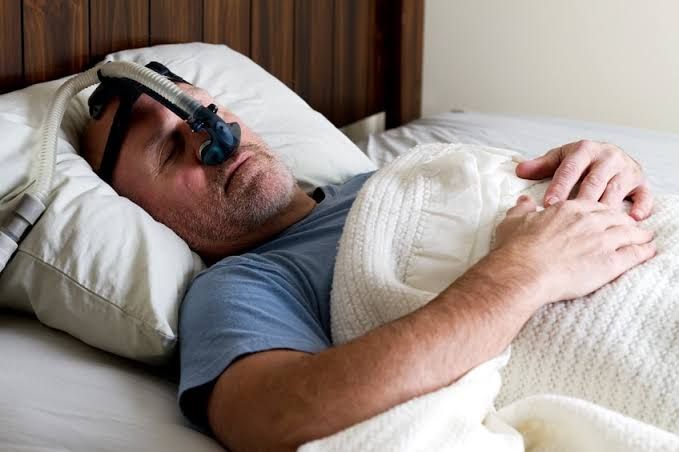
If you want to understand if can sleep apnea be cured, exploring targeted behavioral interventions is an excellent starting point. Many individuals searching for answers ask: is sleep apnea reversible through simple lifestyle modifications? Let’s look at the key evidence-backed approaches to help you manage your nighttime recovery.
1. Strategic Weight Management
Scientific research indicates that excess weight is a significant risk factor for obstructive airway collapse. One of the most effective ways to address whether can sleep apnea be cured is through reducing soft tissue volume in the upper airway. Dropping even 10% of body weight can greatly reduce fat deposits in the tongue and neck tissues, easing the physical pressure on your airway and helping to prevent collapse during sleep.
2. Positional Sleep Training
When you sleep flat on your back, gravity naturally pulls your jaw and tongue backward, increasing the risk of airway blockage. Many patients find that can sleep apnea be cured or significantly mitigated by training themselves to sleep on their side. Positional therapy tools, such as specialized body pillows or wearable position trainers, help keep you on your side, keeping your airway open and supporting more consistent sleep.
The Biometric Response to Airway Blockage:
- Heart Rate Spikes: Oxygen drops trigger a sympathetic nervous system response, causing sudden overnight heart rate spikes.
- Plummeting HRV: Under sympathetic stress, your Heart Rate Variability (HRV) drops significantly during sleep apnea episodes.
- Shattered REM Sleep: Continuous micro-arousals prevent your brain from spending adequate time in deep, restorative REM stages.
3. Throat Muscle Exercises (Myofunctional Therapy)
Much like building muscle at the gym, you can strengthen the muscles that keep your airway open. Myofunctional therapy involves targeted exercises for the tongue, soft palate, and throat. Research suggests that consistent practice can help reduce airway collapse, providing a helpful path for those wondering can you get rid of sleep apnea without invasive surgeries.
To understand if your sleep quality is improving with these adjustments, tracking your body’s recovery trends can be highly valuable. By monitoring overnight HRV and Sleep Stages with a comfortable, subscription-free device like the Herz P1 Smart Ring, you can watch how your autonomic nervous system responds to positive lifestyle changes, helping you refine your sleep habits without the added distraction of screens before bed.
Non-CPAP Strategies: Can You Get Rid of Sleep Apnea Permanently?

For those seeking to understand if can sleep apnea be cured, CPAP remains a widely recommended tool, but it is not the only option. Many find the mask uncomfortable, noisy, or difficult to travel with. If you are exploring is there a cure for sleep apnea that does not require a machine, several practical alternatives are worth discussing with your doctor.
Custom Oral Appliances
When evaluating if can sleep apnea be cured with oral appliances, mandibular advancement devices (MADs) are a popular choice. Custom-fitted by dental specialists, these devices gently position your lower jaw forward while you sleep. This slight advancement creates more space at the back of your throat, reducing tissue collapse and offering an effective alternative for mild-to-moderate OSA.
Modern Surgical Solutions
For cases rooted in structural anatomy, surgical adjustments can sometimes provide long-term resolution. Procedures like uvulopalatopharyngoplasty (UPPP), tonsillectomy, or minimally invasive options like the Inspire sleep device—which gently stimulates the nerve controlling tongue movement—help keep airways clear. These medical options are often discussed by those seeking to learn is sleep apnea reversible when structural variations are the primary cause.
Reclaiming Screen-Free Sleep Hygiene
Smartphones and bulky watch displays emit blue light that suppresses melatonin and triggers mental alertness, disrupting your natural sleep cycle. Rebuilding your rest starts with keeping screens out of the bedroom.
The Herz P1 Smart Ring operates silently in the background—no displays, no notifications, and no distractions—allowing you to focus on restorative, healing sleep.
Tracking Your Restful Progress
Whether you choose positional training, weight management, or oral appliances, tracking your body’s overnight response is vital. Paying attention to your sleep architecture, including Deep and REM sleep durations, provides valuable clues about your airway health. Frequent, unrecognized awakenings can shorten deep sleep stages, leaving you feeling tired even after a full night in bed.
While we continue to explore how can sleep apnea be cured, tools like the Herz P1 Smart Ring can help you track your body’s long-term trends. By providing a clear picture of your HRV and sleep stages, it lets you see the real-world impact of your lifestyle choices. With its lightweight, subscription-free design, you can quietly monitor your progress and work toward more restorative, uninterrupted sleep.
Disclaimer: Results may vary depending on individual physical activity levels, unique health conditions, and daily tracking patterns. The Herz P1 Smart Ring is a wellness tracking device designed to monitor sleep patterns, heart rate variability, and recovery metrics. It is not a medical device and is not intended to diagnose, treat, prevent, or cure sleep apnea or any other medical condition. Always consult with a qualified physician or healthcare provider for any medical concerns.
