

5 Best Travel CPAP Machine Options for Portable Sleep Apnea Therapy
Traveling with sleep apnea often means battling a racing mind and non-restorative sleep. While finding the perfect travel cpap machine is essential for continuous therapy, pairing it with a screen-free biometric tracker like the Herz P1 Smart Ring unlocks the ultimate insights into your true overnight recovery.
Take Back Your Sleep.
Take Back Your Life.
- Fall asleep faster & sleep deeper
- Stop waking up in the middle of the night
- Wake up refreshed & full of energy
Key Highlights & Takeaways:
- Compliance on the Go: Selecting an FAA-approved travel cpap machine ensures seamless therapy transitions during flights and hotel stays.
- Humidification Solutions: Modern waterless systems (HME) allow comfortable therapy without hauling bulky bottles of distilled water.
- Tracking Recovery: Machine data only tracks mask seal and airway open-time. True systemic rest requires monitoring heart rate variability (HRV) and deep sleep.
- Screen-Free Simplicity: Utilizing elegant, lightweight, subscription-free tracking helps you step away from blue-light screens and naturally quiet a racing mind before bed.
Selecting the Right Travel CPAP Machine: Performance Meets Portability
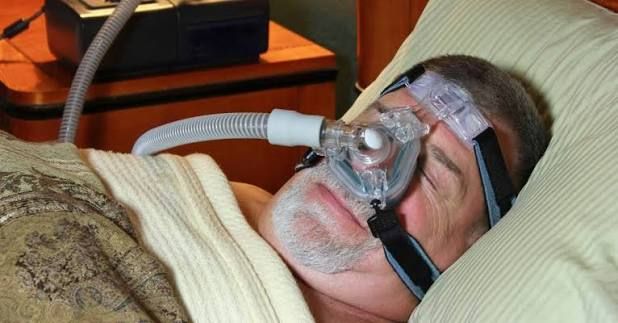
For those managing obstructive sleep apnea, travel presents a unique set of challenges. Air travel, shifting time zones, and unfamiliar hotel beds can easily trigger autonomic nervous system stress, resulting in 3 AM awakenings and non-restorative sleep. Carrying a bulky bedside CPAP machine is cumbersome, leading many travelers to skip their therapy altogether. However, skipping even a single night of therapy can cause oxygen desaturation, elevated heart rates, and severe next-day brain fog.
To bridge this gap, investing in a high-quality portable cpap machine is essential. Our team at Mind Body Dan evaluated today’s top travel devices based on weight, noise levels, power flexibility, and waterless humidification efficiency. Yet, keeping your airway open is only half the battle. To truly understand if your body is recovering from the stress of travel, tracking biometric indicators like heart rate variability (HRV) and sleep stages is crucial. That is why we also look at how to pair your physical therapy with smart, screen-free biometric monitoring.
How We Evaluate Travel Sleep Solutions
We focus on clinical efficacy, portability, and user-experience simplicity. A great travel setup should never increase your cognitive load. It should be lightweight, operate quietly so it does not disturb your partner, and integrate seamlessly into a holistic, screen-free wind-down routine.
Quick Comparison: Top Travel Sleep & Biometric Solutions
| Device / Companion | Weight | Primary Focus | Humidification / Feature | Subscription Fee |
|---|---|---|---|---|
| ResMed AirMini | 10.6 oz | Airway Patency | HumidX Waterless Disc | None |
| Breas Z2 Auto | 10.4 oz | Quiet Motor Delivery | HME Waterless Filter | None |
| Transcend Micro | 8.0 oz | Ultralight Portability | AirMax HME Optional | None |
| Herz P1 Smart Ring | 0.1 oz (3g) | HRV & Sleep Stages | Screen-free, Titanium | $0 (Subscription-Free) |
This table highlights that while comparing top travel cpap machine options helps you find the hardware that physicalizes airway management, monitoring your actual sleep quality trends and physical adaptation requires a reliable, lightweight companion like the Herz P1 Smart Ring.
1. ResMed AirMini AutoSet Travel CPAP
The ResMed AirMini is arguably the most highly sought-after compact travel cpap on the market. It utilizes the same advanced algorithms as ResMed’s clinical bedside units but packs them into an incredibly compact frame. Featuring smart-start technology and auto-adjusting pressure profiles, it ensures you remain compliant without carrying heavy machinery.
Strengths: Highly effective AutoSet algorithm; intuitive smartphone app interface; Waterless HumidX system works beautifully to mimic standard humidifiers without needing distilled water.
Weaknesses: Requires proprietary masks (AirFit F20, N20, P10 families) to utilize the HumidX waterless humidification system; venting design can produce a slight swooshing sound that some light sleepers find distracting.
Ideal User: Travelers who already use a ResMed bedside machine and want an identical pressure delivery algorithm in a highly pocketable format.
2. Breas Z2 Auto Travel CPAP
The Breas Z2 Auto is a highly versatile, whisper-quiet travel size cpap machine designed specifically for light sleepers. Noise is a massive operational issue for many travel devices, but the Z2 features a sound-insulated motor and an inline Qtube muffler that dampens conductive tube noise. It also works with any standard CPAP mask, avoiding the trap of proprietary accessories.
Strengths: One of the quietest travel motors available; compatible with any CPAP mask of your choosing; features a customized ramp-up and pressure relief system (Z-Breathe) to make exhalation natural.
Weaknesses: The user interface on the physical screen feels slightly dated; the waterless humidification filter (HME) is basic compared to advanced multi-layered systems.
Ideal User: Individuals who are highly sensitive to motor hums and want to use their preferred clinical mask without buying proprietary adaptors.
3. Transcend Micro Auto travel CPAP
If packability is your primary concern, the Transcend Micro is the lightest travel cpap design available. Weighing in at a mere 0.5 pounds and measuring less than four inches across, this ultra-portable device easily slips into the corner of your carry-on or backpack. It also features a useful “drying mode” to remove condensation from your tube after use.
Strengths: Unmatched minimal footprint; universal mask compatibility; excellent power efficiency, making it perfect for pairing with portable travel batteries during camping trips.
Weaknesses: Due to its tiny size, the high-pitched hum of the turbine is more noticeable than in larger units; waterless humidification options must be purchased separately.
Ideal User: Backpackers, minimalists, and adventure travelers who count every single ounce in their pack and need a highly compact footprint.
Complementing Your Machine: The Role of Biometric Science
A travel CPAP is a mechanical splint for your airway. But is your body truly resting? Air travel spikes cortisol, which suppresses heart rate variability (HRV) and lightens deep sleep. To understand if your travel setup is successfully supporting recovery, you need to monitor systemic physiological indicators.
Learn how a screen-free smart ring completes your sleep setup below.
4. Herz P1 Smart Ring: The Ultimate Travel Sleep & Recovery Companion
While a clinical travel cpap machine mechanicalizes breathing stability, the Herz P1 Smart Ring acts as your physiological validator. Traditional smartwatches are heavy, uncomfortable to sleep in, require daily charging, and feature bright screens that can wake you with late-night alerts. The Herz P1 elegantly resolves this with an ultra-lightweight, screen-free titanium ring housing medical-grade biometric sensors.
Best of all, the Herz P1 is subscription-free. In an industry flooded with hidden monthly costs, this device allows you to buy once and own your physiological data forever. By monitoring heart rate variability (HRV), daily activity levels, and Sleep Stages (REM, Deep, Light), it consolidates complex biometric algorithms into a single, highly actionable Daily Recovery Score. This is the ultimate tool to verify that your portable sleep apnea therapy is translating into restorative rest.
Strengths: Subscription-free model; comfortable, ultra-lightweight titanium design; screen-free tracker prevents cognitive blue-light stimulation before sleep; exceptional multi-day battery life.
Weaknesses: Does not feature a physical screen (requires syncing with the mobile app to view detailed metrics); not intended to replace a clinical diagnosis tool, but rather track trends.
Ideal User: Anyone using physical sleep therapies who wants to track real-world HRV, resting heart rate, and sleep quality trends without the operational annoyances of heavy, subscription-based smartwatches.
Practical Buying Guide: Traveling with Sleep Apnea Equipment
When preparing for transit with your medical equipment, keep these crucial tips in mind to ensure a stress-free trip:
- FAA Regulations: All major travel CPAPs are FAA-approved for in-flight use. Keep your machine in its dedicated carry-on case. Medical devices do not count toward your airline carry-on limit.
- Waterless Humidification: Distilled water is difficult to find while traveling. Utilize Heat and Moisture Exchangers (HME), which capture the moisture from your exhaled breath and recycle it into inhalation therapy.
- Backup Power: If you are camping or flying long distances, invest in a dedicated lithium-ion CPAP battery pack. Ensure the battery capacity meets airline limits (usually under 100Wh).
- Comprehensive Tracking: Ensure you track your sleep patterns. A portable therapy device ensures airway patency, but monitoring sleep latency, nighttime awakenings, and cardiovascular recovery through a dedicated smart ring helps you identify environmental stressors affecting your circadian rhythm.
Summary Recommendations
If you want the absolute gold standard in pressure delivery algorithms and a compact design, go with the ResMed AirMini. If you are a highly sensitive sleeper who struggles with motor noise, select the quiet Breas Z2 Auto. Finally, to truly monitor your physical recovery, track sleep stages, and optimize your overall well-being without screen distractions or recurring costs, pair your therapy with the Herz P1 Smart Ring.
Understanding Your Overnight Recovery: How to Monitor Sleep Apnea Therapy Success
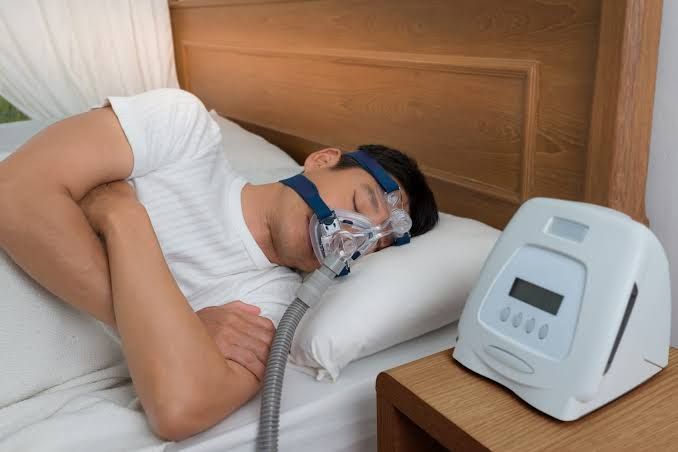
Using a high-quality portable cpap machine handles the physical barrier of sleep apnea by delivering pressurized air to prevent airway collapse. However, keeping the airway open does not automatically mean your nervous system has reached a state of deep, restorative rest. Many travelers using a CPAP still wake up with brain fog, a racing mind, or experience frequent 3 AM awakenings due to travel stress, high cortisol, or poor sleep hygiene. To optimize your sleep health, you must look at objective biometric markers.
By evaluating physiological recovery markers, you gain an evidence-backed window into your body’s autonomic balance. Specifically, two critical metrics tell the story of your sleep quality:
- Heart Rate Variability (HRV): Measured in milliseconds, HRV reflects the variation in time between consecutive heartbeats. This metric is controlled by your autonomic nervous system. A higher HRV indicates that your parasympathetic nervous system (the rest-and-digest branch) is active, showing that your body is adapting well to travel stress. A low HRV relative to your personal baseline signals systemic fatigue, high adrenaline, or non-restorative sleep patterns.
- Sleep Stages (Deep and REM): Deep sleep is vital for physical tissue repair, cellular recovery, and hormone regulation. REM sleep is essential for cognitive preservation, emotional processing, and clearing out brain fog. Even if your CPAP machine reports excellent compliance hours, a lack of deep and REM sleep indicates that environmental factors or stress are still impairing your rest.
— Team Mind Body Dan
The challenge with tracking these biometrics has always been the interface. Traditional smartwatches can emit sudden light alerts, require daily charging, and their bulky wristbands can cause physical discomfort when sleeping. More importantly, checking a screen right before bed or during a midnight awakening can stimulate a racing mind, worsening insomnia. The Herz P1 Smart Ring offers a screen-free tracking method that collects medical-grade data from the base of your finger—where arterial blood flow provides cleaner heart signals than the wrist—without distracting you with screens or recurring subscription fees.
Travel CPAP vs. BiPAP: Choosing the Right Therapy for High-Altitude Travel

When preparing for a trip, it is critical to understand whether a standard travel cpap or a BiPAP (Bilevel Positive Airway Pressure) machine is appropriate for your specific clinical needs—especially when traveling to high-altitude destinations. Mountainous areas have lower ambient atmospheric pressure, which can affect respiratory patterns and complicate obstructive or central sleep apnea.
The fundamental distinction between these two modalities lies in pressure delivery:
- CPAP (Continuous Positive Airway Pressure): Delivers a single, continuous stream of pressurized air to keep your upper airway open during both inhalation and exhalation. Modern, auto-adjusting travel models can automatically adjust their output for altitude changes, ensuring you receive your prescribed therapy pressure whether at sea level or in a mountain cabin.
- BiPAP (Bilevel Positive Airway Pressure): Delivers two distinct pressures: a higher pressure during inhalation (IPAP) to support breathing, and a lower, relaxed pressure during exhalation (EPAP). This is often prescribed for individuals who require higher pressure settings, have difficulty exhaling against CPAP resistance, or suffer from complex conditions like central sleep apnea or COPD.
If you are exploring mountain trails, high altitudes can naturally trigger central sleep events, where the brain momentarily forgets to signal the muscles to breathe. While some high-end portable cpap machine devices have built-in altitude sensors, individuals with complex respiratory needs may need a travel BiPAP to comfortably adapt to thinner air. Always consult with your respiratory therapist or physician before adjusting your clinical settings for high-altitude travel.
Regardless of whether you use a CPAP or BiPAP, keeping an eye on your physiological markers is key. Utilizing the Herz P1 Smart Ring to monitor how your body adapts to thin mountain air ensures you have concrete, subscription-free data on your HRV trends and resting heart rate patterns. If you observe your HRV plunging or your resting heart rate elevating significantly, it may indicate that your body is working harder to acclimatize, suggesting you should reduce intense daytime activity and allow your body more rest.
How a Screen-Free Smart Ring Elevates Your Rest
By replacing heavy, screen-based trackers with a lightweight titanium smart ring, you eliminate blue light exposure and intrusive vibration alerts. This screen-free tracking method allows you to focus purely on your breath, lowering sleep latency and calming a racing mind before bed.
By combining the physical airway support of a reliable portable sleep apnea therapy device with the advanced biometric monitoring of the subscription-free Herz P1 Smart Ring, you can travel confidently, protect your circadian health, and wake up refreshed, energized, and ready to explore your destination.
Disclaimer: Results may vary depending on individual physical activity levels, unique health conditions, and daily tracking patterns. The informational content provided in this article is for educational purposes only and is not intended to substitute for professional medical advice, clinical diagnosis, or therapeutic treatment. Always consult with your physician, sleep specialist, or qualified healthcare professional before altering your sleep apnea therapy routine or implementing any changes to your daily medical device protocols.
