

Are You Struggling with CPAP Side Effects? Simple Steps to Reclaim Your Nights
If you are struggling with CPAP side effects like dry mouth, skin rashes, or sudden 3 AM awakenings, you are not alone. While positive airway pressure is vital for respiratory support, managing these disruptions is key to restoring your sleep quality. Monitoring your sleep stages and heart rate variability with a screen-free device like the Herz P1 Smart Ring provides actionable, subscription-free biometric insights to optimize your overall daily recovery.
Take Back Your Sleep.
Take Back Your Life.
- Fall asleep faster & sleep deeper
- Stop waking up in the middle of the night
- Wake up refreshed & full of energy
- Identify the root biological causes of physical discomfort, dry airways, and mask leaks.
- Learn how basic maintenance mistakes can trigger common respiratory challenges.
- Discover actionable adjustments to optimize air pressure, relative humidity, and physical mask comfort.
- Understand how to track your body’s cardiovascular stress levels and restorative sleep stages using a comfortable, screen-free wearable.
What Are the Most Common CPAP Side Effects and Why Do They Happen?
Quick Answer
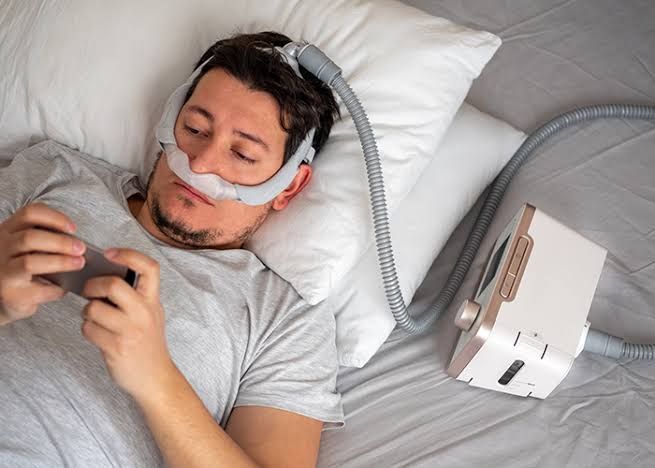
Yes, experiencing minor physiological discomforts when starting positive airway pressure therapy is incredibly common. The short answer is that most common cpap side effects are preventable with physical mask adjustments, humidity regulation, and pressure ramping. However, to choose the right strategy for your recovery, you need to understand how these daily adjustments affect your long-term autonomic nervous system patterns.
Detailed Explanation of Physiological Mechanisms
Continuous Positive Airway Pressure (CPAP) works by delivering a constant column of pressurized air into your upper respiratory tract. This pneumatic splint keeps your airway open, preventing obstructive events. However, this continuous airflow can introduce several notable cpap side effects that impact comfort and sleep continuity. Here is a deep dive into the primary biological mechanisms behind these issues:
- Dry Mouth and Air Passages: When pressurized, ambient air is forced through the nasal passages or directly into the mouth. If you sleep with your mouth open, the air escapes rapidly, bypassing the natural humidifying processes of your nasal mucosa. This creates a high-flow wind-tunnel effect that strips moisture from your delicate oral and pharyngeal tissues, leaving you with a parched throat, crusty nasal passages, and morning irritation.
- Skin Irritation, Rashes, and Pressure Ulcers: To keep pressurized air from escaping, many users over-tighten their headgear. This excessive pressure restricts local blood flow to the skin on the nasal bridge, cheeks, and forehead. Over several hours, the friction between the silicone cushion and the skin, combined with trapped sweat, causes localized dermatitis, redness, and painful pressure sores.
- Aerophagia (Swallowing Air): When the therapeutic air pressure is set higher than your upper esophageal sphincter’s opening threshold, air is inadvertently forced down into your digestive tract instead of remaining in your trachea. This phenomenon, known as aerophagia, leads to significant abdominal bloating, painful gas, belching, and gastroesophageal reflux.
- Claustrophobia and Airflow Anxiety: Placing a rigid mask over the nose and mouth can trigger an immediate primal threat response in the brain. The physical sensation of resistance when trying to exhale against an incoming column of pressurized air can cause a racing mind, rapid shallow breathing, and sudden nighttime panics, making it incredibly difficult to transition into restorative sleep.
When to Use vs. When to Seek Alternatives
Understanding when to push through these adjustments and when to pivot is essential for your long-term wellness:
When to continue refining your current setup: If you are experiencing mild to moderate dry nose, minor skin redness, or temporary abdominal gas, you should focus on preventing cpap side effects through targeted equipment adjustments. These temporary challenges do not outweigh the substantial cardiovascular benefits of maintaining stable nocturnal oxygenation.
When to seek alternative medical guidance: If you experience persistent skin infections, severe aerophagia that causes intense morning pain, or persistent feelings of panic that lead you to tear off the mask night after night, it is time to consult your sleep specialist. They can explore options like Bi-level Positive Airway Pressure (BiPAP), custom-fit oral mandibular advancement devices, or positional therapy models better suited to your physiology.
Suggested Solutions & Screen-Free Recovery Monitoring
To mitigate cpap side effects, we recommend a multi-step comfort approach. First, integrate a heated humidifier with heated tubing into your system to match your body’s natural airway temperature and moisture. Second, consider transitioning from a full-face mask to nasal pillows or a nasal cradle, which significantly minimizes skin contact and reduces the feeling of claustrophobia. Finally, make use of your machine’s “ramp” feature, which starts the therapy at a very low, comfortable pressure and gradually increases it as you drift off to sleep.
While you are making these physical adjustments, it is highly beneficial to monitor how your body is responding to the changes. However, many traditional sleep trackers are bulky smartwatches that emit bright screen notifications, require constant daily charging, and cause additional sleep anxiety. To bypass these issues, we recommend tracking your deep, light, and REM sleep trends with a screen-free, subscription-free alternative like the Herz P1 Smart Ring.
Traditional smartwatches can disrupt your natural sleep environment with bright notifications and heavy silicone bands. A premium titanium smart ring sits comfortably on your finger, operating completely silently without screen distractions. It provides highly accurate heart rate variability (HRV) and sleep stage tracking without the burden of ongoing monthly subscription fees.
Frequently Asked Questions
Q: Why does my throat feel so dry after using my CPAP?
A: This is usually due to mouth breathing or air leaks. When air escapes through your open mouth, it bypasses the system’s humidification. Utilizing a chin strap or a full-face mask along with a heated humidifier can help resolve this discomfort.
Q: Can the air pressure cause gas and bloating?
A: Yes, this is called aerophagia, which occurs when pressurized air is swallowed into the stomach. Utilizing a machine with expiratory pressure relief (EPR) or adjusting your overall pressure settings can help redirect the airflow correctly.
Q: How can I stop the mask from leaving red marks on my face?
A: Red marks indicate that your mask is either too tight or the wrong size. Try loosening the straps slightly so the silicone cushion can inflate naturally with air to create a seal, or consider using soft fabric strap covers.
Q: Is it normal to wake up frequently during the first few weeks?
A: Yes, your brain needs time to adapt to the sensation of pressurized air. Tracking your overall sleep stages during this adjustment phase can help you see if your sleep quality is steadily improving over time.
Can CPAP Make You Sick? Understanding CPAP Infection Symptoms and Hygiene Risks
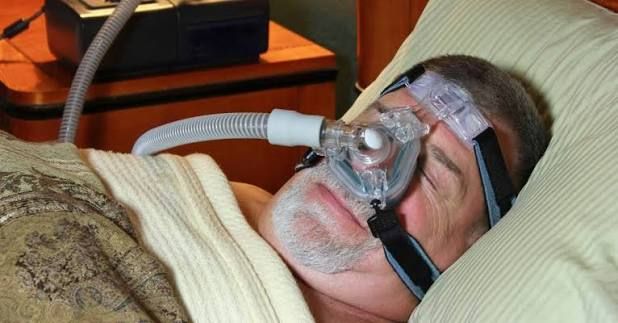
Many individuals starting therapy naturally ask: can cpap make you sick? The short answer is that the pressurized air stream itself is completely clean and safe. However, a lack of regular system maintenance and sanitation can turn your machine into a breeding ground for environmental irritants, mold, and bacteria. When you breathe in stagnant air from unwashed components, your respiratory tract can react negatively.
Understanding this risk requires looking at the warm, dark, and highly humid conditions within your humidifier chamber and hose. These settings are perfect for microbial colonization. If you do not change the water daily or clean the tubing regularly, bio-films can quickly develop. When the system is turned on, the pressurized air can carry these microscopic particles directly into your sinuses and lungs.
Recognizing the primary cpap infection symptoms is essential for protecting your respiratory health. If your equipment is contaminated, you may experience:
- Frequent or persistent nasal, sinus, or throat pain.
- A dry, nagging cough that develops after starting therapy.
- Sudden congestion, sinus pressure, or unexplained low-grade fevers.
- An unpleasant, musty smell coming from your mask or hose when the machine is running.
- Frequent skin breakouts or fungal irritation around the bridge of your nose and mouth.
- Daily: Empty any remaining water from your humidifier chamber. Rinse it thoroughly and fill it only with fresh distilled water to prevent mineral buildup and bacterial growth.
- Weekly: Submerge your mask, heated tubing, and empty water chamber in warm, soapy water (using a mild, fragrance-free dish soap) for 30 minutes. Rinse thoroughly and allow them to air-dry completely away from direct sunlight.
- Monthly: Replace your machine’s disposable ultra-fine inlet filters. Inspect the silicone mask cushion for signs of physical wear or stretching that could cause leaks.
— Team Mind Body Dan
When you are managing the physical challenges of a new therapy, your body goes through a period of physiological adaptation. This process can cause minor systemic stress, which can temporarily disrupt your autonomic nervous system. To understand if your body is recovering well during this transition, we recommend monitoring your resting biometrics. Using a clean, non-intrusive wearable allows you to track these trends without adding to your daily screen time or bedtime routine.
Overcoming the Side Effects of Using CPAP: Long-Term Recovery and Tracking
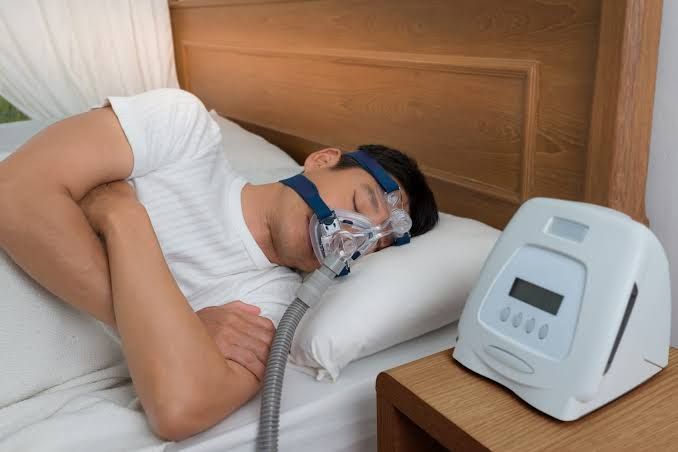
As you work through the common side effects of using cpap, it is important to remember that physical recovery is about more than just checking a box on your machine’s compliance app. If you are waking up at 3 AM with a racing mind, a dry mouth, or feeling anxious due to mask leakage, your body is likely experiencing a “fight or flight” stress response. This sympathetic activation can lead to non-restorative sleep and morning brain fog, even if your machine shows zero obstructive events.
To accurately assess your sleep health, you need to understand how these nighttime disruptions affect your underlying cardiovascular recovery. This is where tracking Heart Rate Variability (HRV) becomes extremely valuable. HRV is the microscopic variation in time between consecutive heartbeats, regulated by your autonomic nervous system:
- A Higher HRV suggests that your parasympathetic nervous system (“rest and digest” mode) is in control. This indicates that your body is adapting well to the physical pressure of the therapy, recovering deeply, and managing daily stress effectively.
- A Lower HRV indicates that your sympathetic nervous system (“fight or flight” mode) is dominant. This tells us that physical mask discomfort, dry nasal passages, or air leaks are keeping your body in a state of stress, preventing you from getting quality sleep.
By tracking your daily HRV and sleep stages, you can easily see if physical adjustments to your mask, humidity settings, or sleep position are actually helping your body recover. However, tracking these biometrics shouldn’t require wearing a bulky smartwatch to bed. Many people find heavy, screen-lit watches uncomfortable to sleep in, and the constant notifications can increase nighttime anxiety. Additionally, having to charge a watch daily often means missing out on tracking your sleep when you need it most.
A premium, screen-free titanium wearable like the Herz P1 Smart Ring offers an elegant and practical solution. This lightweight ring sits comfortably on your finger all night, tracking your body’s sleep architecture—including deep, light, and REM sleep stages—without any light or sound distractions. By translating complex biometric data into a simple daily Recovery Score, it helps you easily monitor how your body is adapting to your therapy, completely subscription-free.
Reclaim Your Recovery with the Herz P1 Smart Ring
Monitor your sleep stages, resting heart rate, and heart rate variability with medical-grade precision. Experience a lightweight, durable titanium design that helps you track your body’s natural recovery patterns—without bright screens or monthly subscription fees.
Actionable Lifestyle Steps for Better Rest
In addition to optimizing your machine and monitoring your biometrics, incorporating a few simple daily habits can help make your therapy much more comfortable:
- Practice Progressive Desensitization: Wear your mask during the day for 15-20 minutes while reading or watching television. This helps train your brain to view the mask as safe, reducing nighttime anxiety and claustrophobia.
- Refine Your Sleep Hygiene: Establish a relaxing, screen-free wind-down routine at least 60 minutes before bed. This naturally lowers your heart rate and prepares your body for restorative sleep.
- Use Side-Sleeping Cushions: Standard pillows can push your mask out of alignment, causing air to leak into your eyes. Using a specialized contour pillow can help keep your mask in place throughout the night.
- Track Your Daily Recovery Trends: Consistently reviewing your morning Recovery Score can help you identify exactly which physical adjustments are helping you get the best possible rest.
By combining proper machine maintenance, simple physical adjustments, and screen-free biometric tracking, you can easily address cpap side effects. This balanced approach allows you to successfully adapt to your therapy, support your respiratory health, and wake up feeling refreshed and energized every morning.
Disclaimer: Results may vary depending on individual physical activity levels, unique health conditions, and daily tracking patterns. The information provided in this article is intended for educational purposes only and is not a substitute for professional medical advice, evaluation, or monitoring. Always consult with a qualified healthcare provider or sleep specialist before making any changes to your prescribed medical therapies.
