

Struggling with Pregnancy Insomnia? Your Guide to Restful Nights and Early Pregnancy Rest
Are you lying awake at 3 AM with a racing mind, exhausted yet unable to drift off? You are likely experiencing pregnancy insomnia. While surging hormones disrupt your restorative deep sleep, tracking daily biometric trends can help you regain control. We recommend the screen-free, subscription-free Herz P1 Smart Ring to track sleep stages without added screen stress.
Take Back Your Sleep.
Take Back Your Life.
- Fall asleep faster & sleep deeper
- Stop waking up in the middle of the night
- Wake up refreshed & full of energy
Key Article Highlights:
- Discover the true physiological roots of early pregnancy sleep disruptions.
- Learn how hormone surges throw off deep and REM sleep stages.
- Discover how to use non-invasive, screen-free tracking to measure sleep quality.
- Get actionable, gentle tips to calm your nervous system before bed.
Demystifying Pregnancy Insomnia: Symptoms and Biological Drivers

Quick Answer: Yes, pregnancy insomnia is incredibly common, affecting up to 78% of expectant mothers. The short answer is that while these nocturnal awakenings are a normal physiological response to profound hormonal, physical, and psychological shifts, managing them requires personalized biometric insights. To choose the right lifestyle adjustments, you need to understand your unique recovery patterns, heart rate variability (HRV), and actual sleep stages.
During pregnancy, your body undergoes an astonishing transformation. Almost overnight, progesterone and estrogen levels surge, altering your core body temperature, respiratory rate, and cardiovascular dynamics. For many, this results in insomnia in early pregnancy. You might climb into bed physically exhausted, only to experience a racing mind as soon as your head hits the pillow. You watch the clock tick toward 3 AM, trapped in a state of non-restorative sleep, knowing that tomorrow will bring a cloud of brain fog and physical fatigue.
But why does this happen? The primary driver is hormonal. Progesterone, while vital for sustaining pregnancy, acts as a natural sedative that can disrupt your standard sleep architecture. This disruption often leads to fragmented sleep, reducing the amount of deep sleep and REM sleep you get each night. When you add physical discomforts like nausea, frequent urination, and mild body aches into the mix, your body’s ability to settle into a parasympathetic (rest-and-digest) state becomes severely compromised. This shift directly impacts your Heart Rate Variability (HRV)—the variations in time intervals between consecutive heartbeats. A lower HRV typically points to systemic stress and an overactive sympathetic nervous system, helping explain why you feel chronically drained even if you spent eight hours in bed.
Many expectant mothers struggle to pinpoint exactly why they feel so exhausted. They try generic advice—like drinking warm milk or adjusting the thermostat—only to find it makes little difference. This is because every pregnant body responds uniquely to these physiological shifts. Without objective, baseline data, attempting to resolve sleep disruptions is mostly a guessing game. By monitoring metrics like resting heart rate, HRV, and sleep stages, you can identify patterns and make targeted lifestyle tweaks that support your body’s recovery.
When to Track Your Rest (and When to Seek Professional Support)
Tracking your sleep and recovery metrics is highly beneficial if you want to understand how your body reacts to daily stressors, dietary changes, and evening routines. It is a fantastic tool for finding a rhythm that works for your changing physiology. However, tracking is not a replacement for medical guidance. If you experience chronic, severe sleep deprivation, persistent gasping for air at night, or symptoms of depression, you should speak directly with your obstetrician or a healthcare professional. Biometric trackers are designed to help you monitor wellness trends and establish healthy baselines, rather than diagnose medical conditions.
Transforming Your Evenings with Screen-Free Solutions
To help soothe a racing mind and ease pregnancy insomnia symptoms, we must address our daily habits. One of the most effective steps is moving away from screens before bed. The blue light from phones and tablets mimics daylight, delaying melatonin production and keeping your brain alert. Yet, many of us still rely on bulky, distracting smartwatches to track our health. These screens can flash notifications at night, adding to our mental clutter and disrupting sleep.
At Team Mind Body Dan, we believe the ideal tracking experience should be completely unobtrusive. That is why we recommend the Herz P1 Smart Ring. Crafted from lightweight, biocompatible titanium, this elegant ring slips onto your finger and tracks your biometrics screen-free. It translates complex data—like sleep stages (REM, Deep, Light), cardiovascular metrics, and HRV—into a simple, intuitive daily Recovery Score. Best of all, it features a subscription-free model with no hidden monthly costs, letting you own your data forever. It is the perfect, stress-free alternative to bulky smartwatches that require daily charging and disrupt your wind-down routine.
Frequently Asked Questions About Early Pregnancy Rest
1. Why is sleep so difficult in the first trimester?
During early pregnancy, your body experiences a dramatic surge in progesterone and estrogen, which can disrupt your sleep cycle. Your heart rate rises, your kidneys work harder (leading to frequent bathroom visits), and physical changes like breast tenderness and nausea make finding a comfortable position tricky.
2. Can tracking my biometrics help me manage pregnancy insomnia?
Yes. Tracking metrics like sleep stages and HRV helps you see how lifestyle changes—like an earlier dinner or a screen-free evening—affect your rest. This allows you to focus on the habits that truly help you recover.
3. Are smart rings safe to wear during pregnancy?
Absolutely. Premium smart rings like the Herz P1 use medical-grade, non-invasive biometric sensors to track your heart rate, HRV, and sleep stages. They emit no harmful radiation and are designed for comfortable, 24/7 wear.
Navigating the First Trimester: When Does Pregnancy Insomnia Start?
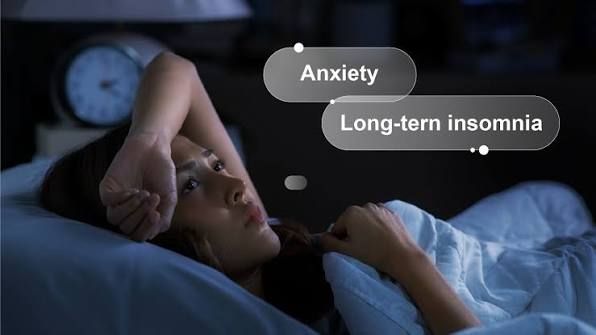
For many women, the realization of pregnancy begins not with a positive test, but with a sudden, unexpected shift in their sleep quality. So, when does pregnancy insomnia start? While it can occur at any stage of gestation, many women experience a sudden onset of insomnia in early pregnancy, often as early as week six. This early disruption is driven by a massive spike in progesterone, which can alter your core temperature and natural sleep patterns.
In these early weeks, you might feel a profound sense of exhaustion during the day, only to struggle to fall asleep at night. This frustrating cycle of fatigue and wakefulness often leads to sleep anxiety, where you worry about not getting enough rest, making it even harder to sleep. The physical demands of early pregnancy—such as metabolic shifts, increased blood volume, and kidney activity—often lead to middle-of-the-night awakenings. Once awake, a racing mind can make it incredibly difficult to fall back asleep, leaving you with brain fog and fatigue the next day.
To navigate these early changes, it helps to monitor how your body is adapting. Tracking key biometrics like Heart Rate Variability (HRV) and resting heart rate offers an objective look at your physiological state. Because pregnancy increases cardiovascular load, your resting heart rate naturally rises while your HRV may dip. By keeping an eye on these trends, you can spot when your body is under stress and take gentle steps to support your recovery.
Essential Early Pregnancy Sleep Metrics to Monitor:
- Overnight HRV: An indicator of autonomic nervous system balance. A steady trend shows your body is adapting well to pregnancy.
- Resting Heart Rate (RHR): Helps you track cardiovascular changes as your blood volume naturally increases.
- Deep Sleep Percentage: Tracks the vital physical recovery stages that help clear brain fog and rebuild energy.
- REM Sleep Duration: Monitors the cognitive and emotional restoration stages that help quiet a racing mind.
By observing these daily indicators, you can shift from feeling overwhelmed to feeling informed. Instead of stressing over poor sleep, you can use your biometric data to adjust your daily routine. For instance, if you notice your HRV drops on days you skip an afternoon walk or eat a heavy dinner close to bedtime, you can make gentle shifts to support your body’s natural rhythm. This personalized, gentle approach is much more effective than relying on generic tips, helping you work with your changing physiology rather than against it.
Practical Sleep Optimization: Finding Pregnancy Insomnia Cures That Work
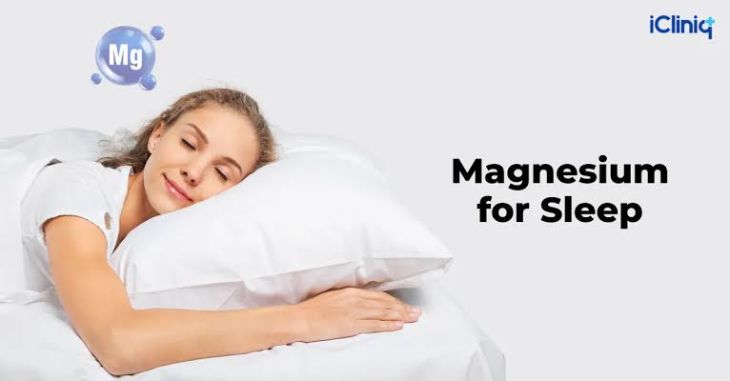
While looking for holistic pregnancy insomnia cures, it becomes clear that quick fixes are rarely the answer. Instead, sustainable relief comes from gentle, daily habits that support your nervous system and help your body wind down naturally. Because pregnancy limits the use of traditional sleep aids, focusing on sleep hygiene and lifestyle tweaks is your best path to better rest.
An excellent starting point is established sleep hygiene. This means creating a dark, quiet, and cool sleep space that signals to your brain it is time to rest. Keeping your bedroom screen-free is vital, as blue light from electronic devices can disrupt melatonin production. Regular, gentle exercise like prenatal yoga or a daily walk can also help lower stress hormones and support deeper sleep, provided you finish your session a few hours before bed to let your body temperature cool.
What you eat and drink also plays a big role in how well you sleep. To avoid waking up for bathroom visits in the middle of the night, try tapering your fluid intake in the late afternoon and evening. Enjoying smaller, nutrient-dense meals can also keep digestive discomfort and heartburn at bay. Many expectant mothers find that incorporating magnesium-rich foods or a warm bath into their evening routine helps soothe tired muscles and quiet a busy mind before bed.
Why the Herz P1 Smart Ring is Your Ultimate Rest Companion
The Herz P1 Smart Ring is designed to fit seamlessly into your life. Made from ultra-lightweight titanium, it provides accurate biometric tracking without the weight or distraction of a traditional smartwatch.
- Subscription-Free: Lifetime access to your personal health data with no hidden costs.
- Screen-Free: Keeps blue light and notifications out of your bedroom for a more peaceful environment.
- Long-Lasting Battery: Enjoy days of continuous tracking without the hassle of daily charging.
- Empathetic Metrics: Offers simple, clear insights into your sleep stages and daily recovery.
By focusing on consistency and tracking your progress, you can naturally ease the symptoms of early pregnancy insomnia. Remember, the goal is not a perfect eight hours of sleep every single night, but rather learning to listen to your body and finding a daily rhythm that supports your long-term well-being.
By combining healthy sleep habits with gentle, screen-free biometric tracking, you can better understand your body’s changing needs throughout pregnancy. This mindful approach helps you navigate physical changes with ease, quiet a busy mind, and wake up feeling refreshed and ready for the day ahead.
A Quick Summary for Better Sleep:
- Keep your bedroom cool, dark, and screen-free.
- Reduce screen time before bed to support your body’s natural melatonin production.
- Track your sleep stages and HRV with a comfortable, screen-free smart ring.
- Incorporate relaxation practices, like gentle breathing exercises, into your evening routine.
- Listen to your body and adjust your habits based on your personal wellness trends.
Every step you take toward understanding your body is a step toward better sleep and recovery. By tuning into your biometrics and prioritizing gentle, consistent self-care, you can ease the challenge of pregnancy insomnia and enjoy a more comfortable, restful journey.
At Team Mind Body Dan, we are dedicated to helping you live a healthier, more balanced life through simple, science-backed wellness insights. Our goal is to make health data easy to understand, giving you the tools to optimize your sleep and recovery. Whether you are navigating early pregnancy or simply looking to improve your daily rest, we are here to support you every step of the way.
Disclaimer: Results may vary depending on individual physical activity levels, unique health conditions, and daily tracking patterns. This article is for informational purposes only and does not constitute medical advice. Always consult your healthcare provider or obstetrician before making changes to your wellness routine or sleep environment during pregnancy.
