

What Causes Night Eating Syndrome and How to Stop It?
Waking up at 3 AM with a racing mind and an uncontrollable urge to raid the kitchen is exhausting. At Team Mind Body Dan, we explore how disrupted circadian rhythms and stress alter your biometrics. Discovering what causes night eating is the first step; monitoring your recovery with a screen-free Herz P1 Smart Ring is the second.
Take Back Your Sleep.
Take Back Your Life.
- Fall asleep faster & sleep deeper
- Stop waking up in the middle of the night
- Wake up refreshed & full of energy
Key Takeaways:
- Multifaceted Triggers: Understanding what causes night eating involves exploring circadian rhythm mismatches, hormonal imbalances, and psychological stressors.
- Biometric Clues: Low Heart Rate Variability (HRV) and fragmented sleep stages indicate when your nervous system is trapped in a stress-induced state.
- Screen-Free Support: Wearable tech, like the titanium Herz P1 Smart Ring, offers a subtle, subscription-free way to monitor sleep and daily recovery without screen distractions.
- Actionable Adjustments: Rebuilding daytime eating routines, managing stress, and adjusting sleep hygiene can help align your body’s natural hunger cues.
Understanding the Biological and Psychological Triggers of Night Eating

Quick Answer
It depends. While a single late-night snack is often just a response to a long day, understanding what causes night eating on a frequent basis requires looking at your internal biological clock, chronic stress levels, and overall sleep quality. The short answer is that persistent night eating is typically driven by a mismatch in circadian hormones, particularly melatonin, leptin, and cortisol. To find the right path forward, you need to understand how these elements interact with your daily rest and recovery cycles.
Detailed Explanation
When we look closely at what causes night eating, we find a complex interplay between biochemistry and behavior. Individuals experiencing night eating syndrome (NES) typically consume more than 25% of their daily caloric intake after their evening meal, often accompanied by waking up in the middle of the night with an intense urge to eat.
At the core of this pattern is a disruption of the circadian system. Under normal circumstances, your body increases production of melatonin (the sleep hormone) and leptin (the satiety hormone) at night. This rise in leptin naturally suppresses your appetite, allowing you to sleep through the night without feeling hungry. However, when examining what causes night eating, research shows that these nighttime hormone surges are often blunted or delayed. Instead of feeling satisfied, your body experiences a drop in leptin alongside a spike in ghrelin (the hunger hormone), triggering urgent signals to eat when you should be resting.
Furthermore, chronic daily stress keeps your sympathetic nervous system active, resulting in elevated cortisol levels. High evening cortisol acts as a metabolic signal, driving cravings for quick-energy, high-carbohydrate foods. This biological stress response can make it incredibly difficult to fall back asleep without eating, locking you into a frustrating cycle of light, fragmented sleep and morning brain fog.
When to Look Deeper (and When It’s Simply Hunger)
It is helpful to identify your physiological patterns to determine if your midnight kitchen trips point to a deeper imbalance:
- Consider tracking your patterns if: You consistently experience little to no appetite in the morning, wake up multiple times a week with an urgent need to eat to fall back asleep, and feel a sense of tension or anxiety around your nighttime eating habits.
- It might be simpler if: Your late-night hunger is a direct result of an intense afternoon workout, skipping meals during a busy workday, or simply staying up much later than your usual bedtime. In these cases, adjusting your daytime nutrition is often the most straightforward solution.
Suggested Solutions
Addressing these habits starts with establishing consistent, balanced daytime nutrition and practicing mindful stress management. However, because these behaviors are closely linked to your sleep-wake cycle, monitoring your sleep architecture is incredibly valuable. Many people find that wearing a traditional smartwatch to bed is uncomfortable, bulky, and the bright screen can actually disrupt sleep further.
This is where a screen-free option like the Herz P1 Smart Ring shines. Made from lightweight, medical-grade titanium, it sits comfortably on your finger without the distraction of notifications or glowing screens. It tracks your Sleep Stages (REM, Deep, Light) and your Heart Rate Variability (HRV) to provide a clear, daily Recovery Score. This helps you understand exactly how your body is recovering overnight, allowing you to identify the physical stressors that may be contributing to your midnight cravings.
Why Tracking Biometrics Screen-Free Matters:
Using an elegant, screen-free wearable allows you to gather high-fidelity data on your heart rate variability and sleep stages without introducing blue-light distractions to your bedroom. This makes it easier to observe patterns in your physical recovery and learn how your evening routines impact your overall sleep quality.
Frequently Asked Questions
Q: Is night eating simply a lack of willpower?
A: No. While it can feel like a personal struggle, understanding what causes night eating reveals that it is primarily a biological issue driven by hormonal shifts, circadian mismatches, and chronic stress responses rather than a simple lack of willpower.
Q: Can high daytime stress cause night eating?
A: Yes. Elevated daytime stress keeps your cortisol levels high into the evening, which can disrupt your sleep and trigger cravings for quick-energy foods in the middle of the night.
Q: How does poor sleep quality affect nighttime hunger?
A: Fragmented sleep and low amounts of deep sleep disrupt your body’s natural production of leptin and ghrelin. This hormonal shift can leave you feeling hungrier and less satisfied, even during the night.
The Biometric Connection: How Sleep Disruption and Heart Rate Variability Signal Nighttime Hunger
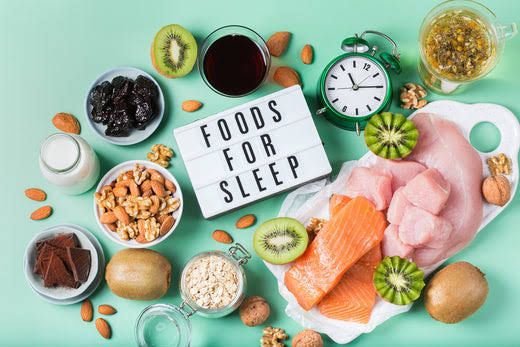
Understanding what causes night eating requires looking at the subtle signals our bodies send us throughout the night. For many, waking up in the middle of the night feels like a sudden event, but your biometrics tell a different story long before you open your eyes.
Your autonomic nervous system is divided into two primary branches: the sympathetic branch (“fight or flight”) and the parasympathetic branch (“rest and digest”). During healthy, restorative sleep, your parasympathetic system should be dominant. This state is reflected in a high Heart Rate Variability (HRV), indicating that your body is relaxed, recovering, and adapting well to stress.
However, when your system is burdened by chronic daily stress, poor daytime nutrition, or irregular sleep schedules, your autonomic balance shifts. Your sympathetic nervous system remains active even while you sleep, which is reflected in a lower HRV. When your body is unable to transition into a calm, parasympathetic state, your sleep architecture becomes fragmented. You spend less time in restorative deep sleep and REM stages, and experience more frequent, shallow awakenings.
During these micro-awakenings or extended periods of light sleep, the brain can misinterpret physical fatigue or stress-induced arousal as an immediate need for energy. This is a key factor in reasons behind midnight snacking. Because your body feels tired and under-recovered, it seeks a quick source of fuel—typically processed carbs or sugars—to help soothe the nervous system and induce sleep. This temporary fix can lead to a cycle of disrupted digestion, shallow sleep, and further drops in your next-day Recovery Score.
To help visualize this connection, we can look at how tracking biometric trends can help us identify these patterns:
| Biometric Marker | Healthy Sleep State | Disrupted / Night Eating State |
|---|---|---|
| Heart Rate Variability (HRV) | Higher (indicating a balanced, resting nervous system) | Lower (indicating physical stress or active ‘fight-or-flight’ mode) |
| Sleep Stages | Balanced Deep, REM, and Light cycles | Shallow, fragmented sleep with frequent brief awakenings |
| Resting Heart Rate (RHR) | Gradual drop to its lowest point mid-sleep | Elevated throughout the night, especially after late meals |
| Morning Recovery Score | High (feeling refreshed, with minimal morning brain fog) | Low (feeling tired and sluggish, with low physical readiness) |
By tracking these indicators, you can begin to see the direct connection between your daily choices and your sleep quality. Monitoring your overnight biometrics with a comfortable, lightweight wearable allows you to see how your body responds to changes in your evening routine, helping you find a balance that supports both restful sleep and regular daytime hunger cues.
Actionable Strategies: How to Stop Night Eating and Realign Your Circadian Rhythm
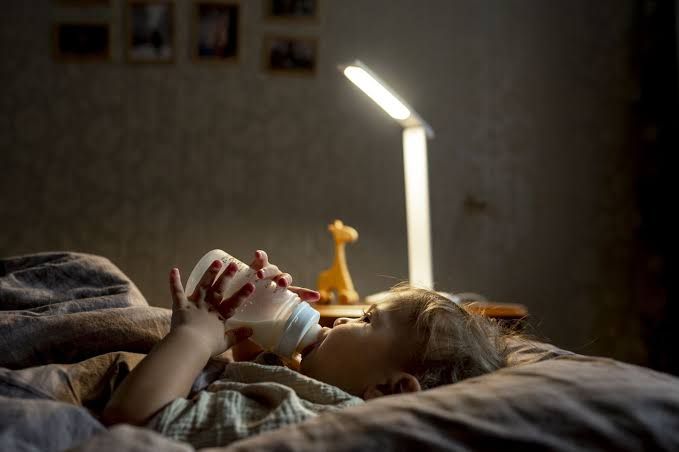
Once you understand the biological factors that contribute to late-night hunger, you can begin to address these habits by adjusting your daily routine. Since nocturnal eating behaviors are closely connected to your circadian rhythm, the most effective strategies focus on realigning your body’s internal clock and supporting your natural hormone cycles.
Here are four practical steps you can take to help establish more balanced patterns:
1. Establish Regular Daytime Eating Habits
One of the most common contributors to late-night cravings is under-eating during the day. Skipping breakfast or eating too little during a busy afternoon can trigger a biological drive to make up for those calories late at night. Focus on eating balanced, satisfying meals with adequate protein and fiber throughout the day to support steady energy levels and regular hunger hormones.
2. Align Your Daily Light Exposure
Your circadian rhythm is deeply influenced by light. Getting natural sunlight in your eyes shortly after waking up helps signal to your body that the day has begun, supporting natural melatonin production later in the evening. In the same way, minimizing bright screens and harsh overhead lighting in the hours leading up to bedtime helps prepare your body for restful, deep sleep.
3. Focus on Relaxing Evening Routines
Since high stress levels can trigger nighttime hunger, finding ways to wind down before bed is key. Incorporating calming activities like light stretching, reading, or journaling can help transition your nervous system from a busy, active state into a relaxed, parasympathetic state, making it easier to fall and stay asleep.
4. Monitor Your Patterns Comfortably
Tracking your sleep and recovery patterns can offer valuable insights as you adjust your routine. However, smartwatches with bright screens can often be a source of distraction in the evening. A screen-free, lightweight option like the Herz P1 Smart Ring provides a simple, unobtrusive way to monitor your resting heart rate and sleep stages without the interruption of notifications, helping you focus on restful, uninterrupted sleep.
Realign Your Circadian Rhythm
Tracking your physical recovery is a simple, effective way to learn how your daily habits and evening routines impact your sleep. Focusing on consistent daytime meals, managing evening stress, and using screen-free tracking methods can help you support your body’s natural sleep-wake cycle and reclaim deep, restful nights.
By adjusting your daytime habits and prioritizing consistent, soothing evening routines, you can support your body’s natural balance. If you are looking for a simple, distraction-free way to observe how these adjustments influence your sleep and physical recovery, exploring a screen-free wearable can be a supportive next step.
Through steady, mindful changes to your daily nutrition, light exposure, and stress management, you can work toward aligning your natural hunger signals and enjoying peaceful, restorative rest.
Simple Environmental Adjustments to Try Tonight:
If you are working to build more supportive evening habits, here are a few simple changes you can make to your bedroom environment:
- Keep your sleeping area cool, quiet, and dark to encourage deep, restorative sleep.
- Set a regular wind-down time that does not involve bright screens or devices.
- Keep a journal or book by your bed to help settle your mind if you wake up with a racing thoughts.
By focusing on consistent, supportive daily habits and listening to your body’s biometric trends, you can gradually realign your circadian rhythm, improve your sleep quality, and support your overall well-being.
