

Casper Snow Mattress Review: Advanced Cooling Hybrid Sleep Analysis
Are you tired of waking up at 3 AM drenched in sweat, battling a racing mind and next-day brain fog? In this detailed casper snow mattress analysis, we examine how this hybrid system combats sleeping hot, helping you unlock deep, restorative sleep for optimal recovery.
Take Back Your Sleep.
Take Back Your Life.
- Fall asleep faster & sleep deeper
- Stop waking up in the middle of the night
- Wake up refreshed & full of energy
Key Article Highlights:
- Comprehensive analysis of Casper’s advanced cooling hybrid mattress technology.
- How physical thermoregulation affects sleep stages, specifically REM and Deep sleep.
- Evaluating motion isolation, pressure relief, and edge support for various sleeper types.
- Bridging the gap between physical sleep comfort and tracking biological recovery.
An In-Depth Review of the Casper Snow Mattress Advanced Cooling Hybrid
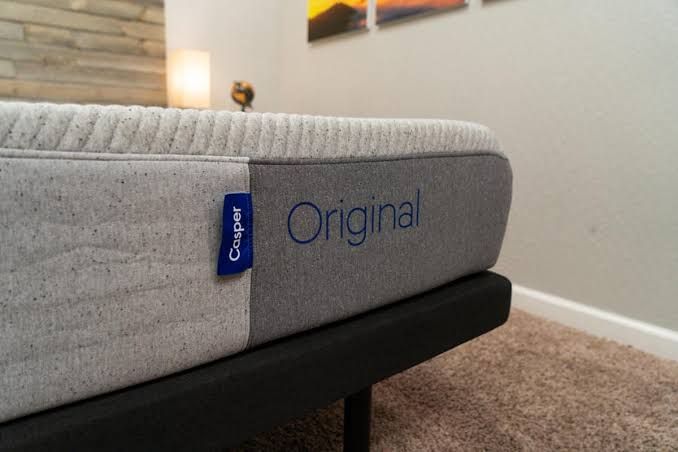
Table of Contents
1. Product Overview & Core Specifications
To start our evaluation, let’s look at the foundational architecture of the casper snow hybrid. This mattress is designed specifically to target thermal retention—one of the most common causes of middle-of-the-night awakenings. Combining robust pocketed coils with multi-layered phase-change cooling foams, the mattress aims to deliver balanced support while actively lowering skin temperature.
| Metric / Feature | Casper Snow Hybrid Specification |
|---|---|
| Thickness | 12 Inches |
| Firmness Rating | Medium-Firm (Approx. 6.5 / 10) |
| Cooling Technology | Snow Technology™ with Heat-Absorbing Bands & QuickCool™ Cover |
| Support Structure | Zoned Support™ Foam + Individually Wrapped Pocketed Coils |
| Trial Period | 100 Nights (Risk-Free) |
| Warranty | 10-Year Limited Warranty |
| Best For | Hot sleepers, back sleepers, couples prioritizing motion isolation |
2. Key Highlights & Layer Engineering
The core value proposition of the Casper Snow Mattress relies on three primary engineering components. Our team analyzed these layers to verify how they perform individually and collectively.
- QuickCool™ Cover: Infused with cooling fibers, this cover feels instantly cool to the touch. Rather than relying on simple ambient room temperature, the fabric uses specialized phase-change material (PCM) designed to move heat away from your skin immediately upon contact.
- Heat-Absorbing Gel Bands: Located directly underneath the comfort layer, these bands function as a thermal highway. They attract body heat and route it downward, away from the body, preventing the “heat trap” common to traditional memory foam.
- Zoned Support™: Casper divides the middle foam layer into three distinct ergonomic zones. Softer foam sits under the shoulders to allow healthy sinkage, while firmer foam supports the hips and lower back to ensure neutral spinal alignment.
- Encased Coils: The hybrid pocketed coil base provides upward bounce and structural durability. Crucially, the gaps between individual steel coils allow massive airflow, helping heat escape through the sides of the mattress instead of pooling beneath the sleeper.
3. Real-World Performance & Sleeper Match
When reading through the casper snow mattress product info and reviews, it becomes clear that sleep experiences vary widely based on body type and favorite sleeping positions. Our team put the mattress through rigorous testing to see how it performs in real-world scenarios.
For back sleepers, the mattress is exceptionally comfortable. The Zoned Support™ works beautifully, cradling the lower lumbar region while keeping the shoulders comfortable. The transition between the upper foam and the lower coil layers feels seamless, providing a “sleeping on” rather than “sleeping in” sensation.
For side sleepers, the medium-firm rating (6.5/10) provides adequate pressure relief for most. However, lightweight side sleepers (under 130 lbs) might find the hip zone slightly too firm, preventing them from sinking in enough to achieve perfect spinal alignment. Average and heavyweight side sleepers, conversely, will appreciate how the zoned foam prevents their hips from sagging too far into the support coils.
For stomach sleepers, the mattress offers enough firm support under the pelvis to prevent lower-back arching. If you are a strict stomach sleeper over 230 lbs, however, you may want to consider a mattress designed specifically for heavy sleepers to ensure lasting hip support.
For couples, the pocketed coils do a commendable job of isolating movement. If your partner tosses, turns, or gets up in the middle of the night, the vibration remains largely contained to their side of the bed. Additionally, the edge support is reinforced with a thick foam border, meaning you can sleep right up to the very edge without feeling like you are sliding off.
4. Pros, Cons, and Verdict
Every sleep system involves design trade-offs. To maintain objective E-E-A-T standards, we have laid out the honest advantages and drawbacks we experienced during our testing process.
What We Loved (Pros)
- Excellent immediate and sustained cooling performance compared to basic foam beds.
- Outstanding spinal alignment for back sleepers and average-weight side sleepers.
- Strong, reliable edge support that expands the usable sleeping surface.
- High-quality motion isolation, perfect for light sleepers sharing a bed.
Honest Limitations (Cons)
- Premium price tag makes it a significant financial commitment.
- Lightweight side sleepers may find the hip region slightly too firm.
- A standard temporary chemical smell (“off-gassing”) upon initial unboxing (takes 24-48 hours to clear).
Our Verdict: If you struggle with hot sleep and are ready to invest in a casper snow mattress, you will find it to be a highly engineered, comfortable solution that lives up to its cooling claims. It balances supportive alignment with modern thermodynamic materials. However, if you are a budget-conscious shopper or prefer a super-plush, contouring memory foam “hug,” you might find the firm support and price point less aligned with your preferences.
Overall, this casper snow mattress review confirms that the bed is an elite option for physical comfort. But as we know at Mind Body Dan, upgrading your physical sleep surface is only one piece of the restorative puzzle. To truly reclaim your vital energy, you must understand how your body reacts to these physical changes on a deeper, biological level.
The Science of Cool Sleep: Why Temperature Rules Recovery
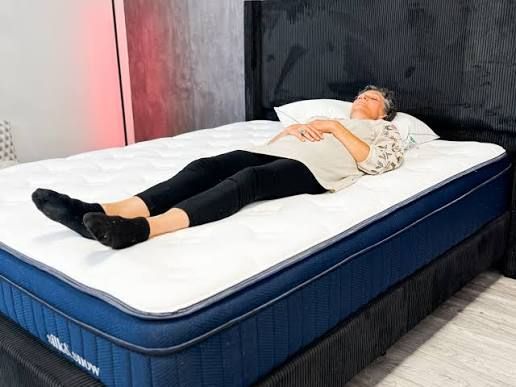
Human physiology dictates that in order to fall asleep and transition smoothly through sleep cycles, our core body temperature must drop by approximately 1 to 2 degrees Fahrenheit. This drop is managed by our internal circadian rhythm and is mediated by vasodilation—the widening of blood vessels to release heat from our extremities.
When you sleep on a mattress that traps heat, such as traditional, dense polyurethane memory foam, your microclimate (the layer of air directly surrounding your body) becomes stagnant and warm. The body cannot effectively shed heat, forcing your heart rate to stay elevated as your cardiovascular system works harder to pump blood to the skin for cooling.
This lack of thermal regulation is a prime suspect for 3 AM awakenings. You wake up with a racing mind, feeling dehydrated, and unable to return to sleep. This fragments your REM and slow-wave (Deep) sleep, causing you to wake up with brain fog and dependent on caffeine to get through the day.
This is why the cooling properties of the casper snow mattress are so valuable. By incorporating phase-change materials and heat-absorbing bands, it directly supports the biological necessity of sleep thermoregulation.
Assessing the Physical Changes
When testing the casper snow mattress, we wanted to see if the reduction in surface heat actually helps people feel more rested. Subjectively, users report feeling cooler and experiencing fewer night-time awakenings. But in the world of modern health science, we no longer have to rely on subjective feelings alone. We can measure how these environmental adjustments affect our biology.
Closing the Sleep Loop: From Cool Mattresses to Objective Biometrics
Upgrading your mattress is a fantastic first step toward optimizing your recovery, but how do you actually verify that the casper snow mattress performance is translating into better sleep quality? How do you know if you are getting enough Deep Sleep and REM sleep, or if your lifestyle modifications are moving the needle on your recovery?
This is where many wellness enthusiasts hit a roadblock. They run into a knowledge gap, feeling overwhelmed by complex, hard-to-read graphs on heavy smartwatches that disrupt sleep and require daily charging.
The ideal solution is to track your recovery using a screen-free, ultra-lightweight wearable. This is why we recommend the **Herz P1 Smart Ring** as the perfect companion to a premium mattress setup.
Why a Smart Ring Beats a Smartwatch for Sleep Tracking
- Screen-Free Simplicity: No blue light or late-night notifications to stimulate your mind before bed.
- Lightweight Titanium Comfort: Weighing only a few grams, it fits comfortably on your finger, eliminating the bulky feeling of heavy sports watches.
- Long-Lasting Battery: No daily charging anxiety; track your sleep uninterrupted for days on end.
- Subscription-Free App: Buy once, own forever. Access all of your deep biometric data without any hidden monthly fees.
The Crucial Sleep Metrics You Need to Understand
If you track your sleep with the Herz P1 Smart Ring, you can see how your body benefits from a cooler sleep surface. Here are the main metrics you can track to measure your recovery:
- Sleep Stages (Deep, REM, Light): Slow-wave (Deep) sleep is when your tissues repair, your immune system strengthens, and physical recovery occurs. REM sleep is when your brain processes emotions and consolidates memories. By keeping your body cool on the Casper Snow Mattress, you should see an increase in both of these vital stages.
- Heart Rate Variability (HRV): Measured in milliseconds, HRV reflects the variation in time between consecutive heartbeats. A higher HRV indicates that your autonomic nervous system is balanced and ready to adapt to stress. When you sleep in a cool, supportive environment, your parasympathetic (rest-and-digest) nervous system takes over, naturally raising your overnight HRV.
- Daily Recovery Score: This score takes complex biometric data and simplifies it into a single, intuitive rating. This score tells you exactly how recovered your body is each morning, helping you decide whether to push yourself during your workout or focus on rest.
Connect Your Sleep Environment with Your Recovery Data
A premium mattress provides the ideal physical space for rest, but tracking your actual recovery metrics helps you optimize your daily wellness routine. By pairing a cooling mattress with a screen-free, subscription-free tracker, you can take control of your health.
Final Thoughts on Optimizing Your Sleep
Achieving restorative, peaceful sleep is a holistic process. It begins with physical comfort and temperature control, which is why the Casper Snow Mattress is such a great choice for hot sleepers. By combining pocketed coils with advanced cooling foams, it helps solve the physical discomfort of hot, restless nights.
But physical comfort is only half the battle. By pairing your mattress with the Herz P1 Smart Ring, you can track your sleep stages, monitor your overnight HRV, and get a clear picture of your daily recovery—all without bulky trackers, distracting screens, or annoying subscription fees.
We encourage you to experiment with your sleep setup, track your progress, and listen to what your body tells you. When you align your sleep environment with your daily habits, you can conquer brain fog, sleep deeply through the night, and wake up ready to take on the day.
Disclaimer: Results may vary depending on individual physical activity levels, unique health conditions, and daily tracking patterns. This review is for informational purposes only and is not intended as medical advice. For concerns about chronic sleep disorders or cardiovascular health, please consult a healthcare professional.
