

5 Best CPAP Hoses and Heated Tubing for Restorative Sleep
Waking up gasping at 3 AM with a wet mask and dry throat ruins your sleep architecture. Studies show sleep apnea dramatically reduces REM and deep sleep stages, leaving you exhausted. While optimizing your setup with the best cpap hoses eliminates rainout, pairing it with the screen-free Herz P1 Smart Ring lets you objectively track your recovery.
Take Back Your Sleep.
Take Back Your Life.
- Fall asleep faster & sleep deeper
- Stop waking up in the middle of the night
- Wake up refreshed & full of energy
Key Highlights
- Eliminate Rainout: Choosing the right heated hose prevents water condensation from disrupting your sleep at 3 AM.
- Improved Compliance: Flexible, lightweight tubing reduces mask pull, making it easier to sleep through the night.
- Universal vs. Proprietary: Learn which hoses offer plug-and-play compatibility with your specific machine.
- Biometric Validation: How to monitor the direct impact of your CPAP therapy using elegant, screen-free tracking.
Table of Contents
How to Choose the Best CPAP Hoses for Deep, Uninterrupted Sleep
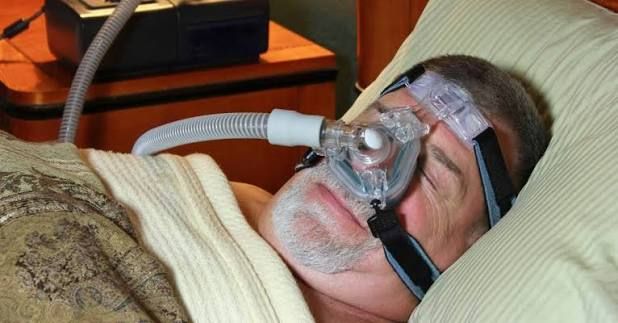
Finding the best cpap hoses involves looking at factors that directly impact your comfort, compliance, and overall sleep quality. When our team at Mind Body Dan evaluated options, we focused on clinical utility and real-world performance. A hose shouldn’t feel like a heavy anchor pulling at your face, nor should it accumulate cold condensation that awakens you with a sudden splash of water.
To help you navigate the crowded market, we established a strict set of evaluation benchmarks:
- Condensation Prevention (Rainout Control): Does the hose utilize internal heating coils or high-grade insulation to keep air warm?
- Flexibility and Weight: Is the tubing light enough to allow movement without breaking the mask seal?
- Connection Integrity: Do the connectors fit securely onto standard 22mm ports without leaks?
- Longevity & Maintenance: How easily can the interior walls be sanitized, and how well does the material resist cracking?
- Biometric Compatibility: How effectively does the setup allow you to sleep naturally so your biometric devices can record accurate sleep stages?
| Product Name | Type | Key Benefit | Best For | Action |
|---|---|---|---|---|
| ResMed ClimateLineAir | Heated Tubing | Auto-climate settings; zero rainout | AirSense 10 & 11 Users | View Details |
| Philips Respironics DreamStation | Heated Tubing | 360-degree swivel connection | Active Side Sleepers | View Details |
| PR System One Heated Hose | Heated Tubing | Copper wire heating core | Legacy PR Machine Users | View Details |
| Universal Standard Tubing | Non-Heated Standard | Ultra-lightweight, high flexibility | Budget & Travel setups | View Details |
| Herz P1 Smart Ring | Biometric Tracker | Tracks HRV, REM/Deep Sleep, and true recovery | Validating CPAP therapy success | Shop Ring |
Detailed Reviews: Best CPAP Hoses & Recovery Companions
Finding the right cpap machine tubing setup requires matching your specific machine with the right physical and temperature characteristics. Below are the top-performing options, complete with an expert analysis of their real-world sleep performance.
1. ResMed ClimateLineAir Heated Tubing
For patients using AirSense 10 or 11 devices, the ResMed ClimateLineAir represents the pinnacle of temperature-controlled engineering. This specialized heated hose for cpap uses an internal temperature sensor to monitor climate levels right up to the mask elbow. It integrates directly with the machine’s climate control algorithm, adjusting humidity levels automatically to prevent condensation from disrupting your sleep.
- Strengths: Complete prevention of rainout; slim 15mm inner diameter reduces bulk; dynamic temperature control.
- Weaknesses: Only compatible with specific ResMed series machines; slightly more expensive than generic tubes.
- Ideal User: AirSense owners seeking a set-it-and-forget-it heated tube that completely stops overnight condensation issues.
2. Philips Respironics DreamStation Heated Tubing
Designed specifically for the DreamStation series, this heated hose excels in its physical connection design. Boasting a robust 360-degree swivel connection at the machine end, it minimizes resistance when you change sleeping positions. This feature prevents the mask from twisting or pulling off your face, keeping your airway safely open throughout the night.
- Strengths: Swivel joint reduces mask drag; maintains constant temperature to eliminate dry throat symptoms.
- Weaknesses: Tailored strictly to Philips DreamStation connection ports; less flexible than non-heated options.
- Ideal User: Side sleepers who move frequently and struggle with mask leaks caused by stiff, standard hoses.
3. PR System One Heated Hose
A reliable classic, the PR System One cpap heated tube uses copper wire elements embedded in the medical-grade plastic walls to distribute heat evenly. It’s a workhorse for older clinical systems, ensuring that air delivered from the humidifier chamber remains at your desired relative humidity without dropping in temperature before it reaches your mask.
- Strengths: Highly durable heating coils; excellent heat retention even in cold bedrooms.
- Weaknesses: Rigid feel; requires manual calibration on some legacy machine menus.
- Ideal User: Sleepers using classic Respironics machines who need heavy-duty insulation against cold winter drafts.
4. Universal Standard CPAP Machine Tubing
For those who do not use heated humidification or want a simple travel alternative, generic standard tubing remains highly practical. Made of lightweight, flexible polymer with standard 22mm rubber cuffs, it fits virtually any machine on the market without requiring proprietary adapters. Because it contains no copper wires, it can be easily coiled tightly into travel bags.
- Strengths: Extremely cheap; universally compatible; ultra-lightweight design minimizes weight on the headgear.
- Weaknesses: Does not prevent rainout; vulnerable to ambient temperature changes.
- Ideal User: Budget-conscious travelers or CPAP users who do not require warm humidification to prevent dryness.
5. The Essential Sleep Companion: Herz P1 Smart Ring
While optimized hoses stabilize the mechanical side of your sleep therapy, how do you know if your body is truly resting? CPAP machines only tell you if you are breathing; they cannot measure if your brain is successfully entering restorative deep and REM sleep stages. The premium Herz P1 Smart Ring fills this gap perfectly.
Crafted from ultra-lightweight, biocompatible titanium, the Herz P1 slips onto your finger without causing the sensory discomfort or bulk of standard smartwatches. It tracks your Heart Rate Variability (HRV), heart rate, and body temperature to deliver an intuitive Daily Recovery Score. Best of all, it operates on a subscription-free model—letting you own your biometric data forever without hidden monthly fees.
- Strengths: Feather-light titanium; completely screen-free to prevent middle-of-the-night blue light disruptions; tracks HRV and REM/Deep sleep stages; no subscription fees.
- Weaknesses: Requires daily wearing (though has excellent multi-day battery life); not designed to diagnose clinical conditions.
- Ideal User: Health-conscious individuals who want to track how well their CPAP therapy translates into autonomic nervous system recovery without wearing clunky, distracting smartwatches to bed.
Why Temperature Control Matters for CPAP Compliance
When warm, humidified air traveling from your CPAP machine hits the cold ambient temperature of your bedroom, the air rapidly cools. This physical cooling forces moisture to fall out of the air and gather inside your tube—a phenomenon called “rainout.” Using a best cpap hoses option with heated elements keeps the air temperature stable, ensuring the moisture remains in vapor form all the way to your lungs.
Comprehensive CPAP Tubing Buying Guide
Before purchasing, verify three technical details to ensure you get a comfortable, reliable night of sleep:
1. Inner Diameter: 15mm vs. 19mm
Most modern machines are designed around slim 15mm hoses. They are far lighter and more flexible, which reduces mask torque when you roll over in bed. Older machines typically use thicker 19mm or 22mm hoses. Make sure your CPAP machine menu is adjusted to the correct hose diameter, as air pressure algorithms change depending on the tube’s thickness.
2. Connection Compatibility
Heated hoses use electrical copper pins at the machine base to draw power. Because every machine brand uses a slightly different electrical connection layout, a ResMed heated tube will not connect to a Philips Respironics machine. Always double-check your machine model before selecting a cpap heated tube.
3. Routine Maintenance
All hoses gather moisture, creating a perfect environment for biological growth. Clean your tubing weekly using warm water and mild, fragrance-free soap. Standard tubes can be submerged fully, but heated tubes require care to keep their electrical connection pins dry during cleaning. Hang the tube over a door or rack to air-dry completely before connecting it back to your device.
The Hidden Struggles of CPAP Therapy: Overcoming Nightly Disruptions
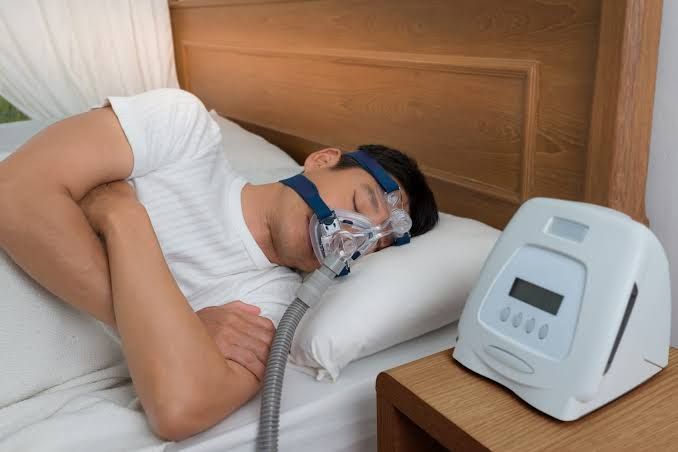
Sleep apnea is far more than a physical breathing condition; it is a mental and physical endurance test. For millions of people, bedtime brings on a wave of quiet anxiety. You lay down, adjust your mask, and try to calm your racing mind, only to wake up in a panic at 3 AM. Sometimes it’s because you are fighting with bulky, rigid cpap machine tubing that restricts your movement, or worse, you wake up gasping because cold condensation has gathered inside your tube and splashed onto your face.
This “rainout” effect is one of the leading reasons people abandon their sleep apnea therapy entirely. They find themselves trapped in a frustrating cycle: they feel exhausted and suffer from brain fog without the machine, but the machine itself causes so many mini-awakenings that they still wake up feeling tired and unrefreshed.
The problem is compounded by a massive gap in how we measure therapy success. Traditional CPAP portals only tell you the basics: how many hours you wore the mask and your average hourly breathing events (AHI). They can’t tell you if you actually spent enough time in REM or Deep sleep, nor can they measure your body’s actual physical recovery.
This is why so many people turn to wearable trackers. However, wearing a standard smartwatch to bed presents its own set of operational issues. They are often bulky, heavy, and uncomfortable to wear alongside a CPAP headgear strap. They constantly flash bright screens when you toss and turn, which can wake you up and disrupt your sleep even further. Plus, having to charge them every single day is a constant hassle.
Beyond the Hose: Measuring True Sleep Recovery with Screen-Free Technology

True health optimization requires looking at objective biometric markers. To find out if upgrading to a high-quality cpap heated tube is actually improving your rest, you need to monitor how your autonomic nervous system responds during the night. The most reliable way to do this is by tracking your Heart Rate Variability (HRV).
HRV measures the small variations in milliseconds between your consecutive heartbeats. This metric acts as a direct window into your autonomic nervous system:
- High HRV Trends: Indicate that your parasympathetic nervous system (the “rest-and-digest” branch) is in control, meaning your body is actively recovering and handling stress well.
- Low HRV Trends: Signal that your body is locked in a sympathetic “fight-or-flight” state. For sleep apnea patients, this often happens when frequent breathing drops or micro-awakenings trigger adrenaline spikes during the night.
Ditch the Screens. Focus on Raw Recovery.
The easiest way to reclaim your restful sleep is to remove screen-based distractions from your bedroom entirely. By switching to an ultra-lightweight, screen-free titanium ring, you can track your sleep stages and heart rate variability with zero distractions.
By tracking your sleep stages, you can easily see if your CPAP therapy is helping your brain reach the deeper, restorative levels of sleep. Deep sleep is when your body repairs physical tissue and strengthens your immune system, while REM sleep is crucial for clearing out cognitive fog and consolidating your memory. If you aren’t spending enough time in these vital stages, you will still wake up feeling sluggish—even if your CPAP machine says you used it for a full eight hours.
The Herz P1 Smart Ring makes tracking these metrics simple and accessible. Slipping it onto your finger is incredibly easy, and it works quietly in the background without any screens, flashing lights, or buttons. By moving sleep tracking to a light, elegant titanium ring, you can optimize your sleep setup and start taking charge of your overall physical recovery.
Final Recommendation Summary
- Best for AirSense Users: Choose the ResMed ClimateLineAir Heated Tubing to completely eliminate condensation issues.
- Best for Budget & Travel: Opt for the Universal Standard CPAP Tubing for a highly flexible, lightweight, and travel-friendly setup.
- Best for True Sleep Insights: Pair your therapy with the Herz P1 Smart Ring to track HRV, deep sleep stages, and daily recovery trends without any monthly fees.
Disclaimer: Results may vary depending on individual physical activity levels, unique health conditions, and daily tracking patterns. The content on Mind Body Dan is for informational purposes only and should not be used as a substitute for professional medical advice, diagnosis, or treatment of sleep apnea or any other medical condition.
