

Is Lucid Dreaming Dangerous? Risks of Dream Control Explained
Many wonder, is lucid dreaming dangerous to your mental health and nightly recovery? While exploring dream control is fascinating, it often causes a racing mind and non-restorative sleep by disrupting your deepest sleep stages. Tracking these disruptions without screen distractions using the subscription-free Herz P1 Smart Ring is the key to reclaiming your energy.
Take Back Your Sleep.
Take Back Your Life.
- Fall asleep faster & sleep deeper
- Stop waking up in the middle of the night
- Wake up refreshed & full of energy
- The Reality of Sleep Fragmentation: Forcing active consciousness during dreaming can cause frequent micro-arousals and reduce your restorative deep sleep.
- Who Is Most Vulnerable: Individuals dealing with chronic stress, anxiety, or 3 AM awakenings should avoid aggressive dream-control techniques.
- A Science-Backed Recovery Metric: Monitoring physiological markers like heart rate variability (HRV) helps confirm if your nightly adventures are harming your daytime vitality.
- Elegant, Screen-Free Monitoring: Devices like the Herz P1 Smart Ring provide actionable data without the light emission or bulky feel of traditional smartwatches.
The Truth Behind Dream Control: Is Lucid Dreaming Dangerous?

Quick Answer: No, lucid dreaming is not inherently dangerous for the majority of healthy adults, but it does carry distinct cognitive risks. The short answer is that while the phenomenon is medically recognized, deliberately forcing your brain to remain conscious during REM sleep can trigger sleep fragmentation, worsen anxiety, and result in persistent brain fog. To choose the right approach to sleep, you must understand how dream control impacts your overall sleep quality and physical recovery trends.
We often encounter individuals who have spent weeks practicing reality checks, waking themselves up in the middle of the night, and attempting to command their dreams. Yet, they find themselves waking up with an intense, heavy feeling of physical exhaustion. They feel incredibly stressed but cannot pinpoint why, despite seemingly “sleeping” for eight full hours. The truth lies within the neurobiology of the dreaming brain.
When you ask, is lucid dreaming dangerous, we have to look closely at what is happening inside your skull. During a normal Rapid Eye Movement (REM) sleep cycle, your prefrontal cortex—the part of the brain responsible for logic, decision-making, and self-awareness—is largely deactivated. This allows your subconscious to process emotional memories and integrate daily learnings without your conscious ego interfering.
When you force lucidity, you actively reboot this prefrontal executive network while your body remains paralyzed in REM sleep. This high-level metabolic activation means your brain isn’t getting the psychological rest it craves. For many, this constant mental exertion converts a sacred period of recovery into a playground of active cognitive labor, leading directly to a pattern of non-restorative sleep.
— Team Mind Body Dan
When to Avoid Lucid Dreaming Techniques
Because dream manipulation requires high neurological activity, certain individuals should avoid induction protocols altogether. If you fit into any of the following categories, focusing on deep rest and traditional sleep hygiene habits is much safer and highly recommended:
- Those Experiencing Chronic 3 AM Awakenings: Wake-Back-To-Bed (WBTB) protocols require you to set alarms to wake yourself up after five hours of sleep. If you already struggle with fragmented sleep, this will severely compound your sleep deficit.
- People with High Levels of Daytime Anxiety: Forcing self-awareness during dreams can sometimes trigger frightening experiences like sleep paralysis, which can aggravate panic and stress.
- Individuals Facing Severe Brain Fog: If your daily energy is already depleted, your brain desperately needs to prioritize deep, uninterrupted slow-wave sleep over REM-stage mental gymnastics.
A Gentle, Screen-Free Path to Monitoring Dream Impacts
If you are exploring your sleep habits and want to see how they affect your recovery, you need objective data. But checking your sleep metrics on a bright, glowing smartwatch screen in the middle of the night defeats the purpose—the blue light instantly signals your brain to stop producing melatonin, ruining your natural circadian rhythm.
This is where the Herz P1 Smart Ring shines. Made from ultra-lightweight, medical-grade titanium, this screen-free ring slides onto your finger and quietly monitors your body’s biometric signals without a single buzzing notification or glowing screen. It uses advanced optical sensors to map your Sleep Stages (REM, Deep, and Light) and measures changes in your Autonomic Nervous System through HRV.
Best of all, there are absolutely no hidden subscription fees. You buy the ring once, and you own your health data forever. By checking your daily recovery score in the morning, you can easily see whether your nightly dream practices are supporting your body or draining your mental reserves.
Quick FAQ: Crucial Questions About Dream Control
Is lucid dreaming real?
Yes, lucid dreaming is absolutely real and has been validated in numerous sleep laboratories worldwide. By tracking eye-movement signals during active REM sleep, researchers have proven that dreamers can become fully aware of their dreaming state while remaining physiologically asleep.
Is it dangerous to lucid dream if you are under extreme stress?
Yes, it can be counterproductive. When you are highly stressed, your sympathetic nervous system is already overactive. Attempting complex dream-induction exercises can increase overnight stress hormones, leading to rapid heart rate and frequent awakenings.
Can lucid dreaming cause mental health issues?
While it does not directly cause psychiatric illnesses, certain techniques that require sleep disruption can blur the boundary between waking reality and the dream world, particularly for those already prone to dissociation or severe sleep deprivation.
How do I know if dream control is ruining my rest?
If you wake up feeling physically sore, mentally sluggish, or find yourself struggling with intense daytime brain fog despite spending plenty of time in bed, your dream control attempts are likely causing sleep fragmentation.
Lucid Dreaming and Sleep Quality: Why Science Questions the Practice

To understand the physiological tension that occurs when trying to control your dreams, we have to look at how lucid dreaming and sleep physiology interact. Normal, healthy sleep relies on a delicate balance between the parasympathetic nervous system (responsible for rest and digestion) and the sympathetic nervous system (responsible for active focus and survival).
When you are asleep, your parasympathetic system should be dominant. This dominance is reflected in high heart rate variability (HRV), indicating that your body is in a relaxed, highly adaptable state. High HRV during sleep points to excellent recovery, while a low overnight HRV suggests your nervous system is struggling to recover from stress.
Active Mind vs. Passive Recovery
When you actively control your dream world, your brain processes information much like it does when you are awake. This mental activity can trigger a mild fight-or-flight response, causing your heart rate to rise and your HRV to drop.
| Sleep Metric | Natural REM Sleep | Lucid/Controlled REM |
|---|---|---|
| Prefrontal Cortex Activity | Low (Deactivated) | High (Rebooted) |
| Heart Rate Variability (HRV) | High / Optimal Recovery | Lower / Suppressed |
| Cognitive Processing State | Passive consolidation | Active problem-solving |
This table illustrates why so many people feel exhausted after trying to control their dreams. When you force yourself into lucidity, you essentially pull your brain out of its natural, passive restorative state. Instead of consolidating memories and cleaning out metabolic waste, your brain is actively working. This is why many people wonder, is it dangerous to lucid dream night after night? Over time, this extra mental work can build up a cognitive debt, leaving you with lingering brain fog and morning fatigue.
Furthermore, many popular methods for inducing lucid dreams require you to purposely disrupt your sleep cycles. For example, the MILD (Mnemonic Induction of Lucid Dreams) and WILD (Wake-Initiated Lucid Dreams) techniques often involve waking up at 3 AM to perform mental exercises before going back to sleep.
While this might increase your chances of becoming lucid, it also fragments your sleep cycles. This fragmentation disrupts the transition between light, deep, and REM sleep, making it difficult to get the deep, restorative rest your body needs to feel truly recharged.
If you suspect your dream practices are hurting your sleep quality, keeping an eye on your nightly sleep stages and HRV is incredibly helpful. Using a screen-free device like the Herz P1 Smart Ring lets you monitor these shifts quietly. You can track your trends without the temptation to look at a bright screen, helping you keep your sleep environment calm and supportive of natural recovery.
Balancing Exploration with Restorative Sleep: How to Protect Your Mind
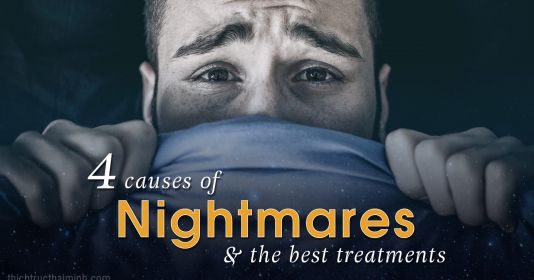
Exploring the rich landscape of your subconscious mind is a beautiful and worthwhile journey, but it should never come at the expense of your physical health. If you are experiencing frequent nightmare episodes and are looking into what causes nightmares, you might have turned to lucid dreaming as a way to defend yourself and take control of your dreams.
While this approach can sometimes help with chronic nightmares, using dream control too often can backfire, leading to a state of hyper-arousal that actually makes it harder to get peaceful rest.
To safely explore your dream world without harming your sleep quality, we suggest focusing on these balanced, restorative practices:
- Keep a Passive Dream Journal: Instead of trying to force control over your dreams while you are asleep, write down what you remember immediately after waking up. This helps you build dream recall and self-awareness safely, without disrupting your sleep cycles.
- Prioritize Natural Circadian Alignment: Keep a consistent sleep schedule by going to bed and waking up at the same time every day. This supports your natural sleep architecture and helps you get a healthy balance of deep and REM sleep.
- Build a Screen-Free Evening Routine: Avoid bright screens for at least an hour before bed. Cutting down on screen time before bed protects your body’s natural melatonin production, helping you fall asleep easily and drift into peaceful, uninterrupted dreams.
- Learn Your Recovery Score: Use objective sleep and recovery data to guide your habits. If your metrics show that your body is fully recovered, you can feel comfortable exploring light dream work. However, if your recovery scores are low, focus purely on rest.
For those prone to sleep paralysis, forced lucidity can sometimes trigger terrifying sensations of feeling trapped or unable to move. If you are familiar with sleep paralysis, you know how unsettling it can be.
By shifting your focus from actively controlling your dreams to supporting your body’s natural sleep rhythms, you can reduce the frequency of these episodes and enjoy a more secure, restful night.
Ultimately, the key to healthy dreaming is listening to your body. Real recovery is quiet, natural, and uninterrupted. If your dream exploration is leaving you feeling exhausted and drained, your body is telling you to step back and prioritize simple, restful sleep.
With an elegant, screen-free wearable like the Herz P1 Smart Ring, you can easily track these changes over time. Made of durable, lightweight titanium with a comfortable, sleek design, it fits seamlessly into your night without any glowing screens or annoying vibrations.
By monitoring your sleep stages, HRV, and overall recovery trends subscription-free, you can find the perfect balance between understanding your mind and giving your body the deep, restorative rest it needs to help you thrive every day.
Disclaimer: Results may vary depending on individual physical activity levels, unique health conditions, and daily tracking patterns. The insights provided in this article are for informational and educational purposes only and are not intended to serve as professional medical advice, diagnosis, or treatment. Always consult with a qualified healthcare provider regarding any concerns you may have about your sleep architecture or overall mental well-being.
