

Can Lack of Sleep Cause Heart Palpitations? How Sleep Affects Heart
Have you ever woken up at 3 AM with a racing mind and a fluttering chest? It is a terrifying experience. Understanding how sleep affects heart health is crucial when dealing with these sudden, unsettling sensations. Let’s explore the science-backed links between sleep deprivation, cardiovascular stress, and how screen-free tracking with the Herz P1 Smart Ring provides actionable recovery insights.
Take Back Your Sleep.
Take Back Your Life.
- Fall asleep faster & sleep deeper
- Stop waking up in the middle of the night
- Wake up refreshed & full of energy
Key Highlights
- Discover the scientific truth of sleep deprivation and cardiac health and how lack of rest causes physical strain.
- Learn why physical stress and systemic sleep loss trigger a “fight-or-flight” response, resulting in heart flutters.
- Recognize early red flags like chest tightness and understand when symptoms warrant professional medical attention.
- Explore how a screen-free, subscription-free health tracker can help you monitor trends and lower stress without screen addiction.
The Direct Connection: Can Lack of Sleep Cause Heart Palpitations and Chest Pain?

Quick Answer
Yes, absolutely. The short answer is that sleep deprivation forces your body to run on stress hormones like cortisol and adrenaline, which directly elevate your heart rate and cause vascular tension. However, to choose the right way to manage this, you need to understand how sleep affects heart health over time, distinguishing between benign sleep-induced fatigue and deeper cardiovascular warning signs.
Detailed Explanation
When you suffer from chronic insomnia or wake up during the dreaded 3 AM awakenings, your sympathetic nervous system is thrown into overdrive. Our team knows how unsettling it is to feel your heart pounding against your ribs while lying awake in the dark. This physical sensation is not just in your head. Research on the connection between sleep and your heart demonstrates that a single night of sleep deprivation can elevate resting blood pressure and increase the frequency of premature ventricular contractions (PVCs), which we perceive as heart palpitations.
Furthermore, can lack of sleep cause heart palpitations during your workday? Yes. When you skip vital sleep, your body fails to perform its nightly vascular reset. During deep, non-rapid eye movement (NREM) sleep, your blood pressure naturally drops in a process called “dipping.” Without this recovery window, persistent systemic adrenaline causes your blood vessels to constrict, putting you at risk of experiencing mild, tension-related chest tightness. This physical strain, combined with the anxiety of feeling exhausted, creates a feedback loop: worry worsens the palpitations, and the palpitations make it harder to sleep.
So, can lack of sleep cause chest pain that feels like a physical squeeze? While muscle tension from sleeping poorly or hyperventilating due to stress is common, severe or radiating chest pain must never be ignored. If you are experiencing lack of sleep heart palpitations alongside shortness of breath or dizziness, it is a sign that your autonomic nervous system is severely depleted, or that an underlying issue needs professional care.
When to Worry vs. When It’s Overstimulation
It is crucial to learn how to self-identify your body’s actual physiological needs:
- When it is likely overstimulation: Your flutters occur primarily when you sit down after a stressful day, are accompanied by a racing mind, and disappear when you practice slow, deep breathing. This points to high sympathetic tone and a deep need for a restorative sleep guide.
- When to seek immediate care: The chest pain is sharp, radiating down your left arm, throat, or back, and is accompanied by cold sweats, fainting, or extreme shortness of breath. These are emergency medical signs unrelated to simple fatigue.
Recognizing Somatic Panic
When we are sleep-deprived, our brain’s emotional center (the amygdala) becomes hyperactive. This causes “somatic hyper-vigilance,” where you become acutely aware of normal bodily functions. A slightly faster heartbeat is suddenly perceived as a life-threatening flutter, which spikes your adrenaline further, worsening the cycle.
A Screen-Free, Elegant Solution
At Mind Body Dan, we believe the solution to health anxiety is not more screen time. Traditional smartwatches can trigger “orthosomnia”—an unhealthy obsession with achieving perfect sleep scores, often fueled by bright screen notifications flashing on your wrist at 2 AM. This is why we recommend screen-free biometric tracking.
The Herz P1 Smart Ring is designed specifically for those who want to understand how sleep affects heart recovery without the distraction of a screen. Crafted from ultra-lightweight titanium, it monitors your Sleep Stages (REM, Deep, Light) and your Heart Rate Variability (HRV) quietly from your finger. There are no flashing screens to wake you up at night, no bulky plastic casing, and absolutely no monthly subscription fees. You buy it once, own your data forever, and get simple, actionable recovery insights every morning.
First Section FAQs
Q: Can sleep deprivation cause heart palpitations even if I don’t feel anxious?
Yes. Even if your mind feels calm, physiological sleep deprivation acts as a chemical stressor, forcing your adrenal glands to secrete cortisol. This autonomic imbalance can trigger flutters without any conscious psychological anxiety.
Q: Why do my chest flutters seem worse when I lay down to sleep?
When you lie down, distractions fade, and your heart has to work against gravity differently to distribute blood. This physical position, combined with somatic focus, makes you highly sensitive to changes in your heart rate.
Q: How does tracking HRV help with heart palpitations?
Heart Rate Variability (HRV) measures the variation in time between consecutive heartbeats. A low HRV indicates your nervous system is trapped in a stressed, sympathetic state. Tracking this metric helps you visualize how sleep affects heart recovery, allowing you to modify your workouts and evening routines accordingly.
The Deep Science: How Sleep Affects Heart Health and Cardiovascular Strain

To understand the biological cost of tossing and turning, we have to look closely at the cardiovascular system. Your heart is not a simple mechanical pump; it is an incredibly sensitive organ that responds instantly to neural signals, hormonal changes, and inflammatory shifts. When studying cardiovascular strain from sleep loss, we find that sleep plays a vital role in regulating your entire autonomic nervous system.
Autonomic Dysregulation and Hormone Surges
Under normal circumstances, your body transitions into parasympathetic dominance (commonly referred to as the “rest and digest” state) as you fall asleep. During this phase, your heart rate slows, your blood pressure drops, and your muscle tissue undergoes vital repair. This nocturnal dip acts as a critical recovery window for your arteries.
However, when you experience a lack of restful sleep, this parasympathetic transition never fully occurs. Instead, your sympathetic nervous system remains highly active throughout the night. This is why can sleep deprivation cause heart palpitations is a question with a clear biological “yes.” The continuous release of cortisol and adrenaline forces your pacemaker cells (the SA node in your heart) to fire rapidly and erratically, leading to those uncomfortable jumps and pauses in your chest. Over time, these persistent hormone surges can lead to the chronic effects of poor sleep on blood pressure, stiffening your arteries and straining your heart muscle.
How Sleep Stages Influence Heart Rate and Recovery
Not all sleep is created equal. Your sleep is divided into distinct cycles containing light sleep, deep sleep, and REM (Rapid Eye Movement) sleep. Each stage plays a different role in cardiovascular maintenance:
- Deep Sleep (NREM Stage 3): This is the golden window for cardiac recovery. During deep sleep, your heart rate reaches its lowest daily rate, and growth hormones are released to heal micro-tears in blood vessels. Recognizing the role of deep sleep in recovery is essential for anyone experiencing chest tension or heart flutters.
- REM Sleep: During REM, your brain is highly active, dreaming occurs, and your heart rate and blood pressure can fluctuate wildly. If your sleep is constantly fragmented, you may experience frequent transitions into REM that trigger sudden, racing heartbeats.
Without adequate deep sleep, your body cannot manage daily stress, causing your resting heart rate to remain elevated the next day. This constant physiological demand is why many individuals complain of mental fog, severe exhaustion, and a heavy feeling in their chest after a night of poor rest.
How HRV Reveals Your Real Cardiovascular Recovery
Heart Rate Variability (HRV) is the ultimate metric for measuring stress. A high HRV means your nervous system is resilient and adaptable. A low HRV indicates that your body is locked in stress mode. By tracking these patterns quietly with a comfortable smart ring, you can easily identify exactly when your cardiovascular system is recovered and when it needs rest.
Translating Biometrics with the Herz P1 Smart Ring
If you want to track these complex cardiovascular shifts, you don’t need a bulky smartwatch. Many people find smartwatches too heavy to wear comfortably to bed, and the constant battery charging is highly inconvenient. This is where the Herz P1 Smart Ring excels. Its medical-grade sensors sit securely on the underside of your finger, capturing detailed heart rate, HRV, and sleep phase data throughout the night.
Instead of overwhelming you with complex graphs that increase your anxiety, the ring’s software processes these metrics into a simple, daily Recovery Score. You will know exactly how your sleep quality is affecting your cardiovascular health, giving you the power to make data-informed lifestyle choices without subscription fatigue or blue-light disruptions before bed.
Practical Steps to Reclaim Your Rest and Protect Your Heart
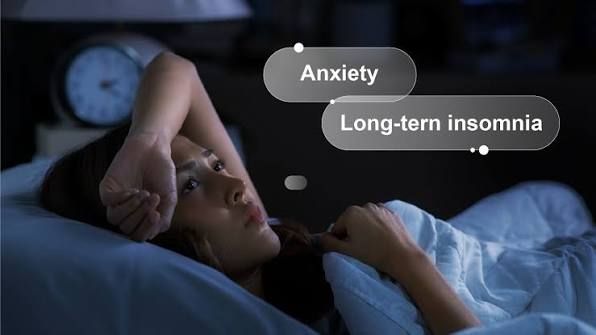
If you are tired of waking up with a racing heart and feeling exhausted every afternoon, it is time to take action. Understanding heart health and sleep science is the first step, but applying this knowledge practically is what will help you reclaim your energy and calm your nervous system.
1. Establish a Screen-Free Wind-Down Routine
Your brain needs a clear signal that it is safe to transition into sleep. Looking at a bright phone or watch screen before bed suppresses melatonin production and stimulates your nervous system, keeping your heart rate elevated. Try leaving your phone in another room at least one hour before bed. Instead, read a book, practice light stretching, or journal to empty your mind of the day’s stress.
2. Reduce Stimulants and Regulate Your Habits
When you are exhausted, it is incredibly tempting to reach for an extra cup of coffee or a sugary snack in the afternoon. However, this dependency on caffeine only fuels can lack of sleep cause heart palpitations later that night. Try to limit caffeine consumption to before 12 PM, and avoid heavy, high-sodium meals close to bedtime, as they force your digestive system to work overtime, raising your resting heart rate and disrupting your sleep.
3. Track Your Progress Empathetically
Biometric tracking is an incredibly powerful tool, but only if it serves your peace of mind. Using an elegant, screen-free wearable like the Herz P1 Smart Ring allows you to monitor your health trends without the distraction of push notifications. Seeing your morning Recovery Score improve as you adjust your sleep habits provides objective proof that your cardiovascular strain is decreasing, helping quiet the health anxiety that often triggers heart palpitations in the first place.
When to See a Healthcare Professional
While establishing healthy sleep habits and tracking your recovery with the Herz P1 Smart Ring can significantly support your wellness journey, we must emphasize that biometric trackers are designed to monitor trends, not to diagnose medical conditions. If your palpitations are persistent, occur during light physical activity, or are accompanied by shortness of breath and dizzy spells, please consult a qualified healthcare professional. They can perform an ECG or a formal sleep study to ensure your heart is fully protected.
Disclaimer: Results may vary depending on individual physical activity levels, unique health conditions, and daily tracking patterns. The information provided in this article is for educational purposes only and is not intended to substitute for professional medical advice, diagnosis, or treatment. Always consult your doctor or a qualified healthcare provider regarding any cardiac symptoms or changes in your sleep wellness.
