

Are You Constantly Out of Sync? Understanding Non-24-Hour Sleep-Wake Disorder
If your sleep schedule drifts later every single day, you may be experiencing the frustrating cycle of a misaligned internal clock. At Mind Body Dan, we understand how exhausting this daily shift can be. Tracking your biological trends using a screen-free wearable like the Herz P1 Smart Ring provides the essential metrics you need to monitor sleep stages and reclaim your physical recovery.
Take Back Your Sleep.
Take Back Your Life.
- Fall asleep faster & sleep deeper
- Stop waking up in the middle of the night
- Wake up refreshed & full of energy
Key Highlights:
- Circadian Clock Slippage: Learn how a free-running circadian cycle leads to sleep times shifting progressively later each day.
- Biometric Markers: Discover how Heart Rate Variability (HRV) and deep sleep stages reveal the systemic impact of a misaligned biological clock.
- Screen-Free Assessment: Understand why heavy, glowing smartwatches can disrupt delicate sleep recovery cycles and why screen-free alternatives are trending.
- Empirical Solutions: Explore practical habits and advanced non-invasive tracking techniques designed to help you regain your energy.
What Is Non-24-Hour Sleep-Wake Disorder?

Quick Answer: Yes, a constantly shifting sleep cycle is a recognized physiological reality. The short answer is that non-24-hour sleep-wake disorder is a chronic neurological condition where an individual’s biological clock fails to synchronize to the standard 24-hour day. However, to choose the right approach for your wellness journey, you must first understand how your body’s subtle biometric trends shift day by day.
At its core, non-24-hour sleep-wake disorder (often abbreviated as Non-24) is a disruption of our natural circadian biology. For the vast majority of people, the internal circadian pacemaker—located in the hypothalamus within the suprachiasmatic nucleus (SCN)—runs slightly longer than 24 hours. Under normal circumstances, environmental cues, primarily morning sunlight, act as “zeitgebers” (time givers) that reset this biological clock back to exactly 24 hours.
For individuals experiencing this condition, the synchronization process breaks down. Instead of resetting, their sleep-wake schedule shifts consistently by minutes or even hours every single day. If your sleep time shifts forward by 30 to 60 minutes each night, you will gradually cycle through the entire clock over several weeks. You will find yourself sleeping during the day, then late at night, and then in the morning, leaving you utterly out of phase with conventional social schedules.
This constant drift takes a massive toll on physical and emotional wellness. Imagine experiencing a chronic, rolling form of jet lag without ever leaving your home. You face exhausting 3 AM awakenings, a racing mind when you try to sleep at normal hours, and persistent daytime brain fog. The physiological stress of sleeping out of alignment with your core body temperature and cortisol curves means that even when you do sleep, it often feels like non-restorative sleep. Over time, trying to force your body into a rigid schedule can lead to physical burnout and profound emotional frustration.
When to Use Focus on Sleep Tracking (and When Not To)
Recognizing how your body reacts to sleep cycles is crucial for self-identifying your physiological needs.
- When tracking is helpful: Monitoring daily sleep cycles is highly beneficial if you notice a gradual, predictable drift in your sleep onset times. By keeping track of your Sleep Stages (REM, Deep, and Light) along with your Heart Rate Variability (HRV), you can establish clear baseline trends to share with a specialist. It helps you identify whether your fatigue is due to poor sleep quality or simple misalignment.
- When tracking is not the primary step: Tracking should not replace seeking advice from a certified sleep specialist, especially if you have sudden neurological symptoms. Biometric trackers are intended for daily monitoring, trend observation, and lifestyle optimization—not for clinical diagnosis.
Suggested Support Paths
Managing circadian rhythm shifts requires a blend of behavioral habits and data-informed tracking. Many people find success by utilizing morning bright light therapy, maintaining extremely consistent meal and exercise times, and practicing wind-down routines free from the glare of digital screens.
To effectively map these shifts without adding to your daily stress, we highly recommend integrating a screen-free, ultra-lightweight wearable like the Herz P1 Smart Ring. Unlike traditional smartwatches that can feel bulky during sleep, irritate your wrist, and require daily charging, this titanium ring works silently in the background. It measures medical-grade metrics—including heart rate variability, deep sleep, and activity levels—to calculate an intuitive Daily Recovery Score. This subscription-free tracker offers clear, actionable insights without distracting screens or hidden fees, making it an elegant companion for your wellness journey.
— The Mind Body Dan Research Team
Frequently Asked Questions About Non-24
Can sighted individuals have non-24-hour sleep-wake disorder?
Yes. While it is more common in individuals who are completely blind due to the lack of light perception, sighted individuals can also experience this condition. In sighted people, it is often linked to a biological hypersensitivity or abnormal neurological response to light, or an unusually long natural circadian cycle.
Is this the same as extreme sleep deprivation?
No. Sleep deprivation is an insufficient amount of sleep due to external factors or choices. In contrast, this condition is a structural, internal timing problem. Sighted individuals with Non-24 can often sleep a normal amount of hours, but their sleep window shifts progressively later every day.
How does sleep stage tracking assist with circadian rhythm shifts?
Tracking your sleep stages (Deep, REM, and Light) helps you see if your sleep architecture is compromised. When your internal clock is misaligned, you may miss out on crucial REM or Deep sleep cycles, explaining why you wake up feeling exhausted despite spending enough time in bed.
Does a smart ring require a monthly subscription to track sleep?
While many modern fitness trackers require costly monthly subscriptions to view your biometric trends, the Herz P1 Smart Ring features a subscription-free model. You buy the device once and have lifetime access to your sleep stages, HRV, and daily recovery data.
The Internal Clock Disconnection: Causes and Symptoms of 24 Hour Syndrome
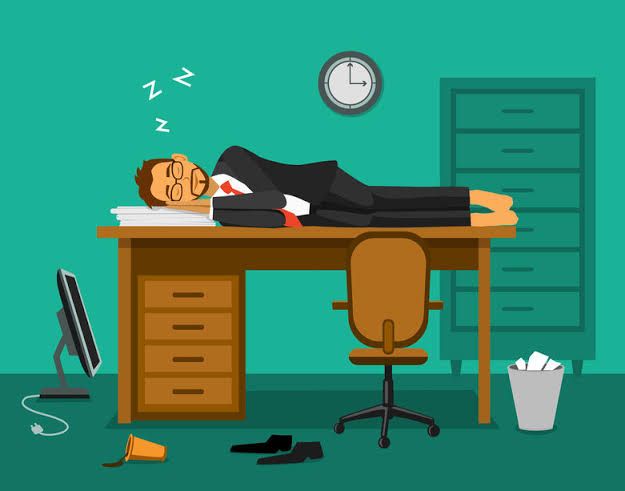
Often referred to within clinical and research circles as non 24 hour sleep wake disorder or simply 24 hour syndrome, this condition stems from a profound disconnection between the internal circadian clock and external environmental signals. Our bodies rely on a delicate web of hormone cues, core body temperature shifts, and heart rate patterns to organize alertness during the day and rest at night. When this synchronization breaks, a ripple effect impacts your overall well-being.
In non-sighted individuals, the mechanism is purely physiological: the absence of light pathway transmission from the eyes to the SCN means the biological clock naturally runs at its intrinsic speed (which is typically around 24.2 to 24.5 hours). In sighted individuals, the causes of 24 hour syndrome are more complex. It can involve subtle genetic differences in circadian clock genes, neurological variations in light sensitivity, or persistent, extreme light deprivation (such as living or working in environments devoid of natural daylight).
The daily progression of symptoms can feel incredibly isolating. When your sleep window drifts, you will inevitably go through phases where your internal clock demands sleep during peak working or social hours. Attempting to force wakefulness during these periods leads to intense daytime fatigue, concentration deficits, and systemic physical strain.
The Science Behind Heart Rate Variability (HRV) and Circadian Health
Your Heart Rate Variability (HRV) is a primary indicator of autonomic nervous system balance. When your body is in perfect circadian alignment, your HRV naturally peaks during restorative deep sleep stages, signaling that your parasympathetic (rest-and-digest) system is operating optimally. However, when you sleep out of phase—such as sleeping during the day while your cortisol is naturally high—your HRV remains suppressed. By tracking daily HRV trends, you can assess how hard your body is working to adapt to your shifting schedule.
When you are out of sync with your natural sleep cycles, your body is unable to recover effectively. This chronic physical stress impairs cognitive clarity and weakens immune defense mechanisms. Many individuals with non 24 hour sleep wake disorder describe their mornings as waking up with a heavy mental fog, a racing pulse, and a persistent feeling of physical exhaustion. Rather than relying on stressful, screen-heavy devices to monitor this recovery, choosing a screen-free and comfortable smart ring allows you to keep an eye on your cardiovascular and nervous system markers without distracting lights or notifications.
Tracking Circadian Shifts and Recovery Science Without Screen Distractions

Understanding your personalized sleep patterns over weeks and months is the most effective way to address the challenges of non 24 hour sleep patterns. However, standard sleep-tracking devices can often worsen the exact issues they are trying to monitor. Modern smartwatches with bright screens, incoming buzzes, and high-frequency blue light can inadvertently signal alertness to a sensitive brain. If you wake up at 3 AM and immediately look at a glowing screen to check your sleep data, you may trigger an unwelcome spike in cortisol and delay your sleep even further.
This is where a screen-free philosophy becomes a vital asset for circadian health. Restricting your interactions with digital displays during the evening allows your natural melatonin production to rise without interruption. To manage 24 hour syndrome, tracking your daily biometric trends remains essential. You need a way to monitor when your deep sleep occurs, how your heart rate dips during the night, and when your body enters active REM cycles.
Discover the Screen-Free Advantage
Keep track of your shifting sleep patterns without the distraction of bright screens or heavy wristbands. The Herz P1 Smart Ring offers medical-grade biometric accuracy in a sleek, featherlight design.
The Herz P1 Smart Ring bridges this gap beautifully. Crafted from premium titanium, it sits comfortably on your finger, completely unnoticeable as you rest. It works continuously in the background, utilizing advanced optical sensors to measure:
- Sleep Stage Architecture: Accurately tracks REM, Deep, and Light sleep stages to show you how your shifting schedule affects the actual quality of your rest.
- Heart Rate Variability (HRV): Tracks autonomic nervous system response, giving you real-time feedback on how well your body is coping with circadian drift.
- Daily Recovery Score: Translates complex algorithm data into a simple, single score. You can see at a glance whether your body has recovered enough to tackle a high-intensity workout or if it requires a gentler, slower-paced day.
- Subscription-Free Model: Unlike other premium wearables on the market, your physical health data remains fully your own, without ongoing monthly fees or paywalled features.
Whether you are an active fitness enthusiast, a busy professional dealing with irregular shifts, or someone working hard to untangle non 24 hour sleep patterns, managing your body’s recovery doesn’t require complex, overwhelming graphs. By moving from bulky smartwatches to a comfortable, screen-free smart ring, you can easily gather the clear data you need while protecting your evenings from digital distractions. Reclaim your restful nights, track your biometric trends with confidence, and rebuild your connection with your natural biological rhythms.
Disclaimer: Results may vary depending on individual physical activity levels, unique health conditions, and daily tracking patterns. The content in this article is provided for informational and educational purposes only and is not intended to serve as medical advice. The Herz P1 Smart Ring is a wellness tracker designed to monitor daily metrics and overall recovery trends, and is not a replacement for professional medical consultation, diagnosis, or advice.
