

What is Hypopnea, and How Can Monitoring Your Sleep Help You Reclaim Your Energy?
Do you wake up exhausted despite spending eight hours in bed? You might be experiencing silent sleep hypopnea—shallow breathing that quietly fragments your sleep. By tracking overnight biometrics with a comfortable, screen-free wearable like the Herz P1 Smart Ring, you can pinpoint the recovery trends behind your morning fatigue.
Take Back Your Sleep.
Take Back Your Life.
- Fall asleep faster & sleep deeper
- Stop waking up in the middle of the night
- Wake up refreshed & full of energy
Key Article Takeaways:
- What is Hypopnea? A temporary, partial blockage of the airway during sleep that reduces airflow by 30% or more, causing micro-arousals.
- The Impact on Recovery: These disruptions drop blood oxygen levels and trigger “fight-or-flight” responses, lowering Heart Rate Variability (HRV).
- The Role of Biometrics: Continuous sleep stage tracking reveals sleep fragmentation that standard smartwatches might miss.
- Screen-Free Solutions: Elegant, lightweight devices like the Herz P1 Smart Ring monitor your recovery trends without the distraction of bright displays or monthly fees.
Understanding Hypopnea: What Happens to Your Body During Sleep?

Quick Answer: Yes, you can suffer from fragmented sleep without ever realizing it. The short answer is that hypopnea represents a partial obstruction of the airway that reduces airflow by at least 30%, resulting in oxygen desaturation and silent micro-arousals. However, to choose the right strategy for better sleep, you need to understand how these subtle drops affect your autonomic nervous system and recovery.
When you close your eyes and drift off, your body is supposed to enter a state of deep, restorative repair. Your muscles relax, your heart rate slows, and your brain begins clearing out metabolic waste. But for millions of people, this vital process is repeatedly interrupted by a silent barrier: a partial collapse of the upper airway. This physiological event is known as hypopnea.
To fully grasp the hypopnea meaning, we must look at how it differs from a complete respiratory pause (apnea). While an apnea is a total cessation of breathing for at least 10 seconds, a hypopnea is a partial blockage. During these episodes, the airway narrows, forcing you to take shallow, strained breaths. Your lungs receive significantly less air, causing your blood oxygen saturation levels to dip.
Your brain stem monitors these blood oxygen levels with extreme precision. The moment it detects a drop, it registers a survival emergency. It instantly releases a surge of adrenaline, spiking your heart rate and forcing a brief transition from deep sleep into a lighter stage of sleep, or even a fleeting micro-arousal. You might not remember waking up—in fact, you rarely do—but your sleep cycle has been shattered.
Doctors measure the severity of these events using the Apnea-Hypopnea Index (AHI). To understand the clinical hypopneas meaning, AHI counts the average number of partial and complete breathing pauses you experience per hour of sleep. An AHI under 5 is considered normal, while anything higher indicates mild, moderate, or severe sleep-disordered breathing.
The impact of hypopnea goes far beyond simple daytime sleepiness. When your sleep is repeatedly fractured, your body is deprived of Deep and Rapid Eye Movement (REM) sleep. These are the stages where tissue repair, hormone regulation, and cognitive consolidation occur. Missing out on them leaves you vulnerable to chronic fatigue, mood imbalances, and cardiovascular strain.
If you are trying to understand your own sleep patterns, understanding hypopnea is the first step toward reclaiming your energy. When we look at biometric data over time, we can observe clear trends that point to sleep fragmentation, helping us make smart lifestyle adjustments.
When to Track vs. When to Seek Medical Care
Use lifestyle tracking if: You experience mild morning grogginess, want to monitor your sleep stages, or wish to see how changes in sleep posture, alcohol intake, or bedroom temperature improve your overnight Heart Rate Variability (HRV) and overall Recovery Score.
Consult a physician if: You regularly wake up gasping for air, suffer from loud, chronic snoring witnessed by a partner, experience severe daytime sleepiness that interferes with driving, or have morning headaches. A wearable tracker is an excellent tool for monitoring daily trends, but it is not a medical diagnostic device.
Frequently Asked Questions About Shallow Breathing During Sleep
What is the difference between apnea and hypopnea?
An apnea is a complete airway obstruction where breathing stops entirely for 10 seconds or more. A hypopnea is a partial airway collapse that reduces airflow by 30% or more, accompanied by an oxygen drop or a brief arousal from sleep.
Can you have hypopnea without snoring?
Yes. While snoring is a common sign of a narrowed airway, many people experience silent shallow breathing episodes without loud snoring. This makes biometric sleep tracking highly valuable for identifying hidden patterns.
How do lifestyle factors affect airway stability?
Alcohol consumption, sleeping flat on your back, late-night meals, and high stress levels can relax the muscles in your throat, increasing the likelihood of partial airway collapses during the night.
The Crucial Role of Biometrics: How Tracking HRV and Sleep Stages Reveals Sleep Disturbances

To truly uncover why you are waking up with brain fog, you need to look beneath the surface at your body’s physiological indicators. When a shallow breathing episode or a brief event of sleep hypopnea occurs, your autonomic nervous system reacts instantly. This reaction leaves a clear biometric footprint in two key areas: Heart Rate Variability (HRV) and sleep stage transitions.
Heart Rate Variability is the subtle variation in time between consecutive heartbeats. This metric is a powerful window into your nervous system’s balance. When you are in a state of deep, restorative rest, your parasympathetic nervous system (the “rest-and-digest” branch) is in control. This leads to a higher, more flexible HRV, which signals that your body is recovering efficiently.
However, when an episode of shallow breathing or a micro-arousal occurs, your sympathetic nervous system (the “fight-or-flight” branch) takes over. This sudden shift causes your heart rate to rise and your HRV to drop. When you analyze your overnight trends, a jagged, highly variable heart rate coupled with sudden, sharp drops in HRV often indicates that your sleep is being repeatedly disrupted.
These disruptions also interfere with your natural sleep stages. Healthy sleep is comprised of several 90-to-120-minute cycles, shifting from light sleep to deep sleep, and finally to REM sleep. Deep sleep is essential for physical recovery and muscle repair, while REM sleep is crucial for emotional processing and mental clarity.
If your airway partially collapses during the night, the resulting oxygen drop forces your brain to wake up just enough to restore regular breathing. This shifts you out of deep or REM sleep and back into light sleep. Over the course of the night, you may spend hours in a state of light, unrefreshing sleep, missing out on the deeper, restorative phases entirely.
The Power of Screen-Free Biometric Tracking
Traditional smartwatches are often bulky, heavy, and feature bright screens that can light up at night, causing unwanted awakenings. The Herz P1 Smart Ring offers a lightweight, screen-free titanium alternative that sits comfortably on your finger, tracking sleep stages, resting heart rate, and HRV with medical-grade accuracy.
Without clear, overnight biometric data, it is incredibly difficult to identify these patterns. You might try adjusting your room temperature or sleeping longer, only to wake up feeling just as tired. By tracking your resting heart rate and HRV, you can begin to see how different lifestyle modifications—such as changing your sleeping position—directly influence your body’s ability to stay in deep sleep.
Practical, Screen-Free Methods to Support Your Sleep Health and Daily Recovery
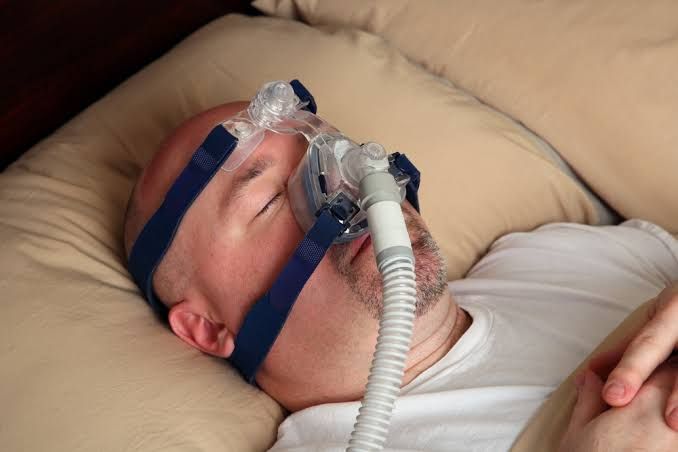
Improving your sleep quality does not have to be overly complicated. By combining simple, evidence-based habits with a reliable, screen-free way to monitor your progress, you can take meaningful steps toward better sleep and more energized mornings.
One of the most effective ways to reduce breathing issues during sleep is to adjust your posture. When you sleep on your back, gravity can pull your tongue and soft tissues downward, partially blocking your airway and triggering a hypopnea. Side sleeping helps keep your airway open and clear, allowing for steady, unobstructed breathing throughout the night.
Another key factor is your sleep environment. Keeping your bedroom cool, quiet, and completely dark helps support your body’s natural melatonin production, making it easier to transition smoothly between different sleep stages. Avoiding heavy meals and alcohol in the evening also keeps your throat muscles from over-relaxing, which is a common cause of nighttime breathing issues.
However, one of the biggest challenges to healthy sleep is the anxiety caused by modern technology. Many health-conscious individuals experience “orthosomnia”—a stressful obsession with achieving perfect sleep data. Waking up in the middle of the night and looking at a bright smartwatch screen with notifications can instantly trigger a racing mind, raising your heart rate and ruining your chances of falling back asleep.
This is why a screen-free, lightweight smart ring is such a valuable tool. The Herz P1 Smart Ring is designed to be completely unobtrusive. Crafted from premium, durable titanium, it fits comfortably on your finger and has no screen, vibrating alarms, or bright lights to disturb you. It simply works quietly in the background, collecting valuable biometric data while you sleep.
Unlike many other wearable devices on the market, the Herz P1 is completely free of subscription fees. You buy the ring once, and you own your data forever. In the morning, you can open the companion app to see a simple, intuitive Recovery Score. This score translates complex metrics like HRV, resting heart rate, and sleep stages into clear, actionable insights, helping you understand how well your body recovered.
By focusing on screen-free tracking and simple sleep hygiene adjustments, you can remove the stress of complex data analysis and start focusing on what truly matters: waking up feeling rested, refreshed, and ready for the day ahead.
Simple Steps to Support Your Sleep Quality:
- Try Side Sleeping: Keeps your airway open and naturally reduces partial blockages.
- Keep Evenings Light: Avoid alcohol and heavy meals for at least three hours before bed.
- Create a Cool, Dark Sanctuary: Set your bedroom temperature between 60 and 67 degrees Fahrenheit.
- Switch to Screen-Free Tracking: Monitor your sleep stages and overnight recovery without the distraction of bright notifications.
Disclaimer: Results may vary depending on individual physical activity levels, unique health conditions, and daily tracking patterns. The Herz P1 Smart Ring and the information shared on Mind Body Dan are intended for general wellness tracking and educational purposes only. They are not designed to monitor, diagnose, or manage any medical conditions, including moderate or severe obstructive sleep apnea. Always consult a qualified medical professional for concerns regarding sleep disorders.
