

What Is EPAP Therapy and How Does Expiratory Positive Airway Pressure Support Restful Sleep?
Are you tired of waking up gasping, fighting brain fog, and battling non-restorative sleep? Clinical research shows expiratory positive airway pressure can significantly stabilize breathing. While exploring epap therapy, tracking your heart rate variability (HRV) and deep sleep stages with a screen-free device like the Herz P1 Smart Ring provides crucial, subscription-free insights into your physiological recovery.
Take Back Your Sleep.
Take Back Your Life.
- Fall asleep faster & sleep deeper
- Stop waking up in the middle of the night
- Wake up refreshed & full of energy
- What epap therapy is and how it utilizes your own breath to stabilize airways.
- The differences between traditional continuous machines and compact nasal epap options.
- How to assess if expiratory positive airway pressure matches your physical needs.
- Practical strategies for tracking sleep improvements, including HRV and deep sleep stages, using screen-free wearable technology.
Understanding the Basics of EPAP Therapy and Expiratory Positive Airway Pressure

Quick Answer: Is EPAP Therapy Right For You?
Yes, for many individuals struggling with mild-to-moderate airway collapse or heavy snoring, it can be a highly effective solution. The short answer is that epap therapy is a lightweight, non-invasive option that props your airways open using your own exhaled breath. However, to choose the right approach, you need to understand your physiological baselines and monitor how your body recovers during rest.
The Mechanics of Expiratory Positive Airway Pressure
To understand how epap therapy works, we must first look at the respiratory challenges that occur when we sleep. For millions of people, the muscles in the back of the throat relax during sleep. This relaxation causes the airway to narrow or close entirely, leading to micro-arousals—sudden, brief awakenings that pull you out of deep, restorative sleep.
This is where expiratory positive airway pressure comes in. Unlike a standard CPAP system, which forces air into your lungs continuously, epap focuses exclusively on the exhalation phase. When you wear a nasal epap device, you inhale easily through small, one-way valves. However, when you breathe out, the valves partially close, creating resistance. This resistance generates back-pressure in your airway, keeping the soft tissues from collapsing before your next breath.
For anyone who has experienced the horror of the 3 AM awakening—heart racing, mind spinning with unexplained anxiety, and a feeling of complete exhaustion—this passive pressure can be a lifesaver. It stabilizes breathing without the need for a loud, bulky epap machine. By keeping the airway open naturally, you can prevent those disruptive oxygen drops that trigger the release of stress hormones, allowing your autonomic nervous system to stay in a peaceful, recuperative state.
When to Use (and When to Avoid) EPAP Therapy
Like any sleep support tool, epap therapy is not a one-size-fits-all solution. It is essential to identify your physiological needs before committing to a daily routine.
Ideal Candidates for EPAP:
- Those with mild to moderate sleep-disordered breathing who struggle with the bulk of a CPAP.
- Positional snorers whose throat tissues collapse mainly when lying on their back.
- Frequent travelers who want to maintain airway stability without packing a heavy epap machine.
Who Should Avoid EPAP:
- Individuals with severe airway obstruction who require constant, high-pressure incoming air.
- Anyone suffering from chronic nasal congestion, sinus blockages, or deviated septums that make nasal breathing difficult.
- Those who experience intense anxiety when their breathing resistance is altered.
Suggested Solutions: Elevating Your Sleep Quality Safely
If you are exploring ways to optimize your breathing, we always suggest starting with non-invasive lifestyle shifts. Improving your daytime nasal hygiene, avoiding heavy meals before bed, and refining your bedroom environment are foundational steps. You can read our comprehensive guide on sleep hygiene tips to set up your space for success.
But how do you know if these changes, or a new epap device, are actually working? That is where objective biometric tracking becomes essential. Many people try to track their sleep using bulky smartwatches, but these devices often cause their own problems. Glowing screens, buzzing notifications, and thick wrist straps can disrupt sleep and add to your nightly anxiety.
A screen-free, ultra-lightweight titanium alternative like the Herz P1 Smart Ring offers a more elegant solution. It quietly monitors your sleep stages (REM, Deep, Light) and your Heart Rate Variability (HRV) with medical-grade sensors. By checking your daily Recovery Score, you can see exactly how tools like epap therapy impact your physiological restoration. Best of all, it offers a completely subscription-free model—no hidden monthly fees, just simple, actionable insights to help you reclaim your energy.
Common Questions About EPAP
Q: Does an epap machine require electricity?
A: Traditional nasal epap patches and valves are entirely passive and do not require electricity or batteries. However, some advanced clinical setups use a specialized epap machine that can adjust pressure dynamically, which does require a power source.
Q: Can I use nasal epap if I breathe through my mouth?
A: Since these devices rely entirely on nasal airflow, they are not effective for chronic mouth-breathers unless paired with a comfortable chin strap or mouth tape to encourage nasal respiration.
Q: How long does it take to adapt to expiratory positive airway pressure?
A: It typically takes about one to two weeks to get used to the sensation of breathing out against resistance. Patience is key during this initial adjustment period.
Comparing EPAP to CPAP and BiPAP: Finding Your Best Alternative
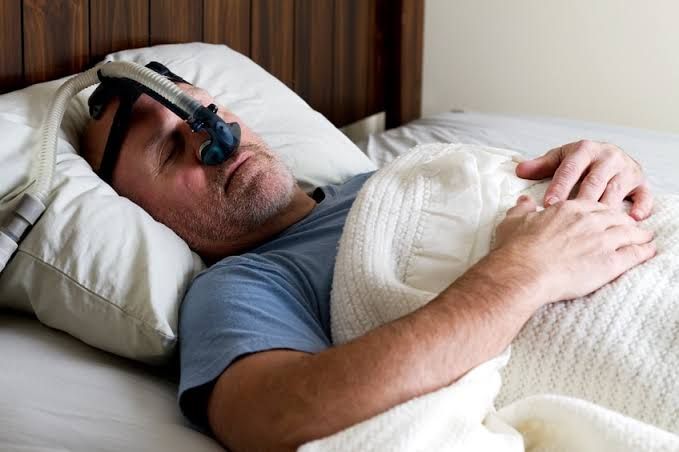
When you begin looking into solutions for breathing struggles, the sheer number of acronyms can feel overwhelming. CPAP, BiPAP, APAP, and EPAP all sound incredibly similar, yet they function in fundamentally different ways. Making an informed choice requires a clear understanding of these technologies.
CPAP vs. EPAP: The Continuous Pressure Conflict
CPAP (Continuous Positive Airway Pressure) is widely considered the gold standard for moderate-to-severe airway blockages. A CPAP machine uses a motorized pump to push a continuous stream of pressurized air through a hose and mask into your airway. This pressure stays the same whether you are inhaling or exhaling.
While highly effective, many people find CPAP incredibly difficult to tolerate. The sensation of having air constantly forced down your nose or throat can feel suffocating, leading to a high rate of abandonment. In contrast, epap therapy does not force air in. It relies on your body’s own respiratory power, using small nasal epap valves to create resistance only when you breathe out. This makes it a much more comfortable, quiet, and less restrictive alternative.
| Feature | CPAP Therapy | EPAP Therapy |
|---|---|---|
| Power Source | Requires electrical outlet / battery pack | Passive (no power needed for nasal valves) |
| Pressure Delivery | Inhalation & exhalation (forced) | Exhalation only (natural back-pressure) |
| Portability | Requires carrying case and accessories | Fits easily in your pocket |
| Noise Level | Humming motor, mask air leaks | Virtually silent |
BiPAP and the Role of the EPAP Setting
BiPAP (Bilevel Positive Airway Pressure) machines use two distinct pressures: IPAP (Inspiratory Positive Airway Pressure) for inhaling and EPAP for exhaling. In this context, the epap setting on a BiPAP machine serves to keep the airway open during exhalation, while the higher IPAP setting helps push air into your lungs during inhalation.
For individuals who require this level of mechanical support, a bilevel machine is incredibly valuable. However, if your primary issue is a mild airway collapse during exhalation, a heavy machine may be unnecessary. A simple, passive nasal epap valve can often provide the specific expiratory positive airway pressure you need, saving you from the hassle and noise of a complex mechanical setup.
Building a Holistic Recovery Protocol
No matter which tool you choose, managing your respiratory health is just one piece of the puzzle. Truly restorative sleep is a holistic process. If you want to dive deeper into how different sleep stages impact your physical recovery and cognitive performance, you can explore our guides on rem sleep importance and deep sleep optimization.
Additionally, for those who prefer to explore all natural options before trying mechanical aids, our article on sleep apnea natural remedies offers gentle, non-invasive habits to support your breathing and overall well-being.
Biometrics and Screen-Free Tracking: Measuring the Success of Your EPAP Journey

How do you know if a new wellness routine, like epap therapy, is actually helping your body recover? Feeling less groggy in the morning is a great sign, but relying on feelings alone can be subjective. To truly understand your sleep quality, you need objective, consistent data.
The Vital Link Between Airway Health and Heart Rate Variability (HRV)
When your breathing is shallow or interrupted during the night, your body perceives it as a threat. In response, your sympathetic nervous system—your “fight-or-flight” response—activates, releasing cortisol and adrenaline. This sudden stress response causes your heart rate to rise and your Heart Rate Variability (HRV) to plummet.
HRV is the tiny, millisecond variation in time between consecutive heartbeats. A high HRV indicates that your autonomic nervous system is relaxed, resilient, and recovering well. A low HRV, on the other hand, shows that your body is under stress, often due to poor oxygenation and frequent micro-arousals during sleep.
By monitoring your HRV trends, you can easily track the effectiveness of your sleep habits. If you begin using a nasal epap device and notice your night-time HRV steadily climbing, it is a clear sign that your body is spending more time in a restful, parasympathetic state. You can learn more about how to interpret these heart rate trends in our dedicated post on understanding hrv recovery.
The Power of Screen-Free Biometric Tracking
To truly optimize your sleep, your sleeping environment should be completely free of distractions. Checking a bright phone screen or dealing with a heavy, vibrating smartwatch in the middle of the night can disrupt your circadian rhythm and raise your stress levels.
The Herz P1 Smart Ring offers a beautifully simple, screen-free way to monitor your recovery. Made of ultra-light titanium, it fits comfortably on your finger and tracks your biometrics without any subscription fees or glowing displays.
Translating Complex Sleep Metrics into Simple Action
Many modern fitness trackers overwhelm you with complicated graphs, confusing percentages, and hard-to-read data. This information overload can actually make your sleep anxiety worse, leaving you feeling frustrated and unsure of how to make meaningful changes.
We believe sleep tracking should be simple and intuitive. Instead of getting bogged down in complex numbers, look for tools that consolidate your data into a single, actionable daily metric, like a Recovery Score. This score helps you see at a glance how your sleep quality, physical activity, and heart rate patterns are aligning.
If you want to explore the benefits of using a comfortable ring over a bulky watch, check out our article on the smart ring benefits. For advice on reducing screen time and light pollution in the bedroom, our guide to screen-free tracking offers plenty of practical tips. Finally, to learn how daily lifestyle choices build toward long-term vitality, take a look at our core guide on improving sleep quality.
Empowering Your Path to Better Rest
Reclaiming your physical and mental energy starts with understanding your body’s unique rhythms. Whether you choose to try epap therapy, refine your nasal breathing, or simply improve your evening routine, keeping an eye on your biometrics will guide you toward what works best for you.
By combining effective breathing supports with mindful, screen-free tracking, you can finally quiet your racing mind, avoid frustrating 3 AM awakenings, and wake up feeling refreshed and truly restored every single day.
- Expiratory positive airway pressure is a quiet, comfortable, and non-invasive way to keep your airways open during exhalation.
- Unlike CPAP machines, passive nasal epap patches do not require electricity, making them silent and incredibly easy to travel with.
- Tracking your biometrics, especially your Heart Rate Variability (HRV) and deep sleep stages, is the best way to see how your breathing support is helping you recover.
- A comfortable, screen-free tracker like the Herz P1 Smart Ring helps you monitor these vital trends without any distracting screens or hidden subscription fees.
Disclaimer: Results may vary depending on individual physical activity levels, unique health conditions, and daily tracking patterns. The content provided on Mind Body Dan is for educational and informational purposes only and is not intended as medical advice. Always consult with a qualified healthcare professional before starting any new therapy, medical treatment, or respiratory protocol.
