

Does Eating Before Bed Stop Weight Loss? The Biometric Science Behind Late-Night Snacks
Many of us know the frustration of a racing mind at 3 AM, wondering how our late-night choices affect our health. Understanding the link between eating before bed and weight loss is key. By monitoring markers like Heart Rate Variability with a screen-free tool like the Herz P1 Smart Ring, we can finally connect nighttime habits to real recovery.
Take Back Your Sleep.
Take Back Your Life.
- Fall asleep faster & sleep deeper
- Stop waking up in the middle of the night
- Wake up refreshed & full of energy
Key Highlights:
- Metabolism Doesn’t Sleep: Your body continues to burn energy overnight, but digestion can compete with cellular recovery processes.
- Biometrics Tell the Story: Late-night food intake directly alters Heart Rate Variability (HRV) and resting heart rate trends.
- Sugar Spikes equal Sleep Drops: High-glycemic snacks disrupt slow-wave (deep) sleep, leading to next-day fatigue and cravings.
- The Tracking Solution: Screen-free monitoring using advanced tools like the Herz P1 Smart Ring bridges the gap between daily lifestyle habits and actionable recovery metrics.
Is It Bad to Eat Before Bed, or Does It Support Your Metabolism?

Quick Answer: It depends. The short answer is that the relationship between eating before bed and weight loss is not a simple equation of calories-in versus calories-out; rather, it hinges heavily on food composition, portion control, and your individual circadian biometrics. However, to choose the right wellness path, you need to understand how late-night digestion alters cardiorespiratory sleep stages and autonomic nervous system balance.
For decades, traditional fitness culture claimed that eating past 8:00 PM was an automatic recipe for fat storage. The theory seemed logical: because you are lying down to sleep, your metabolic rate must slow to a crawl, causing any unused energy to be deposited directly into adipose tissue. Yet, modern metabolic science tells a far more nuanced story. Our baseline metabolism does not suddenly deactivate when we close our eyes. In fact, our body requires a consistent stream of energy overnight to support tissue repair, hormone synthesis, brain restructuring during REM sleep, and basic cardiovascular function.
The core issue of eating before bed and weight loss lies in how food intake interacts with your circadian biology and sleep architecture. When we consume a large or heavy meal close to bedtime, we ask our body to perform two highly demanding physiological tasks simultaneously: digestion and systemic recovery. This metabolic conflict can disrupt our resting heart rate (RHR) and Heart Rate Variability (HRV), both of which are critical indicators of how well our body is managing stress and recovering from physical exertion.
To fully grasp the dynamics of eating late and sleep quality, we must look at the autonomic nervous system. The parasympathetic branch, often called the “rest and digest” system, is meant to dominate during sleep. It lowers our heart rate, reduces blood pressure, and allows our cardiovascular system to rest. However, when a heavy meal forces the digestive tract to work overtime, blood flow is diverted to the stomach, and the sympathetic (“fight or flight”) nervous system remains partially activated to manage digestion. This prevents your resting heart rate from dropping to its lowest point until late in the sleep cycle, robbing you of high-quality restorative sleep and negatively impacting your daily recovery metrics.
— Team Mind Body Dan Biometric Insights
When to Use Nighttime Nutrition vs. When to Rest
Understanding when is it okay to eat at night requires evaluating your physical activity, metabolic health, and daily schedule. For some individuals, a structured bedtime snack is actually beneficial. For instance, athletes who undergo intense late-afternoon training sessions often require nighttime amino acids to support muscle protein synthesis overnight. In these cases, a light, protein-dense snack can prevent muscle breakdown without putting an excessive burden on the digestive system.
Similarly, individuals struggling with nocturnal hypoglycemia (blood sugar drops that trigger middle-of-the-night awakenings with a racing heart) can benefit from a small snack containing complex carbohydrates and healthy fats. This combination provides a sustained release of glucose, keeping blood sugar stable and preventing the cortisol spikes that wake you up at 3:00 AM in a state of alert frustration.
Conversely, those aiming for fat loss should exercise caution. Frequently consuming high-calorie, nutrient-poor foods late at night can easily lead to a caloric surplus. Furthermore, late-night eating can desensitize your insulin receptors over time because our body’s natural insulin sensitivity declines as we approach our physiological bedtime. When insulin resistance occurs, managing your weight becomes increasingly difficult, making the journey of eating before bed and weight loss a steep uphill climb.
Suggested Biometric Solutions: The Screen-Free Approach
How do you determine if your late-night snack is sabotaging your progress or supporting your overnight recovery? The answer is not found in guess-work or stressful, bright-screened smartwatches that keep you awake with notifications. Instead, look toward advanced, low-profile wearables like the Herz P1 Smart Ring.
The Herz P1 is a premium, subscription-free, screen-free smart ring crafted from lightweight titanium. Designed specifically for sleep comfort, it sits weightlessly on your finger, tracking key metrics such as Sleep Stages (REM, Deep, Light), HRV, and resting heart rate. By translating complex physiological data into a simple, daily Recovery Score, the Herz P1 helps you directly monitor how your evening meals affect your body. If you eat a late snack and see your HRV drop or your resting heart rate remain elevated, you receive direct, personalized proof of how that snack impacts your recovery. It is a powerful way to master digestion during sleep and make informed, data-driven changes to your evening routine.
Frequently Asked Questions About Nighttime Eating
- Is it okay to eat at night if I stayed within my daily calorie budget?
Yes, from a pure thermodynamic perspective, you can still lose weight. However, if the meal degrades your sleep quality, it may leave you feeling fatigued and hungry the following day, indirectly hindering your long-term consistency. - How long should I wait to sleep after eating?
To protect your sleep architecture and metabolic recovery, it is best to finish your last meal at least 2 to 3 hours before lying down. This gives your stomach time to process the food, allowing your heart rate to drop naturally when you sleep. - Does eating late cause acid reflux?
Yes. Lying flat with a full stomach can cause gastric acid to flow back into the esophagus, leading to heartburn, discomfort, and frequent awakenings that ruin your deep sleep cycles.
Decoding the Best Nighttime Snacks: What to Eat When Hunger Strikes
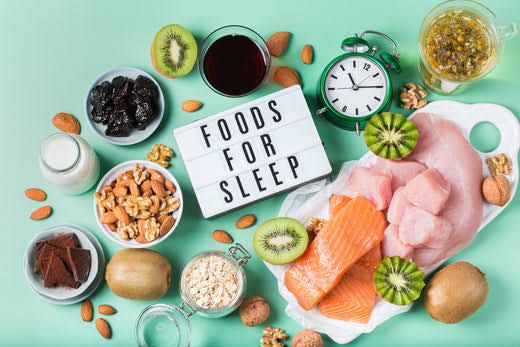
When physical hunger strikes late at night, resisting it completely can sometimes backfire. A growling stomach can keep your mind alert and active, making it difficult to fall asleep. In these moments, the goal is not to starve yourself, but to choose smart, sleep-supportive snacks that minimize metabolic disruption and support your goals for eating before bed and weight loss.
The ideal late-night snack should be low in calories, rich in protein or healthy fats, and easy on your digestive tract. This combination helps keep your blood sugar stable throughout the night while providing your body with the amino acids it needs to recover. Let’s look at some common late-night foods to understand how they affect your metabolic and cardiovascular health during sleep.
Smart Late-Night Snacks at a Glance:
- Greek Yogurt or Cottage Cheese: Rich in casein protein, which digests slowly to support muscle recovery overnight without causing blood sugar spikes.
- Walnuts or Almonds: A great source of healthy fats and natural melatonin to help quiet a busy mind.
- Tart Cherry Juice: Contains natural compounds that support your body’s sleep-wake cycle.
- A Sliced Apple with Almond Butter: Offers a satisfying crunch with fiber and healthy fats to keep you full without overloading your system.
The Popcorn Debate: Is Popcorn Good to Eat Before Bed?
A frequent question we hear is: is popcorn good to eat before bed? The answer is generally yes, but with a few important caveats. Popcorn is a whole grain, meaning it provides complex carbohydrates that can help stimulate the production of serotonin—a neurotransmitter that promotes relaxation and helps you ease into sleep.
Because popcorn is high in volume and fiber, it can satisfy late-night cravings and keep you feeling full for very few calories. This makes it a great option for those navigating the balance of healthy bedtime snacking. However, the benefits of popcorn depend heavily on how it is prepared. Air-popped popcorn with a light sprinkle of sea salt is an excellent choice. On the other hand, heavy, movie-theater-style popcorn loaded with butter, artificial oils, and high amounts of sodium can cause indigestion, elevate your resting heart rate, and lead to poor sleep quality.
The Candy Danger: Is It Bad to Eat Candy Before Bed?
At the other end of the spectrum is the temptation of sweet treats. If you have ever wondered, is it bad to eat candy before bed, the answer from a metabolic and sleep-science perspective is a clear yes. Consuming simple sugars right before sleep is one of the most disruptive things you can do to your overnight recovery.
When you eat candy, your blood glucose levels spike rapidly. In response, your pancreas releases a large surge of insulin to clear the glucose from your bloodstream. This often causes a rapid drop in blood sugar (hypoglycemia) a few hours later, while you are asleep. To protect your brain from low glucose levels, your adrenal glands release stress hormones like cortisol and adrenaline. This sudden hormonal surge can trigger a racing mind, nightmares, or sudden awakenings around 3:00 AM, leaving you feeling exhausted and unrested the next morning. If you want to support your health, avoiding candy and sugary snacks before sleep is a crucial step.
Additionally, refined sugar can inflame your digestive system and alter your gut microbiome over time, making weight management even more challenging. If you are focused on nocturnal metabolic impacts, replacing candy with low-glycemic, whole-food alternatives is a simple change that can dramatically improve your overnight recovery.
Tracking the Invisible Impact: How to Measure Nighttime Digestion on Recovery

The true impact of eating before bed and weight loss is often invisible from the outside. You might think a late-night slice of pizza or a bowl of sweet cereal didn’t affect you because you fell asleep quickly, but your internal biometrics often tell a different story. Sleep quality is not just about the hours spent in bed; it is about the time spent in deep, restorative sleep stages where cellular repair and fat metabolism actually occur.
When your body is busy digesting heavy foods, your heart rate remains elevated, and your Heart Rate Variability (HRV) drops. HRV measures the variation in time between consecutive heartbeats and is a key indicator of your autonomic nervous system’s balance. A high HRV indicates that your body is in a relaxed, parasympathetic-dominant state, ready to recover. A low HRV indicates that your body is under stress—which is exactly what happens when your system is forced to digest food when it should be resting.
This stress can also interfere with your breathing patterns, sometimes worsening conditions like mild sleep apnea or heavy breathing. This disruption reduces oxygen saturation and prevents you from entering deep sleep stages, which are vital for regulating appetite hormones like leptin and ghrelin. When deep sleep is cut short, your body produces more ghrelin (the hunger hormone) and less leptin (the fullness hormone) the next day, leading to intense cravings for sugary, high-calorie foods. This creates a challenging cycle of poor sleep, daytime cravings, and weight gain.
Connect Your Habits to Real Results
Are your evening snacks helping your body recover, or are they holding you back? The only way to know is by tracking your body’s natural signals.
The Herz P1 Smart Ring makes tracking simple and comfortable. With medical-grade biometric sensors and an elegant, screen-free design, it helps you understand your body’s recovery trends without distractions or monthly subscription fees.
Reclaim Your Restful Sleep
By monitoring how late-night eating habits affect your biometrics, you can build a nighttime routine that supports your long-term health. If you choose to have a late snack, opt for sleep-supportive choices like air-popped popcorn, a handful of walnuts, or a small serving of Greek yogurt. This approach helps keep your blood sugar stable, protects your cardiovascular recovery, and supports your goals for eating before bed and weight loss.
To make tracking these trends seamless and stress-free, consider a dedicated wellness companion like the Herz P1 Smart Ring. Its lightweight, screen-free design sits comfortably on your finger, delivering accurate sleep stage insights and personalized recovery scores without the distraction of daytime notifications or charging worries. It is a simple, elegant tool to help you understand your body and take control of your health journey.
