

Why Do Steroids Cause Insomnia and Sleep Problems?
Struggling to find rest while taking corticosteroids or anabolic compounds? The relationship between steroids and sleep is heavily rooted in biological pathways that trigger a racing mind and 3 AM awakenings. While medications disrupt your body’s natural rhythms, we can help you monitor these changes and reclaim control using a screen-free, subscription-free tracking method like the Herz P1 Smart Ring.
Take Back Your Sleep.
Take Back Your Life.
- Fall asleep faster & sleep deeper
- Stop waking up in the middle of the night
- Wake up refreshed & full of energy
- Hormonal Hijacking: Steroidal compounds mimic cortisol, disrupting the delicate hypothalamic-pituitary-adrenal (HPA) axis and blocking natural melatonin production.
- Sleep Architecture Shifts: Both corticosteroids and anabolic steroids suppress deep restorative sleep and REM stages, leaving you physically exhausted yet mentally wired.
- Sympathetic Hyperarousal: Steroid use elevates resting heart rate and reduces Heart Rate Variability (HRV), shifting the nervous system into a chronic “fight-or-flight” state.
- Objective Monitoring is Essential: Tracking sleep metrics without the stimulation of screens helps pinpoint the physiological strain of medications.
Understanding the Biological Disruption: How Do Steroids Affect Sleep?
Quick Answer
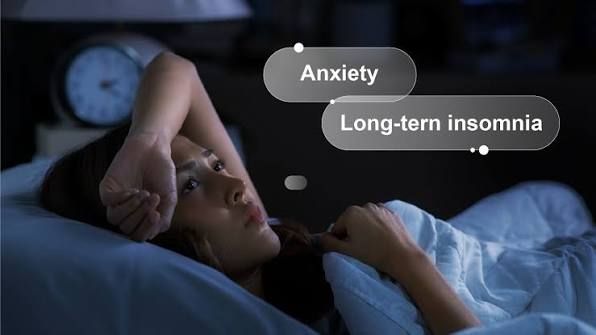
Yes, steroids significantly disrupt restful sleep. The short answer is that steroids mimic the body’s natural stress hormones, which compromises the endocrine system and overrides your natural circadian rhythm. However, to choose the right recovery strategies and tools, you need to understand how these compounds alter your nervous system, suppress melatonin, and impact daily sleep patterns.
The Physiology of Steroid-Induced Hyperarousal
To grasp the complex relationship of steroids and sleep, we must first look at the endocrine system. Corticosteroids (such as prednisone, methylprednisolone, or dexamethasone) are synthetic versions of cortisol, the hormone naturally produced by your adrenal glands to regulate stress, metabolism, and immune response. Under normal conditions, your cortisol levels follow a strict diurnal curve: peaking shortly after waking up to give you energy, and gradually dropping to their lowest point around midnight to allow for restful sleep.
When you introduce external glucocorticoids, this feedback loop is disrupted. The body perceives an abundance of cortisol-like compounds, keeping your nervous system in an elevated, alert state. This is why many people on prednisone experience a racing mind, rapid heartbeat, and acute insomnia steroids can trigger. The brain is chemically signaled that it is in a state of high survival stress, making relaxation near impossible.
But does this issue apply to other types of steroidal compounds? Yes. When asking does steroids affect sleep, we must also consider anabolic-androgenic steroids (AAS). Anabolic steroids, often used for athletic performance or hormone replacement therapy, disrupt sleep through distinct neuroendocrine pathways. They alter the levels of key neurotransmitters, such as GABA (gamma-aminobutyric acid) and serotonin, while overstimulating the central nervous system. This endocrine shift directly interferes with your ability to cycle through crucial sleep stages, significantly cutting down on deep, slow-wave sleep and Rapid Eye Movement (REM) cycles.
Without adequate deep sleep, your body cannot properly repair muscular tissue or regulate immune function. Without REM sleep, cognitive processing and emotional regulation falter, resulting in the brain fog, memory lapses, and daytime fatigue that many individuals experience when their steroids and sleep balance is compromised.
When to Monitor Closely vs. When to Seek Medical Guidance
Navigating the complex waters of steroids and sleep requires clear self-awareness. It is helpful to know when your sleep disruptions are a manageable side effect and when they point to a need for clinical adjustment. Let’s break down how to assess your situation:
- Monitor and Track If: You have recently started a short-term course of oral corticosteroids (e.g., a 5-day prednisone taper) and are experiencing mild sleep onset delays or early morning awakenings. In this scenario, using objective daily metrics can help you visualize how your body responds as the medication gradually clears.
- Consult Your Healthcare Provider If: Your insomnia persists for more than two consecutive weeks, you experience severe mood fluctuations (such as steroid-induced hypomania or deep depressive states), or you develop physical symptoms like intense chest palpitations, chronic night sweats, or signs of sleep-disrupting breathing problems. Never adjust prescription dosages on your own; your doctor can safely guide you on dose timing or alternative options.
Practical Solutions for Restoring Sleep Quality
Addressing steroid-induced sleep issues requires a holistic approach. First, optimize your medication schedule in consultation with your doctor: taking your entire daily dose of oral corticosteroids before 9:00 AM can help ensure that the peak drug concentrations coincide with your natural morning cortisol spike, reducing evening alertness.
Second, establish strict sleep hygiene tips, including avoiding artificial blue light from phones or tablets in the evening, keeping your bedroom temperature under 68°F (20°C) to counteract steroid-induced night sweats, and using screen-free tracking methods to log your trends. This is where the Herz P1 Smart Ring shines. Designed in lightweight, medical-grade titanium, it monitors your sleep metrics without the distraction of a screen on your wrist or the annoyance of daily charging. It translates complex physiological algorithms into simple, actionable trends, allowing you to observe how your body recovers night after night.
Frequently Asked Questions About Steroids and Sleep
Q: Why do steroids cause insomnia even if I take them early in the morning?
A: Even when taken early, some corticosteroids have a long biological half-life or exert prolonged genomic effects on your cells, keeping your central nervous system alert long into the night.
Q: How does steroids affect sleep architecture over time?
A: Prolonged use significantly reduces Deep and REM sleep stages, shifting your rest toward lighter, easily interrupted sleep. This explains why you might sleep for seven hours but still wake up feeling unrefreshed.
Q: Can I use sleep trackers to monitor these steroid-induced sleep trends?
A: Absolutely. Tracking biometric markers like resting heart rate, sleep stages, and heart rate variability (HRV) helps you objectively measure how medication affects your body’s recovery. For many, a screen-free ring is the most comfortable way to do this.
Decoding the Science: Why Do Steroids Cause Insomnia?
To dive deeper into the question of why do steroids cause insomnia, we must look at how these medications interact with our autonomic nervous system (ANS) and circadian rhythms. The ANS is split into two main branches: the sympathetic nervous system (SNS)—the “fight-or-flight” response—and the parasympathetic nervous system (PNS)—the “rest-and-digest” response. Sleep requires a smooth handoff from the SNS to the PNS, allowing your heart rate to drop, your blood pressure to lower, and your heart rate variability (HRV) to increase.
When you are taking steroids, this transition is compromised. Glucocorticoids cross the blood-brain barrier and bind to receptors in the limbic system, keeping your body in a state of sympathetic dominance. Under these conditions, your heart rate remains elevated and your HRV tracking shows a drop in variability, signaling that your body is under stress even while you are trying to rest.
This biological state often leads to the frustrating “3 AM awakening” phenomenon. You may fall asleep out of sheer physical exhaustion, only to find yourself wide awake a few hours later. As the medication is metabolized, it can cause fluctuations in blood glucose levels, triggering adrenaline surges that pull you out of deep sleep into a state of alert frustration.
Over time, coping with insomnia steroids can create a challenging cycle. You might wake up with brain fog, rely on extra caffeine during the day to stay alert, and find yourself even more wired by bedtime. To break this pattern, it helps to understand these physiological shifts using reliable biometrics rather than trying to guess what your body needs.
Managing the Impact: Restoring Balance to Your Circadian Rhythm

Adjusting to the challenges of steroids and sleep requires focusing on your circadian rhythm. By aligning your daily habits with your body’s natural internal clock, you can help offset the stimulating effects of steroid medications. Key habits include getting bright, natural sunlight exposure within thirty minutes of waking up, eating meals at consistent times, and winding down in a calm, cool environment.
- Morning Sun Alignment: Expose your eyes to 10-15 minutes of direct sunlight before 8:30 AM to anchor your cortisol curve.
- The 10-Hour Caffeine Rule: Stop all caffeine intake at least 10 hours before your target bedtime to avoid compounding the stimulating effects of steroids.
- Cool Down Sleep Spaces: Keep your room temperature cool (65°F to 67°F) to support your body’s natural evening temperature drop.
- Screen-Free Wind-Downs: Turn off bright screens 90 minutes before bed, allowing your brain to produce melatonin naturally.
One of the most effective ways to support your sleep is to move away from late-night screens. Smartwatches, while useful, can sometimes introduce extra blue light, distracting notifications, and the friction of frequent charging right before bed. This can add to digital fatigue when you are already struggling with sleep.
Opting for screen-free wellness tools allows you to gather valuable health insights without the distraction of a screen. A lightweight, comfortable option like the Herz P1 Smart Ring tracks your resting heart rate, sleep stages, and HRV, giving you an intuitive daily recovery score. This helps you monitor how your body is coping with your medication without any extra screen time or ongoing monthly fees.
Why Choose a Screen-Free Smart Ring?
Traditional smartwatches can sometimes feel bulky, buzz with notifications in the middle of the night, and require daily charging. A sleek, subscription-free titanium smart ring monitors your biometrics quietly in the background—helping you focus on your rest without extra distractions.
Explore the Herz P1 Smart Ring →
When dealing with steroids and sleep issues, monitoring your physical markers lets you make informed adjustments to your daily routine. By keeping an eye on your overnight recovery, you can discover which habits help you rest best and work toward reclaiming consistent, restorative sleep.
Disclaimer: Results may vary depending on individual physical activity levels, unique health conditions, and daily tracking patterns. The information provided in this article is for educational and informational purposes only and is not intended to serve as medical advice. Always consult with a qualified healthcare professional before starting, stopping, or modifying any prescription medication or wellness routine.
