

Are You Exhausted But Staring at the Ceiling? Understanding Postpartum Insomnia Causes and Real Solutions
Staring at the ceiling at 3 AM while your baby peacefully sleeps is a uniquely exhausting experience. This physiological struggle, known as postpartum insomnia, stems from drastic hormonal shifts and nervous system hyperarousal. Let’s look at how tracking biometric trends can help you rebuild your natural sleep architecture safely and naturally.
Take Back Your Sleep.
Take Back Your Life.
- Fall asleep faster & sleep deeper
- Stop waking up in the middle of the night
- Wake up refreshed & full of energy
Key Highlights: What You Will Learn
- Hormonal Crashes & Hyperarousal: Why sudden drops in estrogen and progesterone trigger survival-mode vigilance.
- The Lactation Connection: How metabolic shifts can contribute to breastfeeding insomnia even when physically exhausted.
- Sleep Architecture Shifts: Understanding how fragmented nights erode Deep and REM sleep stages.
- Screen-Free Recovery Tracking: Why tracking biometric trends (like HRV) without bright screens is the key to reclaiming your night.
What Exactly is Postpartum Insomnia and Why Does It Happen?

Quick Answer: Yes, postpartum insomnia is a highly common physiological and psychological response to childbirth. The short answer is that dramatic hormonal crashes combined with high maternal vigilance keep your nervous system in a constant state of fight-or-flight, making sleep elusive even when you are exhausted. However, to choose the right tracking or recovery strategy, you must understand your unique biological metrics, such as Heart Rate Variability (HRV) and resting heart rate trends.
When you bring your new baby home, you expect to be sleep-deprived. What you don’t expect is that when your baby finally drifts off into a peaceful sleep, your mind starts racing, your heart rate refuses to settle, and you find yourself trapped in a loop of non-restorative rest. If you are saying to yourself, “I can’t sleep postpartum,” you are witnessing a complex neurochemical storm.
The primary culprit behind this struggle is the sudden drop in hormones. During pregnancy, your estrogen and progesterone levels skyrocket to support your growing baby. Progesterone is a powerful natural GABA agonist, meaning it acts as a natural sedative for your brain, promoting relaxation and deep sleep. However, within 24 to 48 hours after delivery, these hormone levels crash to near-zero levels. This dramatic hormonal withdrawal is a major trigger for insomnia after pregnancy, leaving your brain lacking its standard calming inputs just when your environmental stress increases.
Additionally, your thyroid gland undergoes massive fluctuations postpartum. Temporary postpartum thyroiditis can cause mild hyperthyroidism, which manifests as a racing heart, night sweats, and physical hypervigilance. This metabolic imbalance tricks your brain into thinking there is an immediate threat nearby, locking your autonomic nervous system into a sympathetic (fight-or-flight) dominance state. When you lie down to sleep, your heart rate remains elevated, and your Heart Rate Variability (HRV) drops. This hormonal transition is why postpartum insomnia feels so physically overwhelming: your body is literally telling your brain that it is unsafe to rest.
When to Use Recovery Tracking vs. Seeking Professional Medical Care
It is crucial to self-identify where you fall on the spectrum of postpartum sleep challenges to choose the right support:
- When to focus on behavioral tracking & recovery optimization: You feel physically tired but mentally “wired” when trying to sleep; you experience mild racing thoughts about daily chores or feeding schedules; or you wake up frequently but can drift back to sleep within 20 to 30 minutes once your mind settles.
- When to seek immediate professional medical care: You experience persistent feelings of hopelessness, severe panic attacks, or intrusive, distressing thoughts about your baby’s safety. If you find yourself completely unable to sleep even when your partner is watching the baby and you have a quiet, dark room, this may point to clinical postpartum depression or postpartum anxiety, which require medical evaluation. (Remember: we track trends and monitor patterns, we do not diagnose or treat medical conditions).
Practical Solutions for Postpartum Sleep Recovery
To ease your nervous system back into a balanced parasympathetic state, focus on gentle behavioral changes. Non-Sleep Deep Rest (NSDR) protocols, progressive muscle relaxation, and warm evening baths can naturally lower your core body temperature and promote melatonin production. Crucially, avoiding high-stimulus sleep hygiene disruptors—such as looking at the time or checking bright screens during midnight feeds—is essential to prevent worsening hyperarousal.
This is where screen-free monitoring solutions like the **Herz P1 Smart Ring** offer incredible support. Staring at a bright smartwatch screen or your phone’s notification feed at 3 AM halts your brain’s natural melatonin synthesis, intensifying postpartum sleep challenges. The Herz P1 Smart Ring provides an elegant, completely screen-free alternative. Made of medical-grade, ultra-lightweight titanium, it fits comfortably on your finger and silently tracks your Sleep Stages (REM, Deep, Light) and HRV without distracting vibrations or light. Best of all, it offers a subscription-free model, so you don’t have to worry about ongoing monthly fees during this major life transition.
Frequently Asked Questions About Postpartum Sleep
Q: Why can’t I fall asleep postpartum even when I am physically exhausted?
A: This paradox is caused by hyperarousal and hormonal withdrawal. The rapid drop in progesterone reduces your brain’s natural calming pathways, while elevated cortisol and maternal vigilance keep your body in a fight-or-flight state, preventing you from drifting off even when exhausted.
Q: How long does postpartum insomnia typically last?
A: For many mothers, acute sleep onset issues peak within the first 6 to 12 weeks postpartum as hormones begin to stabilize. However, if chronic sleep fragmentation, circadian rhythm disruption, and hypervigilant habits persist, it can turn into a long-term pattern that benefits from structured recovery tracking.
Q: Can breastfeeding insomnia affect my milk supply?
A: Sleep deprivation can increase cortisol, which may indirectly impact your milk production if your stress levels remain chronically high. Ensuring you get deep, non-restorative rest whenever possible is key to balanced hormone production and successful lactation.
Q: Why is a smart ring better than a standard smartwatch for postpartum recovery?
A: Smartwatches are often bulky, uncomfortable to sleep in, and feature bright screens that can disrupt your circadian rhythm during night feeds. A titanium smart ring is lightweight, screen-free, and boasts a multi-day battery life, making it the perfect tool to track your recovery score without adding screen distractions to your bedside.
The Complex Mechanics of Breastfeeding Insomnia
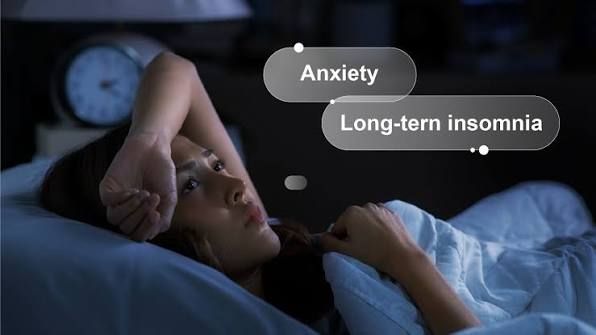
While nursing is a beautiful bonding experience, the endocrine shifts associated with lactation can introduce unexpected disruptions to maternal sleep patterns. Many nursing mothers report that they feel wide awake immediately after a late-night nursing session, experiencing what is colloquially known as breastfeeding insomnia.
Why does this happen? The act of nursing stimulates the release of prolactin and oxytocin. Prolactin is often called the “mothering hormone” because of its calming effect, but it also alters sleep architecture by suppressing estrogen production and shifting your body’s thermal regulation. When you nurse at 2 AM, your body temperature can spike slightly, which signals alertness to your brain. If you then check your phone or a bright smartwatch to log the feeding, you instantly suppress melatonin synthesis, leaving you wide awake and unable to fall back asleep.
This state of being unable to settle down creates a cycle of chronic sleep fragmentation. Your sleep tracker might show that while you were in bed for eight hours, you only achieved thirty minutes of deep sleep. Deep sleep is when your body physically repairs itself, while REM sleep is crucial for emotional regulation and cognitive processing. When you miss out on these critical sleep stages due to hormonal fluctuations, you wake up feeling like you haven’t slept at all, suffering from persistent brain fog and irritability.
— Team Mind Body Dan
Overcoming these postpartum sleep challenges requires recognizing that your body is operating under high physiological stress. By monitoring your biometrics objectively, you can identify patterns. For instance, does an early evening walk improve your HRV at night? Does a warm shower before bed help lower your core temperature and facilitate deeper sleep stages? Answering these questions with real data takes the guesswork out of recovery, letting you build a tailored routine that works specifically for your biochemistry.
Reclaiming Your Rest: Practical, Screen-Free Recovery Techniques

To break the cycle of postpartum insomnia, we must address the root physiological triggers of hyperarousal. Here are three highly effective, science-backed steps you can start implementing tonight:
1. Adopt a Screen-Free Sleep Sanctuary: The blue light from smartphones, tablets, and even bright smartwatches mimics sunlight, halting the production of melatonin. If you wake up at night to feed your baby, keep the lights as dim as possible. Avoid looking at the time. Staring at the clock triggers immediate cognitive stress: “If I fall asleep right now, I’ll only get two hours of sleep.” This cognitive loop is the enemy of rest. By keeping your environment screen-free, you protect your body’s natural sleep-wake cycle.
2. Track Biometrics Unobtrusively: Understanding your physical recovery doesn’t have to mean wearing a bulky, plastic fitness tracker that buzzes with notifications or flashes green light sensors in the middle of the night. A screen-free, lightweight titanium smart ring is designed to track your sleep stages (REM, Deep, Light) and daily activity seamlessly. It translates complex biometric algorithms into a single, simple Recovery Score that helps you make informed choices throughout your day without overwhelming you with complex, hard-to-read graphs.
3. Focus on Non-Sleep Deep Rest (NSDR): If you find that you can’t sleep postpartum, don’t lie in bed tossing and turning. If you are awake for more than twenty minutes, get up and sit in a comfortable, dimly lit room. Listen to a guided NSDR track or practice deep, slow diaphragmatic breathing. This reduces cortisol, increases vagal tone, and prepares your autonomic nervous system to transition from fight-or-flight to rest-and-digest.
Why the Herz P1 Smart Ring Fits Your Postpartum Journey
Unlike traditional smartwatches that require daily charging and disrupt sleep with screens and vibrations, the Herz P1 is a sleek, featherlight titanium ring. It offers medical-grade biometric tracking of your Sleep Stages, HRV, and active recovery, providing a subscription-free experience. You buy it once, you own your data forever—no hidden fees, no unnecessary stress.
When you are in the process of recovering from pregnancy insomnia, objective data is your best ally. When you can see that your deep sleep is slowly increasing or that your HRV is stabilizing, it provides a sense of control and peace of mind during a chaotic phase of life. You no longer have to guess how you are recovering; you have the data right at your fingertips—literally. By listening to your body’s subtle signals, you can navigate early motherhood with clarity and strength.
Disclaimer: Results may vary depending on individual physical activity levels, unique health conditions, and daily tracking patterns. The information provided in this article is for educational purposes and trends-monitoring only. It is not intended to substitute for professional medical advice, diagnosis, or treatment. Always consult with your primary healthcare provider or OB-GYN before starting any new wellness routine, biometric tracking regimen, or sleep program postpartum.
