

What Is CPAP Titration and What Should You Expect During a Study?
Waking up gasping for air at 3 AM with a racing mind and lingering morning brain fog? These warning signs of sleep apnea warrant immediate clinical investigation. A clinician-prescribed cpap titration calibrates your therapeutic pressure. To effortlessly monitor your physical recovery trends and sleep stage architecture without screens or subscription fees, discover the Herz P1 Smart Ring today.
Take Back Your Sleep.
Take Back Your Life.
- Fall asleep faster & sleep deeper
- Stop waking up in the middle of the night
- Wake up refreshed & full of energy
Article Highlights
- A Crucial Clinical Metric: A clinical cpap titration is designed to pinpoint the precise therapeutic airway pressure you need to eliminate sleep apnea events.
- What to Expect in the Lab: An overnight titration sleep study involves sleeping with non-invasive sensors and a PAP mask while a trained specialist calibrates the airflow.
- CPAP vs. BiPAP: Learn how finding the right pressure mode helps normalize your natural cardiac rhythms and decreases exhalation resistance.
- Tracking Real-World Success: Clinical calibration is only the first step. Long-term, non-intrusive monitoring of your deep sleep stages and heart rate variability (HRV) is key to validating your therapy’s daily recovery benefits.
Understanding CPAP Titration: The Essential First Step to Reclaiming Restful Sleep
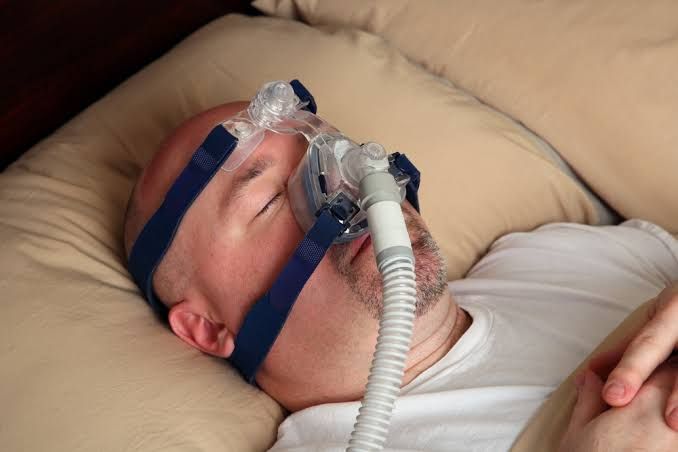
Quick Answer: Yes, an overnight clinical calibration is highly necessary if you have been diagnosed with obstructive sleep apnea. The short answer is that a clinical cpap titration is a dedicated evaluation that identifies the exact, customized air pressure setting required to keep your upper respiratory tract patent. However, to choose the right path and fully restore your health, you must understand how this diagnostic process interacts with your daily sleep stages, cardiac recovery, and nervous system balance.
The Physiology of Airway Obstruction and Clinical Calibration
When you sleep, the muscle tissue in your throat naturally relaxes. For individuals with obstructive sleep apnea, this relaxation causes the soft tissue to collapse entirely, blocking the passage of oxygen. As your lungs struggle to draw breath against this physical blockage, your blood oxygen saturation drops rapidly. This drop triggers a survival response in the brain—a sudden spike in cortisol and adrenaline that forces you out of deep sleep into a micro-arousal. You wake up with a racing mind, a pounding chest, or a sudden gasp for air, completely fracturing your sleep architecture.
This repeating cycle of oxygen deprivation and neurological arousal prevents you from maintaining sustained periods of deep sleep and REM sleep. Over time, this chronic sleep fragmentation leads to profound daytime fatigue, memory issues, and physical exhaustion. To break this cycle, physicians rely on a clinical cpap titration study.
During a cpap titration study, you sleep in a specialized clinical facility while connected to a continuous positive airway pressure (CPAP) machine. A registered sleep technologist monitors your biometrics in real-time from an adjacent control room. As they observe physiological events—such as snoring, throat vibrations, changes in airflow, or sudden drops in blood oxygen—they remotely adjust the positive airway pressure of the machine in small, controlled increments. The goal of this overnight sleep titration study is to identify the single lowest air pressure setting that successfully prevents airway collapses across all sleep positions and sleep stages.
It is important to differentiate between a baseline diagnostic sleep study and a dedicated therapeutic titration study. The diagnostic evaluation (a polysomnogram) focuses solely on identifying the existence and severity of sleep-disordered breathing. It measures your Apnea-Hypopnea Index (AHI)—the average number of times your breathing stops or becomes shallow per hour of sleep. In contrast, a titration study is entirely therapeutic. It focuses on finding the precise pressure setting (measured in centimeters of water, or cm H2O) required to normalize your breathing and lower your AHI to a healthy, safe level.
When is a CPAP Titration Indicated (and When Is It Not)?
A formal, in-laboratory cpap titration is typically indicated for patients diagnosed with moderate-to-severe obstructive sleep apnea, central sleep apnea, or complex sleep apnea syndromes. It is particularly crucial for individuals who have underlying health conditions, such as chronic obstructive pulmonary disease (COPD), heart failure, or severe neuromuscular disorders, where precise pressure control is required to prevent cardiovascular strain.
Conversely, you might not require an in-lab titration sleep study if your physician recommends an Auto-adjusting Positive Airway Pressure (APAP) device. APAP machines utilize built-in algorithms to continuously analyze airway resistance on a breath-by-breath basis, raising or lowering the pressure automatically throughout the night. Many sleep clinics now utilize home-based APAP trials to establish therapeutic ranges. However, if you have a highly sensitive nervous system, struggle to tolerate variable pressures, or suffer from complex respiratory issues, a fixed-pressure setting determined by an expert-led, overnight clinical cpap titration remains the gold standard for long-term comfort and therapeutic success.
Suggested Clinical and Daily Monitoring Solutions
Calibrating your therapy is an essential medical milestone, but achieving true health optimization requires a holistic approach. Once you have your clinical prescription, the focus shifts to daily consistency. This transition is where tracking your physical trends in your home environment becomes incredibly powerful. Many individuals find that while their PAP machine reports compliance, they still wake up feeling unrefreshed due to high mask leak rates, sleep stage disruptions, or physical discomfort.
To measure the true, daily impact of your therapy on your autonomic nervous system, we recommend tracking your physiological recovery trends. Rather than wearing a bulky, glowing smartwatch that can disrupt your rest and demands frequent charging, you can utilize an elegant, screen-free wearable. The Herz P1 Smart Ring offers an ideal, non-obtrusive solution. Made of medical-grade titanium, it sits comfortably on your finger, tracking key metrics like sleep stages (REM, Deep, and Light), night-time heart rate variability (HRV), and daily resting heart rate—all without any annoying screen glare or ongoing monthly subscription fees.
Frequently Asked Questions About CPAP Titration
Q: What happens if my CPAP pressure is set too low?
A: If your clinical pressure is set below the necessary therapeutic threshold, your airway will continue to partially collapse during the night. This leads to persistent micro-arousals, non-restorative sleep, and drops in your daily HRV trends.
Q: Can I complete a titration study at home?
A: While traditional titrations are conducted in a clinical lab, some medical providers utilize auto-adjusting APAP devices over several nights at home to gather diagnostic data and establish your optimal fixed pressure.
Q: How long does a standard titration study last?
A: A clinical titration typically requires a full overnight stay at a certified sleep center, lasting approximately 7 to 8 hours to capture multiple sleep cycles and positions.
CPAP vs. BiPAP: Navigating Your Airway Pressure Options

During your overnight clinical evaluation, the monitoring technologist might determine that standard continuous positive airway pressure is not the most comfortable or effective option for your respiratory profile. This is where understanding the technical and physical differences between CPAP and BiPAP devices becomes critical to your long-term success.
A standard CPAP machine delivers a single, continuous stream of pressurized air. While this fixed pressure is highly effective at stenting your airway open, some individuals find it physically challenging to exhale against this incoming force. If you feel like you are fighting the machine to breathe out, your body’s sympathetic nervous system remains chronically activated. This continuous physical resistance can disrupt your body’s delicate circadian rhythm, keeping your heart rate elevated and your body in a state of mild stress throughout the night.
To resolve this exhalation struggle, physicians often recommend Bi-level Positive Airway Pressure (BiPAP) therapy. A BiPAP machine utilizes two distinct, calibrated pressure settings:
- Inspiratory Positive Airway Pressure (IPAP): A higher pressure setting that supports you when you breathe in, ensuring your airway remains fully open.
- Expiratory Positive Airway Pressure (EPAP): A lower pressure setting that automatically decreases the moment you begin to exhale, making it significantly easier to breathe out naturally.
By lowering the physical energy required to breathe, BiPAP therapy helps your cardiovascular system rest. When your respiratory patterns are smooth and effortless, your parasympathetic nervous system can successfully take over. This natural transition encourages a lower resting heart rate, supports optimal cardiovascular health, and reduces the severity of chronic sleep apnea symptoms.
If you have struggled with traditional CPAP therapy in the past, experiencing frequent wakeups or mask discomfort, a bilevel configuration might be the key to achieving deeper sleep. Chronic restless sleep can often be traced back to respiratory resistance, making proper device selection a cornerstone of your long-term recovery journey.
The Sympathetic Cost of Airway Resistance
When your throat collapses during sleep, your autonomic nervous system reacts as if you are choking. The heart races, blood pressure spikes, and your HRV plummets. Calibrating your therapy via clinical titration shifts your body back into a rest-and-digest state, allowing true cellular repair to occur.
What to Expect During Your Overnight Titration Sleep Study
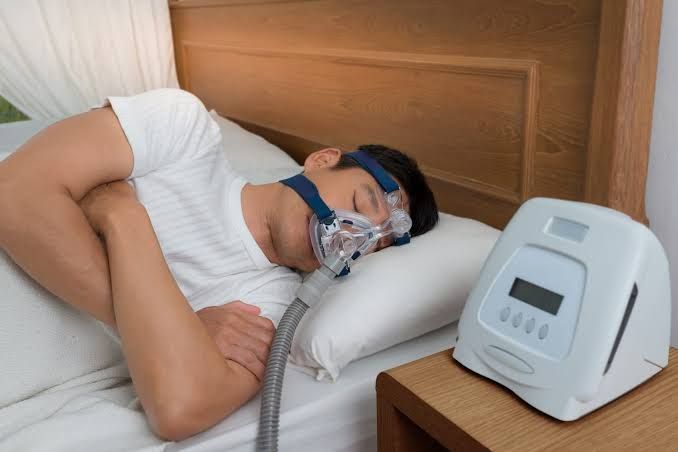
Entering a clinical sleep laboratory can feel intimidating. Knowing exactly what to expect during your overnight evaluation can significantly reduce your anxiety, helping you achieve a more representative night of sleep for calibration.
A Step-by-Step Overview of the Night
When you arrive at the sleep facility, you will be shown to a private room designed to feel as close to a comfortable bedroom as possible. Here is how your night will progress:
- The Setup: A certified sleep technologist will apply several small, non-invasive sensors to your scalp, face, chest, and legs. These sensors are completely painless and are designed to measure your brain waves (EEG), muscle activity, eye movements, heart rate, and respiration patterns.
- The Mask Fit: Before you go to sleep, the technologist will work with you to find a comfortable PAP mask. They will let you try different styles—such as nasal pillows, nasal masks, or full-face masks—and turn on the machine while you are awake so you can get used to the gentle flow of air.
- Lights Out: Once you are ready, the lights are turned off, and you can fall asleep. The technologist will monitor your biometrics remotely.
- Dynamic Calibration: As you sleep, if the technologist observes airway collapses, snoring, or a drop in blood oxygen, they will slowly increase the air pressure from their control room. They will continue this process until your breathing stabilizes across all sleep stages, especially during critical REM sleep, when airway muscles are most relaxed.
Tips to Help You Prepare
To ensure a successful titration sleep study, keep these simple guidelines in mind:
- Avoid caffeine and alcohol after midday on the day of your study.
- Wash your hair and avoid using heavy oils, hair sprays, or lotions, as these can interfere with sensor adhesion.
- Bring comfortable, loose-fitting pajamas (preferably a two-piece set to make sensor placement easier).
- Feel free to bring a favorite pillow or blanket to help your sleep environment feel more familiar.
Moving from Clinical Support to Long-Term Home Optimization
After your clinical cpap titration study is complete, you will receive your calibrated machine for home use. This is where your long-term health journey truly begins. While the clinical sensors are gone, you still need a way to track how your body is recovering on a night-by-night basis. Persistent morning morning brain fog or sudden awakenings can still occur if your therapy is disrupted by mask shifts or changes in your sleep hygiene.
To monitor your sleep architecture without the discomfort of clinical wires, choosing a non-intrusive tracker is essential. As discussed in our comprehensive sleep trackers guide, bulky smartwatches can often disrupt your sleep by flashing bright screens or demanding daily charging. A screen-free, lightweight alternative is ideal for tracking your daily recovery score over time.
Biometrics to Track Post-Titration
- Deep Sleep Duration: Verifies that your body is getting the cellular repair and tissue recovery it needs.
- Heart Rate Variability (HRV): Tracks autonomic balance, showing if your system is successfully moving out of fight-or-flight mode.
- Resting Heart Rate: A gradual downward trend over weeks indicates your cardiovascular system is experiencing less stress during sleep.
By pairing your clinical PAP therapy with a comfortable, subscription-free tracking device like the Herz P1 Smart Ring, you can easily monitor your sleep stages and physical recovery. This data-informed approach allows you to take control of your health naturally, scientifically, and elegantly, ensuring you wake up refreshed and ready for the day ahead.
Disclaimer: Results may vary depending on individual physical activity levels, unique health conditions, and daily tracking patterns. This content is for informational purposes only and does not constitute medical advice. Always consult with a qualified physician regarding any medical conditions, sleep disorders, or positive airway pressure settings.
