

What Is a Fever Dream and Why Are They So Vivid?
Have you ever woken up at 3 AM, drenched in sweat and shaken by a bizarre, deeply unsettling nightmare? These intense nightly experiences are known as fever dreams. When your body temperature spikes, it alters your sleep architecture. Fortunately, monitoring these shifts with screen-free wearables like the Herz P1 Smart Ring provides real-time, actionable insights into your recovery.
Take Back Your Sleep.
Take Back Your Life.
- Fall asleep faster & sleep deeper
- Stop waking up in the middle of the night
- Wake up refreshed & full of energy
- Thermoregulation Disruption: How spikes in core body temperature directly fracture sleep architecture, especially during the REM stage.
- The Chemistry of Bizarre Dreams: The role of cytokines and cognitive overdrive that make fever dreams feel intensely vivid and emotionally draining.
- Autonomic Stress Indicators: How tracking Heart Rate Variability (HRV) and skin temperature variations helps you spot oncoming physiological stress before symptoms fully manifest.
- Comfort Over Complexity: Transitioning away from bulky, screen-lit smartwatches to ultra-lightweight, screen-free tracking methods for comfortable and accurate night-time recovery monitoring.
Understanding Fever Dreams: The Science of High-Temp Slumber
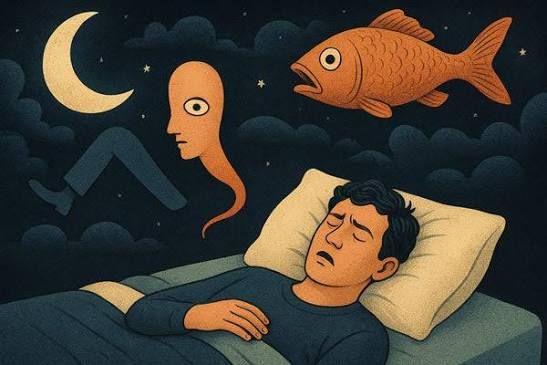
Yes, fever dreams are a scientifically documented biological occurrence. The short answer is that they are highly vivid, often surreal, and intensely distressing dreams that happen when your core body temperature rises. However, to choose the right wellness practices and monitoring tools to prevent these exhausting nights, you need to understand how thermoregulation directly controls your brain’s sleep cycles.
To truly understand what is a fever dream, we must look at the hypothalamus. Located at the base of your brain, the hypothalamus acts as your body’s primary thermostat. When your immune system detects a pathogen, physical overexertion, or extreme mental stress, it releases pro-inflammatory cytokines such as interleukins and tumor necrosis factor. These chemical messengers travel to the brain, prompting the hypothalamus to raise its temperature set-point as a natural defense mechanism. While this heat is vital for suppressing viral replication, it wreaks absolute havoc on your sleep stages.
Under clinical sleep standards, the fever dreams definition describes a highly vivid, cognitively chaotic dream state triggered by elevated systemic thermal stress. During a healthy night, your body naturally cools down as you drift into Rapid Eye Movement (REM) sleep. During REM, your brain actually loses its ability to actively thermoregulate, leaving you temporarily dependent on your environmental temperature. If your core body temperature is already elevated due to immune activity, the brain experiences a sensory and thermal mismatch. It struggles to maintain the delicate neurochemical balance required for stable dreaming.
So, when we look at a fever dream what is the ultimate biological cause? It is the intersection of hyper-arousal, cognitive fragmentation, and thermoregulatory failure. Because your brain is working at a higher metabolic temperature, your neural pathways misfire. The amygdala—the brain’s emotional processing center—becomes highly hyperactive under thermal stress, resulting in the terrifying, emotionally charged, and highly surreal narratives that characterize these dreams. This vivid dream phenomena is a tangible, physiological reflection of your autonomic nervous system struggling under a massive systemic load.
When to track closely: If you wake up with a racing mind, hot flashes, or physical shivering, your body is likely fighting an immune trigger or severe overtraining. In these moments, checking skin temperature trends and Heart Rate Variability (HRV) is crucial to adjust your physical load.
When it is not a fever dream: If your body temperature remains baseline and your dreams are simply reflections of daily stress or work anxiety, you may be experiencing classic psychological nightmares. These require stress-reduction practices rather than physical cooling protocols.
Rather than relying on stressful, glowing phone screens to check your sleep status, implementing a passive, screen-free tracking routine can guide you back to restful sleep. This is why our team at Mind Body Dan highly recommends the **Herz P1 Smart Ring**. Constructed from premium, ultra-lightweight titanium, this sleek ring monitors your resting heart rate, sleep stages, and skin temperature trends in the background. It delivers an intuitive, subscription-free daily Recovery Score that translates complex biometrics into simple, actionable trends. It helps you recognize when your body is fighting off physical stress long before the exhausting cycle of brain fog set in.
Fever Dreams: Frequently Asked Questions
Q: Why do fever dreams feel so terrifyingly real?
A: The elevated core temperature hyper-stimulates the amygdala and emotional centers of the brain while fragmenting the prefrontal cortex. This causes your brain to construct highly emotional, threatening narratives that feel incredibly real upon waking.
Q: Can a hot bedroom trigger these types of dreams?
A: Yes. External thermal stress can mimic the internal effects of a fever. If your sleeping environment is too hot, it disrupts REM sleep, raises your heart rate, and can trigger vivid, anxious dreams that mirror true fever dreams.
Q: How do these dreams affect my recovery metrics?
A: Because they fragment REM sleep and prevent you from entering restorative deep sleep stages, you will typically see a dramatic drop in your Heart Rate Variability (HRV) and an elevated resting heart rate the next morning, indicating high systemic stress.
Q: Is there a way to monitor this without an annoying, heavy smartwatch?
A: Absolutely. Transitioning to an ultra-light, screen-free smart ring is the ideal solution. It tracks sleep patterns and skin temperature trends without the sleep-disrupting glare of a screen, bulky wrist straps, or the nuisance of daily charging.
The Sleep Architecture Breakdown: How Elevated Temperature Alters REM and Deep Sleep

Human sleep is not a singular, flat-lined state of unconsciousness. Instead, it is a highly structured, orchestrated sequence of shifts between non-REM (light and deep) sleep and REM sleep. Under healthy circumstances, your body naturally cools itself by radiating heat away from its core. This physiological cool-down is a vital trigger for entering deep restorative sleep and sustaining steady, narrative-driven REM cycles. However, when we encounter physical stressors that raise our temperature, this elegant system collapses into fragmented sleep disruptions and dreams.
Deep sleep is primarily responsible for physical restoration. It is during this slow-wave phase that the immune system releases crucial growth factors and repairs damaged cells. When you are fighting off an infection or experiencing system-wide inflammation, the body desperately needs this stage. However, because a high internal temperature forces your metabolic rate to remain elevated, your brain struggle to stay in slow-wave sleep. It constantly bounces you back into lighter, easily disrupted stages, leading to frequent 3 AM awakenings and leaving you with the feeling of completely non-restorative sleep.
When you do manage to enter REM sleep, the temperature-sensitive neurons in your brainstem begin to struggle. Normally, the brain is highly active during REM, but the body is effectively paralyzed (REM atonia) to prevent you from physically acting out your dreams. Under thermal stress, the brain enters a state of hyper-excitation. The dreaming process becomes chaotic, resulting in highly bizarre, sensory-loaded elevated body temperature dreams. Because these dreams are so chaotic, they trigger rapid micro-arousals, forcing you to wake up with your mind racing and your heart pounding.
— Mind Body Dan Sleep Research Hub
This disruption has a direct, measurable impact on your cardiovascular metrics. When your body is fighting to thermoregulate, your sympathetic nervous system (fight-or-flight) overrides your parasympathetic nervous system (rest-and-digest). As a result, your Heart Rate Variability (HRV) plummets, and your resting heart rate increases. Tracking these specific metrics is key to understanding your overall recovery. Unfortunately, many people find traditional smartwatches bulky, uncomfortable to sleep in, and frustrating to charge every single day. This operational discomfort often leads to abandon tracking altogether, leaving them in the dark about their sleep health.
This is where screen-free, lightweight wearable technology excels. By tracking your autonomic trends at the finger—where the blood vessels are closer to the skin surface—you get a much cleaner, more accurate reading of skin temperature, blood flow, and HRV. Instead of waking up to a distracting screen flashing notifications, you simply wear an elegant ring that continuously monitors your biometrics in the background. It offers a clear, data-driven window into your physiological stress, allowing you to optimize your lifestyle without the frustration of complex graphs or battery anxiety.
Reclaiming Your Rest: Screen-Free Tracking and Recovery Habits

Reclaiming your sleep and eliminating morning brain fog starts with practical, screen-free recovery habits. The blue light emitted by smartwatches, tablets, and phones is a major disrupter of the pineal gland’s ability to synthesize melatonin. When your brain is already dealing with high physical stress or elevated temperatures, adding blue-light exposure before bed compounds the issue, making sleep latency longer and dreams more fragmented. By establishing a screen-free wind-down routine, you allow your nervous system to ease into a restorative, parasympathetic state.
When you are trying to map your physiological dream triggers, having simple, actionable data is far more valuable than being overwhelmed by complicated medical metrics. Traditional trackers often present users with hard-to-read charts that can increase sleep anxiety. We need an intuitive way to understand our sleep health—one that tells us exactly how our body is recovering without demanding hours of troubleshooting or hitting us with hidden subscription fees.
At Mind Body Dan, we believe that health tracking should adapt to your life, not the other way around. The **Herz P1 Smart Ring** offers an elegant, titanium, screen-free solution designed to solve the common frustrations of daily tracking. Here is how it compares to traditional options:
| Feature | Herz P1 Smart Ring | Standard Smartwatch |
|---|---|---|
| Comfort & Design | Ultra-lightweight titanium, screen-free, elegant fit. | Bulky, heavy on the wrist, prone to sweat buildup. |
| Subscription Fees | None. Fully subscription-free data access. | Requires expensive monthly memberships. |
| Battery Life | Multi-day battery life; no daily charging hassle. | Requires charging daily, often missed during sleep. |
| Biometric Focus | Accurate finger-based HRV, Sleep Stages, Skin Temp. | Basic wrist-based steps, often lacks thermal insights. |
By wearing a screen-free ring, you can easily track your physiological trends without the stress of constant notifications. Combining this technology with healthy sleep habits—such as maintaining a cool bedroom, avoiding late-night eating, and keeping a dream journal to offload anxious thoughts—helps you build a highly effective recovery routine. You will finally be able to look at your daily Recovery Score and understand exactly why you woke up feeling tired, enabling you to make smart, proactive adjustments to your wellness plan.
Build Your Restorative Sleep Routine Tonight
Stop guessing why you are waking up exhausted. Track your sleep stages, resting heart rate, and skin temperature trends naturally. Our screen-free, subscription-free titanium smart ring is designed to help you reclaim your energy and sleep deeply again.
Note on product limitations: The Herz P1 Smart Ring is an informational wellness tracker designed to monitor daily and nightly physiological trends. It is not a medical diagnostic tool. If you are experiencing persistent, high-grade fevers or chronic sleep disorders, please consult a primary healthcare provider for appropriate clinical guidance.
Taking control of your sleep health does not require complicated, high-maintenance gear. By focusing on natural recovery habits, maintaining proper thermoregulation, and using comfortable, screen-free tracking, you can easily break the cycle of restless nights. Understanding the science behind your body’s sleep signals is the first step toward waking up refreshed, clear-headed, and ready to take on the day.
Disclaimer: Results may vary depending on individual physical activity levels, unique health conditions, and daily tracking patterns. The content provided on Mind Body Dan is for informational purposes only and is not intended to track, monitor, diagnose, treat, or cure any medical conditions. Always consult a healthcare professional before making any major changes to your wellness or exercise routines.
